• Skip to primary navigation
  • Skip to main content
  • Skip to primary sidebar

Carnegie Museum of Natural History

One of the Four Carnegie Museums of Pittsburgh

  • Visit
    • Buy Tickets
    • Visitor Information
    • Exhibitions
    • Events
    • Dining at the Museum
    • Celebrate at the Museum
    • Powdermill Nature Reserve
    • Event Venue Rental
  • Learn
    • Field Trips
    • Educator Information
    • Programs at the Museum
    • Bring the Museum to You
    • Guided Programs FAQ
    • Programs Online
    • Climate and Rural Systems Partnership
  • Research
    • Scientific Sections
    • Science Stories
    • Science Videos
    • Senior Science & Research Staff
    • Museum Library
    • Science Seminars
    • Scientific Publications
    • Specimen and Artifact Identification
  • About
    • Mission & Commitments
    • Directors Team
    • Museum History
  • Tickets
  • Give
  • Shop

Researchers chase snails on Santa Rosa Island, California

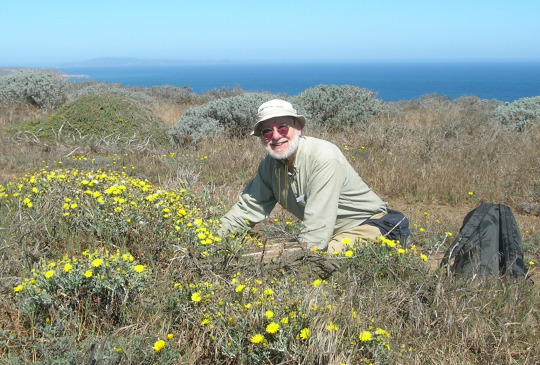
Pearce collecting snails at Carrington Point
Pearce collecting snails at Carrington Point on Santa Rosa Island, California. San Miguel Island is visible in the distance. (Photo by Charles Drost.)

by Tim Pearce

Islands often contain peculiar species, including some that are endemic (found only there). Tim Pearce, Assistant Curator of the Section of Mollusks at Carnegie Museum of Natural History, spent five days with two other researchers surveying the land snails of Santa Rosa Island, one of the California Channel Islands. This survey is part of a larger project, funded by the National Park Service, to understand the land snails of the California Borderlands.

The researchers braved spiny vegetation and strong winds (sometimes pebbles became airborne) to find at least three new land snail records for the island among the dozen or so species they found. Several species found are endemic to the California Channel Islands. Further scrutiny of the finds will reveal whether any species are endemic to just Santa Rosa Island or possibly new to science.

Snails were often surprisingly difficult to find, which might reflect recent disturbance history of the island. The last of the large non-native mammals (goats, sheep, pigs, cattle, deer, and elk) were removed from the island in 2013. These animals can impact snail populations through trampling and more importantly by eating vegetation, changing it from forest to grassland. This study provides a baseline to inform future investigation of how snail faunas recover after disturbance.


Timothy A. Pearce, PhD, is the head of the mollusks section at Carnegie Museum of Natural History. Museum employees are encouraged to blog about their unique experiences and knowledge gained from working at the museum.

 

sidebar

About

  • Mission & Commitments
  • Directors Team
  • Museum History

Get Involved

  • Volunteer
  • Membership
  • Carnegie Discoverers
  • Donate
  • Employment
  • Events

Bring a Group

  • Groups of 10 or More
  • Birthday Parties at the Museum
  • Field Trips

Powdermill

  • Powdermill Nature Reserve
  • Powdermill Field Trips
  • Powdermill Staff
  • Research at Powdermill

More Information

  • Image Permission Requests
  • Science Stories
  • Accessibility
  • Shopping Cart
  • Contact
  • Visitor Policies
One of the Four Carnegie Museums | © Carnegie Institute | Privacy Policy | Terms of Use | Accessibility
Rad works here logo