by Barbara Klein
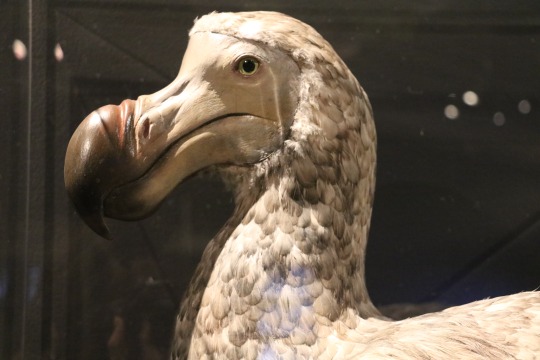
History—not to mention humanity—has not been kind to the dodo bird. As the story goes, the demise of this flightless, clueless, graceless big galoot of a bird was no surprise (except, one imagines, to the dodos themselves).
A descendant of the pigeon, dodos were living the good life on the island of Mauritius (located east of Madagascar in the Indian Ocean), but that all changed when Dutch settlers began arriving in the late 1590s.
With no natural predators to fear, the feathered creatures greeted the new arrivals as friends. The settlers, however, were not quite as amicable. They soon realized how comically easy it was to walk up to an unsuspecting bird and club it over the head. Dodos, it’s what was for dinner.
Speaking of dinner. Where ships are docked, inevitably rats and cats disembark. From the dodo’s perspective, that just meant more mouths to feed. No longer ruling the roost, the dodo’s days were numbered. In fact, it took less than 100 years for the dodo to become a no go.
Back then, the idea of wiping out an entire species forever was inconceivable in the truest sense of the word. It was a concept no one considered.
But times have changed, right? Well, yes and no. Although we humans now understand the consequences of our actions, that knowledge is not always enough to quell our baser instincts.
With that in mind, the exhibition We Are Nature: Living in the Anthropocene is asking visitors to vote for the creature most likely not to succeed. Contenders for this dubious distinction are the black rhino, Sumatran elephant, pangolin, leatherback turtle, and mountain gorilla.
Votes are tallied in the form of donations to the World Wildlife Fund.
Admittedly, this sounds like a joke, and not a particularly funny one. But it is no laughing matter. The goal here is to help humans understand how their actions—or inactions—can make all the difference in the world. It is truly life or death for these animals.
The Anthropocene is the current geological era in which humans are making a profound impact on the geological strata. While the term itself is still being debated by geologists, the museum is embracing it as a social and cultural tool for exploring the broad sum effect humans are having on the planet in the exhibition We Are Nature: Living in the Anthropocene—open now through summer 2018.
