• Skip to primary navigation
  • Skip to main content
  • Skip to primary sidebar

Carnegie Museum of Natural History

One of the Four Carnegie Museums of Pittsburgh

  • Visit
    • Buy Tickets
    • Visitor Information
    • Exhibitions
    • Events
    • Dining at the Museum
    • Celebrate at the Museum
    • Powdermill Nature Reserve
    • Event Venue Rental
    • Gift Cards
  • Learn
    • Field Trips
    • Educator Information
    • Programs at the Museum
    • Bring the Museum to You
    • Guided Programs FAQ
    • Programs Online
    • Climate and Rural Systems Partnership
  • Research
    • Scientific Sections
    • Science Stories
    • Science Videos
    • Senior Science & Research Staff
    • Museum Library
    • Science Seminars
    • Scientific Publications
    • Specimen and Artifact Identification
  • About
    • Mission & Commitments
    • Directors Team
    • Museum History
  • Tickets
  • Give
  • Shop

Riverbank Beavers

By Patrick McShea

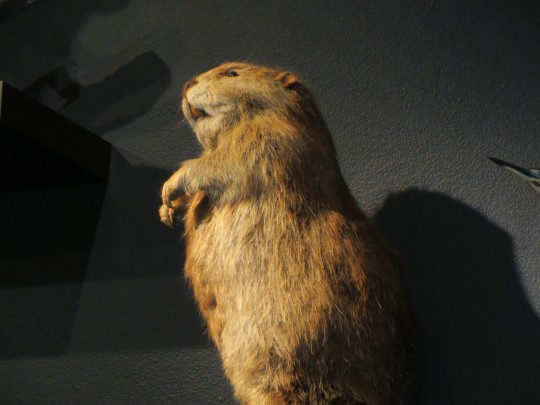
beaver taxidermy

The mid-April news of cut redbud saplings along a Pittsburgh riverfront trail served as a public announcement that beavers reside in the city. The very same message is conveyed in We Are Nature, where a beaver taxidermy
mount holds position #25 in a wall display of thirty-three diverse species of
Pittsburgh wildlife.
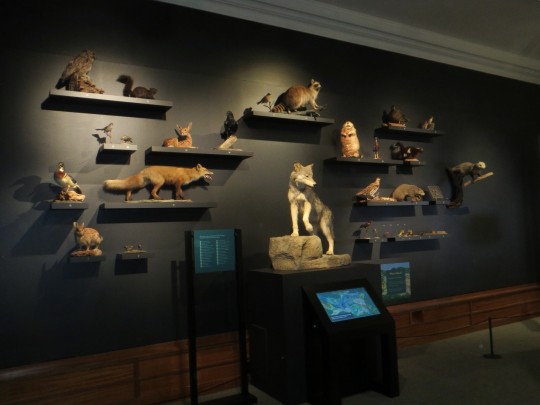
Pennsylvania mammals on display in We Are Nature

The display and an accompanying interactive panel invites visitors to consider how Nature is always around us, even in urban areas. In the case of Pittsburgh’s beavers, the species’ reputation as a dam builder is not reinforced along the Allegheny, Monongahela, and Ohio. The city’s rivers are deep enough year-round to allow beavers to construct bankside lodges with underwater entrances.
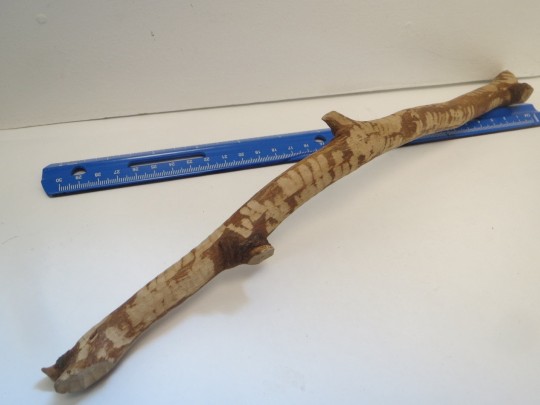
beaver stick shown next to a ruler

Although the nocturnal habits of beavers keep them out public view, the big rodents leave evidence of their presence. The next time you’re on one of Pittsburgh’s riverside trails, look at the water edge for bark-stripped sticks that bear sets of parallel gnaw-marks made by beaver incisors.

Patrick McShea works in the Education and Visitor Experience department of Carnegie Museum of Natural History. Museum employees are encouraged to blog about their unique experiences and knowledge gained from working at the museum.

 

sidebar

About

  • Mission & Commitments
  • Directors Team
  • Museum History

Get Involved

  • Volunteer
  • Membership
  • Carnegie Discoverers
  • Donate
  • Employment
  • Events

Bring a Group

  • Groups of 10 or More
  • Birthday Parties at the Museum
  • Field Trips

Powdermill

  • Powdermill Nature Reserve
  • Powdermill Field Trips
  • Powdermill Staff
  • Research at Powdermill

More Information

  • Image Permission Requests
  • Science Stories
  • Accessibility
  • Shopping Cart
  • Contact
  • Visitor Policies
One of the Four Carnegie Museums | © Carnegie Institute | Privacy Policy | Terms of Use | Accessibility
Rad works here logo