• Skip to primary navigation
  • Skip to main content
  • Skip to primary sidebar

Carnegie Museum of Natural History

One of the Four Carnegie Museums of Pittsburgh

  • Visit
    • Buy Tickets
    • Visitor Information
    • Exhibitions
    • Events
    • Dining at the Museum
    • Celebrate at the Museum
    • Powdermill Nature Reserve
    • Event Venue Rental
  • Learn
    • Field Trips
    • Educator Information
    • Programs at the Museum
    • Bring the Museum to You
    • Guided Programs FAQ
    • Programs Online
    • Climate and Rural Systems Partnership
  • Research
    • Scientific Sections
    • Science Stories
    • Science Videos
    • Senior Science & Research Staff
    • Museum Library
    • Science Seminars
    • Scientific Publications
    • Specimen and Artifact Identification
  • About
    • Mission & Commitments
    • Directors Team
    • Museum History
  • Tickets
  • Give
  • Shop

Scientists on Specimen ID

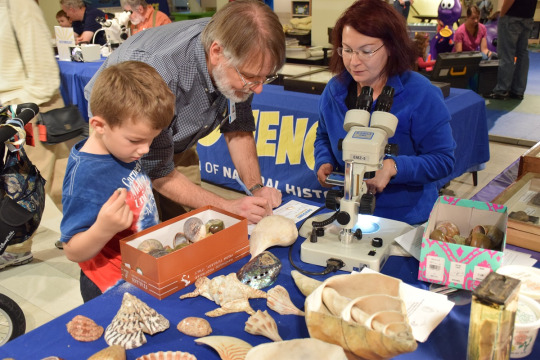
Scientists with child helping to identify shells
Above: Timothy Pearce, Assistant Curator of Mollusks, helps identify a specimen.

Can you stump the scientist?

Carnegie Museum of Natural History’s scientists will be available on Saturday, April 16 to identify objects that visitors have found in nature for Super Science: Specimen ID Day. 

These events are a unique experience for visitors, but also an interesting way for our scientists to interact with the public and test their knowledge!

Albert Kollar, Section of Invertebrate Paleontology, said that the number of places that people bring in specimens from is the part of Specimen ID Day that he finds most intriguing.

Kollar said he helped identify specimens collected from Pennsylvania, Ohio, western New York, Virginia, Maryland along the Chesapeake Bay, South Carolina and North Carolina’s underwater shoreline, Indiana, Missouri, and Colorado.

“That was fun and a challenge to review my knowledge,” he said. “Some of it was easy as it worked to my experiences of conducting research in many of those states excluding North and South Carolina.”

He said a little girl who collected fossils from the Falls of the Ohio rocks of Indiana was one of the best specimens brought to him at a Specimen ID Day.

Timothy Pearce, Assistant Curator of Mollusks, said someone brought in a fist-sized shell that looked like a cowry (appealingly shaped, attractive, shiny sea shells), but not like any cowry he had ever seen at a similar event.
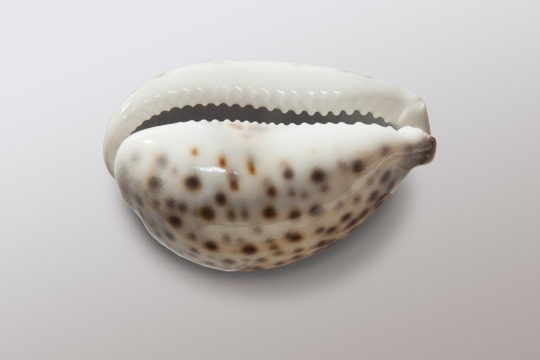
A cowry shell
A cowry

“We finally determined that it is actually the earbone of a whale, which is, interestingly, shaped very much like a cowry!” Pearce said. “This was way before we had Google Images, so it took a bit of sleuthing to track it down.”

sidebar

About

  • Mission & Commitments
  • Directors Team
  • Museum History

Get Involved

  • Volunteer
  • Membership
  • Carnegie Discoverers
  • Donate
  • Employment
  • Events

Bring a Group

  • Groups of 10 or More
  • Birthday Parties at the Museum
  • Field Trips

Powdermill

  • Powdermill Nature Reserve
  • Powdermill Field Trips
  • Powdermill Staff
  • Research at Powdermill

More Information

  • Image Permission Requests
  • Science Stories
  • Accessibility
  • Shopping Cart
  • Contact
  • Visitor Policies
One of the Four Carnegie Museums | © Carnegie Institute | Privacy Policy | Terms of Use | Accessibility
Rad works here logo