by John Wenzel
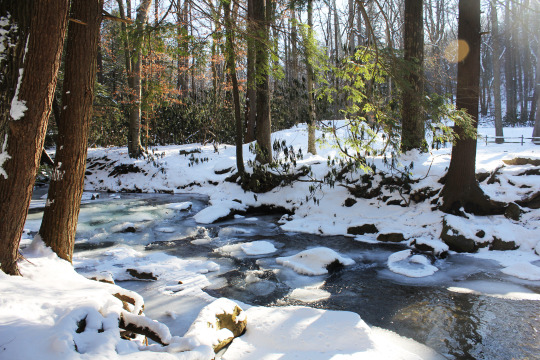
When Shakespeare wrote “Now is the winter of our discontent,” he certainly was not referring to entomologists. Botanists, mammalogists, ornithologists, and herpetologists spend most of the winter in the office waiting for spring. But many entomologists remain busy because insects that live under water go into high gear and treat the winter as their growing season. Hatching from eggs in spring or summer, these aquatic “macroinvertebrates” get their Thanksgiving dinner as the leaves fall into the stream. The insects are grazing and hunting underwater, growing to adulthood, preparing to fly away next spring when the air is warm again.
I was lucky to grow up with a 10 acre woodlot on one side of our house and a 12 acre pond on the other. As a kid, I loved to be out in my row boat or exploring the woods, hunting wildlife, catch and release. My parents encouraged my interests in nature, providing books and equipment that allowed me to increase my knowledge and experience as I grew.
I raised caterpillars through metamorphosis, marked turtles that I would find again years later, and nursed orphaned baby animals. Initially, I had no special preferences other than those that seem to come naturally to all humans. Mammals capture our affection, we all wish we could fly like birds, predators are particularly interesting, as is anything colorful or rare. By the time I was in college, I decided to study insects as a career for many reasons, and chief among them was a very pragmatic element for a striving academic: if you know about insects, you can find fascinating species in your backyard, wherever you live, anywhere in the world.
Since college, I have learned a great deal about many other groups, but when winter is approaching, I enjoy very much being an entomologist. Even on the coldest day in January, I can go out to a stream and find abundant insects doing their thing, below the ice in the cold water. Some specifically emerge in winter when there are no predators around. At Powdermill Nature Reserve, we have plenty of wonderful winter insects, and it is great fun to hunt for these gems.
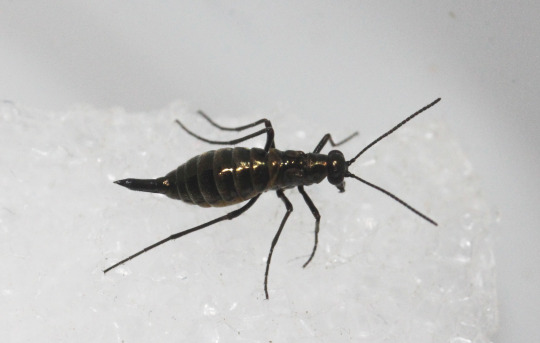
Here you see a female Boreus scorpionfly who came up from a patch of moss to walk across the snow looking for a male in late December. Also called a snow flea, Boreus is so rare that few entomologists ever see them alive. There is a deep reward in learning to appreciate small things, and I have never regretted becoming an entomologist, especially as winter approaches.
Want to know more about winter bugs? Read about the first Powdermill Christmas Bug Count.
John Wenzel is the Director at Powdermill Nature Reserve, Carnegie Museum of Natural History’s environmental research center. Museum employees are encouraged to blog about their unique experiences and knowledge gained from working at the museum.
