• Skip to primary navigation
  • Skip to main content
  • Skip to primary sidebar

Carnegie Museum of Natural History

One of the Four Carnegie Museums of Pittsburgh

  • Visit
    • Buy Tickets
    • Visitor Information
    • Exhibitions
    • Events
    • Dining at the Museum
    • Celebrate at the Museum
    • Powdermill Nature Reserve
    • Event Venue Rental
  • Learn
    • Field Trips
    • Educator Information
    • Programs at the Museum
    • Bring the Museum to You
    • Guided Programs FAQ
    • Programs Online
    • Climate and Rural Systems Partnership
  • Research
    • Scientific Sections
    • Science Stories
    • Science Videos
    • Senior Science & Research Staff
    • Museum Library
    • Science Seminars
    • Scientific Publications
    • Specimen and Artifact Identification
  • About
    • Mission & Commitments
    • Directors Team
    • Museum History
  • Tickets
  • Give
  • Shop

Spiders as Interior Designers

by Megan Jones
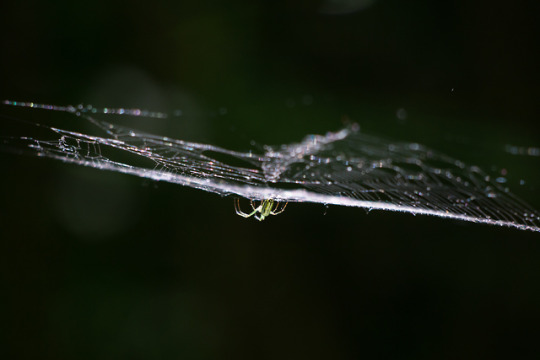
spider hanging from a spider web
A spider meticulously builds an orb web.

Did you know you can recognize a family group of spiders by the way a spider web is designed?  These web-making skills are important to a spider’s survival, and each style helps spiders catch prey in slightly different ways.

There are over 40,000 known species with different types of silk and designs. The most common four spider web designs you’ll see while exploring nature are orb webs, tangled webs, woolly webs, and sheet webs.

Silky Smooth Designs

Orb webs

Orb webs are the classic looking spider webs with a wheel-shape that allows spiders to fully enter a vertical space. Orb webs help attract prey, catching up to 250 insects per day!
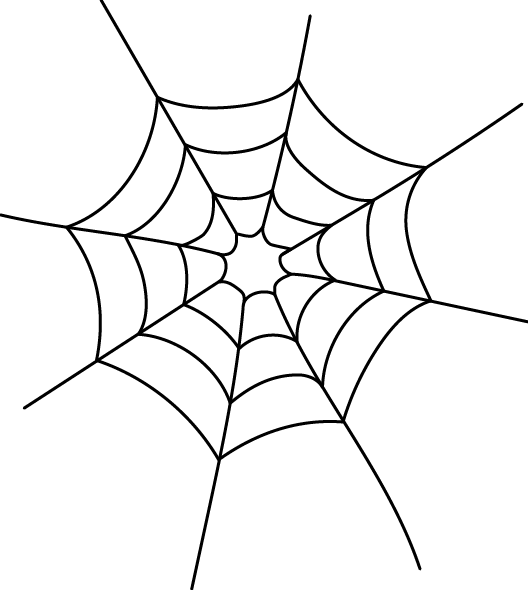
drawing of an orb web

Tangled webs

Tangled webs or cobwebs are known for their messy and shapeless design.

These are the webs you’ll see in the corner of an un-swept room. The ends of this web have sticky droplets that help catch unsuspecting prey.
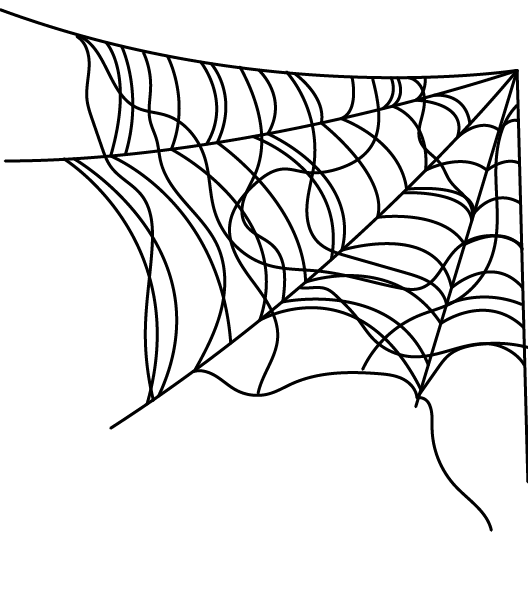
drawing of tangled web

Woolly webs

Woolly webs have a unique texture with adhesive silk. Woolly webs aren’t perfectly made but are usually built horizontally in a geometric shape.
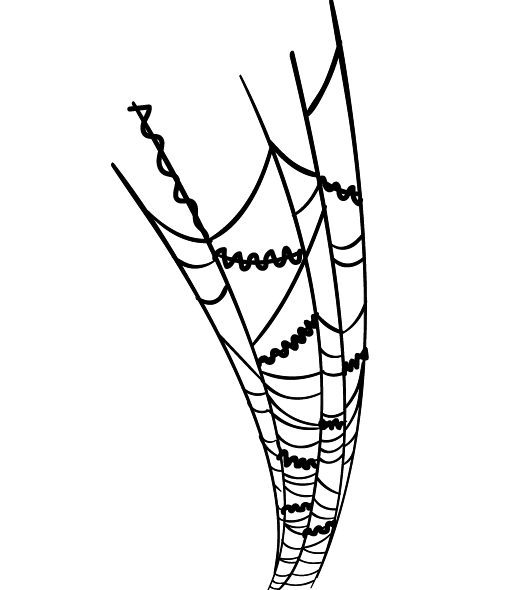
drawing of woolly web

Sheet webs

Sheet webs can be found strung across bushes acting as a maze of silk. When an insect flies into one of the silk strings, it is knocked into a net below where the spider waits for its prey.
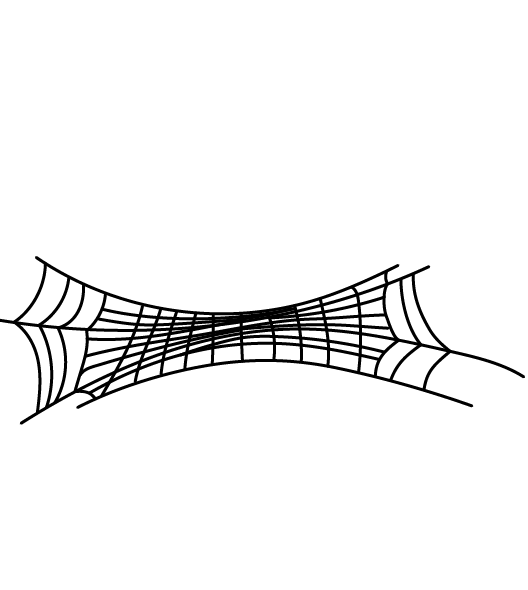
drawing of sheet web

Too Much Time On The Web

Spiders don’t just use their silk for web-building. They are known to use their silk as a trail behind them when hunting and as material for creating egg sacs. Some spiders even hang glide by sailing through the sky attached to strands of silk!

What Designs Are Around You?

Although most web designs are done with purpose, some spiders are known to actively decorate their webs. They creatively weave their webs daily. Now that you know what you’re looking for, even your backyard can be an adventure!
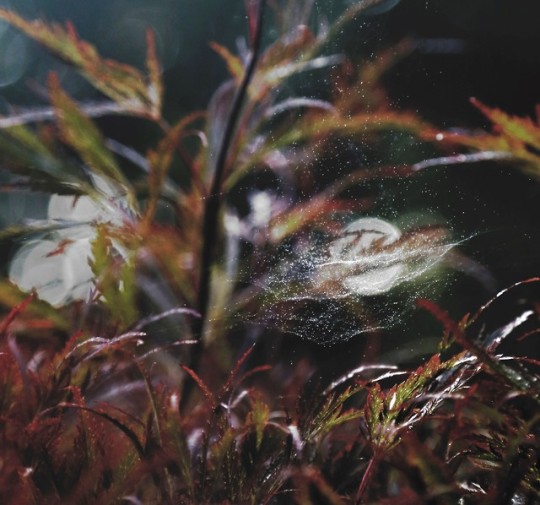
tangled spider web on a plant
A tangled web covers a plant in wait for prey to land.

Can You find all four types of webs around you? Draw a picture of each web you find!

Spider webs can be found anywhere. We recommend your backyard, the nooks and crannies of your porch, or even the corners of an undusted room in your house!

Blog post and illustrations by Megan Jones. Photos by Melissa Cagan. Museum employees are encouraged to blog about their unique experiences and knowledge gained from working at the museum.

Related Content

Spiders Catch All Sorts of Insects

Jumping Spiders

Natural History Discoveries

Carnegie Museum of Natural History Blog Citation Information

Blog author: Jones, Megan
Publication date: August 6, 2019

Share this post!

  • Share on Twitter Share on Twitter
  • Share on Facebook Share on Facebook
  • Share on Pinterest Share on Pinterest
  • Share on LinkedIn Share on LinkedIn
  • Share on Reddit Share on Reddit
  • Share via Email Share via Email

Share this post!

  • Share on Twitter Share on Twitter
  • Share on Facebook Share on Facebook
  • Share on Pinterest Share on Pinterest
  • Share on LinkedIn Share on LinkedIn
  • Share on Reddit Share on Reddit
  • Share via Email Share via Email

sidebar

About

  • Mission & Commitments
  • Directors Team
  • Museum History

Get Involved

  • Volunteer
  • Membership
  • Carnegie Discoverers
  • Donate
  • Employment
  • Events

Bring a Group

  • Groups of 10 or More
  • Birthday Parties at the Museum
  • Field Trips

Powdermill

  • Powdermill Nature Reserve
  • Powdermill Field Trips
  • Powdermill Staff
  • Research at Powdermill

More Information

  • Image Permission Requests
  • Science Stories
  • Accessibility
  • Shopping Cart
  • Contact
  • Visitor Policies
One of the Four Carnegie Museums | © Carnegie Institute | Privacy Policy | Terms of Use | Accessibility
Rad works here logo
