• Skip to primary navigation
  • Skip to main content
  • Skip to primary sidebar

Carnegie Museum of Natural History

One of the Four Carnegie Museums of Pittsburgh

  • Visit
    • Buy Tickets
    • Visitor Information
    • Exhibitions
    • Events
    • Dining at the Museum
    • Celebrate at the Museum
    • Powdermill Nature Reserve
    • Event Venue Rental
  • Learn
    • Field Trips
    • Educator Information
    • Programs at the Museum
    • Bring the Museum to You
    • Guided Programs FAQ
    • Programs Online
    • Climate and Rural Systems Partnership
  • Research
    • Scientific Sections
    • Science Stories
    • Science Videos
    • Senior Science & Research Staff
    • Museum Library
    • Science Seminars
    • Scientific Publications
    • Specimen and Artifact Identification
  • About
    • Mission & Commitments
    • Directors Team
    • Museum History
  • Tickets
  • Give
  • Shop

Spiders catch all sorts of insects

Spiders catch all sorts of insects to eat using their sticky, clear woven webs. But how do they
keep their eight little legs from getting stuck?

Spiders are able to spin sticky silk and non-sticky silk to build their webs. Scientists believe
that spiders leave a path of non-sticky silk that isn’t dotted with glue so they can get around their beautiful webs.

This activity helps kids learn about how spiders are able to get to the prey they catch by creating our own paths on spider webs we make ourselves!

What you’ll need…
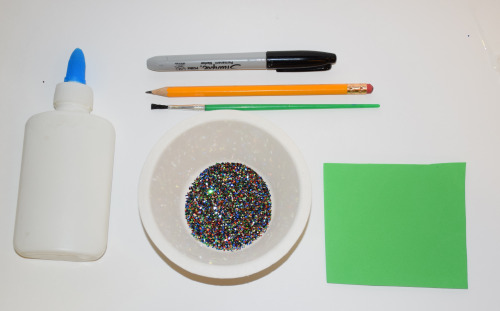
supplies needed for activity

-Small foam squares
-Pencil
-Marker
-Small paintbrush
-Glue
-Glitter

  1. Using a pencil draw a spider web on your piece of foam.
  2. Draw a spider next to your web, and an insect caught inside the web. Then use the marker to draw a path between the spider and the insect, to represent non-sticky silk.
  3. Make the rest of your spider web sticky by tracing it with glue.
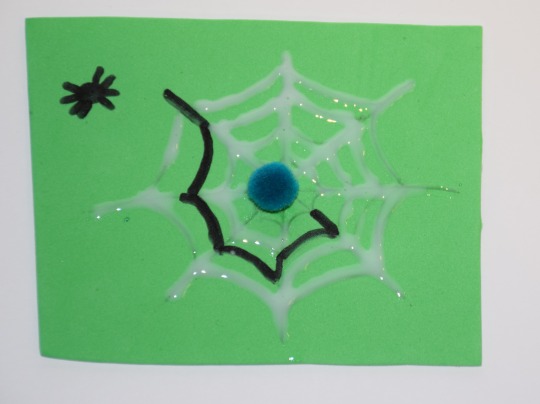
handcrafted web using glue on paper
  1. Cover your web in glitter.
  2. Shake it off and see the path your spider left itself!
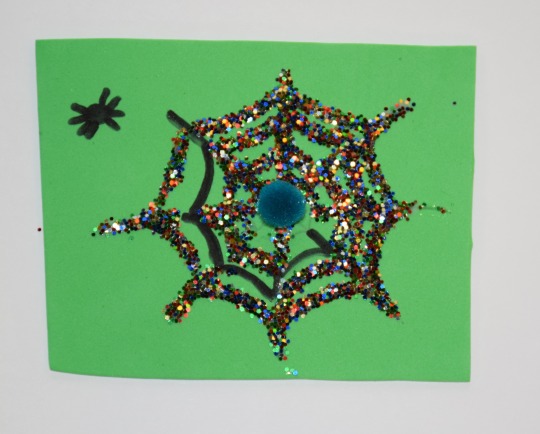
handcrafted web using glue and glitter on paper

At Carnegie Museum of Natural History, our campers and homeschool students learn about spider webs with this activity, a spider web game, and meet with real entomologists!

sidebar

About

  • Mission & Commitments
  • Directors Team
  • Museum History

Get Involved

  • Volunteer
  • Membership
  • Carnegie Discoverers
  • Donate
  • Employment
  • Events

Bring a Group

  • Groups of 10 or More
  • Birthday Parties at the Museum
  • Field Trips

Powdermill

  • Powdermill Nature Reserve
  • Powdermill Field Trips
  • Powdermill Staff
  • Research at Powdermill

More Information

  • Image Permission Requests
  • Science Stories
  • Accessibility
  • Shopping Cart
  • Contact
  • Visitor Policies
One of the Four Carnegie Museums | © Carnegie Institute | Privacy Policy | Terms of Use | Accessibility
Rad works here logo