By Jane Thaler
Flight is possible because of the four basic forces of aerodynamics: lift, weight, thrust, and drag.
Lift and weight are opposing forces that, when controlled, allow things to stay up in the air. Thrust and drag are similarly opposing forces that either pull or resist movement through space. To be able to get into the air, animals and machines must be able to produce the two forces of lift and thrust against the forces of weight and drag.

Birds and helicopters have mechanisms that produce lift and thrust simultaneously. Birds do this through a twisting of their wings and helicopters accomplish the same idea through a single rotor. This allows them to conveniently take off for flight by moving straight up into the air. Not all flying machines can do this, however, and most require some sort runway to gain enough speed for taking off amongst all these flying forces. This can be fairly inconvenient when you don’t have a lot of time or space. Say you are trying to takeoff from an aircraft carrier in the sea for example that only has 300 feet of runway instead of the 2,300 feet needed for your average aircraft to takeoff. What you need, and what engineers have built, is a machine that can get those planes from 0 to 170 miles in less than 2 seconds. Aircraft carriers use steam-powered catapults to shortcut the force-based issues of flight takeoff.
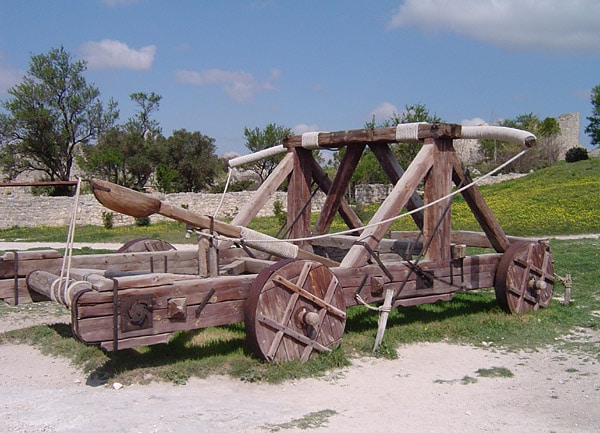
Spring loaded catapults were used to launch aircraft beginning in 1903 and catapults were used on U.S. Navy ships as early as 1915, but their history as a tool for launching objects into the air for a distance began in 400 BC as weapons in siege warfare. Catapults work through a sudden release, or conversion, of stored potential energy to propel objects through the air. Essentially, energy stored as tension or torsion is converted during the release and transferred to the launched object. This energy of motion creates enough lift to get an object in the air while the force and angle of release provide the thrust necessary to cover long distances.
Let’s see how they work by building our own catapult! In this activity you will being using elastic potential energy stored in the tension of a wooden craft stick.
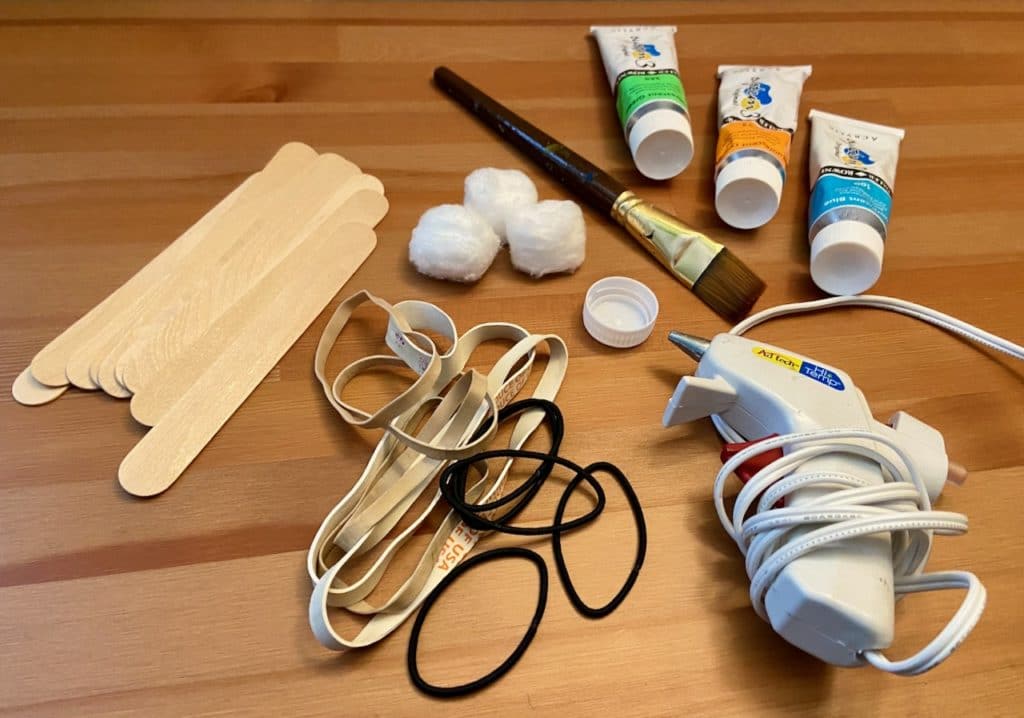
What You’ll Need to Make Your Own Catapult
• 10 craft sticks
• Rubber bands
• Plastic bottle cap – Or some other small, lightweight bucket
• Glue
• A cotton ball or small ball of crumpled paper
• Paint, markers, or other decorations – This is entirely optional
Directions
- (Optional) Decorate the craft sticks and bottle cap to your liking and wait till dry. It is much easier to do this before you begin assembling your catapult.
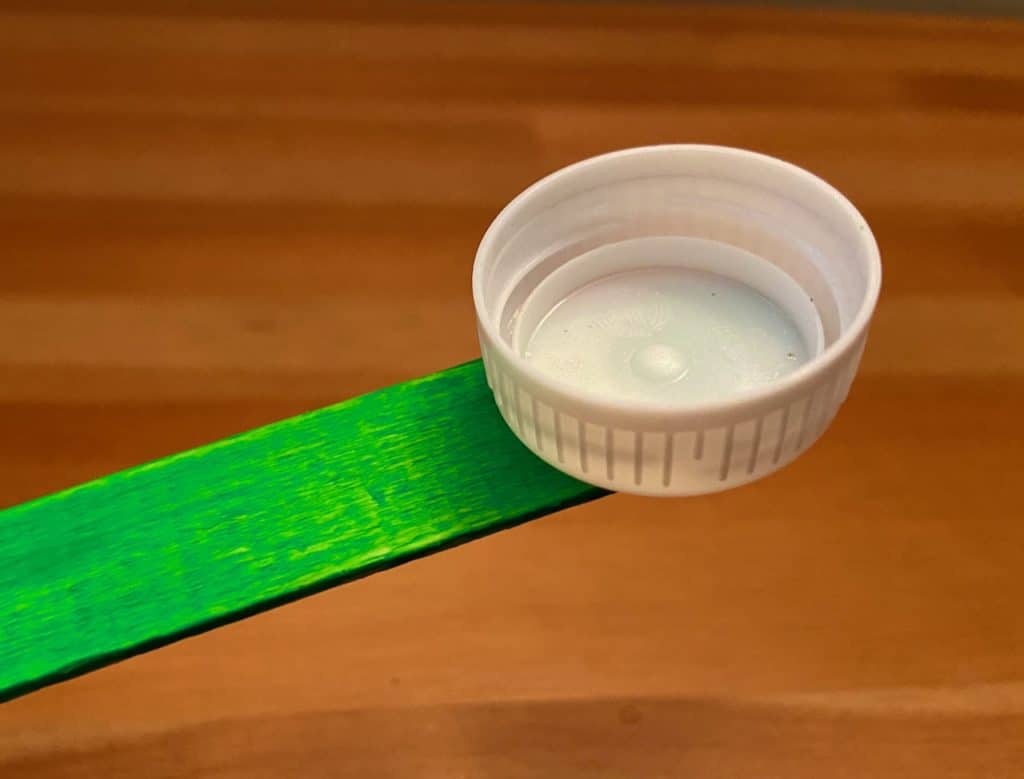
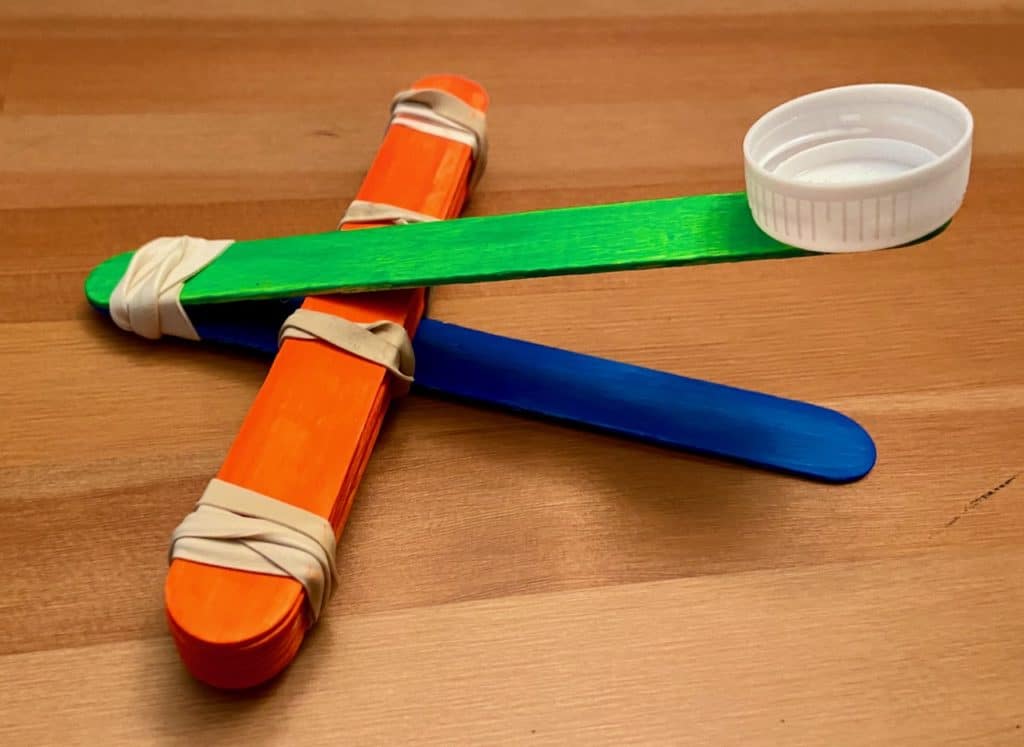
- Glue plastic bottle cap on the end of a craft stick facing up like a cup. Place aside to let dry. This will be the launching stick.
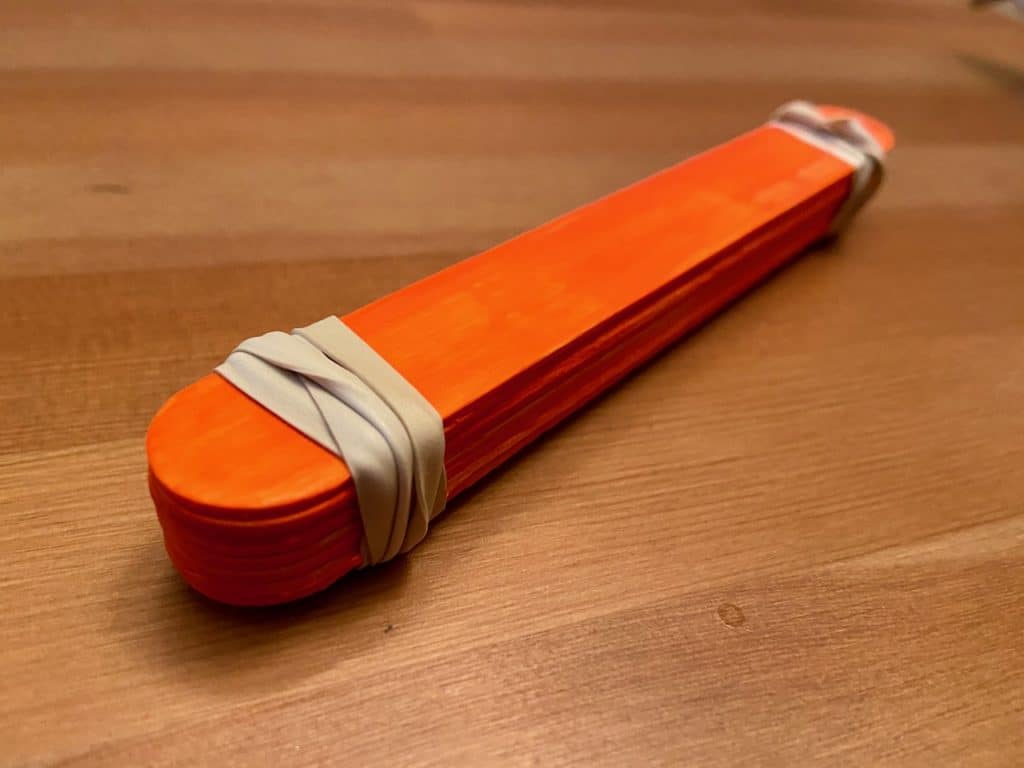
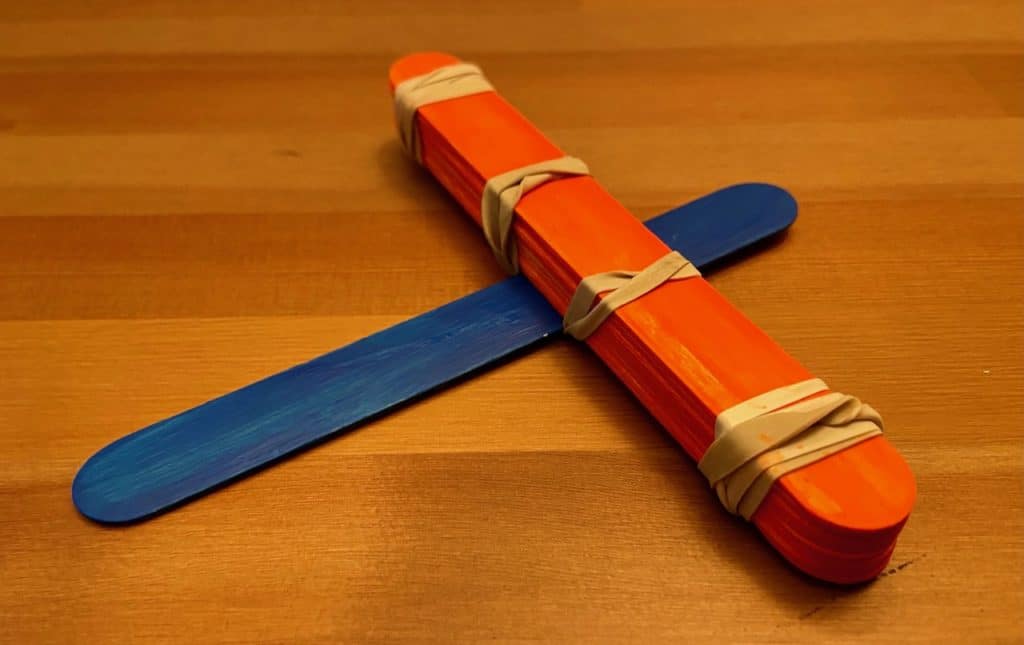
- Stack 8 craft sticks together. Wrap both ends of the stack with rubber bands to secure them together.
- Place a single craft stick on the bottom of the main stack at a perpendicular angle. Secure this cross shape with rubber bands wrapped in an X around the center.
- Attach your launching stick (bucket side up) on the other side of the stack, also perpendicular so that is lines up with the bottom stick. Attach the launching stick to the bottom stick using a rubber band. This will create a V-shape.
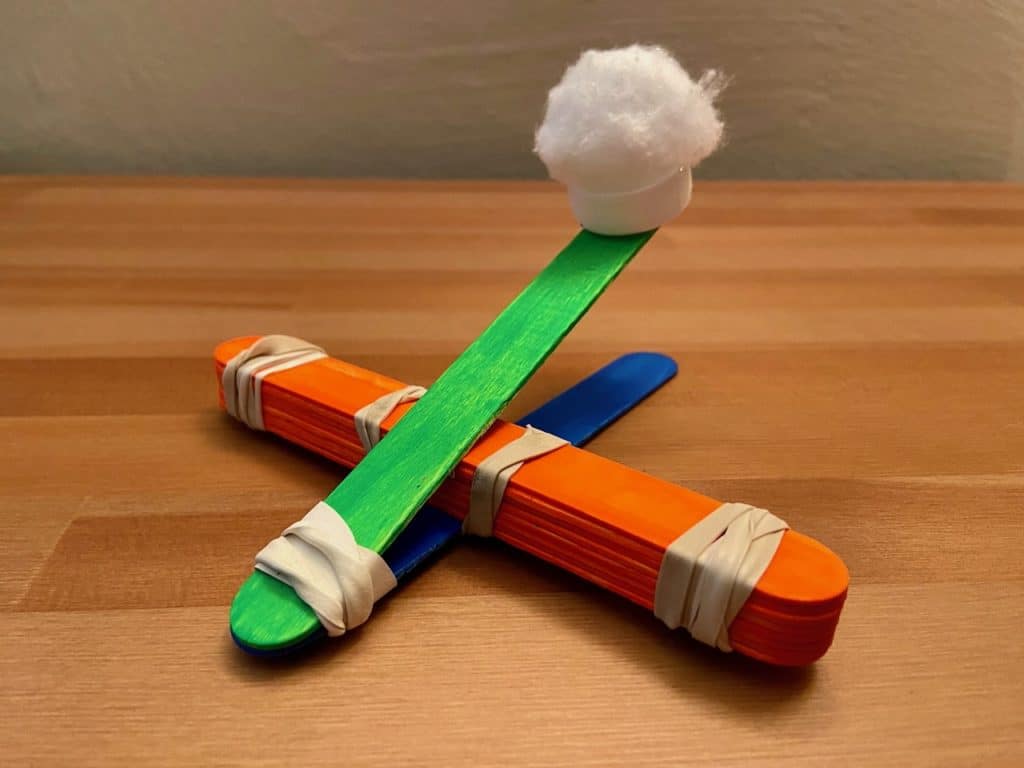
- Put your catapult on a flat area in an open space and place a cotton ball in the cup on the launching stick.
- Push the cup down a little bit and let go. Try changing up the how far you push the cup down before launching.
Observe:
Does your ball fly higher or lower when you push down a lot compared with when you push down a little? Does it land farther or nearer? Did the flight path change? What else do you observe?
Jane Thaler is a Gallery Experience Presenter in CMNH’s Life Long Learning Department. Museum staff, volunteers, and interns are encouraged to blog about their unique experiences and knowledge gained from working at the museum.
Sponsors