• Skip to primary navigation
  • Skip to main content
  • Skip to primary sidebar

Carnegie Museum of Natural History

One of the Four Carnegie Museums of Pittsburgh

  • Visit
    • Buy Tickets
    • Visitor Information
    • Exhibitions
    • Events
    • Dining at the Museum
    • Celebrate at the Museum
    • Powdermill Nature Reserve
    • Event Venue Rental
  • Learn
    • Field Trips
    • Educator Information
    • Programs at the Museum
    • Bring the Museum to You
    • Guided Programs FAQ
    • Programs Online
    • Climate and Rural Systems Partnership
  • Research
    • Scientific Sections
    • Science Stories
    • Science Videos
    • Senior Science & Research Staff
    • Museum Library
    • Science Seminars
    • Scientific Publications
    • Specimen and Artifact Identification
  • About
    • Mission & Commitments
    • Directors Team
    • Museum History
  • Tickets
  • Give
  • Shop

bees

May 9, 2019 by wpengine

Honey Bees Hunt Bargains, Bumble Bees Go Gourmet

It is rewarding to receive questions and reports from people who turn to the staff at Powdermill Nature Reserve for information on nature in our area. Usually, we have a pretty good idea of what people are asking about, but once in a while visitors ask about something completely new to us. Last year, a visitor asked why he saw honey bees on his bird feeder in great numbers. The feeder was only stocked with bird seed. What were the bees doing?  We had no explanation. Recently, in the February 2019 issue of NY Conservationist, we read the answer. Mr. Gary Ennis provided a photo of the same phenomenon, and had the same question. According to beekeeper Bob Henke, during shipping and handling the seeds rub against each other and produce a fine powder similar to pollen, and the honey bees collect it as if it were pollen.
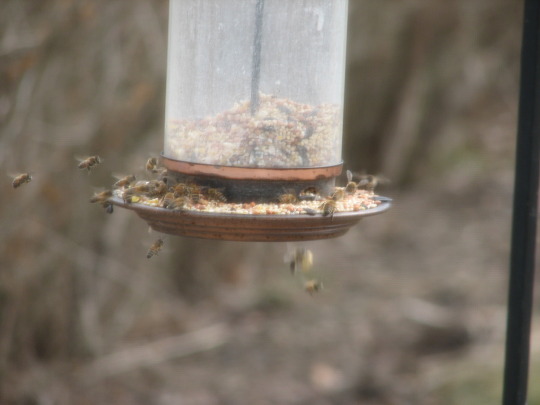
bees at a bird feeder
Photo credit: Gary Ennis.

But, why don’t we see other bees doing this?  Why are there no bumble bees on the feeder?  Bumble bees and other native bees sample the world one scout at a time, each bee making her own decisions. Researchers at Penn State showed that bumble bees monitor the nutritional value of the pollen they take, trying to keep an appropriate balance of protein versus lipids (fats, oils, and waxes.) If a certain plant produces pollen that has little lipid, then the bumble bee will favor pollen that is richer in lipids on future trips. This effort to balance their diet means that they specifically vary the pollen they harvest. It is as if they go to the grocery store and take a few items from the vegetable section, and a few from the dairy section, and a few from the bakery, creating a balanced plate on a daily basis.

On the other hand, honey bees are well-known for their ability to recruit to a good food source, and marshal large numbers of workers to harvest nectar or pollen. If an experienced scout finds a tree in bloom, she will recruit her sisters to that tree. They will go to that site directly without sampling other flowers on the way, and then return for another load, and another, and another.  This form of shopping is more like discovering that the grocery has potatoes on sale, and then buying 100 pounds of potatoes. Of course, a different scout will find a different resource, and she will recruit workers to harvest that in great numbers. As the weeks go by, the bees collect many different kinds of pollen, providing a broad selection for the nurse bees to feed the larvae. If we collect the separate loads of pollen from each returning bee: we see that each bee collected only one kind of pollen (all the same color), but different bees collected different pollen (many colors among the separate loads.)
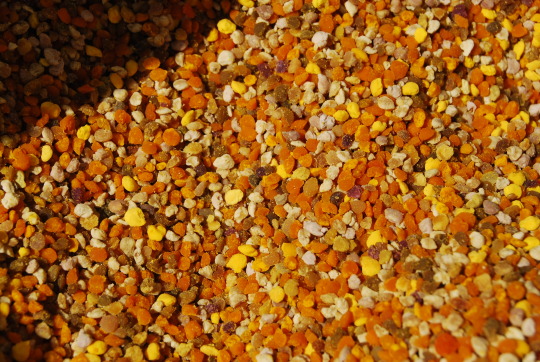
pollen
Photo Credit: Jodi Gertz

Aside from the importance of recruiting, the scout honey bees also make some effort to balance their diet, particularly regarding the important fatty acids, omega-3 and omega-6. Work by Hebrew University in Jerusalem has shown that if these nutrients are not eaten in an appropriate ratio, the bees learn poorly and do not remember what they learn. For example, bees with adequate omega-3 in their diets are much better at learning to associate an odor with a food reward compared to bees with no omega-3. Further, the bees with good nutrition remember what they learned the next day, whereas those with a poor diet forget. We are only just appreciating what this means for bee pollination of large monoculture crops. When the 1.2 million acres of almonds are in bloom in California, about 3 million commercial bee hives are there to pollinate them for several weeks. During this time, almond pollen is all the bees will get. Almond pollen has almost no omega-3 fatty acids. When these poor bees are moved to other sites, how long will it take them to learn what flowers are good, and will they remember?
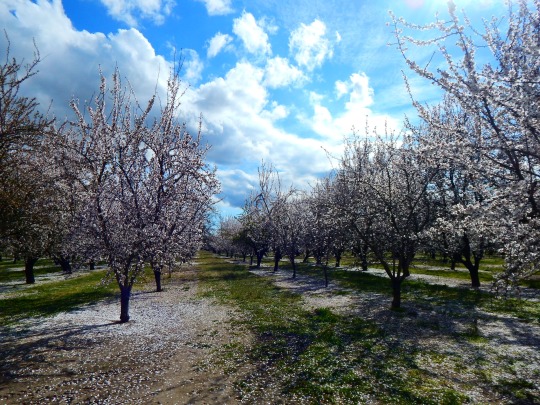
almond orchard in bloom

Thanks to NY Conservationist for allowing us to reprint the photo and retell the bird feeder story.

John Wenzel is the Director at Powdermill Nature Reserve, Carnegie Museum of Natural History’s environmental research center. Museum employees are encouraged to blog about their unique experiences and knowledge gained from working at the museum.
Filed Under: Blog Tagged With: Anthropocene, bees, John Wenzel, Powdermill Nature Reserve

October 29, 2018 by wpengine

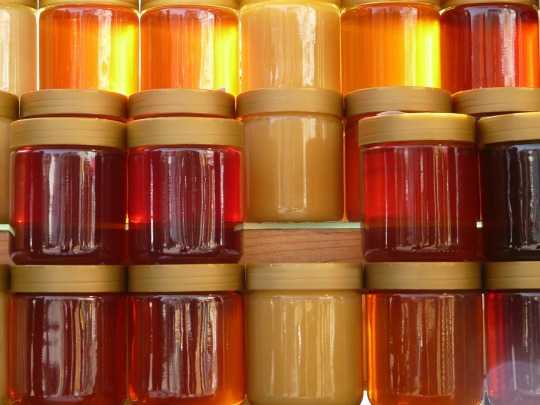
A Rainbow of Honeys

a rainbow of honeys in jars

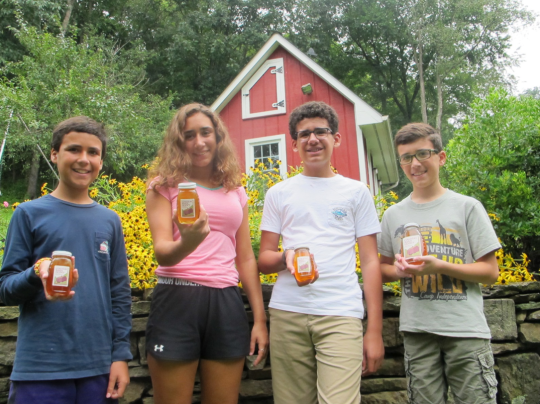
If you like to eat honey with breakfast, dessert, or tea, you can probably picture its bright color. You may think that all honey is the same but there are actually over 300 types of honey available in the United States with a wide range of colors.  To learn more about what makes up the color, we talked to Annabella (age 14), Joseph (age 13), Luca (age 11), and Nico (age 9) Zgurzynski, who help with their family’s honey business, Country Barn Farm, in Glenshaw, PA.

It’s all about the flowers.

The biggest influence on honey color is the type of flower the bee visits to collect nectar. Each plant’s nectar has different minerals and molecules that change the color of the honey it produces. For the Zygurzynski bees, flower trees including black locust, tulip poplar, and basswood make summer honey with a light golden color.  In the fall, dark brown honey comes from knotweed and goldenrod nectar. Big companies often blend different batches of honey together to get the amber color that people are used to.  At Country Barn Farm, the beekeepers are proud of the subtle color variations from each hive, and label their bottles to show it.

Your taste buds will notice, too.

With the difference in color also comes a difference in taste. Lighter honeys are most common in grocery stores, but if you only eat from the light end of the spectrum, you’re missing out. Darker honeys have a strong flavor, like molasses.  Nico, Joseph, and Annabella prefer the floral taste of clover honey.  Luca says fall honey is the best.

four kids holding jars of honey

Where is your honey from?

If you have honey at home, check the label to see where it was made. If the beekeepers can prove that 85% of the nectar came from a single flower source, that flower might be on the label too.  Can you find more than one kind of honey to sample? Close your eyes and see if you can taste the difference!

Did you know?

In 2012, a group of bees in France started producing honey in strange colors like blue and green. It turned out that instead of nectar, they were eating the waste from a Mars candy factory, the producer of M&M candies!


Explore nature together.  Visit Nature 360 for more activities and information.

Filed Under: Blog Tagged With: bees, Nature 360

August 22, 2016 by wpengine

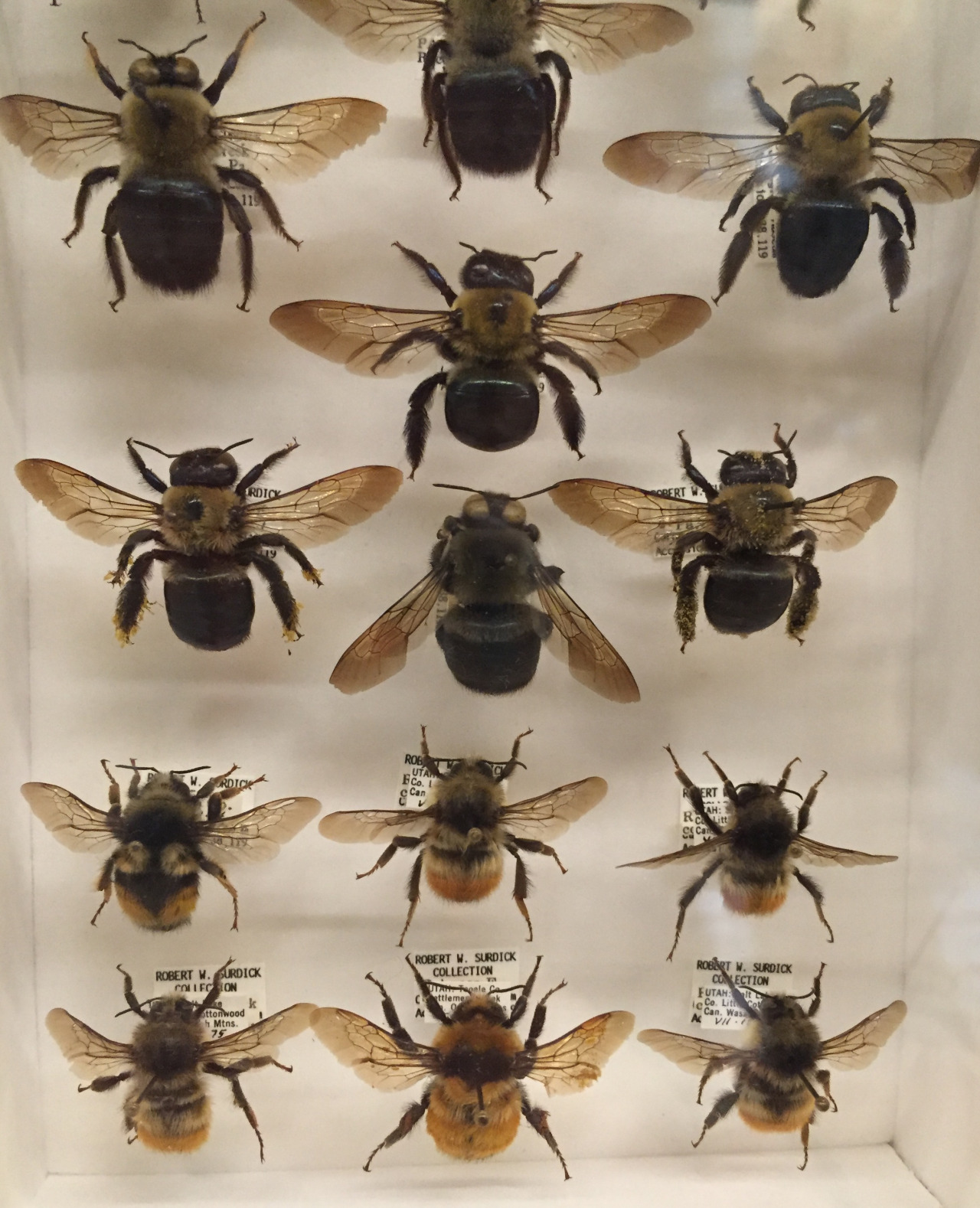
These specimens on display at Carnegie Museum of Natural History

display of bumblebees

These specimens on display at Carnegie Museum of Natural History in Pittsburgh were not collected by museum scientists.

Local insect entusiasts Robert and Tressa Surdick who lived in Bethel Park, a suburb of Pittsburgh, spent their lives collecting insects from all over Western Pennsylvania. Bob visited the museum as a teen to examine the entomology collections.

When Bob passed away in 2012, he donated his collection of more than 100,000 beautifully prepared insects, including the bumblebees shown above.

A portion of his collection is now displayed near the landing of the Grand Staircase, where it catches the attention of young bug lovers each day.

Filed Under: Blog Tagged With: bees, bugs, insects, Pittsburgh

sidebar

About

  • Mission & Commitments
  • Directors Team
  • Museum History

Get Involved

  • Volunteer
  • Membership
  • Carnegie Discoverers
  • Donate
  • Employment
  • Events

Bring a Group

  • Groups of 10 or More
  • Birthday Parties at the Museum
  • Field Trips

Powdermill

  • Powdermill Nature Reserve
  • Powdermill Field Trips
  • Powdermill Staff
  • Research at Powdermill

More Information

  • Image Permission Requests
  • Science Stories
  • Accessibility
  • Shopping Cart
  • Contact
  • Visitor Policies
One of the Four Carnegie Museums | © Carnegie Institute | Privacy Policy | Terms of Use | Accessibility
Rad works here logo