• Skip to primary navigation
  • Skip to main content
  • Skip to primary sidebar

Carnegie Museum of Natural History

One of the Four Carnegie Museums of Pittsburgh

  • Visit
    • Buy Tickets
    • Visitor Information
    • Exhibitions
    • Events
    • Dining at the Museum
    • Celebrate at the Museum
    • Powdermill Nature Reserve
    • Event Venue Rental
  • Learn
    • Field Trips
    • Educator Information
    • Programs at the Museum
    • Bring the Museum to You
    • Guided Programs FAQ
    • Programs Online
    • Climate and Rural Systems Partnership
  • Research
    • Scientific Sections
    • Science Stories
    • Science Videos
    • Senior Science & Research Staff
    • Museum Library
    • Science Seminars
    • Scientific Publications
    • Specimen and Artifact Identification
  • About
    • Mission & Commitments
    • Directors Team
    • Museum History
  • Tickets
  • Give
  • Shop

climate change

October 12, 2016 by wpengine

CUSP Exhibits on display at Pitt

mom and child using an educational kit
Participants engage in an activity at CUSP, coordinated locally by Carnegie Museum of Natural History.

by Laurie Giarratani

How will you use science, technology, and community to improve lives and shape the future?  Join the Climate and Urban Systems Partnership (CUSP), along with innovators from across the country, to test ideas with hands-on experiments and demonstrations in the exhibit hall of the White House Frontiers conference – open to the public from 10 a.m. – 11 a.m. on Thursday, October 13 at Alumni Hall at the University of Pittsburgh.

CUSP is a national project, funded by the National Science Foundation, coordinated locally by Carnegie Museum of Natural History, that aims at changing climate conversations in urban settings. More info about CUSP at http://www.cuspproject.org.

Climate and Urban Systems Partnership (CUSP)

Laurie Giarratani is the Director of Education at Carnegie Museum of Natural History.
Filed Under: Blog Tagged With: climate change, museums, Pittsburgh

March 15, 2016 by wpengine

A New Way to Study Climate Change

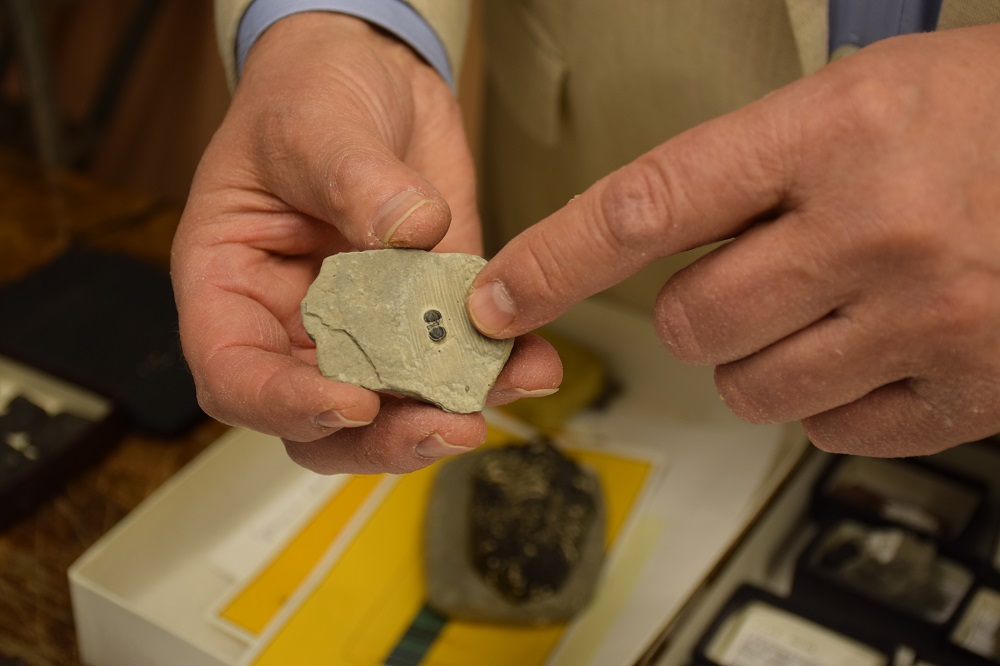
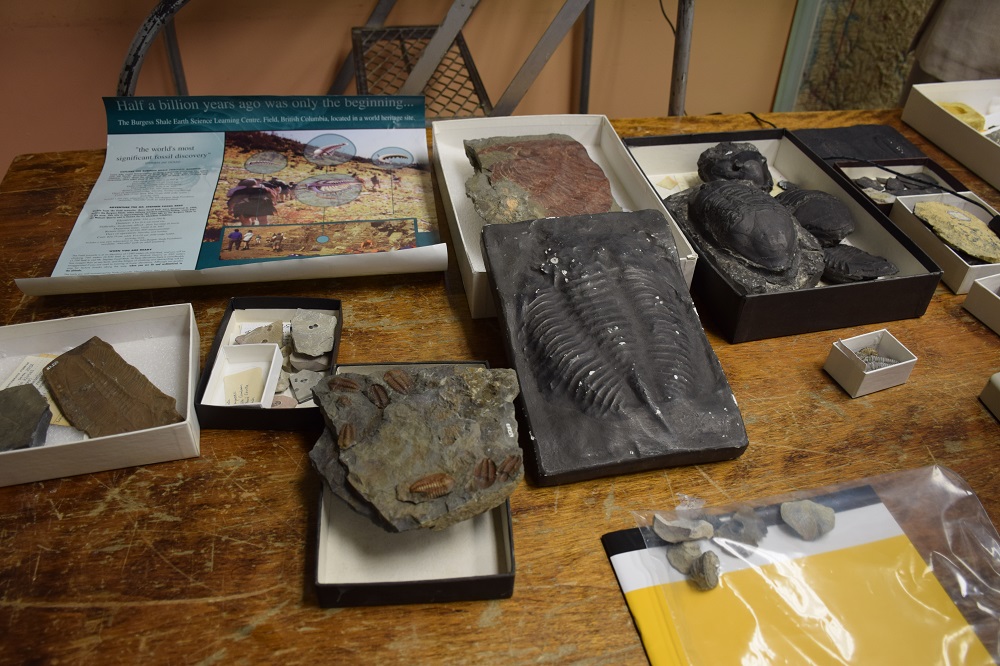
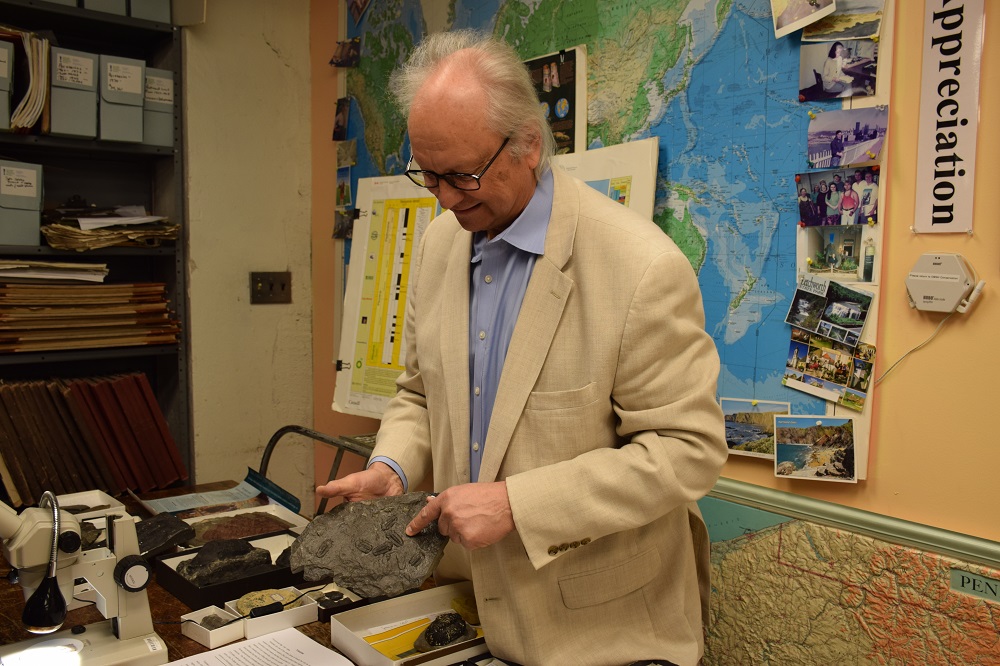
fossils from Invertebrate Paleontology fossils from Invertebrate Paleontology fossils from Invertebrate Paleontology

Students from Shady Side Academy Middle School studied our extensive fossil collection last week to learn about theories of climate, extinction, and evolution.

Albert Kollar, Section of Invertebrate Paleontology, used fossils from different periods of the Paleozoic era to show how trilobites changed and evolved over millions of years.

“Trilobites are popular with kids of any age and belong to a group of animals called arthropods
that include horseshoe crabs and insects,” said Mr. Kollar

The trilobites that the students touched and held come from the ancient rocks found today in the Czech Republic, France, Sweden, British Columbia, Missouri, New Mexico, New York, Utah, and Pennsylvania- the home of the 390 million year old state fossil of Pennsylvania.

Arriving at the Section of Invertebrate Paleontology lab, the students received a fossil coloring book to teach them about rocks and fossils in the Pittsburgh area. The class then split into smaller groups, each getting their own try at identifying rocks and fossils from Pennsylvania or making molds of different fossils from the collection with Plaster of Paris.

Filed Under: Blog Tagged With: Albert Kollar, climate change, fossils, invertebrate paleontology

  • « Go to Previous Page
  • Page 1
  • Interim pages omitted …
  • Page 3
  • Page 4
  • Page 5

sidebar

About

  • Mission & Commitments
  • Directors Team
  • Museum History

Get Involved

  • Volunteer
  • Membership
  • Carnegie Discoverers
  • Donate
  • Employment
  • Events

Bring a Group

  • Groups of 10 or More
  • Birthday Parties at the Museum
  • Field Trips

Powdermill

  • Powdermill Nature Reserve
  • Powdermill Field Trips
  • Powdermill Staff
  • Research at Powdermill

More Information

  • Image Permission Requests
  • Science Stories
  • Accessibility
  • Shopping Cart
  • Contact
  • Visitor Policies
One of the Four Carnegie Museums | © Carnegie Institute | Privacy Policy | Terms of Use | Accessibility
Rad works here logo