• Skip to primary navigation
  • Skip to main content
  • Skip to primary sidebar

Carnegie Museum of Natural History

One of the Four Carnegie Museums of Pittsburgh

  • Visit
    • Buy Tickets
    • Visitor Information
    • Exhibitions
    • Events
    • Dining at the Museum
    • Celebrate at the Museum
    • Powdermill Nature Reserve
    • Event Venue Rental
  • Learn
    • Field Trips
    • Educator Information
    • Programs at the Museum
    • Bring the Museum to You
    • Guided Programs FAQ
    • Programs Online
    • Climate and Rural Systems Partnership
  • Research
    • Scientific Sections
    • Science Stories
    • Science Videos
    • Senior Science & Research Staff
    • Museum Library
    • Science Seminars
    • Scientific Publications
    • Specimen and Artifact Identification
  • About
    • Mission & Commitments
    • Directors Team
    • Museum History
  • Tickets
  • Give
  • Shop

We Are Nature: Living in the Anthropocene

March 1, 2018 by wpengine

We Are Nature: Thoughts and Feelings of Visitors

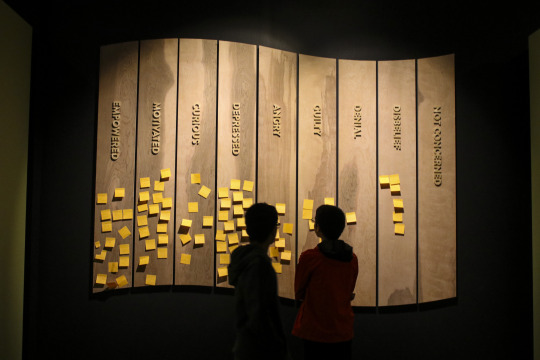
visitors looking at a wall of sticky notes

In Carnegie Museum of Natural History’s We Are Nature exhibit, we are asking visitors to share their immediate thoughts after walking through the installation. As pictured above, many have been left with mixed emotions. The exhibit itself serves as a starting point in the discussion of sustainability, conservation, restoration, and climate change. The museum recognizes the diversity that comes along with this issue in discussing environmental understanding and is curious to see what visitors have to say.

The option of leaving comments behind has created a visual representation of where our visitor’s opinions lie. Post-it notes are being used and placed into one or more categories by attendees based on feelings ranging from empowerment to disbelief. We’ve received numerous responses in almost all categories, but have selected those that foster a productive dialogue. Here are just a few of our favorites thus far.


This blog series highlights anonymous responses from the We Are Nature exhibit on display at Carnegie Museum of Natural History that explains and explores the topic of the Anthropocene. Each blog features Post-it notes left by museum visitors. Readers may find thought-provoking insights, inspirational words, or easy conversation starters for their next discussion. All Post-it notes will be recycled at the close of the exhibit.

Filed Under: Blog Tagged With: We Are Nature, We Are Nature: Living in the Anthropocene

March 1, 2018 by wpengine

Allie Frownfelter, Bottle Thread

woman modeling sustainable clothing

In May 2017, Allie Frownfelter launched Bottle Thread, a sustainability company in Pittsburgh that designs and sells clothing made from recycled plastic. She loves Pittsburgh and wants to give back to a city that is solving its own environmental problems. Inspired by her own mother’s kitchen and bath remodeling company while leaving
in Reading, Penn., she saw first-hand what it meant to provide a high quality service to customers.

“When I was ten my mom renovated a house and sold it for a profit,” says Frownfelter. “My brothers and I would be alongside her helping lay tile, replace cabinets, and update the electric. Learning all that at such a young age let me know that creating a business wasn’t as scary as it needed to be.”

Frownfelter would eventually go to college and settled into Chatham University as a sustainability major. In her last year, she created a business plan for Bottle Thread and researched ways to raise capital. She graduated in 2017 and set out to make a difference in a world overrun with plastic waste.

“I found a problem, I wanted a solution for it, and the company came from there,” says Frownfelter. “I’m just one of the first to make an essential point of using sustainable materials.”

According to a recent National Geographic report, the world amassed 6.3 million metric tons of plastic waste and only 9% was recycled. This leaves an environmental question of what to do with the remaining waste that is left in landfills or finding their way into the oceans.

Bottle Thread has three basic clothing designs: a tailored button down shirt for women and men and a dress. The pieces are wrinkle free and moisture wicking. The shirts are made from up to 50 plastic bottles and does not require ironing.

“I just wanted to make the best possible button up top for women. With 10 cents more per unit, I was able to move into different types of fabric. It was everything I was looking into for a fabric but it’s a lot more sustainable.”

Frownfelter is proud to have her clothing line made in America. The fabric and shirts are produced by California-based companies that offer ethical wages to their employees. That is key to Bottle Thread’s business ethos which requires all levels of business to be ethical, equitable, and sustainable.

She says, “The three pillars of sustainability are economics, environment, and ethics. So we have to ask ourselves, ‘Is it affordable? How does it affect the planet? And, who’s making it and how do we treat them?’”

So, how does plastic become a textile? Once plastic bottles find their way to a recycling facility, they get melted down into small pellets and stretched into fibers. According to Frownfelter, it is a form of polyester and the fibers get pulled into threads and used to make materials like canvas and athletic performance attire.

The fashion industry is taking note of sustainable fashion and making efforts to use data to support business decisions such as product design and supply chain. Using a Life Cycle Assessment, designers like Frownfelter can lessen the impact of the production of their product on the environment.  With these unique challenges and advantages, consumers must be educated about their clothing options and how it’s related to the environment. For now, she sees her business model as more than just a recycling effort but a lifestyle change.

“I’m just about making the best quality product for the environment,” she says. “Sustainability is about scalability.”

Bottle Thread is currently in the production phase and expect their first shipment of products for sale the beginning of March.  Frownfelter is primarily focused on fulfilling orders, reordering, and promoting the idea of sustainable fashions. Over the next month, Bottle Thread will be in several photo shoots and building their social media strategy.

Bottle Thread will be a part of a sustainable fashion show at Chatham University on March 22 in the Mellon Boardroom. For more information, contact Allie Frownfelter at A.Frownfelter@chatham.edu.

________________________________________________________________

In the spirit of recognizing all we are already doing in Pittsburgh, we have started a new blog series to compliment We Are Nature: Living in the Anthropocene, the exhibition about the complex relationship between humans and nature currently on display at Carnegie Museum of Natural History. We are featuring Pittsburghers who are committed to improving the environment in which we live. Each blog features a new individual and shares some of the ways in which they are helping issues of sustainability, conservation, restoration, climate change, or helping Pittsburgh to be an even more beautiful place to live.

Filed Under: Blog Tagged With: plastics, We Are Nature, We Are Nature: Living in the Anthropocene

February 28, 2018 by wpengine

Pittsburghers Inspire a New Museum Blog Series

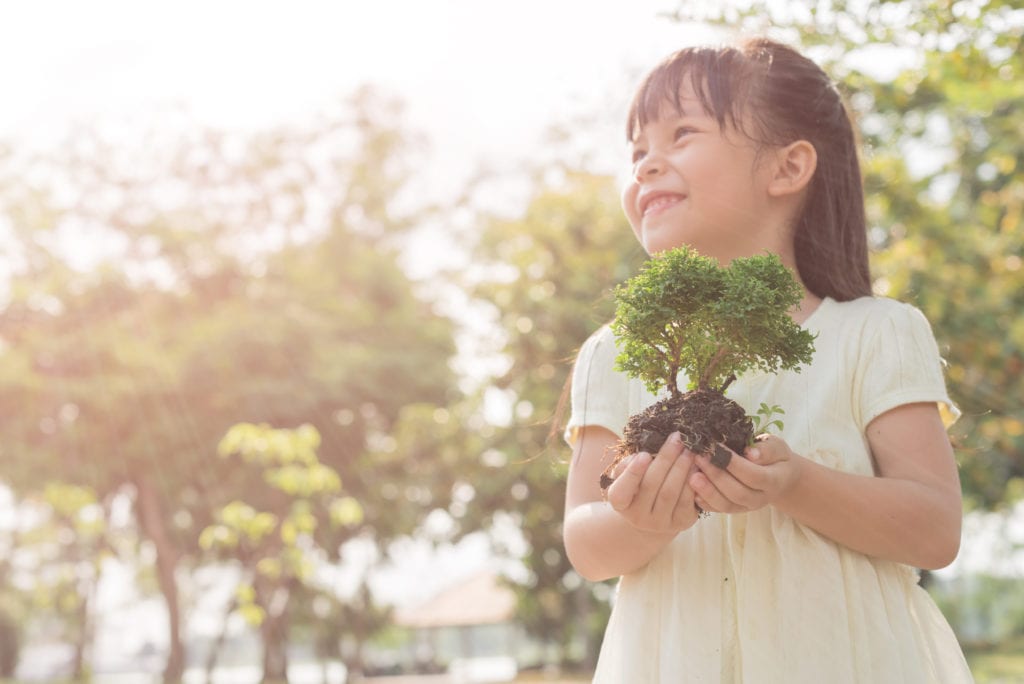
girl holding a seedling tree

We recently launched a new exhibition at the museum entitled We Are Nature: Living in the Anthropocene. And just in case you haven’t heard of the term Anthropocene yet, it can be defined as the current geological era in which humans are making a profound impact on the geological strata. The term is actually being debated by geologists, but we have decided to embrace it as both a social and cultural tool for exploring the effect humans are having on the planet.

We are Nature was created completely in-house by our exhibitions team. Research conducted by our museum scientists and specimens from our own hidden collections are featured in this highly interactive exhibition.

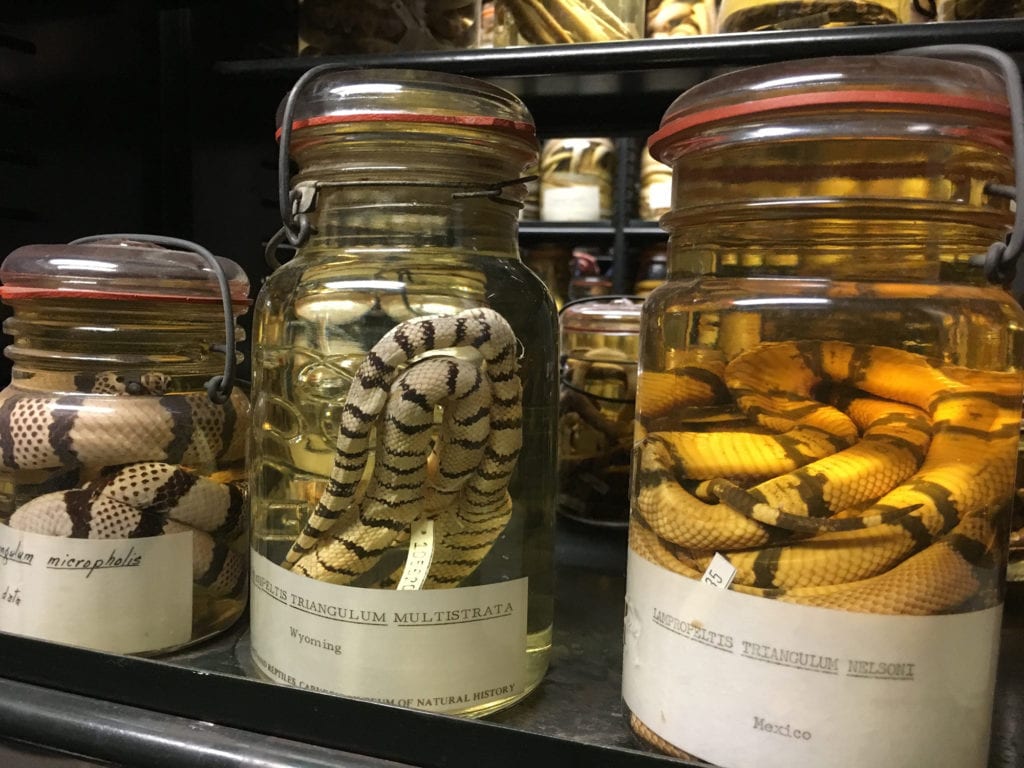
snakes in jars

Our new exhibition takes an unflinching look at the interconnectedness between humans and nature–the bad, the ugly and the good. As visitors walk through it, they learn, feel moved, get stirred up, and in the end, by and large, feel motivated. It ends by connecting visitors to great things that are already happening locally and helps to plug them into a bigger network of people who are collectively making an impact.

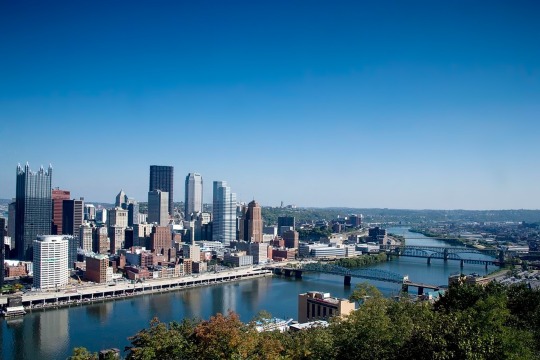
City of Pittsburgh skyline

In the spirit of recognizing all we are already doing in Pittsburgh, we have started a new blog series to compliment the exhibition. We are featuring Pittsburghers who are committed to improving the environment in which we live. Each blog features a new individual and shares some of the ways in which they are helping issues of sustainability, conservation, restoration, climate change, or helping Pittsburgh to be an even more beautiful place to live.

Filed Under: Blog Tagged With: Anthropocene, We Are Nature, We Are Nature: Living in the Anthropocene

January 22, 2018 by wpengine

What’s a Nurdle?

by Rachael Carlberg

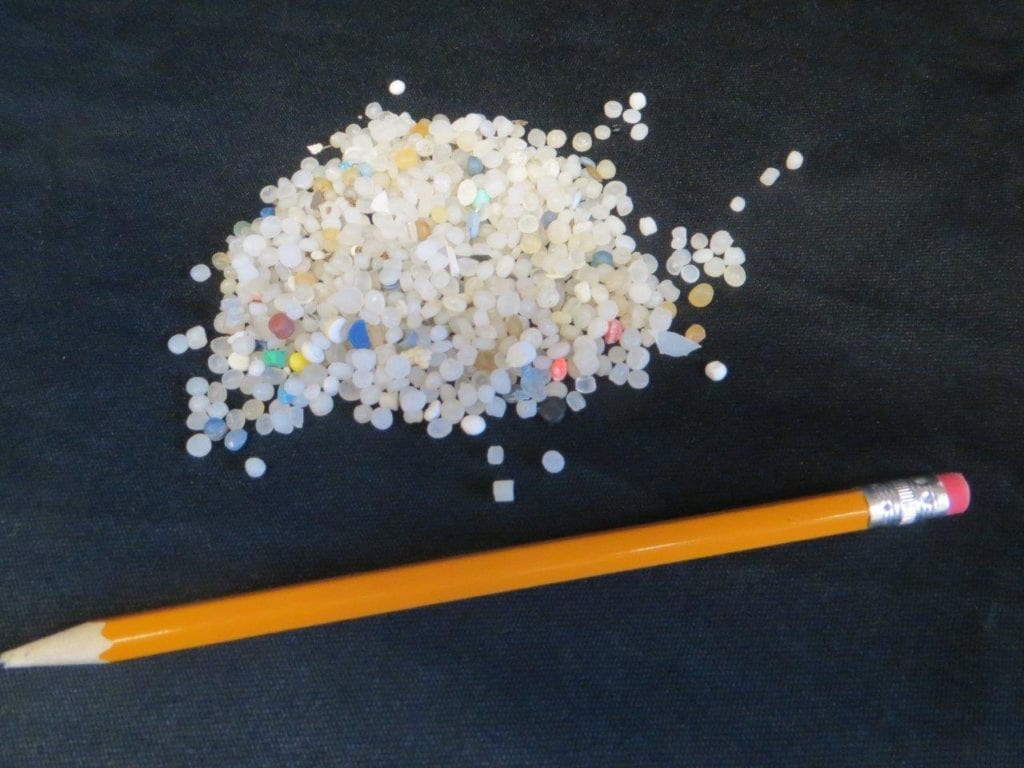
small plastic balls about the size of a pencil eraser
Example of nurdles

Nurdle is a silly word for a product with not-so-silly effects. Nurdles are small pellets that are the first step in the process of making any plastic thing.  Your plastic containers, bags, and bottles were all once nurdles.

Every nurdle is created to be melted down and turned into a product used by humans.  But, that often isn’t the case. Through leaks, spills, and other storage or transportation errors, nurdles end up in the environment, eventually making their way to the ocean.

So, what’s the big deal?  Little plastic pellets can’t really cause any harm, right?

Wrong. Once in the ocean, nurdles can cause a myriad of issues.  For one, many pollutants are attracted to the surface of nurdles, causing higher rates of toxicity in the water around them. Nurdles also are eaten by many organisms mistaking them for plankton or other food.  Once in the ocean, nurdles don’t go away.  Over time, they will break up into smaller and smaller particles, but will always be out in the environment unless removed by humans.

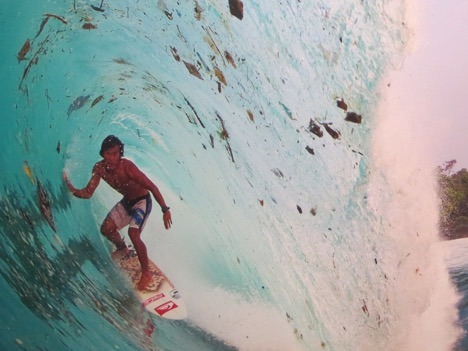
man surfing in a wave full of trash
(Plastic pieces are among the debris depicted in this photo mural in We Are Nature: Living in the Anthropocene.)

The good news is people can do something about the problem.  Reusing plastic containers or switching to alternatives (for example, using a refillable water bottle instead of disposable ones) reduces the need for new plastic products to be made.  If you live near a body of water where nurdles or any plastic waste are present, you can join in on cleanup efforts or start your own cleanup of the area.

Rachael Carlberg is an intern in the Education department of Carnegie Museum of Natural History. Museum employees are encouraged to blog about their unique experiences of working at the museum.

Filed Under: Blog Tagged With: pollution, Rachael Carlberg, We Are Nature, We Are Nature: Living in the Anthropocene

January 19, 2018 by wpengine

Notice any differences?

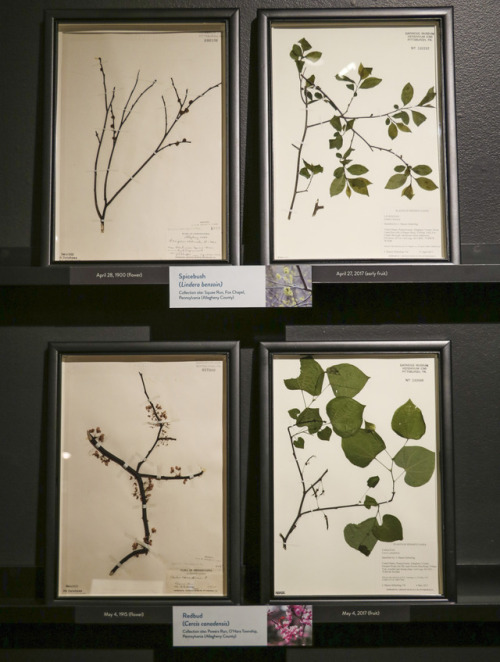
four herbarium specimens displayed in We Are Nature

Notice any differences between these two sets of botany sheets?

These specimens of spicebush and redbud from the museum’s herbarium were collected on the same day, exactly 100 years apart.

Changing seasonal patterns, thought to be caused by climate change, are causing plants to bloom and flower increasingly earlier in the year. Historical museum collections are helping researchers who are documenting environmental changes caused by humans in the Anthropocene.


The Anthropocene is the current geological era in which humans are making a profound impact on the geological strata. While the term itself is still being debated by geologists, the museum is embracing it as a social and cultural tool for exploring the broad sum effect humans are having on the planet in the exhibition We Are Nature: Living in the Anthropocene—open now through summer 2018.

Filed Under: Blog Tagged With: climate change, We Are Nature, We Are Nature: Living in the Anthropocene

January 11, 2018 by wpengine

Humans and Nature: The Pizzly

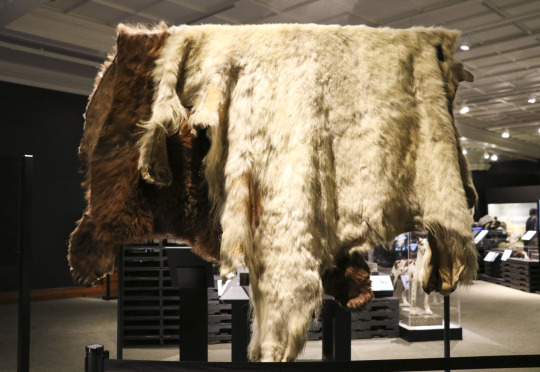
bear pelt displayed in We Are Nature

When you think of climate change, the image that might come to mind is a distressed polar bear perched on a tiny piece of ice in a warming ocean. In fact, a Google image search for “global warming” will show a handful of those exact images.

However moving the image, it doesn’t tell the full story of how climate change is affecting this particular species. As arctic ice shrinks, polar bears have been migrating inland into new territories to hunt. Warmer temperatures are also driving grizzlies north into the same territories, which has let to interbreeding and a new hybrid type of bear—the pizzly.

Pelts and skulls of both types of bears and the story of the impact climate change is having on them is on display in We Are Nature: Living in the Anthropocene, a new exhibition at Carnegie Museum of Natural History that explores the interconnectedness of humanity and nature in the Anthropocene.


The Anthropocene is the current geological era in which humans are making a profound impact on the geological strata. While the term itself is still being debated by geologists, the museum is embracing it as a social and cultural tool for exploring the broad sum effect humans are having on the planet in the exhibition We Are Nature: Living in the Anthropocene—open now through summer 2018.

Filed Under: Blog Tagged With: extinction, We Are Nature, We Are Nature: Living in the Anthropocene

  • « Go to Previous Page
  • Page 1
  • Page 2
  • Page 3
  • Page 4
  • Page 5
  • Page 6
  • Page 7
  • Go to Next Page »

sidebar

About

  • Mission & Commitments
  • Directors Team
  • Museum History

Get Involved

  • Volunteer
  • Membership
  • Carnegie Discoverers
  • Donate
  • Employment
  • Events

Bring a Group

  • Groups of 10 or More
  • Birthday Parties at the Museum
  • Field Trips

Powdermill

  • Powdermill Nature Reserve
  • Powdermill Field Trips
  • Powdermill Staff
  • Research at Powdermill

More Information

  • Image Permission Requests
  • Science Stories
  • Accessibility
  • Shopping Cart
  • Contact
  • Visitor Policies
One of the Four Carnegie Museums | © Carnegie Institute | Privacy Policy | Terms of Use | Accessibility
Rad works here logo