• Skip to primary navigation
  • Skip to main content
  • Skip to primary sidebar

Carnegie Museum of Natural History

One of the Four Carnegie Museums of Pittsburgh

  • Visit
    • Buy Tickets
    • Visitor Information
    • Exhibitions
    • Events
    • Dining at the Museum
    • Celebrate at the Museum
    • Powdermill Nature Reserve
    • Event Venue Rental
  • Learn
    • Field Trips
    • Educator Information
    • Programs at the Museum
    • Bring the Museum to You
    • Guided Programs FAQ
    • Programs Online
    • Climate and Rural Systems Partnership
  • Research
    • Scientific Sections
    • Science Stories
    • Science Videos
    • Senior Science & Research Staff
    • Museum Library
    • Science Seminars
    • Scientific Publications
    • Specimen and Artifact Identification
  • About
    • Mission & Commitments
    • Directors Team
    • Museum History
  • Tickets
  • Give
  • Shop

western pennsylvania

January 1, 2018 by wpengine

Humans and Nature: River Otters

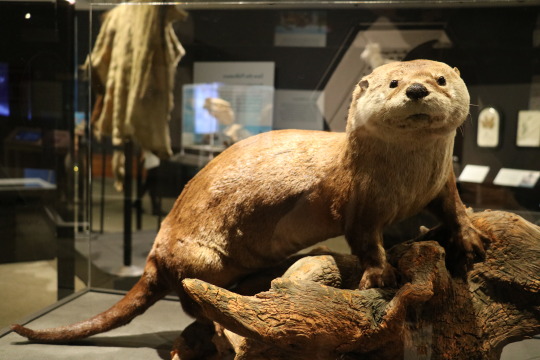
river otter specimen in We Are Nature

Usually, we hear about how human activity negatively impacts wildlife populations, but the inverse can also be true when conservationists make a concerted effort.

One local example is river otters in the state of Pennsylvania, which were in decline in the 20th century because of habitat destruction and river pollution. Conservationists recognized the problem and spent decades restoring their habitat and eventually reintroduced river otters in 1982. Their population have since thrived, and the project is heralded as one of the greatest success stories of modern conservancy.

Learn more about population rehabilitation in We Are Nature: Living in the Anthropocene, a new exhibition at Carnegie Museum of Natural History that explores the interconnectedness of humanity and nature in the Anthropocene.


The Anthropocene is the current geological era in which humans are making a profound impact on the geological strata. While the term itself is still being debated by geologists, the museum is embracing it as a social and cultural tool for exploring the broad sum effect humans are having on the planet in the exhibition We Are Nature: Living in the Anthropocene—open now through summer 2018.
Filed Under: Blog Tagged With: pollution, We Are Nature, We Are Nature: Living in the Anthropocene, western pennsylvania

November 17, 2017 by wpengine

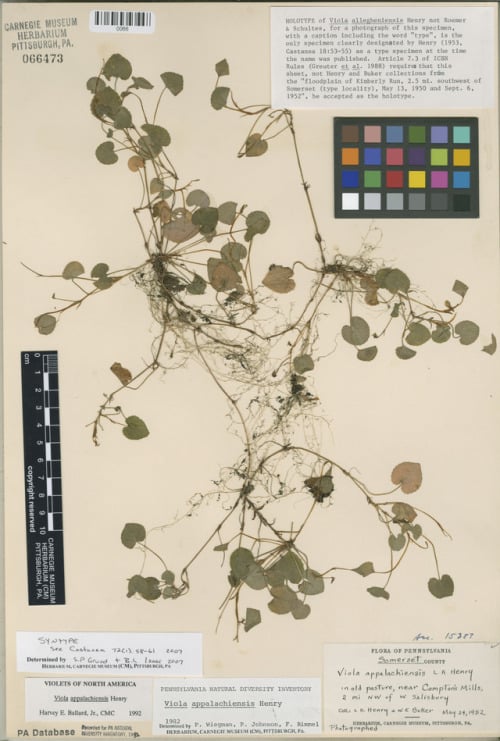
The botany sheet above is a syntype of Viola appalachiensis

herbarium specimen of Viola appalachiensis

The botany sheet above is a syntype of Viola appalachiensis, a Pennsylvania violet that was described by former Curator LeRoy K. Henry.

This year, Botanists returned to the site that this was collected in 1952 to recollect the same species.

Filed Under: Blog Tagged With: Botany, western pennsylvania

May 30, 2017 by wpengine

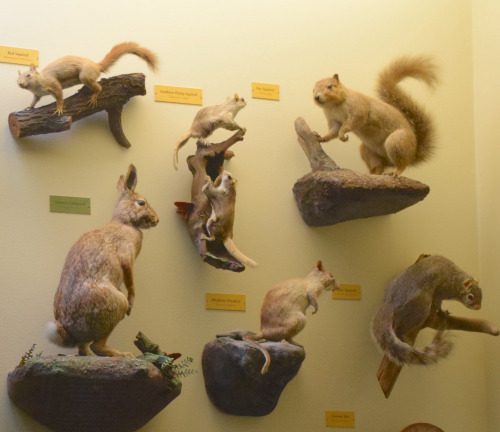
Mammals found in Pennsylvania

museum display of small mammals like rabbits and squirrels
This display shows mammals found in Pennsylvania. How many have you seen in your backyard?

Filed Under: Blog Tagged With: mammals, western pennsylvania

January 26, 2017 by wpengine

Allegheny River Ridge Wildlife

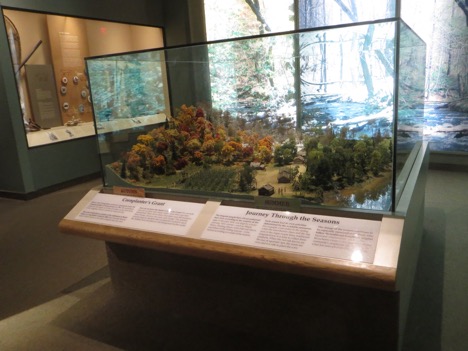
miniature reproduction of Cornplanter’s Grant

by Patrick McShea

Designers of museum exhibits, when they are successful, create interesting displays that convey important information and sustain multiple levels of interpretation. Occasionally, effective designs include the placement of some elements in locations certain to garner the attention of young museum visitors.

Within Alcoa Foundation Hall of American Indians, a highlight of the exhibition’s East quadrant is a detailed, miniature reproduction of Cornplanter’s Grant, a tract of Iroquois-owned land along the Allegheny River in northwestern Pennsylvania. The model landscape, which stretches from river edge to ridge crest, depicts activity on the tract in four distinct seasons of 1800.

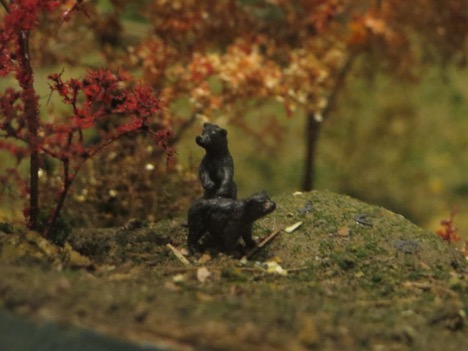
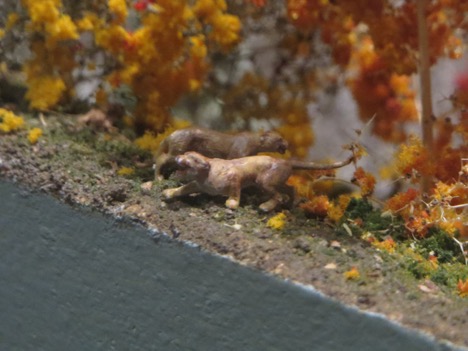
The seasonal contrasts serve as an unwritten invitation to circle the historic domain. During such movements, visitors whose eye level approaches the ridge crest encounter depictions of fingernail-sized wildlife beneath the blaze of autumn foliage.

miniature black bear statues
miniature wildlife statues

Patrick McShea works in the Education and Visitor Experience department of Carnegie Museum of Natural History. Museum employees are encouraged to blog about their unique experiences and knowledge gained from working at the museum.

Filed Under: Blog Tagged With: Alcoa Foundation Hall of American Indians, Native Americans, western pennsylvania

January 25, 2017 by wpengine

Monarchs

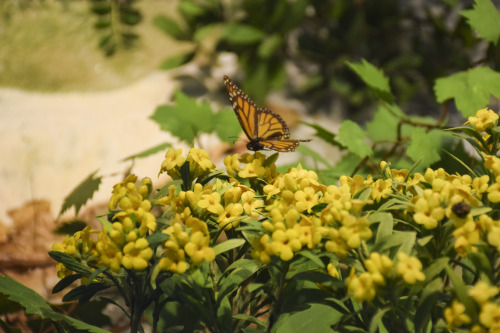
Monarch Butterfly

Monarchs migrate farther than any other butterflies in the world– up to 3,000 miles and back. Milkweed is an important food source, especially for monarch caterpillars. Many other native wildflowers also provide nectar for adults along their migration route. In this Botany Hall diorama of Presque Isle, a monarch visits the flowers of the hairy puccoon (Lithospermum caroliniense). Presque Isle is the only known existing site in Pennsylvania with this plant species.

(photo by Hayley Pontia)

Filed Under: Blog Tagged With: botany hall, western pennsylvania

October 6, 2016 by wpengine

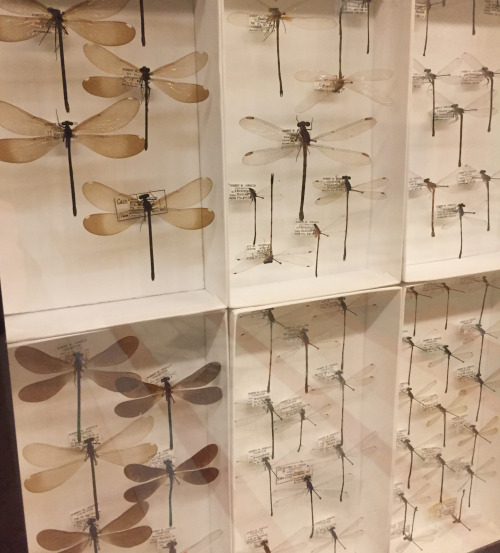
Specimens from the Surdick collection

insects in a display case

Specimens from the Surdick collection on display near our Grand Staircase.

Filed Under: Blog Tagged With: insects, museums, western pennsylvania

  • « Go to Previous Page
  • Page 1
  • Page 2
  • Page 3
  • Go to Next Page »

sidebar

About

  • Mission & Commitments
  • Directors Team
  • Museum History

Get Involved

  • Volunteer
  • Membership
  • Carnegie Discoverers
  • Donate
  • Employment
  • Events

Bring a Group

  • Groups of 10 or More
  • Birthday Parties at the Museum
  • Field Trips

Powdermill

  • Powdermill Nature Reserve
  • Powdermill Field Trips
  • Powdermill Staff
  • Research at Powdermill

More Information

  • Image Permission Requests
  • Science Stories
  • Accessibility
  • Shopping Cart
  • Contact
  • Visitor Policies
One of the Four Carnegie Museums | © Carnegie Institute | Privacy Policy | Terms of Use | Accessibility
Rad works here logo