The City Nature Challenge is a great way to get outdoors in a socially responsible way and see the living things that make up our neighborhoods. If you want to make it even more of a challenge, try this game in which you collect sightings of birds and trees from common to rare to ultra rare. Play with your friends to see who can collect the most points and share your findings on iNaturalist!
Birds
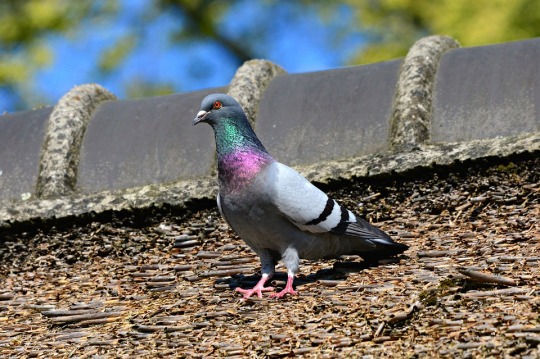
1 point: Rock Dove. You may know this well-known city dweller by its common nickname, the pigeon. Their gray bodies and black banded wings make pigeons easy to recognize.
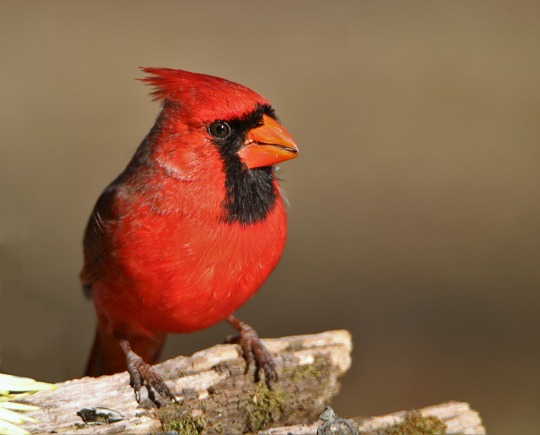
2 points: Northern Cardinal. Also known as redbirds, these brightly-colored birds are hard to miss. Males have red bodies, a prominent crest, orange beaks and black markings around their face. Females have brown bodies and a reddish-orange tint in their wings, although their facial markings and beaks are similar to males.
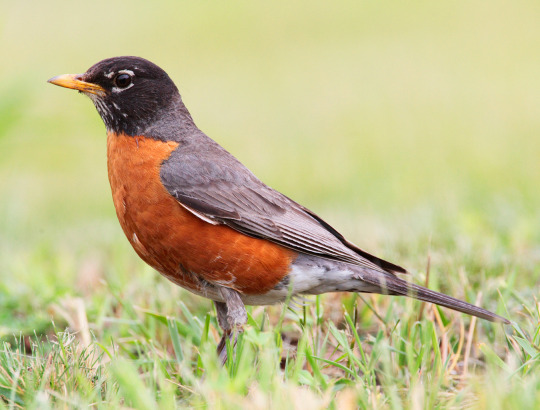
3 points: American Robin. This songbird is recognizable by its orange-red breast, gray body, and stocky build. Because robins feed on the ground at this time of year, they are easy to spot.
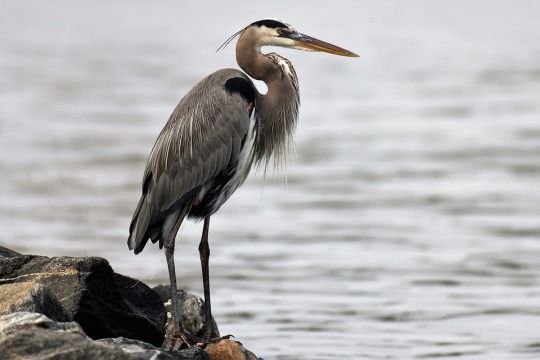
4 points: Great Blue Heron. Rare! A larger bird than the others mentioned so far, this bird enjoys wading in water and using its long bill to snatch up meals. It’s more of a grayish blue shade with a yellow bill and prominent black plumes of feathers on its head. You may even find one close to the Carnegie Museum of Natural History. They have been known to visit Panther Hollow Lake in nearby Schenley Park.
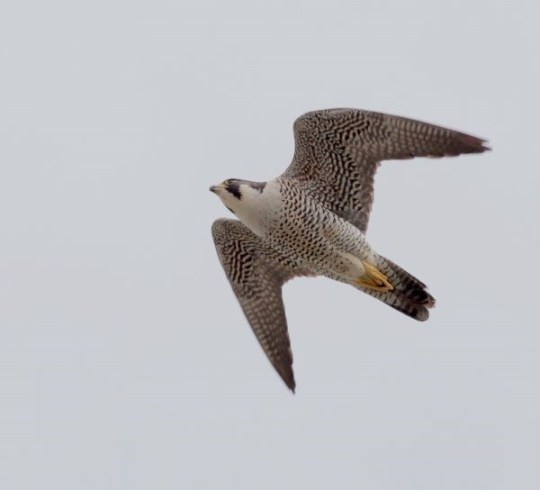
5 points: Peregrine Falcon. Rare! About the size of a crow, this bird of prey has a white breast speckled with brownish dots and a darker back. They like to perch in high places, like the Cathedral of Learning in Oakland. When these birds fly over Oakland, they can sometimes be identified by their sharp-winged silhouette.
Trees
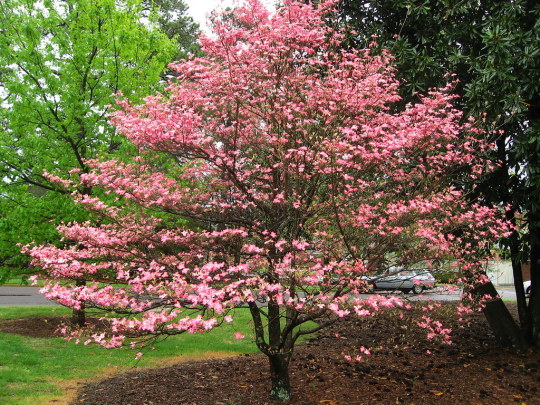
1 point: Flowering Dogwood. How can you identify a dogwood tree? By its bark! Beneath the lovely white and pink bloom of flowers, this tree features a distinct bark that resembles scales. In the coming weeks, look for the incredible bloom of flowers to locate a dogwood tree. These are planted along streets in the city, where they can bloom a few weeks earlier because the hard surfaces in cities trap heat.
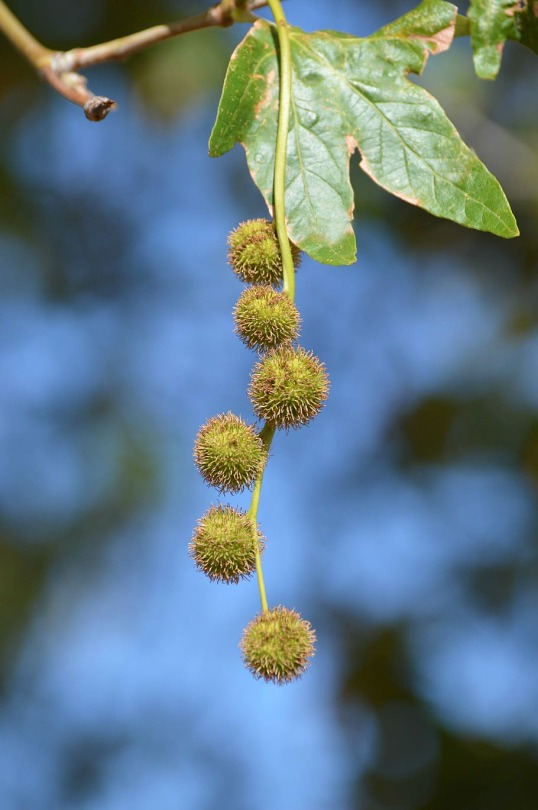
2 points: American Sycamore. These can grow up to 100 feet high and can live for 600 years. They are known for their scaly white and gray bark, and the brown, bumpy fruit balls that hang from branches and drop in the fall. Look for them in parks.
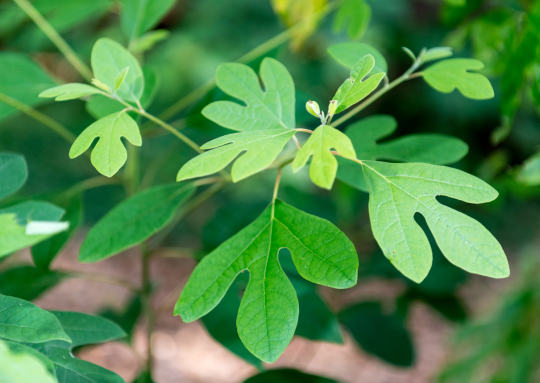
3 points: Sassafras. Perhaps easier to spot in the fall with their exuberant colors, sassafras leaves are recognizable all year-round due to their unique leaves. This park tree produces leaves with three shapes – oval, two-lobed, and three-lobed – sometimes right next to each other.
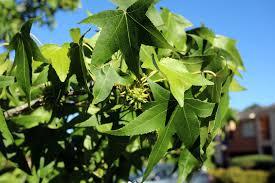
4 points: Sweet Gum. Rare! This tree is known for its distinct star-shaped leaves and spiky fruit balls that hang from its branches. Its seeds feed wildlife like squirrels and different species of birds. Look along city streets, where these may have been planted.
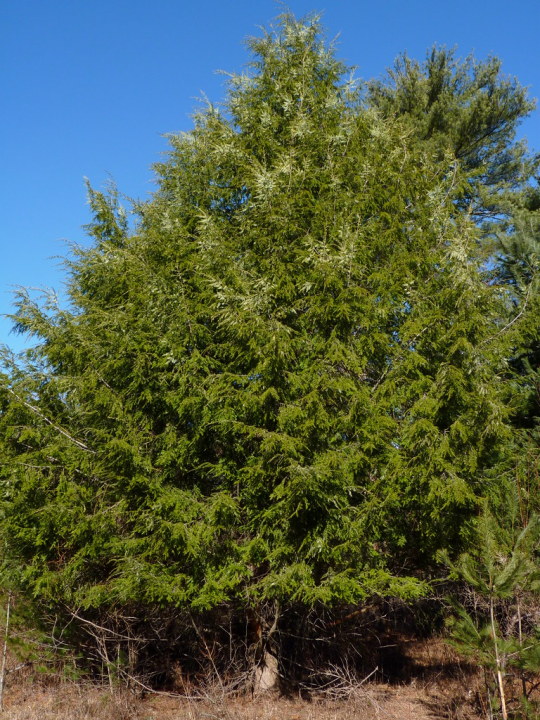
5 points: Eastern Hemlock. Rare! This large coniferous tree sports small needles and pine cones. Its large, shady branches keep forests cool and provide shelter to numerous bird species. It favors locations such as stream hollows in parks and also is the state tree of Pennsylvania.
Did you see a bird on the list perched in one of the mentioned trees? That’s an ultra-rare! Give yourself five additional points if that happened. Now, add up your total and compare it with friends.
