April showers may bring May flowers, but they also create the perfect moist conditions for one of my favorite garden residents—the humble woodlouse. These are cute little terrestrial isopods known by many, many regional names. They have too many legs to be an insect or arachnid, but they’re also not leggy enough to be millipedes or centipedes. Instead, woodlice are crustaceans, sharing family gatherings with lobsters and crabs, and although they are mostly land lubbers, they do prefer damp soil and wetter environments—like cool, humid basements.
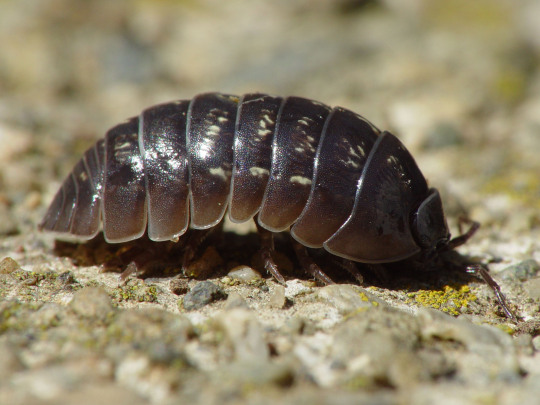
The name is often the most confusing bit. I called them pill bugs as a kid, but others called them potato bugs. In the United States and Canada, you might also call them tomato bugs, sow bugs, wood bugs, armadillo bugs, doodle bugs, roly-polies, carpenters, or boat-builders. In Australia they’re a butchy boy, and in New Zealand they’re a slater. But in the playfully creative UK they are cheesy bugs, cheesy bobs, or cheeselogs; chiggy pig, chucky pig, or chuggy peg; and daddy grampher, crawley baker, or granny grey. In science they’re a terrestrial isopod in the suborder Oniscidea, but for now I’ll call them woodlice.
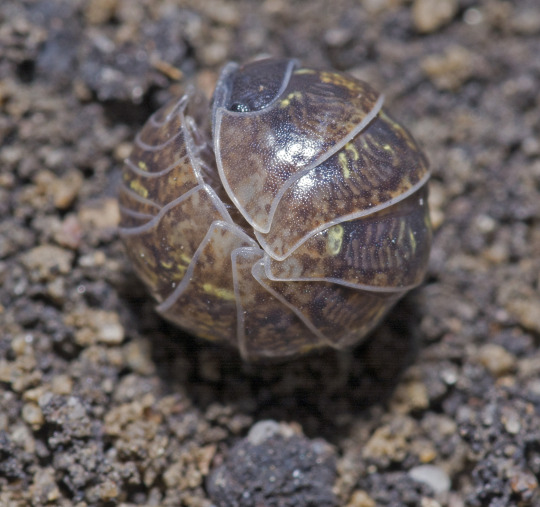
Perhaps they’re most endearing characteristic is their ability to roll up into a ball, or conglobate, to evade predators—of which they have many, including the specialist woodlouse spider. The woodlouse’s ball form is an impressive feat, reminiscent of hedgehogs and armadillos, and to miniature predators the rolled-up roly-poly is a fortress—though the mouse may see a convenient bite to eat.
The purpose of a woodlouse might seem unclear. What is this crustacean doing in a garden or a forest? And the truth is that the woodlouse is a member of a unique class of organisms that perform an incredibly important function—decomposing. Woodlice munch on dead plant matter, such as wood, leaves, and fruits. In return, woodlice add organic matter to soil which helps plants and animals up the food chain—also think fresh, free fertilizer for your garden.
So, here’s to the unsung hero of the understory! Here’s to the great roly-poly!
Aaron Young is a museum educator on Carnegie Museum of Natural History’s Outreach team. Museum staff, volunteers, and interns are encouraged to blog about their unique experiences and knowledge gained from working at the museum.
Related Content
Do No Harm: Dealing with Spotted Lanternflies
Can’t Choose Just One: Asking an Entomologist to Name Their Favorite Native Species
Carnegie Museum of Natural History Blog Citation Information
Blog author: Young, AaronPublication date: April 29, 2020
