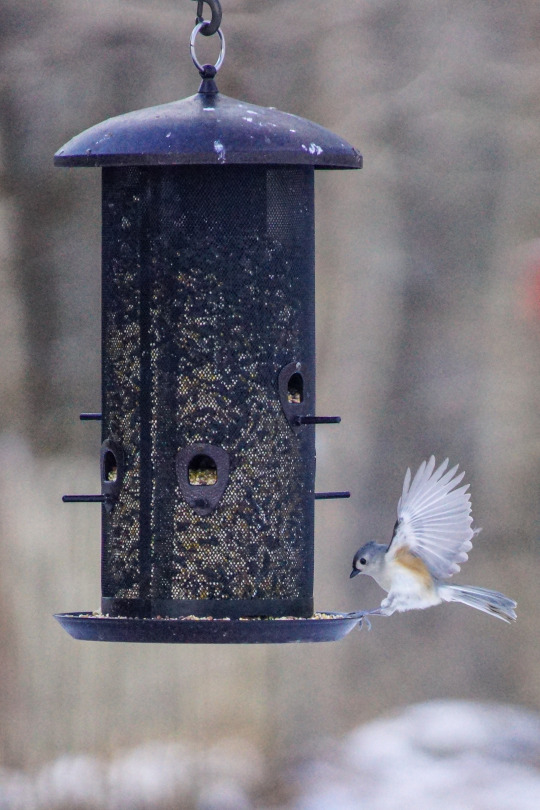
Look up! It’s a bird, it’s a plane, it’s…oh, it was a bird. The question now is: What kind of bird? If you’re able to develop some basic bird identification skills, you can contribute to a scientific research project in mid-February. The Great Backyard Bird Count is an annual event where amateur birders help scientists across the globe gain a better understanding of current bird populations. This year’s event will take place from Friday, February 14 through Monday, February 17.
The Eye Test: Notice Physical Features
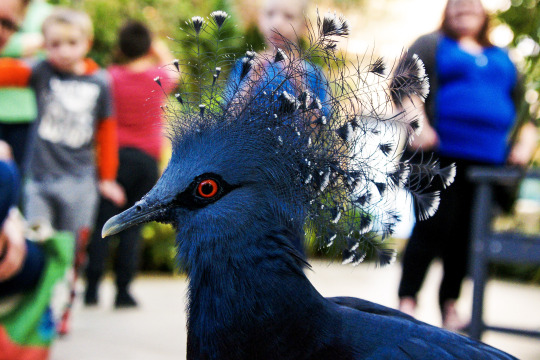
Your first observations should be simple. When you observe a bird, note as many physical features as possible. What is its size and shape? What color (or colors) are its feathers? Also note the size, shape, and color of such features as beak, feet, legs, and, if you’re close enough, even eyes.
Whatcha Doing? – Observe Behavior
Pay attention to what an observed bird is doing. If you’re watching the feathered traffic at a bird feeder, can you determine what’s on the menu? Some species show a great preference for sunflower seeds, others favor tiny thistle seeds. Still others use their beaks to bite wax-like blocks of suet.
Bird songs also provide identification clues, but many kinds of birds appear to find little to sing about in mid-winter.
Sense of Place – Where are you (and the bird)?
“Backyard” is part of the project title, but you can count in other areas. By paying close attention to landscape differences you can improve your bird identification skills. Expect different bird species in an overgrown field than in clusters of tall trees.
Now that you know what’s involved in leveling-up your skills, make plans to head outside. With your parents’ permission visit www.birdcount.org, the project site supported by the Cornell Lab of Ornithology and National Audubon Society. You’ll find participation information plus lots of well-illustrated bird identification information.
Fun Fact
The 2019 Great Backyard Bird Count was a global event. Check out these statistics:
- 32,497,355 individual birds counted
- More than 160,000 (human) participants
- 6,850 species of birds observed
With your help, this year’s event could be the biggest ever!
This blog is part of our Nature Lab programming.
