• Skip to primary navigation
  • Skip to main content
  • Skip to primary sidebar

Carnegie Museum of Natural History

One of the Four Carnegie Museums of Pittsburgh

  • Visit
    • Buy Tickets
    • Visitor Information
    • Exhibitions
    • Events
    • Dining at the Museum
    • Celebrate at the Museum
    • Powdermill Nature Reserve
    • Event Venue Rental
  • Learn
    • Field Trips
    • Educator Information
    • Programs at the Museum
    • Bring the Museum to You
    • Guided Programs FAQ
    • Programs Online
    • Climate and Rural Systems Partnership
  • Research
    • Scientific Sections
    • Science Stories
    • Science Videos
    • Senior Science & Research Staff
    • Museum Library
    • Science Seminars
    • Scientific Publications
    • Specimen and Artifact Identification
  • About
    • Mission & Commitments
    • Directors Team
    • Museum History
  • Tickets
  • Give
  • Shop

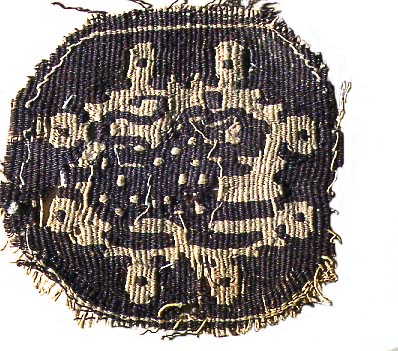
Tunic Decoration from Egypt

woven decoration in dark brown and light brown threadby Deb Harding 

This woven decoration depicting a picture of a leopard is from an Egyptian tunic, possibly from 3–4th
century C.E.

It is part of the museum’s “Coptic textile” collection. “Coptic” is the Greek word for Egyptian, and “Coptic textiles” are not only associated with Coptic Christians, they were made and worn by Egyptians of all faiths in the post-pharaonic period.

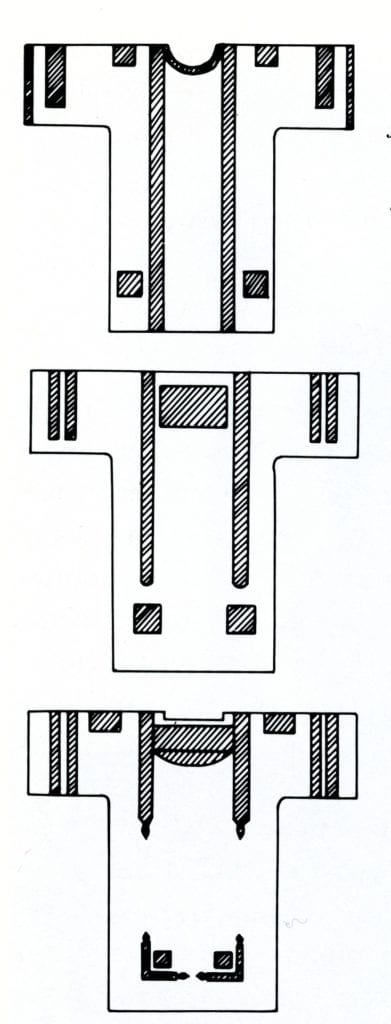
Basic tunic-style shirts were decorated with geometric and figurative patches woven into the otherwise plain linen cloth. There might be a border around the neck with a medallion at the end or bands over the shoulders. Medallions might also appear on the shoulders and near the hems of the shirt. Placement and decoration type changed with fashion, as did the length of hem and sleeves, just like today’s fashions.

The museum purchased this collection in 1934 from the Goebelen-Munchener Manufaktur company. The company said they purchased it in 1929 from the impoverished widow of a Swedish archaeologist.

The illustration of tunic styles below is from Textiles from Medieval Egypt, A.D. 300-1300 by Thelma K. Thomas, published by Carnegie Museum of Natural History in 1990. The leopard medallion is used as
the cover art for the booklet.

Deb Harding is a collection manager in Carnegie Museum of Natural History’s Section of Anthropology. She frequently blogs and shares pieces of the museum’s hidden anthropology collection, which is home
to over 100,000 ethnological and historical specimens and 1.5 million archaeological artifacts.

sidebar

About

  • Mission & Commitments
  • Directors Team
  • Museum History

Get Involved

  • Volunteer
  • Membership
  • Carnegie Discoverers
  • Donate
  • Employment
  • Events

Bring a Group

  • Groups of 10 or More
  • Birthday Parties at the Museum
  • Field Trips

Powdermill

  • Powdermill Nature Reserve
  • Powdermill Field Trips
  • Powdermill Staff
  • Research at Powdermill

More Information

  • Image Permission Requests
  • Science Stories
  • Accessibility
  • Shopping Cart
  • Contact
  • Visitor Policies
One of the Four Carnegie Museums | © Carnegie Institute | Privacy Policy | Terms of Use | Accessibility
Rad works here logo