• Skip to primary navigation
  • Skip to main content
  • Skip to primary sidebar

Carnegie Museum of Natural History

One of the Four Carnegie Museums of Pittsburgh

  • Visit
    • Buy Tickets
    • Visitor Information
    • Exhibitions
    • Events
    • Dining at the Museum
    • Celebrate at the Museum
    • Powdermill Nature Reserve
    • Event Venue Rental
  • Learn
    • Field Trips
    • Educator Information
    • Programs at the Museum
    • Bring the Museum to You
    • Guided Programs FAQ
    • Programs Online
    • Climate and Rural Systems Partnership
  • Research
    • Scientific Sections
    • Science Stories
    • Science Videos
    • Senior Science & Research Staff
    • Museum Library
    • Science Seminars
    • Scientific Publications
    • Specimen and Artifact Identification
  • About
    • Mission & Commitments
    • Directors Team
    • Museum History
  • Tickets
  • Give
  • Shop

What Do Bugs Do During the Winter?

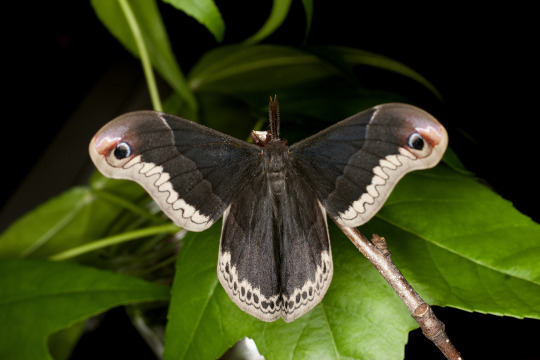
moth on plant at night

Ever wonder what happens to insects during the winter?  Depending on the species they will overwinter during one of the stages of their development.  In the case of the Promethea moths that were reared in Invertebrate Zoology last year, the caterpillar culture formed cocoons in the summer of 2018.  In their natural setting those cocoons protect the pupae as they experience diapause during the cold winter months.  Diapause is a state of dormancy that allows the specimens to survive harsh environmental conditions.

The pupae need to experience diapause before responding to the normal queues that trigger the adult moths to emerge from their cocoons. Insects depend on light and temperature queues which dictate when to enter the stages in their life cycle. In the lab setting, winter conditions were simulated by placing the cocoons in the refrigerator from November through March.
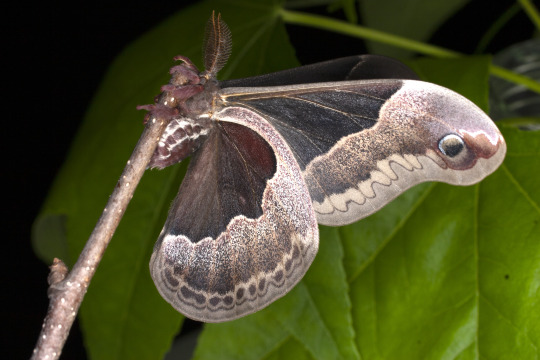
moth on plant at night

Luckily, the overwintering technique was successful and we had adult moths emerge in late May.  Look for these moths in your backyard as they emerge from their cocoons this summer. Watch for caterpillars that look like these, which will hatch from eggs laid by the adult moths flying this summer. These caterpillars will grow and form cocoons which will enter diapause this winter and continue the cycle.

Vanessa Verdecia is a collection assistant in the museum’s Invertebrate Zoology Section. Museum employees are encouraged to blog about their unique experiences and knowledge gained from working at the museum.

sidebar

About

  • Mission & Commitments
  • Directors Team
  • Museum History

Get Involved

  • Volunteer
  • Membership
  • Carnegie Discoverers
  • Donate
  • Employment
  • Events

Bring a Group

  • Groups of 10 or More
  • Birthday Parties at the Museum
  • Field Trips

Powdermill

  • Powdermill Nature Reserve
  • Powdermill Field Trips
  • Powdermill Staff
  • Research at Powdermill

More Information

  • Image Permission Requests
  • Science Stories
  • Accessibility
  • Shopping Cart
  • Contact
  • Visitor Policies
One of the Four Carnegie Museums | © Carnegie Institute | Privacy Policy | Terms of Use | Accessibility
Rad works here logo