• Skip to primary navigation
  • Skip to main content
  • Skip to primary sidebar

Carnegie Museum of Natural History

One of the Four Carnegie Museums of Pittsburgh

  • Visit
    • Buy Tickets
    • Visitor Information
    • Exhibitions
    • Events
    • Dining at the Museum
    • Celebrate at the Museum
    • Powdermill Nature Reserve
    • Event Venue Rental
  • Learn
    • Field Trips
    • Educator Information
    • Programs at the Museum
    • Bring the Museum to You
    • Guided Programs FAQ
    • Programs Online
    • Climate and Rural Systems Partnership
  • Research
    • Scientific Sections
    • Science Stories
    • Science Videos
    • Senior Science & Research Staff
    • Museum Library
    • Science Seminars
    • Scientific Publications
    • Specimen and Artifact Identification
  • About
    • Mission & Commitments
    • Directors Team
    • Museum History
  • Tickets
  • Give
  • Shop

What is a Shamrock?

white clover
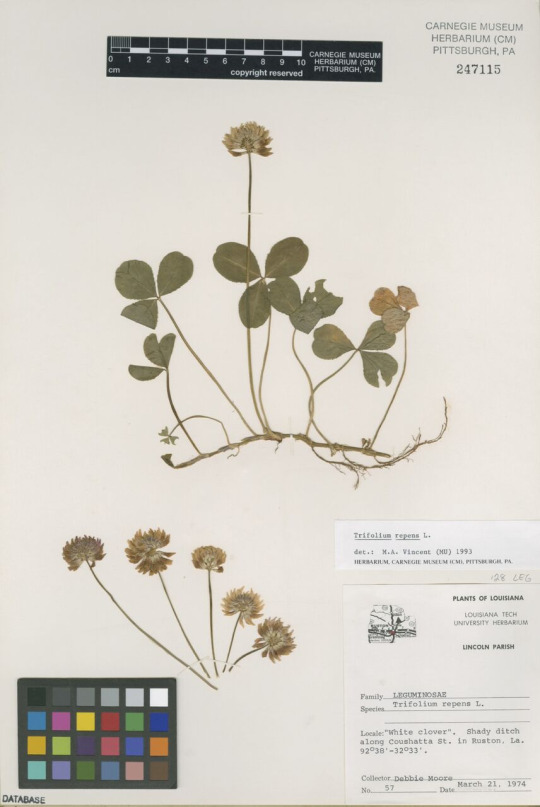
Trifolium repens (collected 1974 in Louisiana), aka white clover.

by Mason Heberling

What is a shamrock? There is no overwhelming scientific consensus on which species is the well-known Irish national emblem. There was survey of Irish botanists in the early 1890s asking which species was the true shamrock. A similar survey was repeated in 1988. The results suggest the shamrock is either Trifolium dubium (aka lesser trefoil) or Trifolium repens (aka white clover).

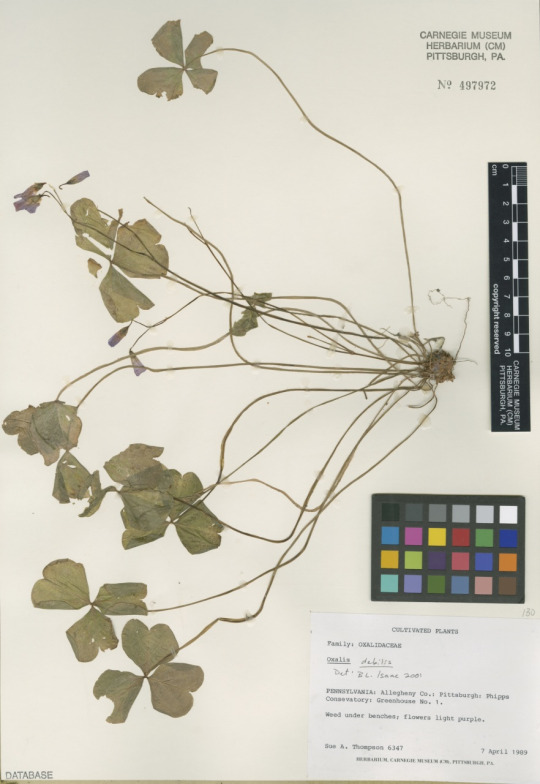
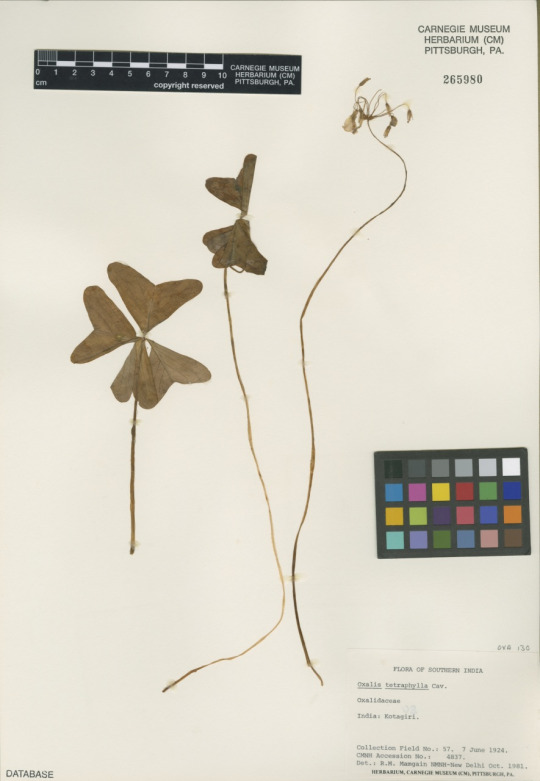
The plants commonly sold around St. Patrick’s Day as shamrocks or four-leaf clovers are in the plant genus Oxalis (wood sorrel), which belong to a different plant family than true clovers.

Trifolium dubium (collected 1961 in Pennsylvania), aka lesser trefoil.


Oxalis tetraphylla (collected 1981 in India), aka lucky clover, although not a true clover.


Oxalis debilis (collected 1989 in cultivation), aka pink woodsorrel.


Mason Heberling is a postdoctoral research associate at Carnegie Museum of Natural History. Museum employees are encouraged to blog about their unique experiences working with museum collections.

Related Content

Section of Minerals and Earth Sciences Celebrates Being Lucky!

Collected on This Day in 1957: Coltsfoot

Ask a Scientist: How do you find rare plants?

Share this post!

  • Share on Twitter Share on Twitter
  • Share on Facebook Share on Facebook
  • Share on Pinterest Share on Pinterest
  • Share on LinkedIn Share on LinkedIn
  • Share on Reddit Share on Reddit
  • Share via Email Share via Email

sidebar

About

  • Mission & Commitments
  • Directors Team
  • Museum History

Get Involved

  • Volunteer
  • Membership
  • Carnegie Discoverers
  • Donate
  • Employment
  • Events

Bring a Group

  • Groups of 10 or More
  • Birthday Parties at the Museum
  • Field Trips

Powdermill

  • Powdermill Nature Reserve
  • Powdermill Field Trips
  • Powdermill Staff
  • Research at Powdermill

More Information

  • Image Permission Requests
  • Science Stories
  • Accessibility
  • Shopping Cart
  • Contact
  • Visitor Policies
One of the Four Carnegie Museums | © Carnegie Institute | Privacy Policy | Terms of Use | Accessibility
Rad works here logo