We all know that Pittsburgh has three rivers – it’s one of the first things you learn about Pittsburgh! There’s the Allegheny, the Monongahela, and the two rivers meet to form the Ohio River. But have you ever wondered what kinds of creatures might be lurking beneath the three rivers’ surfaces?
Three Rivers Thrive
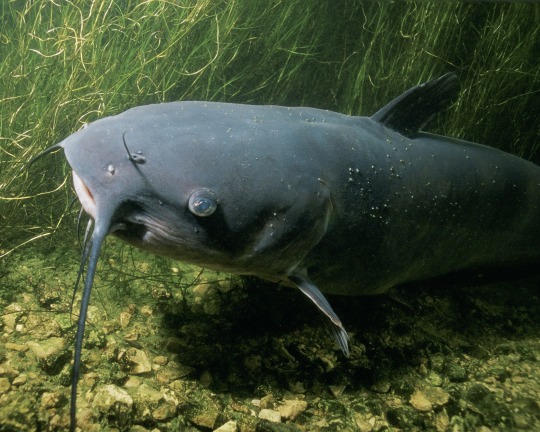
The three rivers are currently home to almost 70 different species of fish! Some of the most common fish found in the rivers are:
-Smallmouth Bass
-Rock Bass
-Muskellunge
-Channel Catfish
-Flathead Catfish
-Freshwater Drums
-Sauger
-Common Carp
You may have heard of a few of these before – bass and catfish are well known fish – but did you know that some of these watery creatures can grow to be more than 3 feet in length? A flathead catfish, for example, can grow to be more than three and a half feet long and can weigh more than 40 pounds! That’s crazy!
Fish Flourish
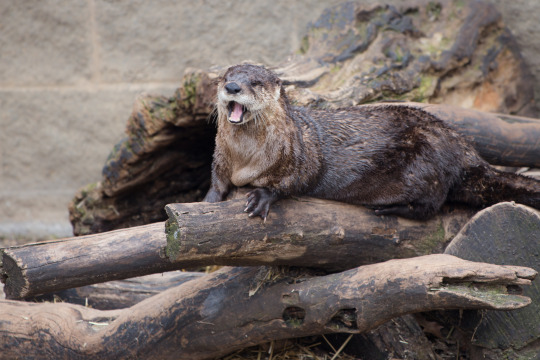
When the rivers flourish and are filled with fish, they draw predators such as bald eagles and ospreys to the Pittsburgh area. In the 1970s, work began to restore the water quality of the three rivers back to good health. Since then, as the waters have become less polluted, more diverse fish have been found in the rivers and streams of Western Pennsylvania – allowing other aquatic creatures to thrive, like river otters.
Keeping Pittsburgh Clean
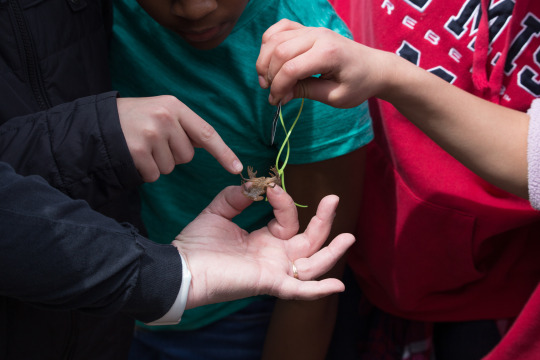
We’ve made a lot of progress in cleaning our rivers during the past 50 years. However, there is still quite a lot of work to be done. One way to keep track of the progress we’ve made is by monitoring the water quality of streams and watersheds in the Pittsburgh area. Allegheny College’s Creek Connections is an organization that works with Pittsburgh-area schools to monitor the health of local water sources. For more information on Creek Connections’ work you can visit https://sites.allegheny.edu/creekconnections/.
You Otter Be Kidding Me
Because of pollution and environmental destruction, the river otter population in Western Pennsylvania was almost extinct in the 1900s. To help, conservationists spent years working on rebuilding habitats and cleaning the rivers before finally reintroducing river otters to the Pittsburgh area in 1982. Since then, river otters have continued to reclaim their habitat along the three rivers.
Explore nature together. Visit Nature 360 for activities and information.
Blog post by Melissa Cagan.
