• Skip to primary navigation
  • Skip to main content
  • Skip to primary sidebar

Carnegie Museum of Natural History

One of the Four Carnegie Museums of Pittsburgh

  • Visit
    • Buy Tickets
    • Visitor Information
    • Exhibitions
    • Events
    • Dining at the Museum
    • Celebrate at the Museum
    • Powdermill Nature Reserve
    • Event Venue Rental
  • Learn
    • Field Trips
    • Educator Information
    • Programs at the Museum
    • Bring the Museum to You
    • Guided Programs FAQ
    • Programs Online
    • Climate and Rural Systems Partnership
  • Research
    • Scientific Sections
    • Science Stories
    • Science Videos
    • Senior Science & Research Staff
    • Museum Library
    • Science Seminars
    • Scientific Publications
    • Specimen and Artifact Identification
  • About
    • Mission & Commitments
    • Directors Team
    • Museum History
  • Tickets
  • Give
  • Shop

Manhattan Project Glass

By Debra Wilson

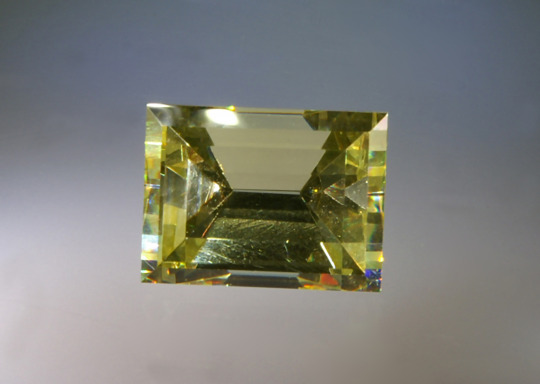
Manhattan Project glass specimen

The Section of Minerals collection contains many specimens with interesting stories of historical significance. One such story is about an unusual faceted stone.

As part of the Manhattan Project, the mission of the Hanford Site in Benton County, Washington was to produce plutonium for the atomic bomb. This included the first bomb tested at Trinity Site in New Mexico and the Fatman bomb that was dropped on Nagasaki to end World War II in 1945. The viewing windows that the scientists looked through in the chemical processing buildings (AKA plutonium recovery buildings, where the plutonium was being extracted from the fuel rods) were made of 70% lead to protect them from the highly radioactive material they were working with.

When the buildings began being salvaged in 1990, five of these radiation windows were sent to a salvage yard in Walla Walla, Washington, where they were stored in a warehouse. Sometime during the two decades of storage one of the panes shattered. When the broken pieces were sold, Patrick Kelley of PAK Designs in North Carolina was able to acquire two pieces. He faceted the Rectangular Baguette Cut, 51.4 carat gemstone in 2013 that now resides in the Section of Minerals collection. Note the yellow color of the glass due to the high lead content.

This stone is now on display in the Treated & Synthetic Stones case in Wertz Gallery.

Debra Wilson is the Collection Manager for the Section of Minerals at Carnegie Museum of Natural History. Museum employees are encouraged to blog about their unique experiences and knowledge gained from working at the museum.

Related Content

Beauty From the Ashes

What Does Pittsburgh Have in Common With Mount Vesuvius?

Master of Optical Illusion

Carnegie Museum of Natural History Blog Citation Information

Blog author: Wilson, Debra
Publication date: August 1, 2018

Share this post!

  • Share on Twitter Share on Twitter
  • Share on Facebook Share on Facebook
  • Share on Pinterest Share on Pinterest
  • Share on LinkedIn Share on LinkedIn
  • Share on Reddit Share on Reddit
  • Share via Email Share via Email

sidebar

About

  • Mission & Commitments
  • Directors Team
  • Museum History

Get Involved

  • Volunteer
  • Membership
  • Carnegie Discoverers
  • Donate
  • Employment
  • Events

Bring a Group

  • Groups of 10 or More
  • Birthday Parties at the Museum
  • Field Trips

Powdermill

  • Powdermill Nature Reserve
  • Powdermill Field Trips
  • Powdermill Staff
  • Research at Powdermill

More Information

  • Image Permission Requests
  • Science Stories
  • Accessibility
  • Shopping Cart
  • Contact
  • Visitor Policies
One of the Four Carnegie Museums | © Carnegie Institute | Privacy Policy | Terms of Use | Accessibility
Rad works here logo
