• Skip to primary navigation
  • Skip to main content
  • Skip to primary sidebar

Carnegie Museum of Natural History

One of the Four Carnegie Museums of Pittsburgh

  • Visit
    • Buy Tickets
    • Visitor Information
    • Exhibitions
    • Events
    • Dining at the Museum
    • Celebrate at the Museum
    • Powdermill Nature Reserve
    • Event Venue Rental
  • Learn
    • Field Trips
    • Educator Information
    • Programs at the Museum
    • Bring the Museum to You
    • Guided Programs FAQ
    • Programs Online
    • Climate and Rural Systems Partnership
  • Research
    • Scientific Sections
    • Science Stories
    • Science Videos
    • Senior Science & Research Staff
    • Museum Library
    • Science Seminars
    • Scientific Publications
    • Specimen and Artifact Identification
  • About
    • Mission & Commitments
    • Directors Team
    • Museum History
  • Tickets
  • Give
  • Shop

Kathleen

September 18, 2020 by Kathleen

Scientist Takeover: Invertebrate Zoology Specimens

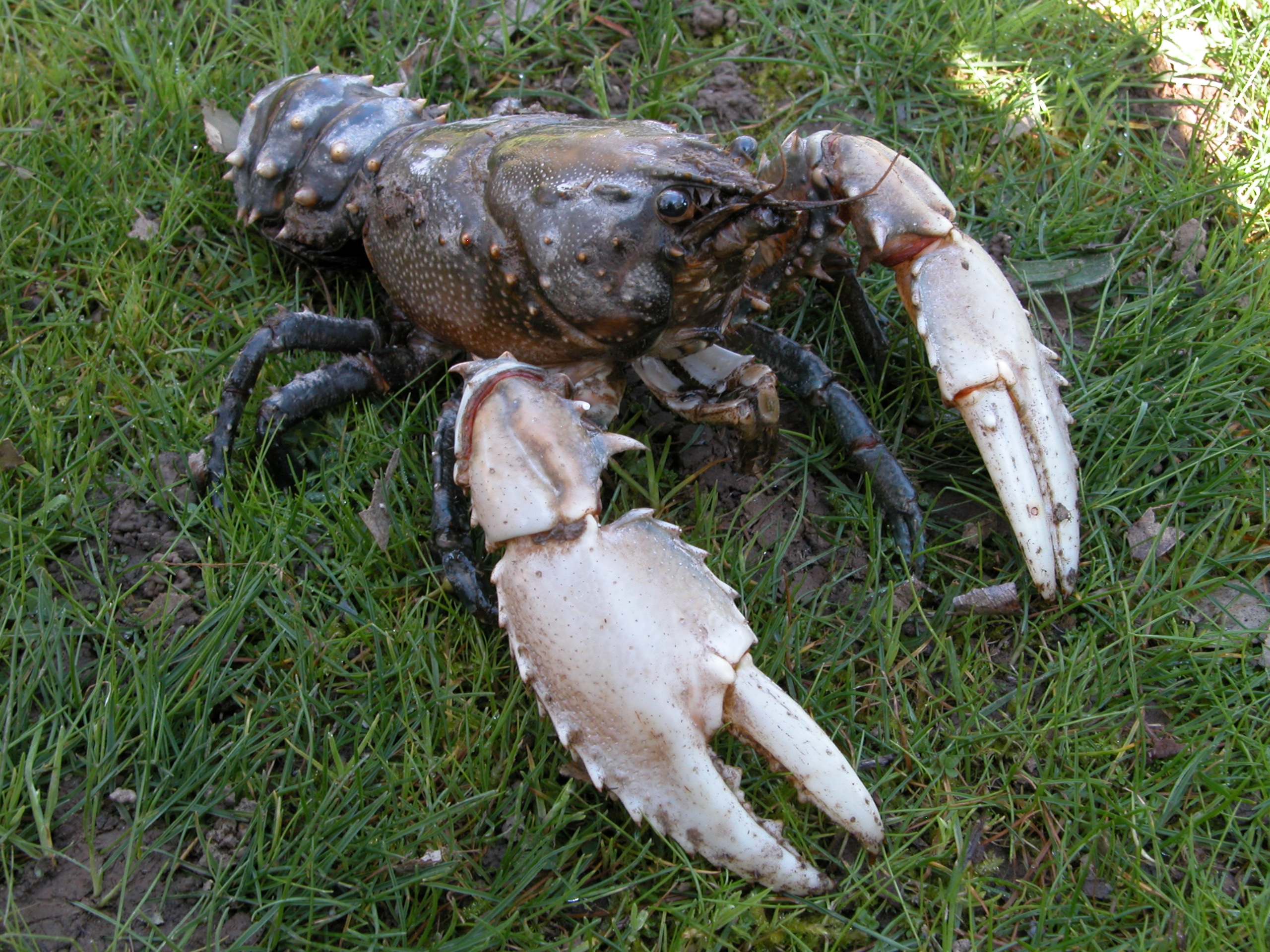
Murray Crayfish

Murray Crayfish

The Murray Crayfish (Euastacus armatus) is a favorite of Jim Fetzner, Assistant Curator of Invertebrate Zoology.  It can be found in the Murray and Murrumbidgee River catchments in the Australian states of New South Wales and Victoria.  The species was originally described back in 1866 by Eduard von Martens. The species is becoming rare due to habitat degradation and overfishing and is considered Threatened or Endangered by Australian conservation agencies. The species is one of the largest species of freshwater crayfish in the world, second only to the Giant Tasmainan Freshwater Crayfish, Astacopsis gouldi. It can reach maximum sizes of over 4 pounds and about 16 inches in length.  The claws are typically bright white, and the body is usually black or dark greenish/brown and covered in large spines, making it a quite striking crayfish when seen in the wild.
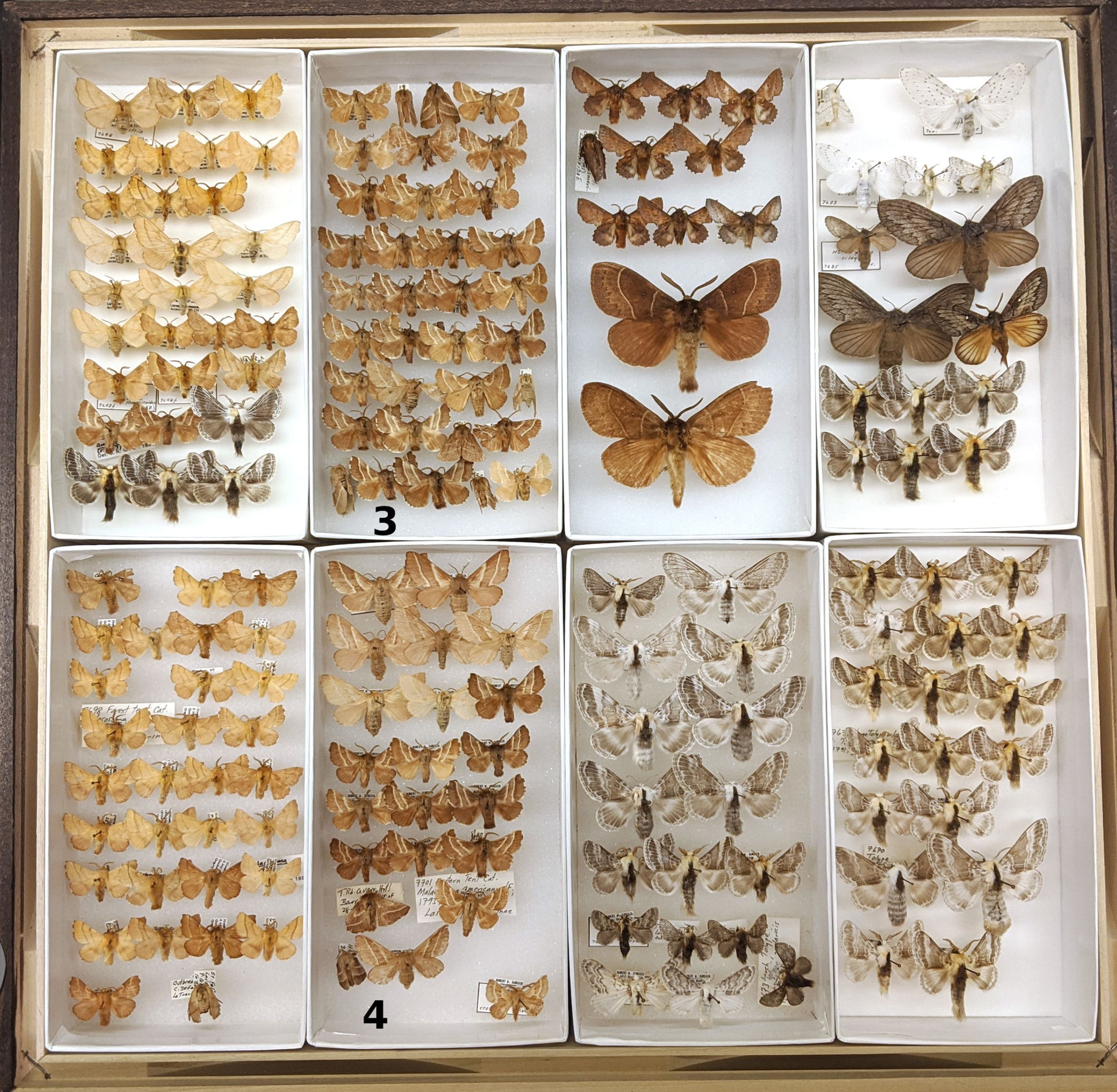
Lasiocampidae moths

Lasiocampidae moths

Lasiocampide is the favorite moth family of Vanessa Verdecia, Scientific Preparator in the Section of Invertebrate Zoology.  There are approximately 2,000 species worldwide which include moths commonly referred to as the eggars, lappet, and tent caterpillar moths.  Check out this drawer which includes mixed species that need to be curated into the main collection.  These moths have reduced mouthparts and do not feed as adults, so all the eating is done in the caterpillar stage.  Some species in this family are well known, including the Eastern Tent Caterpillar (tray 3 and 4), which is a pest.  However, there is interesting species diversity in the Tropics, with species waiting to be discovered and named.  Although there are only 35 species in the US, questions remain about the life cycles and number of species in some of the groups.  Field work and molecular data using specimens in the Carnegie collection will help to answer these questions and revise studies that have been published in the past.
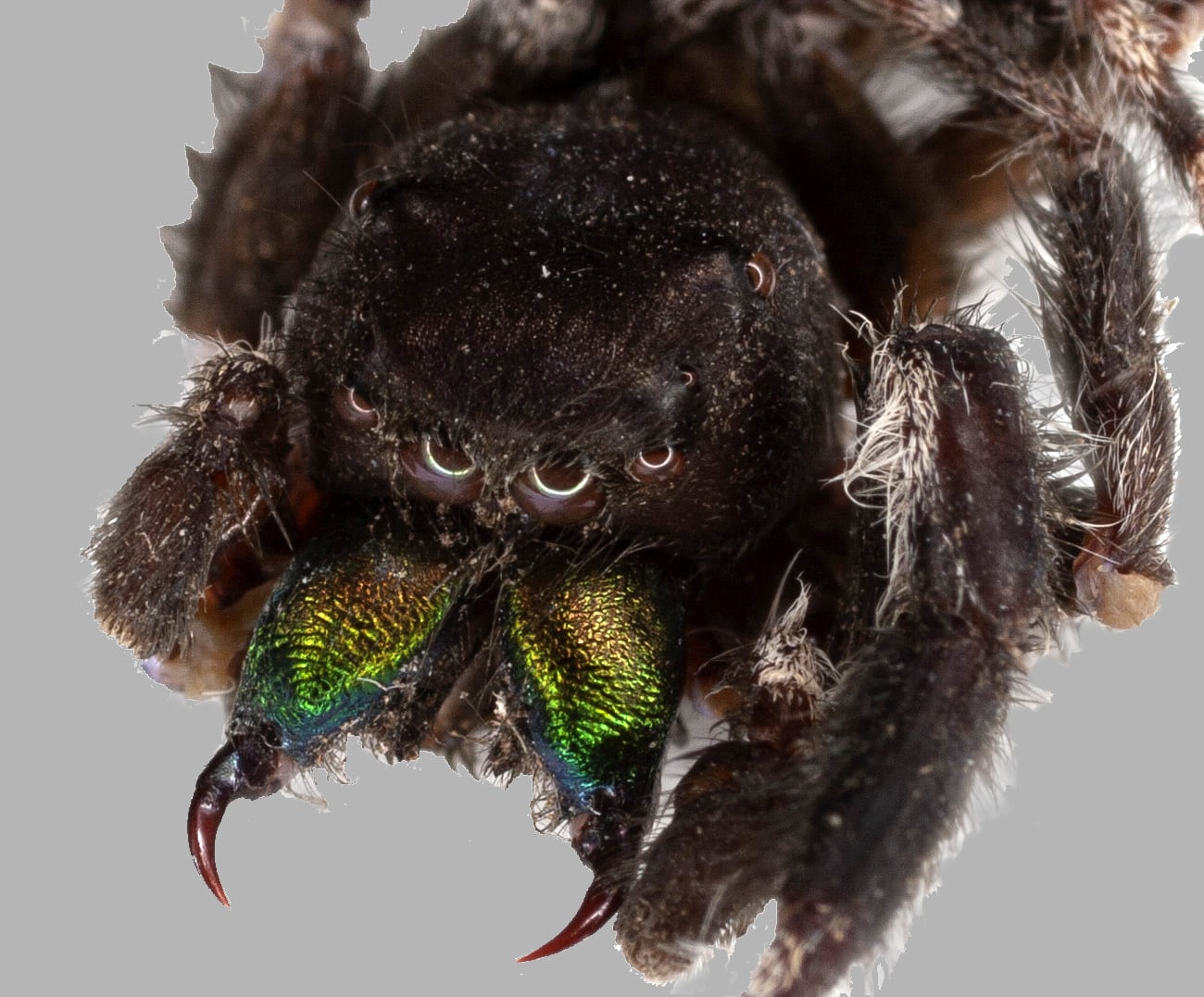
Bold Jumping Spider

Bold Jumpers

Phidippus audax, commonly known as the Bold Jumper, is one of the favorite species of invertebrates of Catherine Giles, Curatorial Assistant in the Section of Invertebrate Zoology. They’re very common in North America, but what makes them stand out from others is their iridescent chelicerae—their “jaws.” Members of the genus Phidippus can all easily be identified by this iridescence, and typically males will have brighter iridescence to attract a mate. P. audax is very docile with some people even keeping them as pets! Spiders are always handy to have around as they eat problematic insects, like mosquitoes. Specimens of P. audax in our spider collection have been found in nearby Frick Park. See if you can spot these shiny-faced little ones on your next walk through the park!
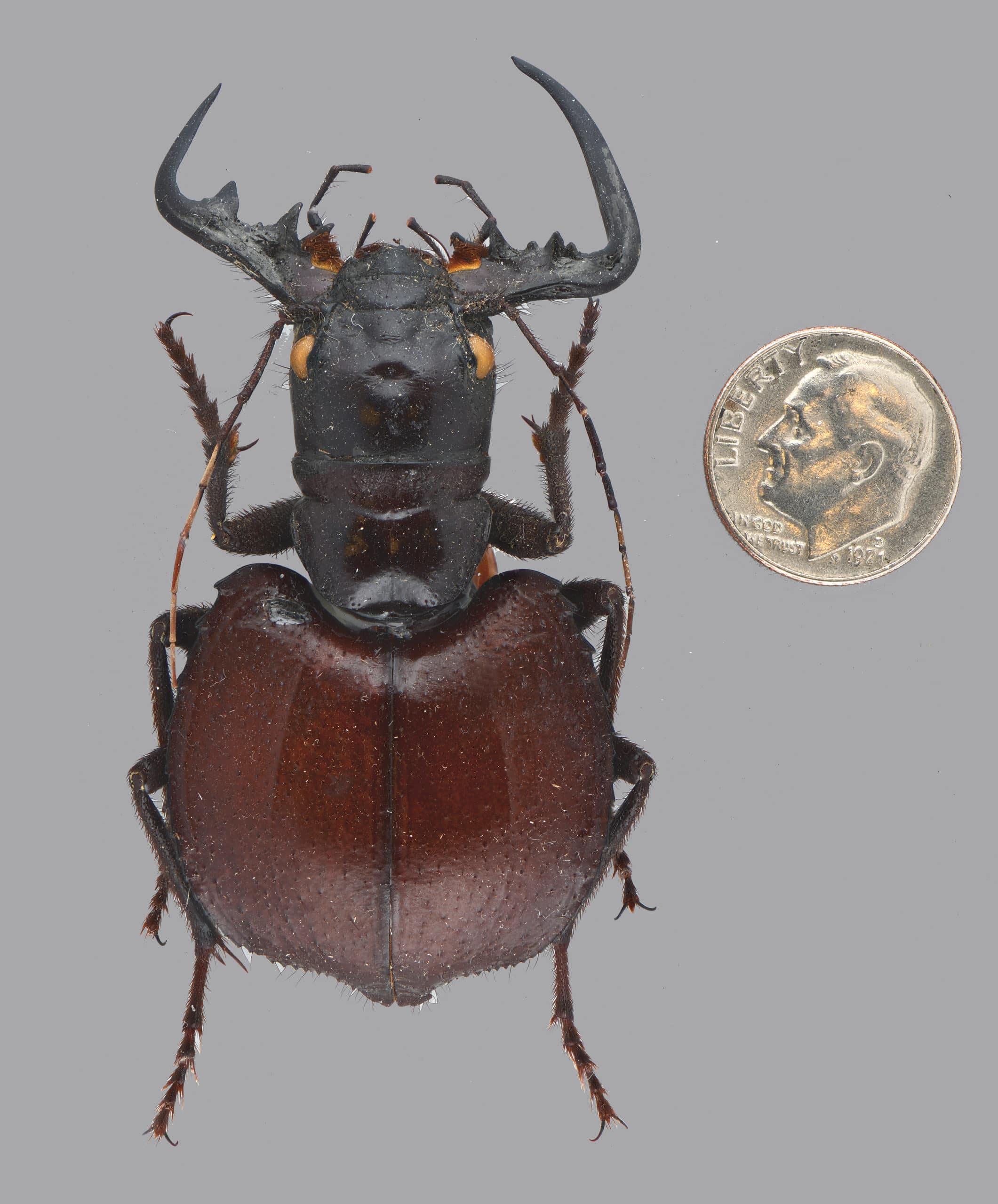
Manticora adult beetle

Manticora, Adult Beetle

Manticora imperator is a tiger beetle in the family Carabidae, and a favorite of Bob Davidson, Collection Manager Emeritus in the Section of Invertebrate Zoology. The genus Manticora (“the one who devours men”) consists of 15 known species confined to the southern portions of Africa, mostly to the oldest geologic portions of that region, and mostly to open desert and dry savannah habitats. They are relatively primitive, flightless, predatory black tiger beetles of enormous size. The males of some species are particularly spectacular, with huge asymmetrical mandibles, reaching the extreme in Manticora imperator, with a toothed left mandible and a larger right mandible bent like a sickle. Mandibles in both sexes are used to attack prey, and, in males, also to combat other males and to clasp the female during copulation.

Manticora beetle larva

Manticora, Beetle Larva

The larva of Manticora mygaloides, one of 15 known species in this genus which is only known from the southern portions of Africa.  The Manticora larvae look and behave more like tiger beetle larvae from other parts of the world, except that they are enormous.  They mostly occur in open desert and dry savannah habitats, where they dig a vertical burrow up to a meter in depth, depending on substrate, which they can drop down into when disturbed.  The larval head is like a big armored plug with jaws attached.  In attack mode, they block the burrow entrance with the head (making the hole difficult to see) and wait.  There is also a large hook toward the rear on the larva’s back which makes it difficult for anything to dislodge it from the burrow. If something edible gets within striking distance, the larva throws its forebody out, grabs with its large jaws, and drags the prey into the burrow.
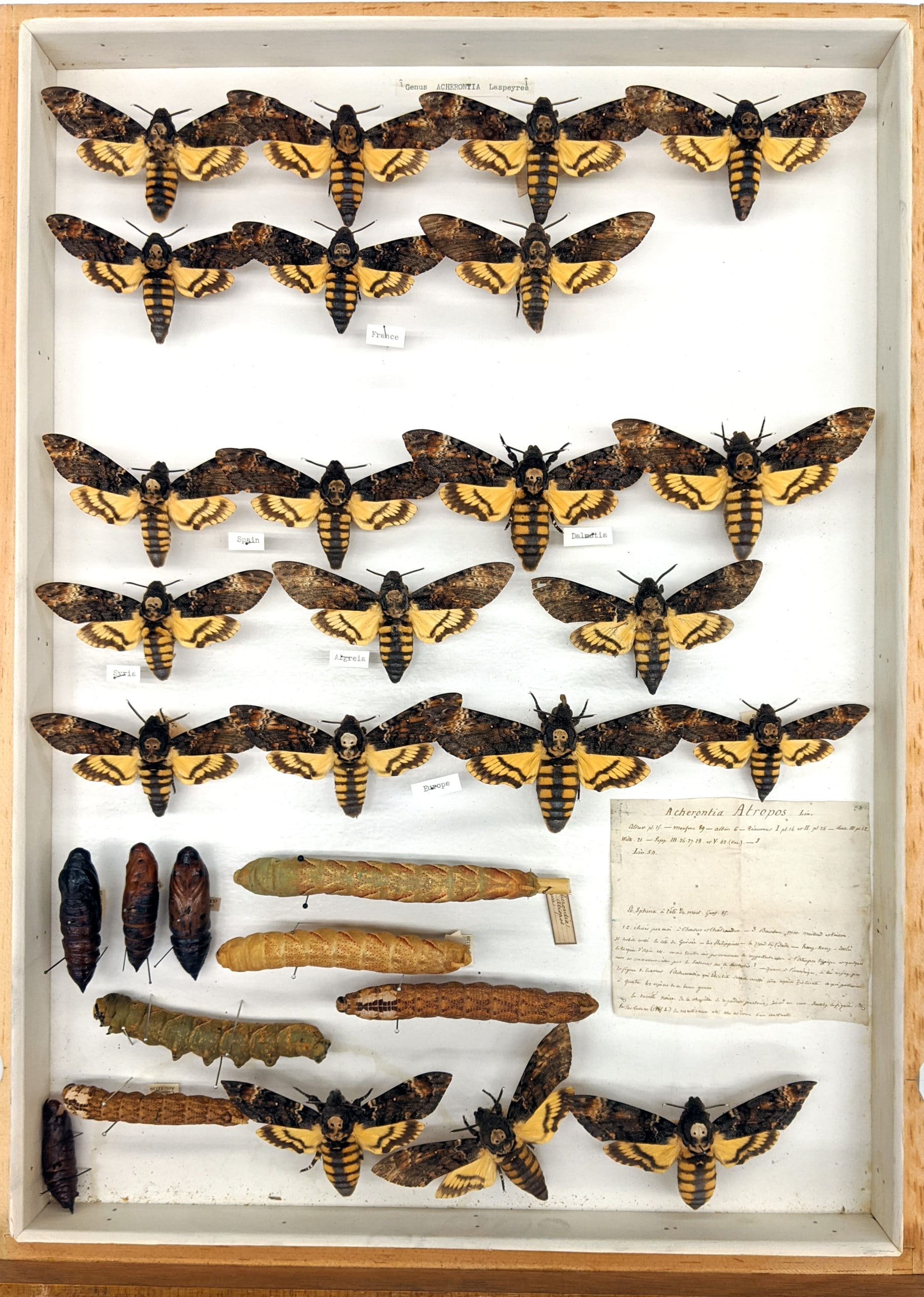
Deaths Head Hawkmoths

Death’s Head Hawkmoths

The African Death’s Head Hawmoths, Acherontia atropos, are found in Europe and Africa.  They are members of the family Sphingidae, which include about 1,450 species commonly referred to as the hawkmoths, sphinx moths, and hornworms.  There are two other species in this genus—A. lachesis and A. styx, which are found in Asia.  All three species are known for the skull-like color pattern formed by the scales on the thorax and the rib-like color patterns on the abdomen, which have inspired stories and superstitions in the regions of the world where they occur.  Acherontia styx was referenced in the book The Silence of the Lambs by Thomas Harris.  A scene of the movie adaptation was filmed in the Section of Invertebrate Zoology which depicted an entomologist identifying the pupa of a sphingid moth.  The drawer imaged here includes specimens in the caterpillar and pupal stages of Acherontia atropos, prepared and preserved dry according to historical standards.  Larval and pupal specimens are now preserved in ethanol.  All three species are known for their interesting biological adaptions including a mechanism that allows them to squeak, and the ability to feed on honey which they steal from the combs of honeybees.
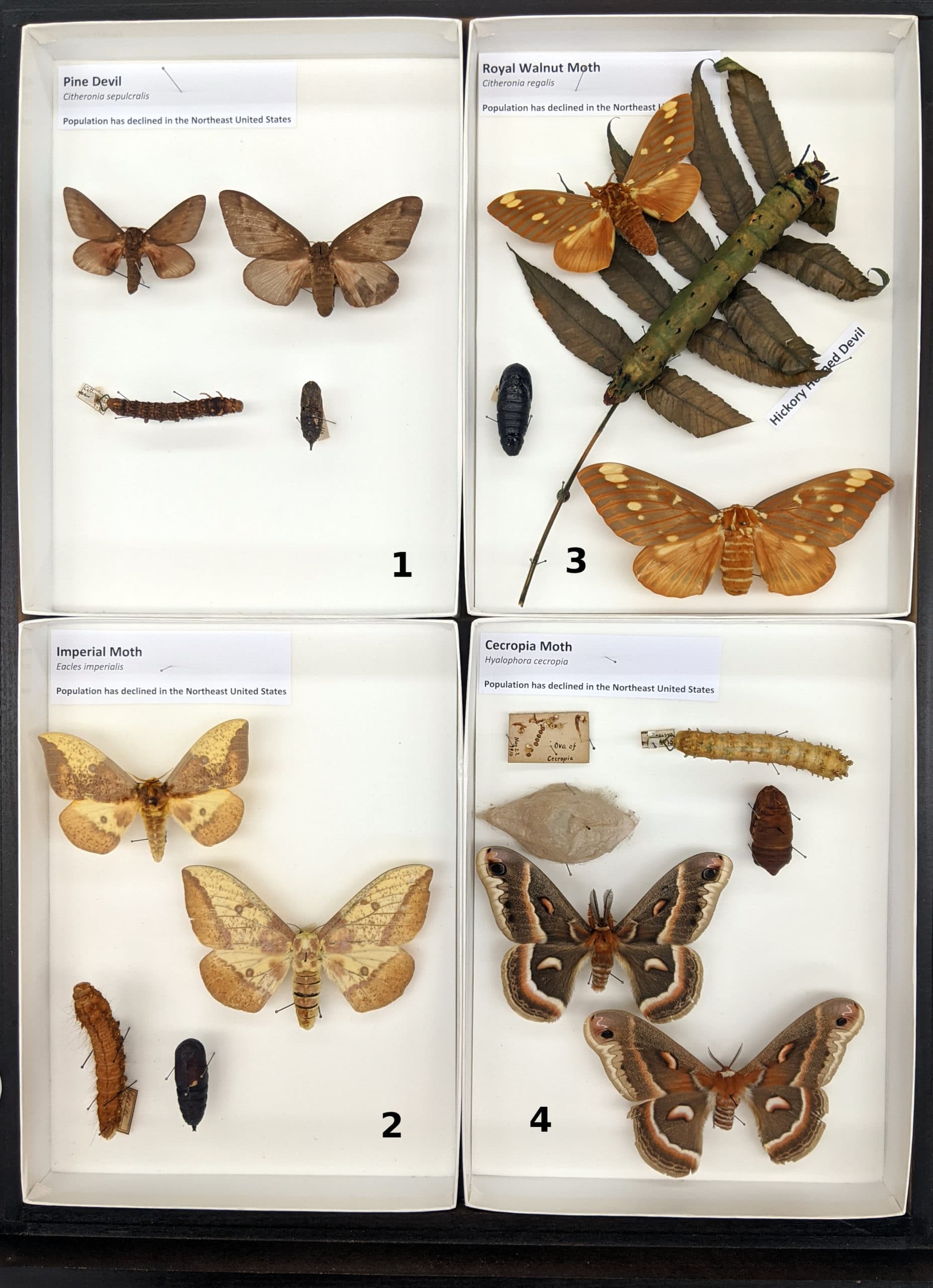
Saturniidae moths

Saturniidae moths

The family Saturniidae, which includes about 2,300 known species, are commonly referred to as the royal, emperor, and giant silk moths.  They are known for their large size, colorful scale patterns, and some have “eyespots” on the hindwings that serve as a defense mechanism for scaring off predators.  The adults have reduced mouth parts, so they do all their feeding in the caterpillar stage and cannot feed as adults.  Therefore, they only live for a few days in the adult stage—long enough to mate.  Pictured here are some of the species known to occur in Pennsylvania.  The Pine Devil Moth (tray 1) and the Royal Walnut Moth (tray 3) are closely related and there is evidence of population decline, especially in the Northeastern United States.  They have horns that look scary but are harmless.  The Imperial Moth (tray 2) has also experienced population decline and has four color forms seen in the caterpillars.  One culture may include dark brown, light brown, red, and green caterpillars all from a single parent!  The Cecropia Moth (tray 4) is very common in Pennsylvania but has also experienced population decline that is thought to be due to parasitism by a tachinid fly introduced to control Gypsy Moths, which are an introduced pest that threatens our forests.

Pachyrhynchus specimens

Pachyrhynchus specimens

Members of the genus Pachyrhynchus are the favorites of Ainsley Seago, Associate Curator of Invertebrate Zoology (who calls them “disco weevils”).  The glittering colors of these party beetles come from tiny photonic crystals inside their flattened scales; several of Bob Androw’s cerambycids have independently evolved a similar structural color mechanism.  No one is sure what these Indonesian weevils use their colors for, but it may be a signal warning predators not to bother… their fused elytra and tough exoskeleton are too thick to pierce.
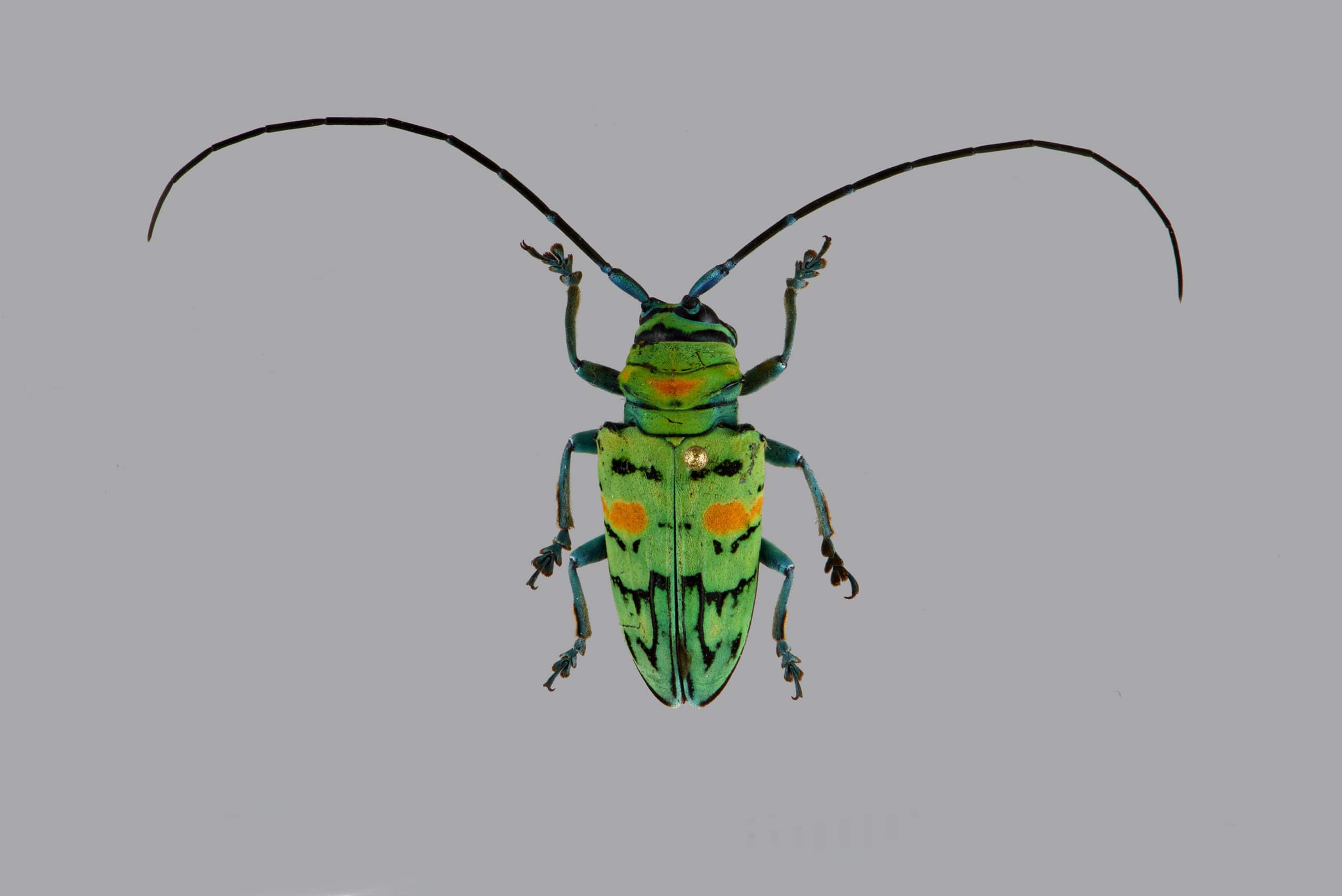
Sternotomus callais

Sternotomus callais

The longhorn beetle genus Sternotomis has convergently evolved structural colors based on three-dimensional photonic crystals, just like those of Pachyrrhynchus but arising from a different ancestral lineage. These colors are created by the nanoscale interactions of photons with a crystalline structure within the beetle’s flattened hairs (“setae”), and will last as long as the specimen itself. Paleontologists have even found fossil beetles that retain their iridescence after 60 million years!
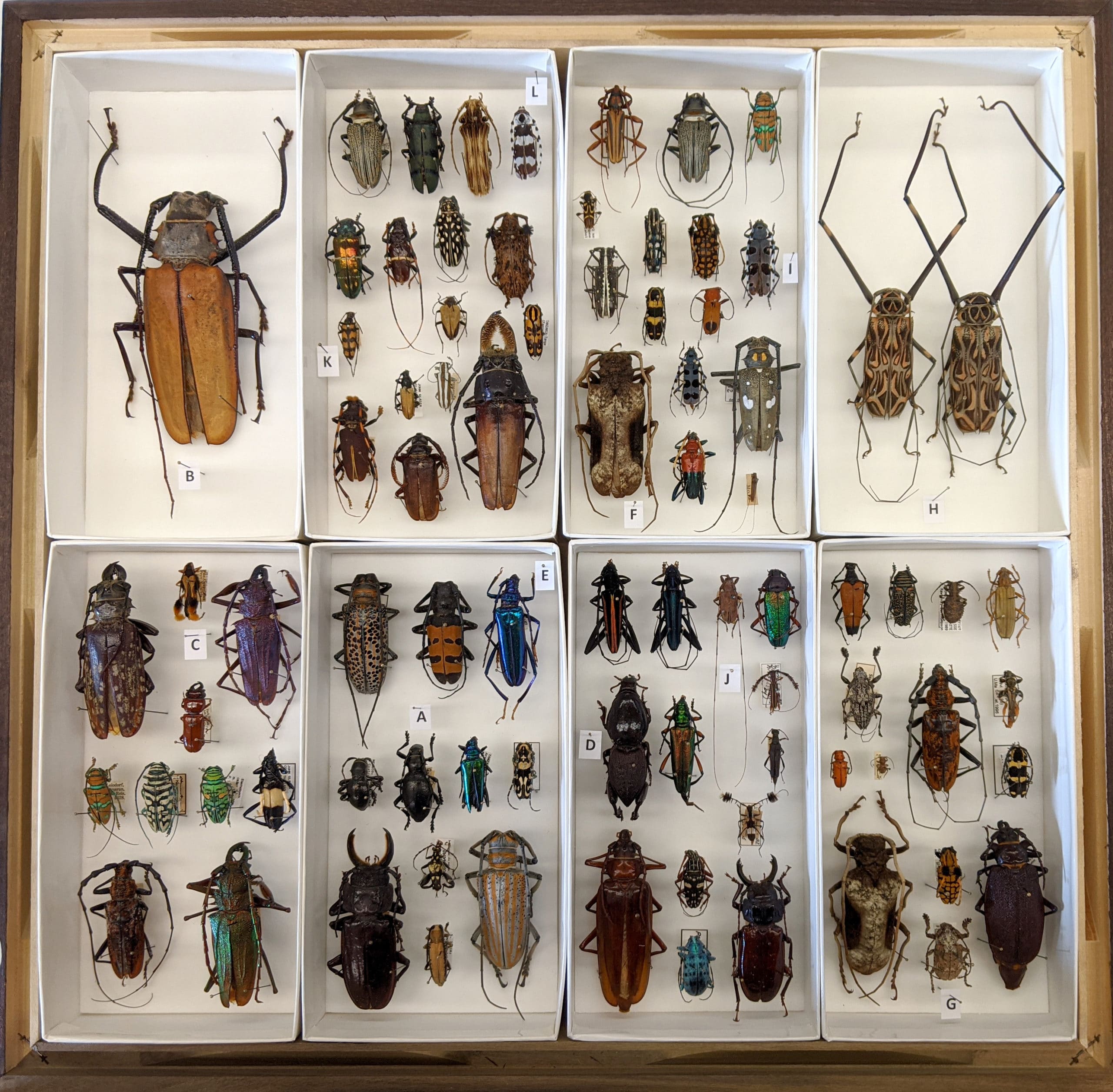
Longhorn Beetles

Longhorn Beetles

The longhorn beetles (Cerambycidae) are a favorite of Bob Androw, Collection Manager in the Section of Invertebrate Zoology.  Although these beetles are typically known for their very long antennae, that character varies and quite a few species have short antennae. 

Check out this drawer of diverse looking specimens from the Carnegie collection which represents just a few of the 26,000 species known.  It’s a large taxonomically diverse and economically important family of beetles which contains many common and showy species, some serious plant pests, and a number of species that are considered rare enough to be afforded legal protection.

Some species mimic other insects, such as ants, bees, and wasps in both shape and coloration.  The larvae are mostly wood-boring and occur in dead or decaying wood, with a few species feeding on live plant tissue.  A few are soil-dwelling as larvae, feeding on the roots of grasses and other plants. The adult beetles have a wide range of feeding habits that include visiting flowers for nectar and pollen; feeding on fruits and sap from trees; and feeding on bark, stems, and leaves. There are also some that don’t feed at all as adults and just one genus, Elytroleptus, is known to be carnivorous as a predator on net-winged beetles (family Lycidae).

A: Moneilema sp. – Subfamily Lamiinae. These flightless species breed as larvae in the living tissue of cactus in the Southwest United States and Mexico. The adults are mimetic of darkling beetles like Eleodes spp., in the beetle family Tenebrionidae.

B: Enoplocerus armillatus – Subfamily Prioninae. This is one of the largest species of Cerambycidae in the New World, surpassed only by the enormous Titanus giganteus. Both occur throughout the Amazon Basin, while Enoplocerus ranges north as far as Costa Rica.

C: Callisphyris sp. – Subfamily Cerambycinae. A spectacular example of mimicry of a wasp by a cerambycid, involving coloration and the fuzzy hindlegs.

D: Hypocephalus armatus – Subfamily Anoplodermatinae. One of the most atypical species of cerambycids, possessing very short antennae, legs adapted for digging and an oddly shaped body. It is primarily soil-dwelling, occurring in the northern parts of South America.

E: Aphrodisium cantori – Subfamily Cerambycinae. While such brilliant metallic colors make this species stand out against a white background, it would well camouflaged in its natural habitat, sitting on a green leaf in a sun-dappled jungle in Southeast Asia.

F: Petrognatha gigas – Subfamily Lamiinae. Native to tropical Africa, this species can almost disappear while sitting on charred wood despite its size. Females are attracted to recently burned areas where they deposit eggs in the damaged wood as a host for their larvae.

G: Onychocerus scorpio – Subfamily Lamiinae. This South American species is a great  example of cryptic coloration which allows it to blend into its surroundings when sitting on dead wood.

H: Acrocinus longimanus – Subfamily Lamiinae. The spectacularly elongate forelegs of this species make it notable amongst the Cerambycidae. The evolutionary driver for this is unknown, and no behavior involving these long appendages differing from other cerambycids has been observed.

I: Rosalia alpina – Subfamily Cerambycinae. This beautiful blue species is found across the European continent but is restricted to old-growth forests, leading to a decline in numbers. It is protected by law in a number of countries. The closely related Rosalia funebris (L) is found in the western United States, and while not uncommon, is not often observed. Can you find the third species, Rosalia batesi, from Japan, in the drawer?

J: Acanthocinus aedilis – Subfamily Lamiinae. The source of the common name of “long-horned beetle” is obvious in this species. It has one of the longest antennae-to-body length ratios in the Cerambycidae.

K: Leptura quadrifasciata – Subfamily Lepturinae. This common species is an example of the lepturines, the “flower longhorns” – showing a common color pattern mimicking the pattern of bees or wasps. The subfamily contains many species that are diurnal pollen feeders.

Filed Under: Blog Tagged With: Scientist Takeover, Super Science Days

September 18, 2020 by Kathleen

Scientist Takeover Activity: DIY Field Kit

Field Work

Research can take on many forms and occur in a variety of locations. We can conduct research through controlled experiments in sterile labs, or by closely reading of historical texts found in archives, among other research methods. Research can also occur “in the field.” This type of research is often called fieldwork, field research, or field study. Fieldwork in natural sciences like biology, geology, or ecology is used to understand how natural environments function. It involves the observation and collection of data about organisms and habitats in their everyday settings. 

Fieldwork requires a good deal of preparation. Along with planning accommodations, food, clothing, medical supplies, and the other usual travel needs, researchers conducting fieldwork also have to prepare for their on-site scientific investigations. To do this, they bring all the necessary gear required for observing, recording, collecting, etc. Some of the standard equipment is more highly specialized and expensive like GPS and certain measuring devices. However, most of the tools used in field work are similar to items easily purchased at your local grocery or hobby store. This means that we can actually make low-cost versions of these fieldwork kits to use in our very own backyards.

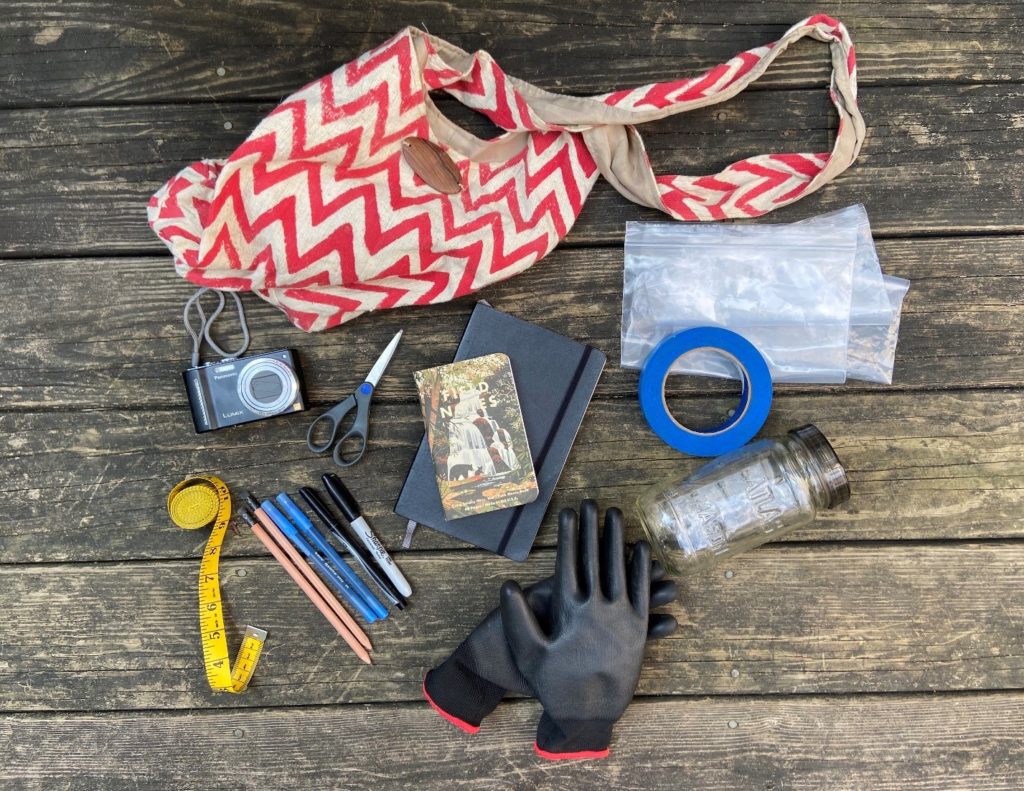
gloves, measuring tape, camera, tape, jar, notebook and pens

DIY Field Kit

Observing

When you are out in the field, your main task is to detect or discover. You might want to look for a particular species or maybe a pattern of interactions. To do this, you can mostly rely on your own senses of sight, smell, touch, and hearing (taste might also be useful in some instances, but we advise against tasting anything without consulting a professional). However, it can be helpful to have some tools that enhance your observational senses.

  • Binoculars and/or Magnifying Glass – Though our eyes are useful tools, they sometimes need help seeing things outside our normal abilities during observation. Binoculars are helpful for seeing higher detail of things in the distance. Magnifying glasses help enlarge finer details on objects up close.
  • Naturalist Guide Book or App – Print and online guides for observing can aid in knowing what to look for, where to look, and identifying what you observe. There are numerous options available at your local library as well as retailers. 

Recording

After you have observed something new, exciting, or simply something you want to remember, you need to record information about your findings. This step is key for future comparison, developing plans for ongoing observation, and keeping track of the things you have already observed.

  • Pencils and Pens– Always have a few writing implements with you during field work. You would not want to be empty handed when you see something important!
  • Notepad or Notebook – Smaller sizes can be more convenient for storage and movement in the field. However, any size will do. You will want to record the date, location, and details about your observations in the field in these notebooks. These entries can include sketches, descriptions of sights/sounds/smells/etc., and any other details that you find important.
  • Ruler or Measuring Tape (optional) – If you want to be fairly precise in your notes, you might want to have a tool for measuring specimens.
  • Camera (optional) – A camera can be useful for documenting a scene or specimen in nature. If you plan to use a camera, be careful with any sudden or invasive movements that might disturb the scene you hope to capture.

Collecting

Collecting samples may be useful for continued examination.

  • Gloves – Unless you know exactly what you are collecting, it is always a good idea to protect yourself. Use gloves when interacting with your samples.
  • Scissors – Depending on what you collect, scissors may not be necessary.
  • Glass and/or Plastic Containers – You will need some place to store your samples once collected. Rigid, hard containers will better ensure the safety of your samples, but plastic bags can also be used.
  • Labeling Marker and Tape – Always make sure to label your samples with date and location information. This way, you can more easily identify and compare your samples with your notes and other samples.

And last, but not least is the most important tool in your field kit… Patience. Patience is not technically a tool you can purchase, but it is extremely important for field work. It can sometimes take days, weeks, or even years to observe certain phenomena.

Now, put all these items in a case of your choosing (one with sections for organization, if possible) and see what you can find! 

This activity was written by Jane Thaler, a Gallery Presenter in the museum’s LifeLong Learning Department.

Filed Under: Blog Tagged With: Scientist Takeover, Super Science Days

September 17, 2020 by Kathleen

Scientist Takeover Activity: Measuring Leaves

The Surface Area of Leaves

The surface area of leaves plays an important role in plant growth and photosynthesis. Photosynthesis is the process by which plants transform light (light energy) into food (chemical energy). Light, water, and carbon dioxide gas are all necessary for photosynthesis to occur. Light is absorbed by leaves and differences in surface area exposed to light can change the rates of photosynthesis. Cell structures involved in carbon dioxide exchange, called stomates or stomata, exist in proportion to a leaf’s surface area. Water also evaporates, or transpires, through the many stomata on the leaf surface. As such, the rate of transpiration is directly related to the surface area. 

One method of measuring the surface area of leaves is known as the grid method or the grid count method. The grid method is useful for measuring a small quantity of leaves and is known for being highly accurate.

grid paper and ruler

Grid Method

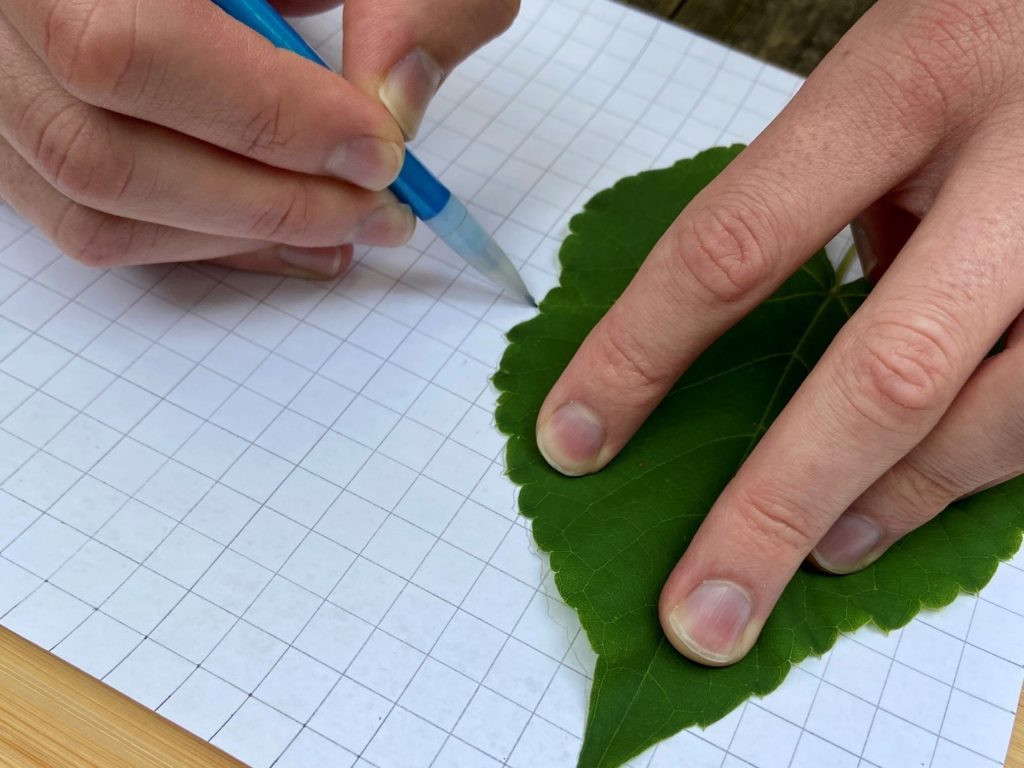
  1. Print or draw graph paper with a 1-centimeter grid (search “1 cm grid paper template” for printable options).
  2. Carefully remove leaf from plant and place on grid paper.
  3. Trace the leaf’s outline and remove the leaf.
tracing leaf on grid paper
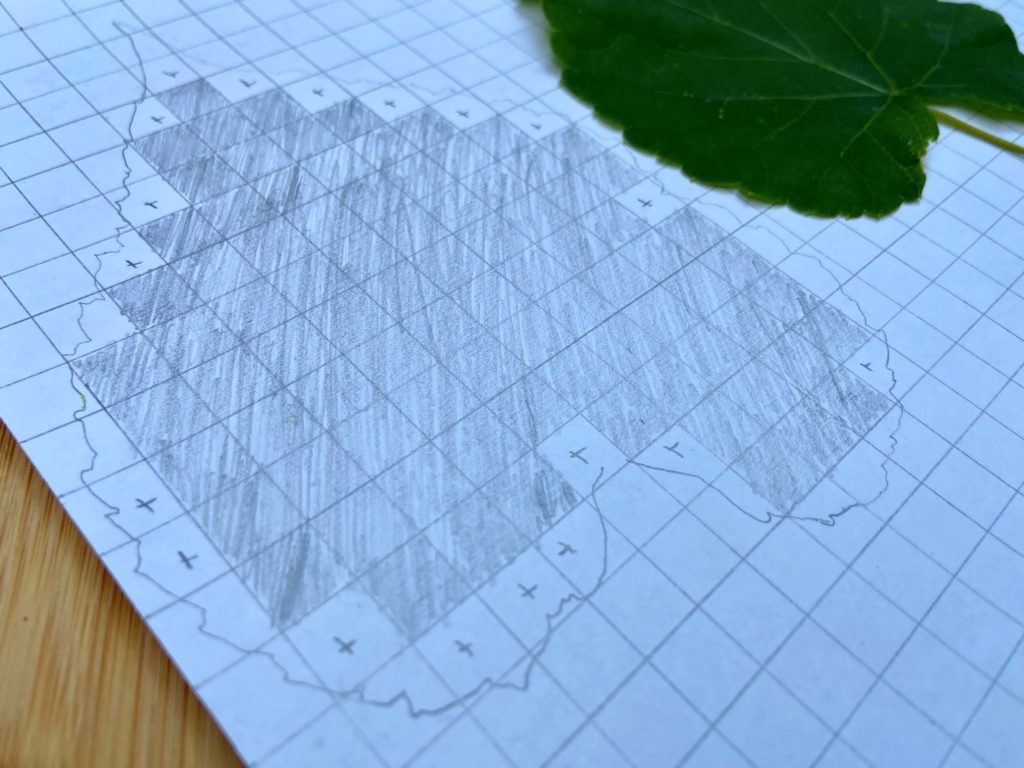
  1. 4. Count the number of squares that are completely within the outline.
leaf with grid shaded
  1. Estimate the areas partially covered – The simplest way to do this is: count a partial square if it is at least half covered by the leaf; do not count partial squares that are less than half covered.
shaded leaf grid with squares counted
  1. Add up the number of squares counted (fully filled + half full squares) and you now have the surface area of the leaf in centimeters squared (cm2).

This activity was written by Jane Thaler, a Gallery Presenter in the museum’s LifeLong Learning Department.

Filed Under: Blog Tagged With: Scientist Takeover, Super Science Days

September 16, 2020 by Kathleen

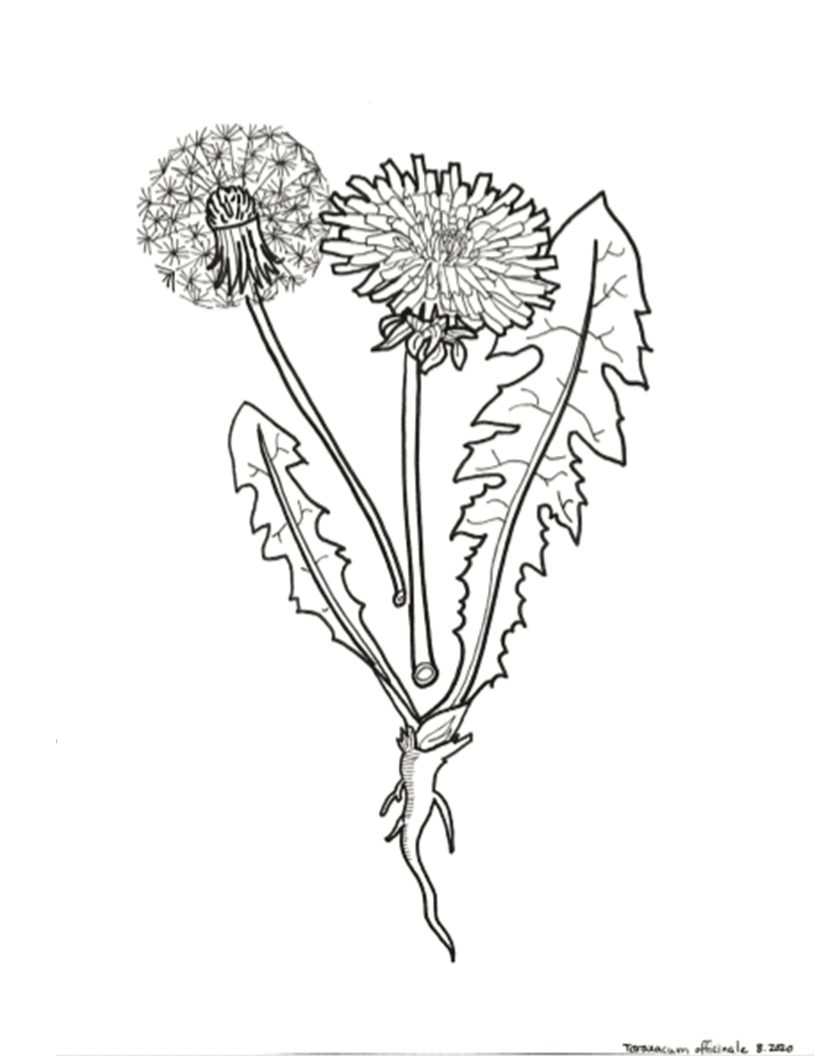
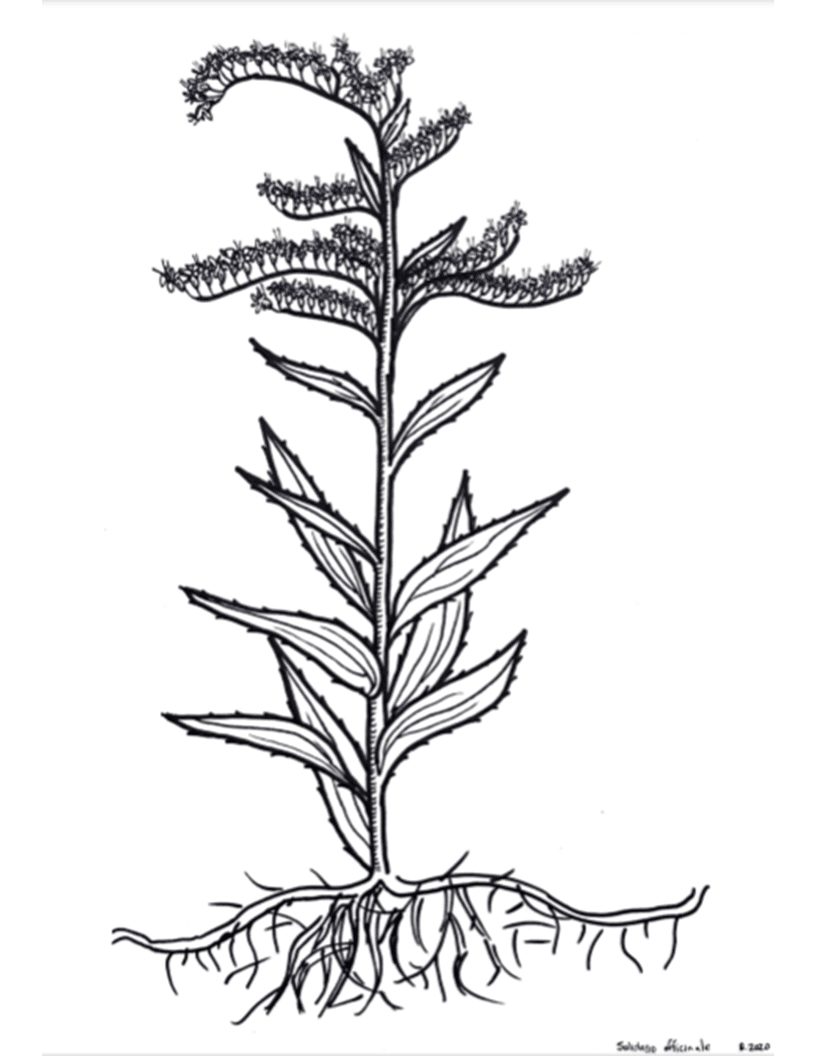
Scientist Takeover: Coloring Page Plants!

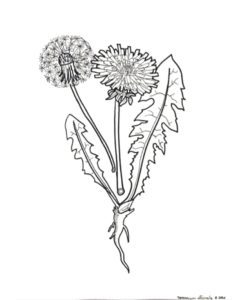
dandelion coloring page
Download Dandelion Coloring Image
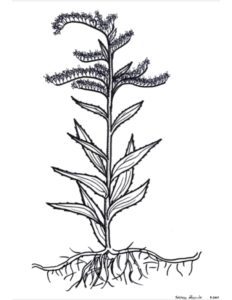
goldenrod coloring sheet
Download Goldenrod Coloring Image

Drawings by Sarah C. Williams, Curatorial Assistant, Section of Botany

Filed Under: Blog Tagged With: Botany, Scientist Takeover, Super Science Days

September 16, 2020 by Kathleen

Scientist Takeover: What is a Dichotomous Key?

A dichotomous key is a tool that allows the user to determine the identity of items in the natural world, such as trees, wildflowers, mammals, reptiles, rocks, and fish. Keys consist of a series of choices that lead the user to the correct name of a given item.

Let’s think of a plant or animal and practice using a very simple example of a dichotomous key together!

[gravityform id=”68″ title=”false” description=”false”]

Filed Under: Blog Tagged With: Scientist Takeover, Super Science Days

September 14, 2020 by Kathleen

Super Science: What’s an Ornithologist?

Today on the blog we’ll be talking all about birds, so thanks for joining me. If you’ve ever wanted to learn more about birds but didn’t know where to begin, then you’ve come to the right place. Whether you’re a young person just starting to take an interest in science or an adult looking to delve deeper, I think you’ll find some interesting surprises on our adventure. What do we call a scientist who studies birds? If you guessed ornithologist, you’re right! The word comes from the Greek for “bird” and “discourse on;” ornis and logos respectively.

So, with that info in mind, can you guess what an ornithologist’s cereal says when they pour milk over it at breakfast? Hint: Think bird names. Give up? “Snipe, Grackle, Peep!”

Tools Ornithologists use to observe birds

  1. A notebook to record your careful observations.
  2. A a bird field guide. If you don’t have one, check one out from your local library to expand your knowledge. You can use such a guide to confirm which birds you’ve observed and documented in your notes. You should also consult the Cornell Lab of Ornithology online. If you’ve ever heard birds chirping in our Hall of North American Wildlife, those recordings came from Cornell University’s archive!
  3. Binoculars! These are a must, whether you’re someone who wants to take your birdwatching to whole a new level of detail, or a kid who wants to tackle a fun project with their adult.

Make Your Own Binoculars!

Supplies Needed

  • Two cardboard toilet paper tubes
  • Scissors
  • Stapler
  • Clear tape
  • Paint, magic markers, stickers, and/or wrapping/construction/scrapbooking paper

Directions

  1. Decorate your two cardboard tubes. Be creative! You can paint them, cover them with stickers, draw on them—you name it! If you choose to wrap your cardboard tubes with paper, make sure to ask your adult for help. They’ll help you measure the paper and cut it to size so that it will cover each tube just right. Your adult can also help you to tape the newly sized paper to each tube accurately.
  2. Have your adult safely staple the two tubes together with one staple at each end of your new cardboard binoculars. Voila! You’re ready to have fun using your imagination as you learn about birdwatching and the roles birds play in our everyday life.

Whether you live in the city, suburbs, or in a rural area, birds are a major part of your environment. The Oakland neighborhood of Pittsburgh, home to Carnegie Museum of Natural History, is no exception. Great Blue Herons (Ardea herodias) are no strangers and Peregrine Falcons (Falco peregrinus) are known to nest at the very top of the Cathedral of Learning.

In the autumn at twilight you’re bound to see clouds of starlings and crows getting ready to migrate. As for the crows and starlings, don’t worry, you’re not in a Alfred Hitchcock movie, it is a perfectly natural formation. These birds flock together for protection from another bird that calls Pittsburgh home, the Great Horned Owl. As humans we’re slowly becoming more conscious of the fact that we share our urban spaces with birds. Carnegie Museum of Natural History is doing its best to keep birds safe as we strive to coexist with the natural world around us. Last year, in 2019, the museum in conjunction with Birdsafe Pittsburgh began applying experimental films to its windows to help birds see the glass and avoid death from a collision.

I hope this blog has either encouraged you to give birdwatching a try for the first time, or rekindled an interest of longstanding. Birding allows all of us to more deeply explore our local ecosystems and to appreciate our indelible link with the natural world.

Nicholas Sauer is a Gallery Presenter and Natural History Interpreter in Carnegie Museum of Natural History’s LifeLong Learning Department.

Filed Under: Visitor Info Tagged With: Scientist Takeover

  • « Go to Previous Page
  • Page 1
  • Interim pages omitted …
  • Page 3
  • Page 4
  • Page 5
  • Page 6
  • Page 7
  • Interim pages omitted …
  • Page 13
  • Go to Next Page »

sidebar

About

  • Mission & Commitments
  • Directors Team
  • Museum History

Get Involved

  • Volunteer
  • Membership
  • Carnegie Discoverers
  • Donate
  • Employment
  • Events

Bring a Group

  • Groups of 10 or More
  • Birthday Parties at the Museum
  • Field Trips

Powdermill

  • Powdermill Nature Reserve
  • Powdermill Field Trips
  • Powdermill Staff
  • Research at Powdermill

More Information

  • Image Permission Requests
  • Science Stories
  • Accessibility
  • Shopping Cart
  • Contact
  • Visitor Policies
One of the Four Carnegie Museums | © Carnegie Institute | Privacy Policy | Terms of Use | Accessibility
Rad works here logo