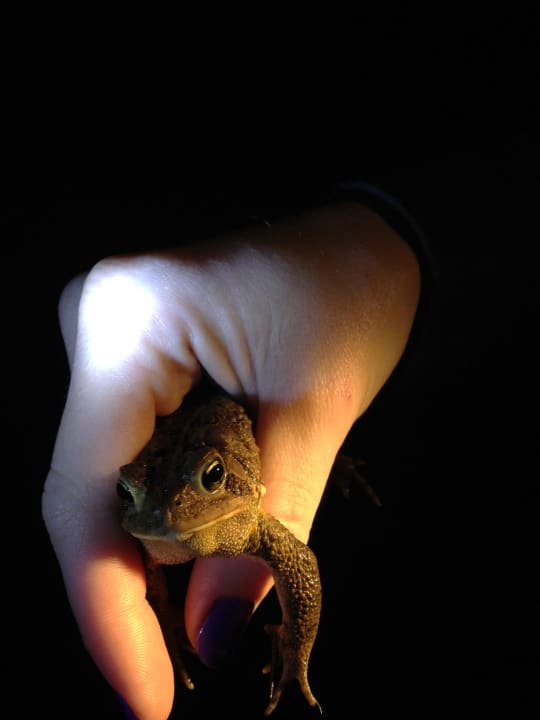
Think back to when you were a child – what was your favorite way to learn how something works? Mine was to ask loads of questions and then jump in and get my hands dirty. I specifically remember catching toads in the backyard with my mom, asking questions about their appearance and where they lived. She would tell me about the myth of them giving you warts, that they might pee on your hand if they were scared, and how to hold them gently and then let them go. Twenty years later, I became a research ecologist studying amphibian diseases, and I learned how to sharpen these inclinations into more robust skills: how to create focused questions and experiments, collect and analyze data, and present the findings to a range of audiences.
Today, I teach and design curriculum for home-school and summer camp programs at Carnegie Museum of Natural History. Fostering the learners’ own questions and devising hands-on ways to investigate them is the focus of my work. Science and nature provide unlimited opportunities for first-hand investigations, and the process of metamorphosis is one of my favorite examples.
An 8-year-old camper has likely learned about butterfly metamorphosis in school, and might be able to name the four stages: egg, caterpillar, pupa, and adult. Scientists call this four-stage process “complete metamorphosis,” a term whose qualifier invites one to wonder, “what is incomplete metamorphosis?” Enter the majestic dragonfly. Dragonflies also go through metamorphosis, but with only three stages: egg, nymph, and adult; their transformation is therefore termed “incomplete.” Noting this small difference suggests another question: what else is different about a dragonfly?
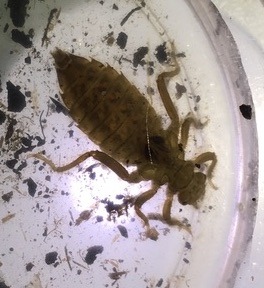
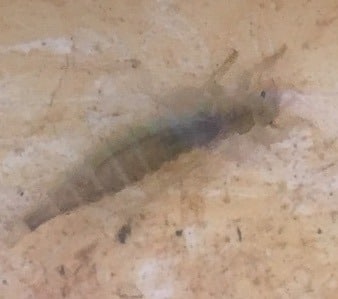
Well those first two stages – eggs and nymphs – are in water! That is why they are part of the far larger group of aquatic macroinvertebrates, creatures with no backbone that can be seen without magnification and that live at least part of their life in water. Some dragonfly nymphs are impressive predators and can live for years in this aquatic phase, even though their adult lives last only a few weeks. In what ways, I challenge the 8-year-olds, is this transformation similar or different from that of a caterpillar and a butterfly?
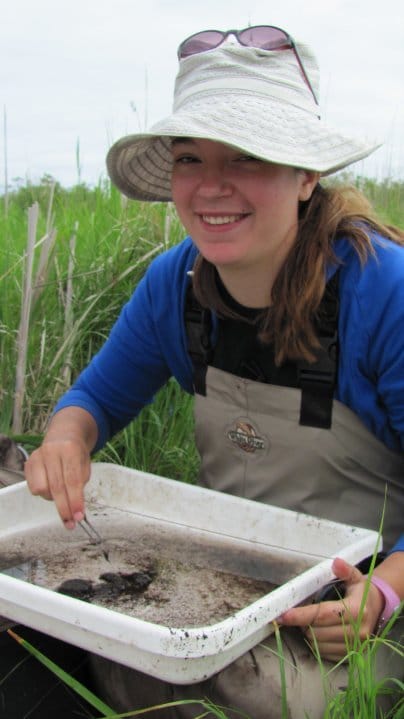
After we’ve explored these questions, we make a trip behind the scenes to look at some insect specimens up close, and allow the students to directly ask the museum’s research scientists even more questions. Finally, we visit Powdermill Nature Reserve to get our hands muddy by looking for dragonfly nymphs and other aquatic macroinvertebrates in the research station’s namesake stream. And before we know it, we’ve done actual science: used the scientific method to gain understanding about the world around us!
I came to teaching from research science because I love building interactive experiences of the world around us like these into courses that can educate and inspire young people. This type of scientific inquiry is universal, and these practices can be adjusted for age. A class about dragonflies for a 12-year-old group, for example, might focus on data collection and include the presentation of our findings to the younger campers. Whatever the age level though…I get to get my hands dirty.
Jenise Brown is a Museum Educator with Carnegie Museum of Natural History. Museum staff, volunteers, and interns are encouraged to blog about their unique experiences and knowledge gained from working at the museum.
Related Content
We Are Nature: Living in the Anthropocene (Video)
