• Skip to primary navigation
  • Skip to main content
  • Skip to primary sidebar

Carnegie Museum of Natural History

One of the Four Carnegie Museums of Pittsburgh

  • Visit
    • Buy Tickets
    • Visitor Information
    • Exhibitions
    • Events
    • Dining at the Museum
    • Celebrate at the Museum
    • Powdermill Nature Reserve
    • Event Venue Rental
  • Learn
    • Field Trips
    • Educator Information
    • Programs at the Museum
    • Bring the Museum to You
    • Guided Programs FAQ
    • Programs Online
    • Climate and Rural Systems Partnership
  • Research
    • Scientific Sections
    • Science Stories
    • Science Videos
    • Senior Science & Research Staff
    • Museum Library
    • Science Seminars
    • Scientific Publications
    • Specimen and Artifact Identification
  • About
    • Mission & Commitments
    • Directors Team
    • Museum History
  • Tickets
  • Give
  • Shop

April 20, 2023 by

So Many Bugs!

  • Third Floor

Explore Bug Hall to learn about the creatures that make up more than 80% of all life on Earth: arthropods. Compare the varied colors of butterflies, moths, and beetles. See enlarged dioramas of where bugs live. Watch a slow-motion video to understand how bugs move.

Behind the scenes, the museum’s invertebrate zoology collection houses 14 million pinned bug specimens in 30,000 drawers. Museum scientists use them in their research to better understand the world around us.
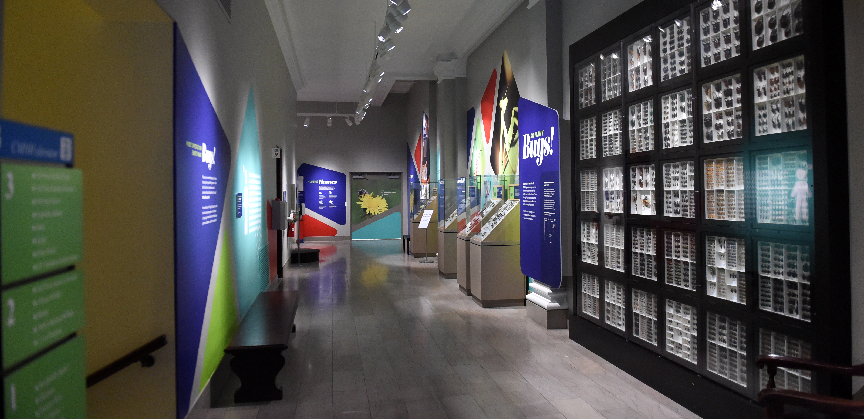
The brand new Bug Hall

Meet our Invertebrate Zoologists

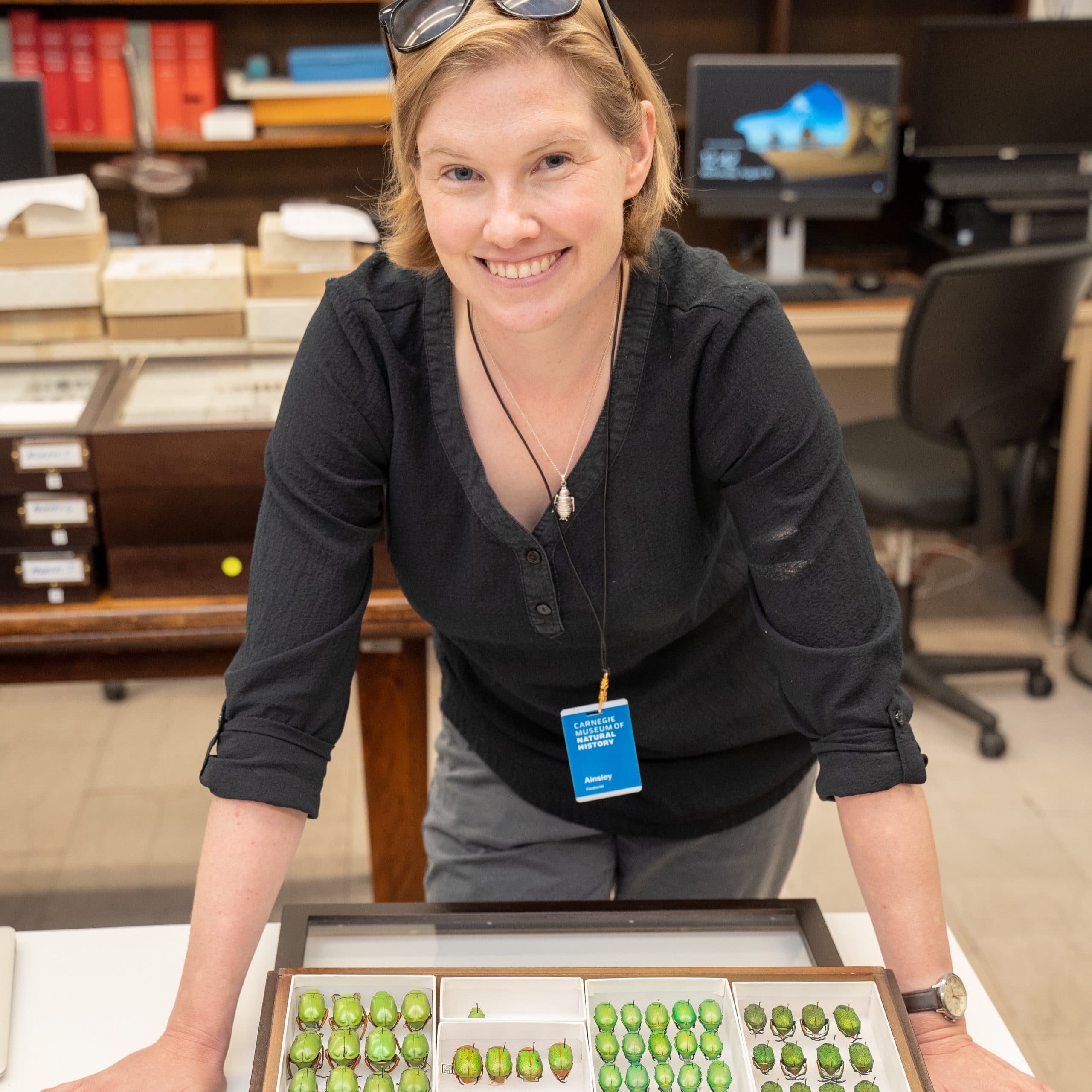
Ainsley Seago

Ainsley E. Seago, Ph.D.

Associate Curator, Invertebrate Zoology

Learn More

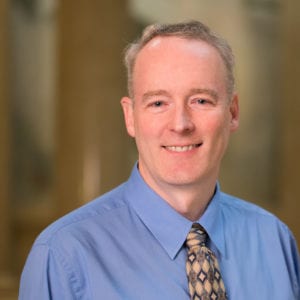
Fetzner, Jim

James W. Fetzner, Jr., Ph.D.

Assistant Curator

Learn More

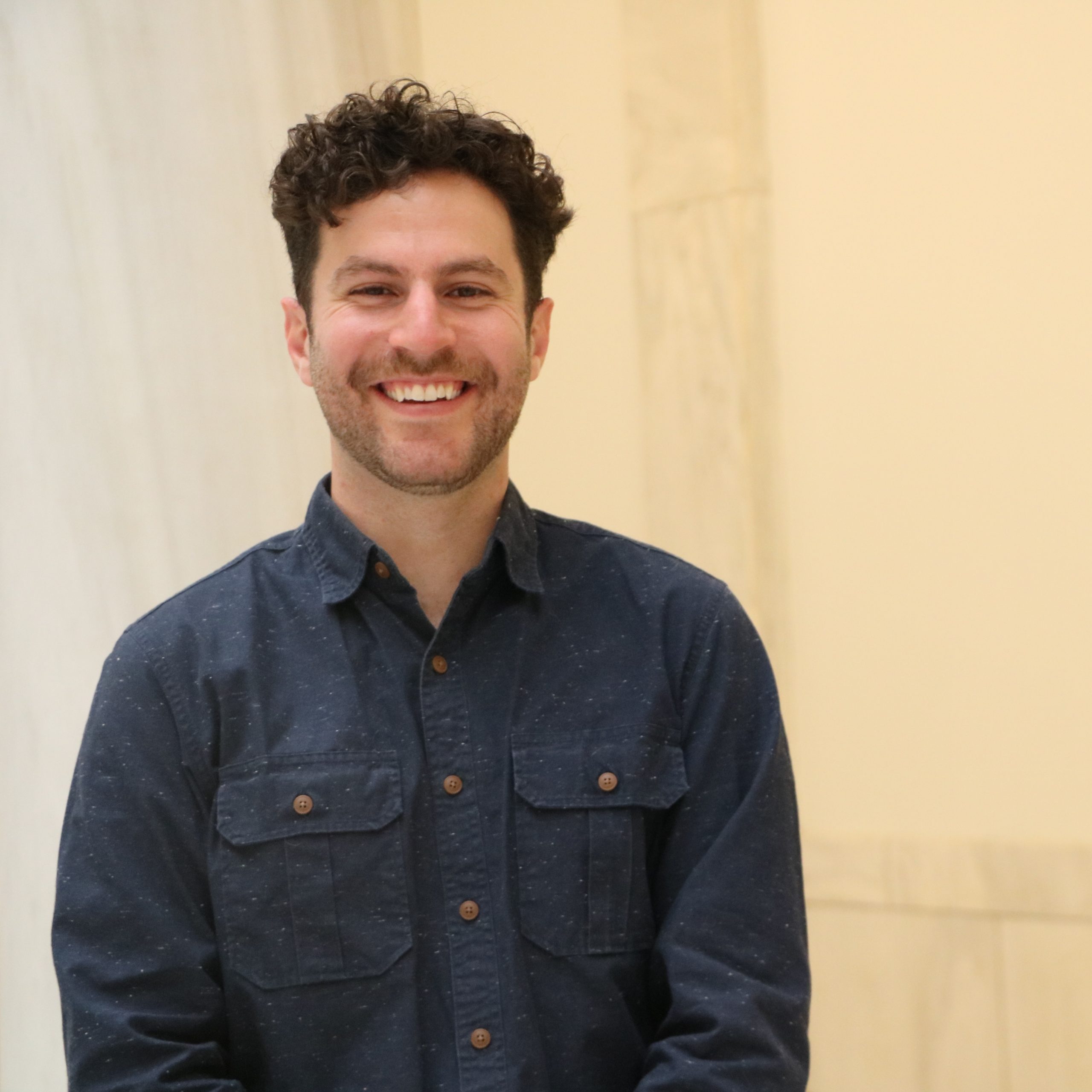
Kevin Keegan

Kevin Keegan, Ph.D.

Collection Manager

Learn More
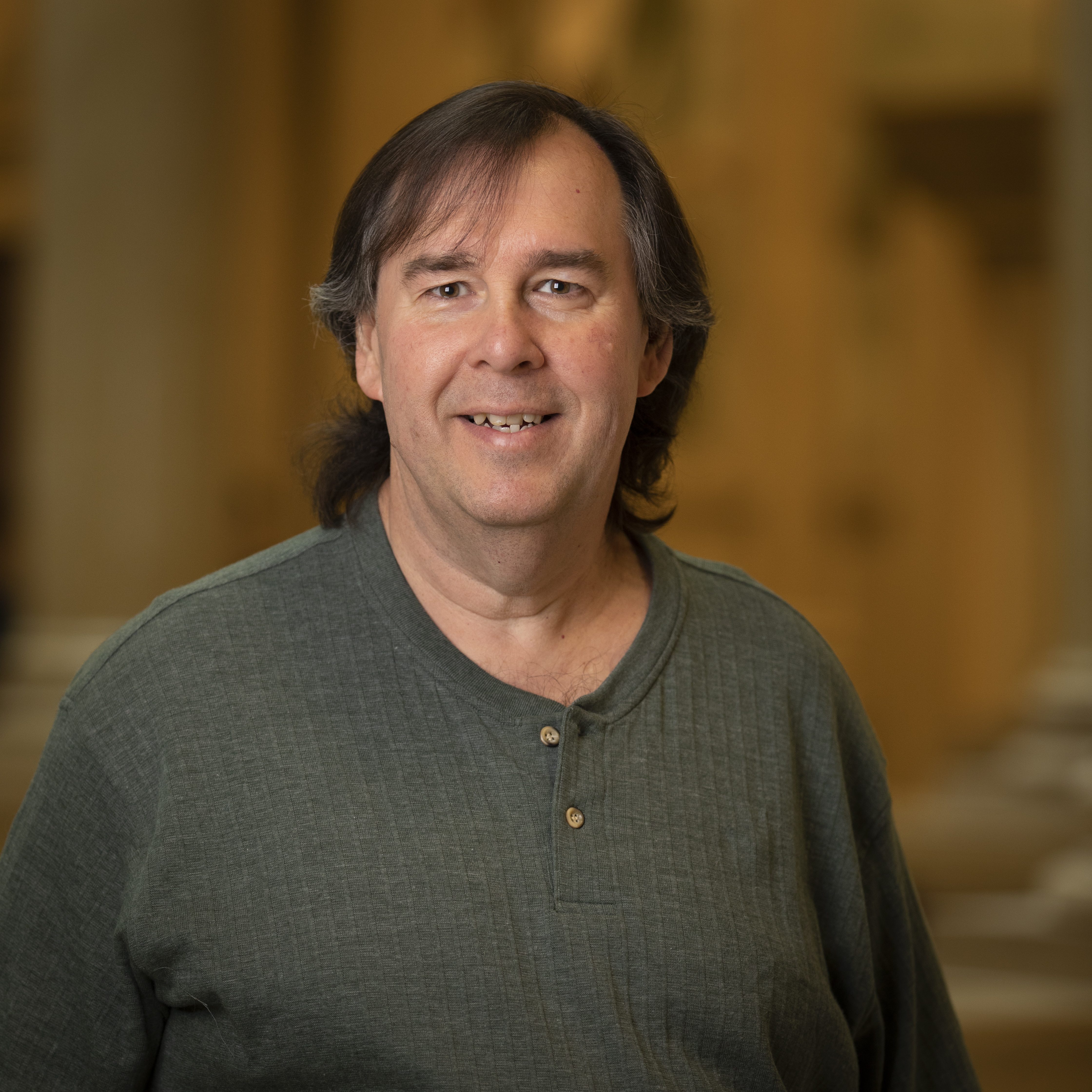
Bob Androw

Robert Androw, B.S.

Collection Manager

Learn More

Learn about the Invertebrate Zoology Collection at the Museum

Learn about the Section of Invertebrate Zoology

Blogs about Bugs

  • Do No Harm: Dealing with Spotted Lanternflies

    Do No Harm: Dealing with Spotted Lanternflies

    by Jonathan Rice Spotted lanternflies are a “true bug,” cousins of the cicada and stink bug. Unlike our native bug species, these …

  • Can’t Choose Just One: Asking an Entomologist to Name Their Favorite Native Species

    Can’t Choose Just One: Asking an Entomologist to Name Their Favorite Native Species

    by Bob Androw I was recently asked what my favorite native species of beetle is. A seemingly simple question, but one with …
  • Beyond the Simple Ecosystem Graphic: Teaching About Biodiversity and Pollination

    Beyond the Simple Ecosystem Graphic: Teaching About Biodiversity and Pollination

    by Pat McShea You probably remember some version of this graphic: simple line drawings linked by arrows to chart energy flow through …
  • Two Perspectives on Attending a Course on Moths and Butterflies in the Southwest

    Two Perspectives on Attending a Course on Moths and Butterflies in the Southwest

    by Kevin Keegan and Vanessa Verdecia Kevin Keegan, Collection Manager of Invertebrate Zoology (IZ), and Vanessa Verdecia, Scientific Preparator for IZ, recently …

Filed Under: Uncategorized Tagged With: bugs, insects, Invertebrate Zoology

September 29, 2022 by

About Carnegie Museum of Natural History

T. rex fossil skeleton
kids holding large casts of claws
two people looking at herbarium sheets
140321_0066-2
2025_CMNH_CAMPS_DAY1_WEB-30-2
MEU_0044-2
previous arrowprevious arrow
next arrownext arrow

Carnegie Museum of Natural History, one of the four Carnegie Museums, is among the largest natural history museums in the United States. Founded in 1895 by philanthropist Andrew Carnegie, the museum cares for, studies, and interprets an extraordinary collection of 22 million scientific specimens and objects. Learn about our mission and commitments below, or follow the links to meet the Directors Team and explore museum history.

Our Mission

To deepen wonder and advance understanding of our natural world—past and present—in order to embrace responsibility for our collective future. 

Our Commitments

In 2022, the museum staff and community collaborated on a new strategic framework for Carnegie Museum of Natural History, which included defining the museum’s inspired and authentic commitments to its staff, to its community, and to the world—commitments to which the museum promises to dedicate and hold itself responsible in order to achieve its mission.

We Are Nature: Recognizing that humans are an inextricable part of nature—a powerful yet fragile relationship that has evolved over thousands of years

Essential Science: Illuminating the science and championing the people who help us understand the most pressing issues facing the Earth and its inhabitants

A Cherished Collection: Stewarding and studying the millions of specimens and objects in our care, which together provide the evidence of life and change on Earth over time

Inclusive Perspectives: Inviting and collaborating with our fellow staff, trusted partners, and communities to enrich and strengthen our interpretation and storytelling

Courageous Accountability: Acknowledging and rectifying the inequities that pervade our past and our present

Pride of Place: Understanding, welcoming, and serving Pittsburgh and the region

Our Core Values

Carnegie Museum of Natural History shares and embraces the Core Values of the Carnegie Museums organization, of which we are proud to be one of the four museums. 

Filed Under: Uncategorized

July 13, 2022 by

Coal Goals, Part 1: Coal, Climate, & Community

This is a transcript of the We Are Nature podcast from Carnegie Museum of Natural History and Michael Pisano.

CarnegieMNH · Coal Goals, Part 1: Coal, Climate, & Community

Stacy Magda (00:00:02):

Every mine starts with an exploration or an idea that there’s coal here and we want to mine it in some fashion. And the end game to every single coal mine is an abandoned mine drainage that is going to pollute a creek, a run, a stream, or a river. For every single one, that’s the end point. There’s an active, deep mine just up the road. People are losing their homes. This is 2021, people are losing their homes to coal mining. People are losing their water to coal mining, their springs. The deepest concern is this entire mountain. The majority of people rely on well and spring water. And if we lose that, what do we have? We’re all sitting here wondering if we don’t do this work, if we don’t fight these impacts, what will be left of the people of the Laurel Highlands? Without community, we are nothing. And when communities come together, enormous things happen. Enormous things happen. Not only are we better connected to each other, there for ourselves, but we get things done.


Michael Pisano (00:01:33):

Welcome to We Are Nature, a podcast miniseries presented by the Carnegie Museum of Natural History. I’m your host, Michael Pisano. And in this series, we are talking about climate change mitigation. Yeah, you heard me, climate change. That crotchety old dragon burning up all our thatched roofs and hayfield wagons, and piles of scrap hay. I know that sometimes, maybe even a lot of the time, it feels like the dragon is just going to ruin everything and that we might as well give up on our sweet flammable town. But for the next hour, I invite you to set aside your fear of burning to a crisp and instead to imagine anti-dragon action. Maybe it’s redirecting some of our hay subsidies to fund fireproofing education. Maybe it’s cleaning up the impenetrable bog outside town to reintroduce the dragon’s natural predator, which as we all know, is the impenetrable bog giant Venus flytrap. Or maybe it’s getting all the towns folk together to pool their anti acids into a dragon size tub of tums. Whatever the case for the next hour, we’ll be finding reasons to be hopeful in the face of rising temps.

Throughout this series, we’ll hear all sorts of reasons, from all sorts of people who are working hard and working together to address the change in climate for and with their communities. To begin, we’ll be running around rural Pennsylvania, where we’ll meet farmers, activists, scientists, and others putting hope into action. Today’s episode features the Mountain Watershed Association, a community organization in the beautiful Laurel Highlands. They fight for the protection, preservation and restoration of the Indian Creek and greater Youghiogheny River watersheds. If you’ve ever spent time in Ohiopyle or Seven Springs, or around Fallingwater, then you know the stunning Appalachian Mountain sides and waterways that Mountain Watershed helps to steward.

Living in Pittsburgh, I know the Laurel Highlands is a destination for outdoor recreation. Drive an hour and change south, and a lucky Pittsburgher can be hiking through one of the five national parks or nine state parks there, climbing up Pennsylvania’s highest peak or down into its deepest gorge. Or they could be fishing or kayaking, or swimming, or skiing down the snowy mountain. Truly the Laurel Highlands are an incredible place to spend time. And tourists agree, to the tune of around $2 billion a year, making tourism the second most lucrative regional industry behind farming.

It wasn’t so long ago that mining was the number one industry in the Laurel Highlands. As we’ll learn, it’s tied up with the history of Pittsburgh’s steel industry, and there’s still coal mining, another extraction in the area, but it’s declining. The region’s communities are faced with a transition in economy and identity, and priorities. And groups like Mountain Watershed Association are helping people navigate this transition and the associated inevitable growing pains. They’re doing it by building community around basic shared interests like clean water. In coming together, they’re creating new opportunities, they’re stewarding their homelands and they’re nurturing resilient, hopeful futures.
I got to visit Mountain Watershed’s office in Melcroft, Pennsylvania this past summer. We started the day with some light water quality sampling along Indian Creek. And then I hung out in their backyard chatting with staffers, Ashley, Stacy, and Eric, about 100 year floods, natural spring water, how to block a new coal mine and all sorts of other topics from the history and the future of the Laurel Highlands. We’ll hear from all three of them in today’s episode, starting right now with Mountain Watershed’s executive director, Ashley Funk.


Ashley Funk (00:05:21):

So our mission, as we say it on paper is to protect, preserve and restore the greater Youghiogheny River watershed. We also focus on a sub watershed that we’re in right now, it’s called the Indian Creek watershed. And so we do our work in three approaches, I would say. The first is active conservation work. So we work to clean up damage that has been caused by industries in the past, predominantly the coal industry. And then we also do some other restoration work like stream bank restoration. We also do monitoring work in that to test to see if there’s any new sources of pollution in the watershed. We also do a lot of community outreach to interface with the community and get it, really connecting people with their natural environment in an educational way. The last branch of what we do, which is part of probably the largest component of a lot of what we do is our advocacy work.

So we try to prevent new harm from coming into the watershed that is going to cause impact for community members, their waterways, and also just quality of life in general. So a lot of what that is, is focused around the coal industry within this area, and then also the shell gas industry. So even though a lot of people think that coal is dead, it is not dead by any means here. We have new mines that are proposed all the time, new processing facilities that are proposed all the time. And because we have such a historic legacy of mining pollution within this watershed, it feels really important for us to prevent new harm from coming down the road.


Michael Pisano (00:06:50):

Yeah. Incredibly important, I’d say. And I’m curious to hear more about the history of extractive industry in the area. Could you, I mean, do you have kind of a brief version of that?


Ashley Funk (00:07:01):

Yeah. So this area, for the most part, the coal mining was happening because we were the source for Pittsburgh steel industry. So our coal here is predominantly metallurgical coal, which is the type of coal that is then made to cook, which is then used for steel production. And so at one point all throughout this area, there were thousands of beehive ovens. Which, so miners would mine the coal, and then they would process it in these beehive ovens. And people talk about how just the sky would glow red. So I grew up in a community that’s just about 20 minutes from here and it’s called Mount Pleasant now, but it was called Helltown at one point. And people said that it would just glow like that. The zip code is actually 15666, and that is why the Helltown Brewery, if you’ve ever heard of it, is from there.


Michael Pisano (00:07:52):

I like their beer.


Ashley Funk (00:07:54):

Yes, they are from the town. It’s not, it doesn’t glow red anymore. There are no active beehive ovens. Yeah. So this whole area was largely, so much of the extraction was for that. And the coal was transported a lot through the rivers because Youghiogheny, the meaning of that is the river that flows backwards. And so it goes from south to north. So it flows up towards Pittsburgh. So they would use the rivers. And that’s really what created so much of the landscape is using rivers and the rail lines to transport the coal up to Pittsburgh. And then it’s used for steel. And still today, where we were seeing mining is still metallurgical coal used for steel production.


Michael Pisano (00:08:41):

Let’s talk about the history of coal in Pennsylvania. 300 million years ago during a geological period, that’s actually named the Pennsylvanian after our state’s widespread coal deposits, Pennsylvania was covered in swampy, boggy forests. This environment produced peat, a chunky layer of partially decomposed twigs, leaves, roots, and other organic material you might find in a swampy, boggy forest. Peat is really great at storing carbon. As of 2022, even though less than 3% of the earth is peat land, it stores a third of the planet’s soil carbon. Back to the Pennsylvanian period. Over millions of years, oceans covered the ancient peat forests. The peat was buried under marine sediments and over many, many years, underground pressure turned the trapped peak into coal.

Fast forward about 300 million years, give or take to the late 1700s. Pennsylvanian colonizers discovered coal deposits all across the state. The first bituminous coal, the kind that would later be used in steel production, was found just across the river from Pittsburgh in Mount Washington. Today, we know that the coal there is part of an enormous deposit known as the Pittsburgh coal seam, which stretches 11,000 square miles over 53 counties in four states.

By the year 1830, Pittsburgh on its own was consuming more than 400 tons of bituminous coal every day. By 1850, Pittsburgh was the primary market for US coal period. Coal surpassed wood as the largest American energy source in the 1880s. And it held that position until the early 1950s, when petroleum took the top spot. As of 2022, coal still provides about a quarter of all energy production worldwide, but burning coal accounts for almost half of global carbon dioxide emissions. Coal is energy dense, though not all of that energy is easily converted to electricity.

The average coal power plant is only 35% efficient, meaning that it takes over 700 pounds of coal to light a single 100 wat incandescent light bulb for one year. This inefficiency and the chemical complexity of coal translates into air pollution. The carbon in coal has been locked up underground for hundreds of millions of years. So burning it adds more carbon back to the atmosphere than what’s been here for hundreds of millions of years. And burning coal doesn’t just release carbon dioxide, but also mercury, methane, sulfur oxides, nitrogen oxides, carbon monoxide, vaults or organic chemicals, and other poisons.

This is what makes burning coal bad for the climate and for human respiratory health. In the Laurel Highlands and other places where coal is mined, it’s also a threat to soil and water quality. Next episode gets very specific and joyously nerdy about what happens when you dig up 300 million year old rocks. For now so we can get back to the Laurel Highlands, here is the quick, quick version:

To mine that very old coal, you have to dig up all the other rocks between the surface and the coal. Those rocks contain lots and lots of different elements. And unfortunately, a lot of these are not fun. For example, lead, mercury, cadmium, selenium, toxic metals that you do not want in your life. Also, sometimes often minerals that occur around coal seams create sulfuric acid when they’re dug up and exposed to surface air, water, and microbes. The acid helps dissolve the toxic metal bits and this wonderful cocktail of acid and metals, which is called AMD or abandoned mine drainage, or acid mine drainage, or abandoned mine discharge, AMD flows out of mines into waterways.


Ashley Funk (00:12:37):

A lot of the discharges around here that we see, some of them are pH of around three, which is close to vinegar. So you have bodies of water that are the pH of vinegar. And we know that vinegar doesn’t really let things live, it pickles it. So we can’t have that for our waterways. And this is something that even with the technologies and improvements in mining, and attempts for the industry to be better than they might have been in the past, this is always going to be a problem that happens. You will always, at some point, have some type of mine discharge, because again, you’re ripping that coal seam out.


Michael Pisano (00:13:17):

If you’ve ever been out and about, and seen orangeish, reddish, rust colored water, that’s very likely a sign of the metals in abandoned mine drainage settling out into a rusty, toxic sludge. The impacts on wildlife are what you think. Acid water, not great, toxic metals, not great. And this is a widespread issue. The Pennsylvania DEP, the Department of Environmental Protection has identified 5,500 miles of AMD polluted waterways across the state. Almost 900 of those are in the Laurel Highlands. Again, for more detail on all of this, check out next episode. I talk to a bio geochemist who studies abandoned mine lands and learn about some very satisfyingly sciencey solutions to clean up this mess. And speaking of solutions, the people of the Laurel Highlands are working on it. There are almost 70 AMD treatment systems throughout the region. Five of which Mountain Watershed runs. Altogether, they treat almost 9 billion gallons of AMD a year. Pretty solid.

This cleanup effort doesn’t only benefit wildlife. I mean, people of course do need clean water. The Laurel Highlands farmers need clean water. The tourism in the region relies on swimable, fishable water, and proximity to AMD is shown to bring down property values. If the Laurel Highlands cleaned up all its abandoned mine drainage, the one time property value gain could be as high as $765 million. Pretty cool, pretty significant. Oh, and remember the orange, rusty AMD sludge, turns out that stuff is cholk full of valuable elements that would be unbelievably lucrative to mine. More on that next episode. This is a great example of how moving away from resource extraction doesn’t have to be a story of loss and economic downfall as coal companies slowly abandon the area. Instead, this transition can be prosperous. It can pay off and provide cash that will stay in the community. By contrast, the surviving coal industry in its attempt to scrape every last bit of coal out of the Laurel Highlands is literally threatening people’s homes. Here’s Ashley Funk again.


Ashley Funk (00:15:35):

Coal mining also within the state, you’re permitted to take someone’s water supply, like pollute it or just take it, meaning that it no longer exists, through a mining practice as long as the operator restores it. They say it’s either equal or improved quality. So a lot of times what this means is they’ll try to drill a new well for someone if the mining operation takes their water. Or if they can’t, they’ll hook them up to public water. And around here, it’s really challenging to hook people up to public water because the public water lines don’t run out that far. There have been people that I’ve worked with who have been on water, have had water buffalos as their source of water, where there’s a heavy chlorinated water that’s not really good for human consumption. They’ve had them for years with no water supply.

And when you take someone’s water supply, the value of their house is worth nothing. And they also just, they aren’t able to live the same quality of life. Another big concern around here is we have so many springs everywhere. A lot of people come to this area because they know Seven Springs and it’s actually is based on Seven Springs, but there’s more than just that. And so you have, if a mine comes through, there’s a chance that it’ll take that spring water, which might feed livestock, which might be the source of water for your house. And spring water is exceptionally high quality water in a lot of times.

I mean, it’s really low in iron, which is really common around here in the waterways. It’s low in different metals and people really depend on it for a healthy form of drinking water. I mean, you have companies that come into small towns all the time, someone like Nestle and they want to privatize spring for that bottled spring water that you buy. That’s the quality that we’re looking at. And if a coal company takes this away, there’s really no way that they can reproduce the quality of water in that same way. And we’re also making it more challenging for people to live in a sustainable way where they can use the water from the land that they live on. They can be stewards of that property. All of a sudden, if you have your water coming from a pipe that comes miles away, you become more disconnected from that and from the land.


Michael Pisano (00:17:49):

Identifying this kind of essential shared interest can be helpful for anyone seeking to make change in their community. Mountain Watershed has had great success starting conversations across the politically divided Laurel Highlands by focusing on clean water. If you’re working on a similar problem where you live, think about what shared basic human right it might threaten and how you might lead with that when inviting your neighbors to participate, regardless of their views on extraction capitalism. For more on water and rallying a politically divided community, here is Stacy Magda, community organizer with Mountain Watershed, who you briefly heard from at the very beginning of the episode.


Stacy Magda (00:18:29):

I talked to community members who were whispering on the phone to me saying, I source my everyday water, every drop of water that I use in my home comes from a natural, unfiltered spring. Pretty unbelievable, considering the scope of the world and water, access to clean water in the world. And these people are scared. That’s what they know. It’s what they trust and it is so valuable. This deep mine is impacting the safety of our roads. It’s impacting our sanity, our mental health. The level of stress that’s put on our community from these industries is something that I don’t think is addressed enough. We hear a lot about the environmental impacts. The stress alone is something that’s very, very serious. The deepest concern is this entire mountain, the majority of people rely on well and spring water. And if we lose that, what do we have?

We’ll live off of cisterns? We’ll wait years and years, and years, and increased tax dollars to be tapped into municipal water, which we don’t want? So oftentimes those corporations are not only threatening our community in a way by threatening our clean air, our access to clean, naturally sourced water, but they’re also pitching us against each other. When people may be passionate about the history of mining in the area versus people who are looking to preserve this area beyond the extractive industries. Today, I believe those are the biggest threats to the Laurel Highlands and Youghiogheny River watershed. Tomorrow, the largest threat is climate change.


Michael Pisano (00:20:31):

We will get into climate change for sure. But first I want to stick with what you’re saying about today’s problems. I think a lot of people who are in similar places to the Laurel Highlands, where the problems go so deep as those questions of identity and the history of a place, and these personal politics are getting in the way of these basic shared interests like clean water. I mean, what’s your advice for working through that?


Stacy Magda (00:20:55):

Patience and keep a cool head, stick to the facts, stick to what you know. I have had many conversations with community members who are very much so kind of easy grabs to bring on our side of organizing and to preserve this area, to maintain the value of this area. Then I’ve had very difficult conversations. People being very, very upset that there are people coming into this area, people that live in this area that want to see a change, that are addressing these major and often overwhelming concerns. And my goal has always been to be patient and to guide those people, and to stick to the facts. And to remind them what they already know, what they’ve already seen. So often there are certain generations who have seen our creeks run orange and have had lost their own well water or have lived out of cisterns, or have really, firsthand experiences difficulties.

And we remind them of that. And then we remind them of how far we’ve come. The investments that Mountain Watershed has made in this area. In this valley alone that we’re sitting in, there’s $9.5 million invested in mining remediation. The Creek today, there’s a new kayak launch being planned on the Creek. It’s fishable. It is swimmable. There is a recreation trail that’s connecting all of the communities in this valley. This is unique, this is new, this is something we know everybody enjoys and it wouldn’t be possible without the organizing against these extractive industries.

Michael Pisano (00:22:43):

Mountain Watershed’s investments in miner remediation, new recreational resources, community education, advocacy, conservation, all of it is a bet on an enduring future for all living things in the Laurel Highlands. In 2020, the coal mining industry employed 4,800 people across the whole state of Pennsylvania. Outdoor recreation directly employs over 250,000 people in the state. As of 2019, that was 20,000 outdoor rec jobs in the Laurel Highlands alone. While coal mining is shrinking, ecotourism is growing. So again, Mountain Watershed and their allies are investing in a sustainable future.

And I don’t just mean sustainable for non-human nature, but also for people. Extractive jobs are by definition, temporary. There’s only so much coal. Recreation and conservation jobs will exist as long as the natural wonders of the Laurel Highlands exist. To realize really any future opportunities beyond extraction, the people of the Laurel Highlands need clean water. They can’t live alongside abandoned mine pollution. They can’t prosper under the looming threat of a new mine taking their water or taking their home. All that’s well and good. But when it comes down to it, how do you stop a new coal mine?

Stacy Magda (00:24:05):

So I would say the biggest way that we are working and fighting back is we’re staying connected. We’re staying connected to ourselves, what we believe in. We’re staying connected to each other and we’re staying connected to the issues. We’re monitoring permits for extractive industries, whether they’re in the exploration phase or renewal phase. There are several mines that are not even permitted yet and really kind of at a standstill in terms of the progress of being officially made a mine. And the communities are still meeting every single month, because we know when we go away, when we stop becoming organized, that’s when the action happens on the industry’s part.

And so we work and every month we meet, no matter what. We are creating space for people to come together, to learn and understand the process of these industry, the permitting process. Which can be very complicated, but we try to simplify it for everyone and just really clearly explain to them how you can take action and in what ways. Sign campaigns, we are spreading the word, not only by word of mouth or content, but also via yard signs, which are very impactful. They’re explaining not only to each other, your neighbors, not only standing your ground. But especially in a tourism area, for every visitor that drives by a no coal mine sign, they’re wondering, is an industry threatening the place that I love to get away?

Michael Pisano (00:25:55):

And for those people who are driving through who don’t live in the Laurel Highlands, how can they help? How can they get involved?


Stacy Magda (00:26:02):

Absolutely. You can stay in tune with us. Our Mountain Watershed offices are located here essentially in the Laurel Highlands. If you’re headed to Ohiopyle or Fallingwater, you are likely driving right past our offices. Stop in and see us. Give us a call, tune in on Facebook. We’re really active with content there. Our website, mt, M-T, watershed.com has all of our issues that we’re working on explicitly explained there. Come to a community meeting. You do not have to live here to protect this place. Because let me tell you, if you were driving down the scenic byway on your way to Ohiopyle and you were stopped because a blast was occurring at a strip mine.

Or if you saw orange running into the creeks, you would feel a lot different about this place. So you don’t have to live here to take action. If you see value in this place or any other place, get involved. Come to a meeting, write a comment to the DEP. If you have a baby on your hip, if you have two babies on your hip, come to the meetings, I will hold your baby. We see it all the time. There are truly no roadblocks in getting involved. There’s no judgment in getting involved. There is a space for everyone who has the slightest bit of interest. The work is important and it’s needed.


Michael Pisano (00:27:46):

All right. I guess we should talk about climate change.


Stacy Magda (00:27:50):

We sure can.


Michael Pisano (00:27:50):

I want to start with how you see it manifesting now, especially how you see it intersecting with people’s lives.


Stacy Magda (00:27:58):

I feel like I see it every day. I personally live right on top of the Chestnut Ridge, which is the westernmost ridge of the Allegheny and Appalachian Mountains. The Chestnut Ridge gets slammed with all of the storms first. And when those storms hit, they are dumping a huge amount of water on the valleys below. In my home, I’ve seen anything from lesser snowfall in the winter to greater snowfall in the winter with absolutely no normal patterns. I have seen drought. I have seen four, five, six inches of rain in one storm at my home.

I have cleaned the mud out of my neighbor’s basements after major flooding, after microburst storms. I’ve seen my trees, my beloved oak trees, that tower over my home, I’ve seen them infested with invasive species that are only being fueled by climate change. You observe it every day. I think the scariest thing for me, because my family relies on well water is we’re always making sure we get enough rain, but not too much rain.

And that reliability and weather isn’t here anymore. Even at my home, I don’t have to use an air conditioning. Maybe two weeks out of the year, except for this year. It was very, very hot in July and because I have a child and we needed some more temperature control, we had to buy a big air conditioning unit, which meant more power. We were using more power. And the trees, I watch my trees every year and I wonder, what’s going to happen if they all die? How many air conditioning units will I need then to stay comfortable if I don’t have the shade of my beautiful oak trees?

Michael Pisano (00:30:14):

Looking ahead, this region is predicted to keep getting warmer, wetter, more extreme weather events, less predictability. If that continues unchecked, what do you think will happen here?

Stacy Magda (00:30:27):

If you view the Chestnut Ridge on say a satellite view or a Google map, you’ll see how many quarries are established along that ridge. Those quarries have removed vital soils, trees and natural resources. That is just when these heavy storms are coming through, these major rain events are coming through, that that water is just running straight off the mountain into hollows and valleys. They are going to be people who cannot live there anymore. And people along river valleys and people further downstream are going to be impacted.

Throughout this area, we all know the Laurel Highlands is a famous tourism destination. And we have, currently, there are four ski resorts in the area and they employ a lot of people in these mountains. If we cease to experience the winters that are typical to this area, to Southwestern Pennsylvania and our ridges in the Laurel Highlands, I can’t see the ski resorts, skiing being an activity or an economic opportunity within this area. A lot of people will lose their jobs. Meaning a lot of people will have to move away.
Additionally, if our wells dry up. If we’re threatened by both extractive industries and climate change regarding our wells and springs, what are we left with up here? We need water. I hear people so often complain about the price of gas. Yeah, it’s tough. What if we were paying $4 or $5 a gallon for water? Measure every drop of water you use in a day, it’s hard to fathom what we would be like. The risks are so many for this area, but I personally see the loss of water and the abundance of water threatening our homes and our roadways, and our safety as some of the biggest threats in the area.


Michael Pisano (00:32:48):

It might be scary to acknowledge, but part of fixing things is taking a clear ride look at where we’re at. Some of the changes to our climate are locked in. Pennsylvania’s weather will continue to be less predictable and more extreme, but how bad it gets is very much still in human hands. If you’re wondering what to do with your human hands, check out the list of resources in the show notes. And if you’re wondering whether human hands can do anything meaningful at all. Well, the answer is absolutely yes. Every degree of warming that we can prevent with action in our lifetimes will save lives. Every decimal point of a degree will prevent real future suffering, call it harm reduction, call it whatever you like.
But I think that those are causes worth fighting for. What Stacey and her community are doing to stop new industrial scale emissions is enormous. It’s materially impactful, because remember it’s big fossil fuel operations and other large scale industries that account for the vast, vast, vast, vast, vast majority of climate destabilizing emissions. And these big industries are not unstoppable. They’re rich. To go up against money and the political influence of yesterday’s CEOs, we’ll need a lot of people power. But getting people’s attention, that’s a real challenge. There’s so much else to fight for and to be distracted by. And today, the truth is a slippery thing. I chatted about attention and the American way of life with Mountain Watershed’s Eric Harder, whose role as Youghiogheny River keeper gives him an intimate hands on view of the changing climate in the Laurel Highlands.


Eric Harder (00:34:30):

For our impacts, since we are more of a headwater located here, and as we expand more downstream into our work, Connellsville is somewhere that has had yearly floods to the point where they’ve had to purchase homes from families and make sure that no one ever lives there again. So when people up here have a disconnect from downstream flooding, and I think that’s really the major ticket for people, is when they experience increased flooding or more impactful flooding, that’s when the message will really hit home. Up here we have maybe a rainstorm that feels more, a larger magnitude than normal. And the saying can just be like, oh yeah, they’re starting to get bigger. And then when you move downstream, that sense of that saying is like, oh, the flooding gets worse. And then it starts to weigh on people.

And the communities that are threatened by flooding don’t just say, oh, that was a big storm. They say, pack up your things. We need to move out of our home. And that’s a huge jump from a big rainstorm to losing your home or needing to permanently replace parts of your home, or whatever it might be. The change in mentality is so geographically fixated. We need people to experience the river, experience different trail towns along here to really measure that up. We always hear about flooding from Pittsburgh. So we know it happens. It’s just, that’s the city and we live in the mountain.


Michael Pisano (00:36:04):

Right. Yeah. There’s a huge divide and it’s only an hour away.


Eric Harder (00:36:06):

Yep. It’s amazing how many people don’t go to the city, don’t even go to Union town because it’s off the mountain. When people say I have to go off the mountain, it’s like they got to pack bags and make a whole day out of it.


Michael Pisano (00:36:06):

Sure.


Eric Harder (00:36:19):

But it’s really not too far away.


Michael Pisano (00:36:21):

Well, people in Pittsburgh don’t cross bridges. You’re familiar with that whole thing.


Eric Harder (00:36:21):

That’s very true.


Michael Pisano (00:36:29):

Yeah. This might be a step up from that. If you’re not from Pittsburgh or you’re new here, the crossing bridges thing is real. Pittsburgh is surrounded by three rivers and thus has a lot of bridges. More than Venice somebody once told me though, okay, whatever. Some residents have a resistance to crossing those bridges to meet up. Even though there are beautiful neighborhoods and delicious food, and excellent parks on every which side of town. I get neighborhood pride and loyalty. I get comfort zones. I absolutely get avoiding rush hour traffic in any city. But not crossing bridges and the idea of reluctance to drive down off the mountain like Eric was saying, there’s something telling there about our cultural relationship with climate change.


Eric Harder (00:37:13):

When we talk about a coal mine or a well pad, or a pipeline, not only do we know there’s going to be direct community impacts, but it’s all led by climate change. And whether we’re talking about farming and concentrated agricultural feeding operations known as CAFOs, what’s the difference between a coal mine and large CAFOs when it comes to climate change? They’re all part of the problem and really the issues are created at the personal level. We want nice burgers and we also want them to be cooked over a propane grill, but now we’re getting the message across. Maybe eating meat, driving as much as you do, the American way of life needs to change.

There’s some reality that we all have to take into effect into our daily lives. And I don’t think that’s happening to be honest. I don’t think nationwide that’s happening right now, which there’s a lot of things to focus on and a lot of things to be distracted by. Pending doom is a horrible thing to think about. It’s like dealing with thoughts of the end of your own personal life when you’re only 22 years old. There is so much time and so many other things that you can focus on. And regional climate, world climate is really getting into those, addressing those feelings, not denying and saying, oh, no. I’m an American, I’m a human, I’m gifted these rights because I’m these certain things.


Michael Pisano (00:38:53):

What are the different ways that you think people are motivated to actually start changing their behavior and to hold bigger contributors accountable?

Eric Harder (00:39:01):

I think one thing is storytelling and getting those experiences shared between the people that have felt the impacts and those that maybe have not felt it, but are probably going to. And when we talk about injustice in different communities, that’s one way that we can open people’s eyes to what’s happening, is show these different communities, why are there so many poor people of color being affected by this in a different way than people who have money, people who have different demographic status. And so I think that would be the easiest way for me to share an experience from someone who’s been impacted through, whether it’s media, through whether it’s the more prevalent podcasts about environmental issues.

But now there’s also so much to listen to about fishing to serial killers. There’s so many different podcasts to focus on. How can we really focus on the issues that are going to change our life, whether it’s 50 years from now or next year, maybe when your job is lost because the economy changes and you’re looking to get out of extractive industries. And when you think about getting out, maybe that opens your eyes to what is actually happening downstream downhill from what that industry does.

As starting as a pipeline router and environmental perimeter for well pads. I thought I was doing the proper route, which I do feel permitting is important, but there’s also a lack of regulatory oversight. There’s problems with industry, corporate, client, relationships with not only the consultants, but also the DEP or the agencies that are in charge. So I think it’s hard for people to really personally feel that without having a shift in their life, whether it’s a health, a outside environmental impact or an economic impact. And I think those are ways that are, I don’t want to say great opportunities, but the time where you really need to act and I guess, dress yourself down and see what needs to be fixed or what needs to be worked.


Michael Pisano (00:41:22):

I’m curious about the tension between people who make their living from, let’s say the outdoor recreation industry here versus the extractive industry. What is the local conversation around that like?


Eric Harder (00:41:35):

First off, we have to step back and look at where we’re at. Southwest Pennsylvania is very rural. You’re going to have people who believe in one side, the other, politics. And what we need to do is make sure everyone’s focusing on the thing that matters, which is for us, a lot of times it starts with clean water. But also that is connected to what’s really important to people here are property rights. And so if something is coming into the community that is going to affect someone else’s property rights, it doesn’t matter who you follow or what political stance you have. We can all come together and say, this is something that’s going to be here for a long time, potentially permanently. And what can we do to maybe oppose it, maybe make it more sensible for our community.

So it’s really hard to grasp everyone’s true feelings, but when you can kind of harness that focus into one main thing, whether it’s losing your home, losing your well water, or losing your favorite place for swimming, because of all different reasons. All of our different campaigns kind of revert back to climate change, which is hard to get across to someone who needs a job and maybe the coal mining or the gas industry is a great place for them to find immediate work.

And our organization would never turn away someone who at one point signed a coal lease and now they’re having issues. We would never say, oh, that was your fault in the beginning. We’re going to say, this is what we can do. And this is how we would love to see, not only your land, but the operator move forward and the community move forward in a sense of thinking of a community as a whole and not just your individual property.


Michael Pisano (00:43:38):

A whole community standing together is stronger, more capable and more resilient. Ideally, this community includes humans and non-humans. To keep the community whole, we can’t demonize or abandon the workers who the industry will turn loose as it fades away. If part of climate change mitigation is stopping fossil fuel extraction, then climate change mitigation also has to include finding new jobs for the people who the fossil fuel industry supports. In the Laurel Highlands, MWA’s investments are creating opportunities in outdoor recreation and conservation work. There’s also the possibility of a transition to a green economy, replacing frack pads with solar farms, building out other energy and sustainability infrastructure. In Pennsylvania though, we often hear that a green economy will mean job loss. I asked Mountain Watershed’s Ashley Funk for her thoughts on that.


Ashley Funk (00:44:39):

Yeah. I think baseline, it’s not true. I think that it’s a really big way that the industry has tried to influence public perception of what just transition might look like for our communities. And so when you actually, when I go out and I talk to folks who have worked in the mines all of their lives. Like my great-grandfather was a miner who passed away from black lung. There are a lot of people who their families were really involved with mining. And a lot of times people want to move away from the industry. They look forward to their future generations and they think they want a better life for them. They don’t want them to work in the mines. They want them to have a job that’s not so hard on their bodies and on their way of being.
It’s just a matter of finding alternatives. And so what I always think about and what I’m always noticing is that people say that if we lose a coal job, that we now need to replace it with a green energy job. That is like apples to oranges, that it must be in this kind of realm. But whenever you actually look at our communities, there actually are plenty of jobs that people need. A lot of the service industry, the tourist industry, basic trades like plumbers, electricians, like every community needs those. I think the main thing that we need to be focusing on is the pay of the job that people are getting.

And so the issue is, is if someone is working for a mine, one, a lot of the mines are subsidized. And that means that the companies are getting a lot of incentives from the government, from local state, federal, and all of a sudden they’re able, through those programs and through just the fact that they’re making so much money on the extraction of coal itself, they’re able to pay their workers more. And people want that type of job because they want a family sustaining job.

But the question that I always ask is, why is someone who’s doing elder care or childcare, or working in the tourism industry, why do they not deserve a family sustaining wage? So I don’t think it’s a matter of actually even need to create new jobs. I think we have plenty. It’s just a matter of making sure that our priorities are in place, in order to ensure that the jobs we already have that are critical for any community are well paid and can sustain someone and their family.


Michael Pisano (00:46:58):

This got me thinking, why is it that coal and corn gets subsidies? If subsidies are an expression of what’s valuable to our communities, well, what are the other things that we value that could use some monetary support? And is it the coal and the corn that’s important or is it the people doing the mining and the farming? If it’s the latter, which I hope it is, then why not have subsidies supporting retraining and job placement for careers that will build a future for workers, their families, and their communities? I’m curious about how Mountain Watershed works with local communities to try addressing some of these big problems.


Ashley Funk (00:47:42):

So any time that we’re leading a campaign, or we notice an issue, most of the time we’re doing it because someone’s come to us and said, hey, something is going wrong and I need help. So anytime we’re working on an issue, there’s always a key community group that is organizing around that. They’re the ones that are really steering the ship and deciding where we need to go. And we always tell ourselves that we’re doing our jobs if it means that we’re taking a step back and we can watch a group of members do the work that they are leading and that they are passionate about, and that we just give them the resources and maybe the connections that they might need to be successful. We’re trying more to see the ability for us to come together and just connect with one another, and have relationships.

That’s just as important as getting someone to show up to do a litter cleanup. I think it’s all interconnected. And one of the things we did during the pandemic too, was that we have these relationships with a lot of different funders who fund a lot of our conservation work and fund a lot of our advocacy work. And during the pandemic they said, we want to get money into direct service organizations that are doing, that are working on food banks, that are working to get people kid’s meals, and all of this different type of direct service work. So a lot of how that was happening in our rural communities was through like the fire departments. And so we worked, and even the local restaurants, like one of the local restaurants here, they were providing free lunch to any kid who came in. So what we did was we worked with the funders.

We said, hey, what about these different things? They’re not non-profits, but they really are having a big contribution to the community. And we were able to get them thousands of dollars to run these programs throughout the course of those early stages of the pandemic. And so we see that work as really important because we need people to feel connected and as part of the community. Because when they do, they want to protect the place that they care about, they want to protect the place that they love. And that is something that feels really important as we’re doing any kind of work. Even if people like to put us into an environmental silo, I think that it’s really important to have a community based lens on everything that we do.


Michael Pisano (00:50:03):

When it comes to climate change mitigation. What do you hope the people of the Laurel Highlands can accomplish before the end of this decade?


Ashley Funk (00:50:13):

Man. Well, it is hard for me to imagine a situation in which we don’t have any fossil fuels. I think within the next decade, that doesn’t seem possible in my mind. But what I would really like to see is less intervention from the state and like really pushing these types of things from happening, because we only have so much control. Like individuals, we only have so much control and the policies that we set in the United States, those really influence all of the world. And the emissions that we have within this country are impacting all of the world, even though they don’t have nearly the same level of emissions. And so really focusing on how we can support people in being able to make the decisions that they want to make, and being able to support people in making decisions to be more energy efficient.

So they spend less money and get more local produce and food so that it has a lower impact just because it tastes better, and it’s better for their neighbors, and it’s better for their community. And I think that in order for that to be the easier pathway, that is an accessible pathway, there needs to be a lot of support on the state and federal level that’s just not happening right now. And so I would really like to see more investment in community scale systems, because I think that that is the only way on a community level that we’re going to be able to really build the type of infrastructure we need. Because if we’re looking at it much more broadly, it’s just, it’s so massive and focusing on it locally feels a lot more accessible.


Michael Pisano (00:51:55):

Now, especially if you are like me, three out of seven days of the week and you’re feeling overwhelmed by the climate crisis, Ashley really nails it here. Start locally. You may not have the power, time, money, legal knowledge, whatever resources to convince Exxon to convert into a worker owned co-op and reinvest their vast wealth in green futures. But working together with your neighbors, you can stop a new fracking well in your town, you can clean up a river, you can plant more trees and native wildflowers. Local work can be done with global perspective. Strategies and stories from one community can help another community resist and build towards resilience against both exploitation and climate change.


Ashley Funk (00:52:40):

What we are doing is having an impact. Like stopping a coal mine is, within our community will help protect people’s water, help protect people’s property. But then if we’re also thinking about in terms of climate change, we’re helping to really prevent a lot of emissions occurring that is going to cause issues on a global level. And we really try to focus on people understanding what the impact is going to be to them individually. And then from there, taking people out of scale and saying how it’s all interconnected. How maybe this is just a smaller company that might feel more local to you, but it’s actually part of this bigger scale picture of these issues that are happening across the country and across the world. I think that when people see, when the people are saying like, you took my water. Like this company took my water. There is kind of this needed rage to really push people through to just say, I’m not letting you do this, and you’re not doing this to our community, and you’re not going to do it to others either.
And so we really try to push people too to not just be like NIMBYs, not just saying like not in my backyard, but to think about these issues on broader scales, because that’s the only way we’re going to stop it. Sure, maybe we’ll, if we can stop this individual mine, then it might protect your water. But then what’s going to stop the next company from coming down the road or keeping it from harming your neighbor. So we try to think about them on an individual level, but then scale up to the system’s level so people can see the bigger picture.


Michael Pisano (00:54:17):

Here’s a few final words on hope and getting started from Stacy Magna. I think often this kind of summing up of all these variables and bits and pieces makes it feel really overwhelming. People get into talking about like impending doom. It’s a lot of despair, I guess, going around. What personally gives you hope and allows you to keep on pushing?


Stacy Magda (00:54:44):

My daughter. I have a beautiful two year old daughter who has the future in her eyes. And I think for every person that loves her, every person in my family, every stranger on this street that thinks she’s a cutie pie. If they see today’s youth as an opportunity for the future, we need to invest in that future if we love our youth, if we value their education and their opportunity today, then we need to invest in their tomorrow. So I see hope in the love that I feel for my daughter. I see hope in the love that other people experience for children. And I hope and I hope, and I hope that they put that love into action in making smart decisions every single day to make sure the children that they love have it tomorrow.


Michael Pisano (00:55:48):

Yeah. I think when people make that turn and they say, okay, I would like to contribute to a livable future, a different vision of the future. There’s a lot of chatter on social media, let’s say about zero waste lifestyles, similar individual scale contributions. I’m curious about your take as a community organizer on that kind of thing versus perhaps community scale action.


Stacy Magda (00:56:17):

Do everything you can that gives you hope. If putting your sandwich in a bees wax wrap gives you great hope for tomorrow, do it every day. But also remember that there are layers of threats and issues that we all need to be working on every day. Without community, we are nothing. And when communities come together, enormous things happen, enormous things happen. Not only are we better connected to each other, there for ourselves, but we get things done. There’s a time that these creeks were orange. There was a time that mining was the number one industry in this area. It is not the case anymore. The progress that we’ve made and what is left to come is enormous. When we stop allowing these industrial corporations to peg us against each other, we have a very bright future of really being self-sufficient. From our farmland not being strip mined, from water being available and clean for drinking, for recreation, for farming. Really the opportunities are endless.

We have such a unique opportunity in the Laurel Highlands to preserve a piece of America that is so foreign to many people who live in urban areas and we still have it here. The future is for us to not just stay the same in all of the positive ways, but to protect ourselves and advocate for ourselves, and make sure our property values are what they are and what they should be. And that this beautiful landscape can not only be enjoyed by the people that live here, but of course, for the many, many people who visit for enjoyment. So remember that the independent things that you could do on your own are real and respect by all means. But get involved in your community. If you see, whether it’s an industry that is going to fuel climate change, and you’re concerned about it, don’t just read an article and pass it by. Show up at a meeting.

It doesn’t mean it’s going to take over your life. It doesn’t mean that you have to be fully invested in it all the time. But even if you could show up at a meeting and take one morsel, contribute a morsel of energy, take a morsel of education and resources away with you. That’s enormous in itself. Tackle every layer as best that you can. Don’t try to save the world every day. This is a marathon, it’s a marathon, and we need to be able to pass the baton when people get tired and we need to be able to rely on each other to do that. And that’s what it’s all about. So get involved, stay with it and be patient and positive, and just don’t ever stop talking about it.


Michael Pisano (01:00:07):

Next time on We Are Nature, we’ll get deeper into the science of abandoned mine remediation. It just so happens that Carnegie Museum of Natural History has a resident expert on just this topic. It also just so happens that her research is extremely cool and includes interspecies collaboration to clean up toxic metals. So please join us again. Many thanks to Mountain Watershed Association’s Ashley Funk, Stacey Magda, and Eric Harder for their time and their hospitality, for giving me many good reasons to hope for better futures this week. If you want to get involved and support MWA’s work, go to mt.watershed.com or search them out on Facebook to see what they’re up to.

Thanks also to Taiji Nelson, Bonnie McGill, Ciara Cryst, and Nicole Heller, at the Carnegie Museum of Natural History. The music in today’s episode was made by two of my most talented friends, Mark Mangini and Amos Levy. There’s also a companion series of videos about climate change mitigation in rural Pennsylvania. You can find a link to those in the show notes. Until next time, here’s some wise words to keep you all brave in case that hot tempered dragon comes back to town.

Hope is not a lottery ticket you can sit on the sofa and clutch, feeling lucky. It is an ax you break down doors with in an emergency. Hope should shove you out the door because it will take everything you have to steer the future away from endless war, from the annihilation of the earth’s treasures and the grinding down of the poor and marginal. To hope is to give yourself to the future and that commitment to the future is what makes the present inhabitable. That was Rebecca Solnit from her book Hope in the Dark. I’ve been and hope to remain your host, Michael Pisano. Thanks for listening.

Filed Under: Uncategorized

July 13, 2022 by

Coal Goals, Part 2: Microbes & Mining

This is a transcript of the We Are Nature podcast from Carnegie Museum of Natural History and Michael Pisano.

CarnegieMNH · Coal Goals, Part 2: Microbes & Mining

Michael Pisano (00:12):

Welcome to We Are Nature, a podcast miniseries presented by Carnegie Museum of Natural History. I’m your host, Michael Pisano. In this series, we’re talking about climate change mitigation. Yes, you heard me right, climate change—that old dread under the bed, that creeping, clawed, fanged, maybe even tentacled thing that interrupts your sleep schedule with the infinite willies and the existential doom sweats. Yuck. I don’t know about you, but I’m tired of fretting over this nocturnal bedroom monster’s motives and favorite flavors. Does the monster like chocolate? Should I not have eaten that chocolate before bed? Gosh, I’m exhausted. For the next 30 minutes, I invite you to set aside your fear of the monster under the bed and instead to try inspiring some good dreams, like an ’80s movie montage dream about all your friends coming over and working together to monster proof your bed, or a dream of meeting the monster under the bed for coffee, learning that their name is Jeffrey, confirming that no, Jeff’s more of a vanilla monster and laughing together, becoming fast friends, maybe even something more, or maybe it’s just a dream about getting a good night’s sleep.

               Whatever the case, for the next 30 minutes, we’ll be finding reasons to be hopeful in the face of fear. Today’s show is part two of our look at climate change and resource extraction in Southwestern Pennsylvania’s Laurel Highlands. Last time we met community organizers from the Mountain Watershed Association who were fighting Keith Pennsylvania, beautiful, abandoned mine drainage free and resilient in the face of new fossil fuel extraction and our changing climate. On today’s show, we’ll dive a little more deeply into the science of abandoned mine land remediation and learn about how humans and non-humans are teaming up to clean up old coal messes all across Appalachia. If you haven’t listened to the last episode, it’s got a lot of relevant history and context, and it might be helpful to start there, or maybe just go listen to it next, it’s probably cool either way.

               In the course of talking about coal mine cleanup science, today’s show will also stumble into what I think is a core message of this miniseries, a message about resilience, diversity, community. It’s the kind of message that if you’re going to take one thing away from this whole miniseries, I think that this pretty hopeful message would be a cool choice. Let’s get right to it. Today, I am joined by Dr. Carla Rosenfeld, assistant curator of earth sciences at the Carnegie Museum of Natural History. Her research as a biochemist explores the biology, geology, and chemistry of remediation sites, including abandoned mine lands. Her research also includes how local microbes can help clean up metals where they don’t belong. For someone who’s never heard biogeochemistry, could you tell me what that is and what kind of questions biogeochemists ask?

Carla Rosenfeld (03:18):

Yeah. In some ways it really is what it sounds like. It’s combining biology, geology, chemistry, and there are people within the biochemical community that really run the gamut of all different things. The key thing that I think ties us all together is we’re really interested in rather than individual organisms or types of organisms, we’re interested in elements, so the chemical elements, the periodic table. If you’re like me, you have magnets of the periodic table and a shower curtain and a mouse pad and all of those things, but you don’t have to be so obsessed.

Michael Pisano (03:54):

I don’t know, it sounds kind of nice.

Carla Rosenfeld (03:56):

It’s very organized and all different people in the biogeochemical community study how elements move through different ecosystems. That is how we tie together this biological, geological, chemical components of natural systems. Many people will study things like carbon or nitrogen nutrients. I actually tend to focus more on metals, and so I think about how does a metal move through an ecosystem starting maybe in a rock and then getting into a stream and then maybe being consumed by an organism, maybe getting turned into a new type of rock or mineral or something like that?

Michael Pisano (04:39):

Let’s talk more about your research. What kinds of places are you visiting and studying?

Carla Rosenfeld (04:43):

I have tended to focus on a lot of remediation like mine remediation sites, so these can be places like here in Southwest Pennsylvania. One of the big problems is that we have abandoned mines, so we have a lot of areas that were previously mined. It might have been a personal coal hole that somebody dug and pulled coal out of the ground and brought it to their house and used it to heat their house. But it could also have been much larger operations providing coal for steel mills and that kind of thing. Many of those, for various reasons, were not closed necessarily in the best way. Some of that was lack of knowledge of how to deal with it. Some of it might have been lack of money for dealing with it, and many of them are really old. Pennsylvania does have a really rich resource extraction history, and we are still dealing with the legacy of that today.

Michael Pisano (05:44):

People have been mining coal in Pennsylvania for 300-ish years. Last episode covers that history in some detail, as well as the natural history of coal in PA, plus what people are doing to fight future coal PA, so go check it out. Anyway, because it’s been hundreds of years, abandoned mine lands are a widespread issue. According to the state DEP, the Department of Environmental Protection, around 10% of the state’s land area has a coal mine under it. It’s been literally undermined. The DEP’s identified 5,600 individual abandoned mine sites, totaling almost 300,000 acres between them and 5,500 miles of impacted waterways that need to be cleaned up. Again, this is a widespread problem. When we’re talking about extracting coal deposits in Southwestern Pennsylvania, we are talking about digging up rocks that are 300 million years old. When you’re digging that deep coal, it’s not the only thing that gets brought to the surface.

Carla Rosenfeld (06:47):

The thing that unites all of these types of sites is that the mining process is quite disruptive to the natural way the land was. We had buried rocks and now those rocks are on the surface of the earth. They’re exposed to air. They’re exposed to water. They’re often quite reactive to those things. Coal and other minerals that are associated are formed in deeper environments where there’s not necessarily oxygen around. There’s not lots of water, and they’re quite stable in these oxygen-free environments, but when they’re up on the Earth’s surface, they’re interacting with our air, which is lots of oxygen, our water, again, lots of oxygen and our surface microbes who act very differently than maybe those subsurface microbes. That can all act to break down those minerals and dissolve them, I should say.

               The elements don’t disappear, but they can dissolve. For many of these minerals, and one that I think of in particular is pyrite. So pyrite is commonly around coal or it’s not necessarily what they’re mining for when they’re mining for coal, but it gets elevated to the surface and it has lots of metals locked up in it. As it dissolves, it will also release lots of acid in many situations, which will only make the problem worse because acid dissolves things much faster than water does. The main metals that are released because of this, for example, pyrite mineral, which is iron sulfide is iron and also manganese. But these minerals are not pure. It’s not only iron and sulfur in there, but there’s lots of other little bits of impurities, flavor, so you can get cadmium, lead, zinc, copper, cobalt, mercury selenium, one of my favorites.

Michael Pisano (08:50):

Remind me to never have a snack bowl at your house, not good. Okay.

Carla Rosenfeld (08:56):

That is pretty common. So all of those things, as you dissolve the mineral, you’re not selectively dissolving any of them. It’s all going to be released.

Michael Pisano (09:05):

Okay. Let’s recap. When you dig up coal from 300 million years ago, you inevitably dig up anything else in the rocks around the coal. Many of those rocks contain elements that don’t play well with living things. While these dangerous elements are solid chunks of metal, not a big deal. As we’ll learn later, that’s actually preferable from a remediation standpoint, but the surface environment, what with all its handy water and oxygen and its friendly little microbes is really good at dissolving rocks from underground. Because chemistry, some dissolving rocks release acid, and that acid works with the water and the oxygen and the microbes to do even more dissolving, freeing the dangerous elements trapped inside these rocks.

Carla Rosenfeld (09:53):

So then, they’re now dissolved. They were in this nice little rock form that maybe got moved by wind or physically moved, but now it’s dissolved and it’s running off with that water. Wherever that water goes, it’s probably going.

Michael Pisano (10:11):

This is a great, I think, segue way into talking about AMD. What’s AMD?

Carla Rosenfeld (10:16):

AMD is essentially that exact thing, it’s called acid mine drainage. Anything that was locked up in those minerals that can be iron, can be sulfur, sulfuric acid, essentially. Any of those metals that are linked in those minerals will now be in that water traveling. Actually, because it’s so acidic, it might look what we consider clean. It looks pretty clear. It’s just flowing clear. It has lots of things. It’s like when you dissolve salt or sugar in your kitchen in water. It doesn’t look like it’s there anymore, but it is still there.

Michael Pisano (10:58):

Except we aren’t talking about simple syrup here. We’re talking about an imperceptible cocktail of sulfuric acid and toxic metals flowing into our waterways. Okay, what can we do about this? It turns out there’s a number of options, which we’ll overview in just a second. But first, we do need to zip through two key science concepts: bioaccumulation and bioavailability. Let’s start with bioaccumulation.

Carla Rosenfeld (11:25):

One of the things that happens with living things is that if they do consume these elements, they can then pass them on to whatever eats them, so things like mercury and selenium, they bioaccumulate. So they end up basically causing larger problems in what we consider the higher atrophic levels. So things like birds or large fish may actually be more negatively impacted even than small fish or plants that are originally taking up those elements.

Michael Pisano (11:54):

Okay. For a quick example, let’s look at one of Appalachia’s most prized fish, the brook trout. Let’s say that our trout lives in a stream that’s contaminated with dissolved heavy metals, and `let’s say there’s an especially high level of Dr. Rosenfeld’s favorite, selenium. Each of the plants in the plankton at the base of the stream’s food web absorb a little bit of selenium, then tiny shrimp and worms and baby fish eat those plants in that microscopic plankton. Along with their meal, they ingest all the selenium that’s stuck in the plant and the plankton tissues. They don’t just eat food once, they eat food as much as they can for their whole lives. Each time they eat the amount of selenium that each shrimp or baby fish carries goes up. Then a slightly bigger fish, let’s say, eats that shrimp or that baby fish.

               Again, they don’t just eat one shrimp, they eat a bunch of shrimp, and each of those meals adds more selenium. Each animal is eating all the selenium ever consumed by all the animals that it ever ate and all the things that those animals ever ate. I hope that makes sense. So by the time we get up the chain to the brook trout, it’s enough selenium to cause problems. In trout, selenium specifically causes birth defects, meaning that the trout population goes down, meaning that the stream ecosystem is pushed out of balance and meaning that any bigger predator, like an eagle or a bear or a human who eats the trout will also inherit all those heavy metals. Okay. That’s bioaccumulation, also sometimes called biomagnification. Onwards to concept two: bioavailability. Put really simply, when an element is bioavailable that means that living things around it are able to absorb that element.

Carla Rosenfeld (13:45):

In general, we think that things that are dissolved in solution are more bioavailable. They can get into drinking water, plants take up water, lots of things eat the plants that take up the water, that kind of thing, so more bioavailable, more mobile in an ecosystem than something that’s solid. With metals, we’re often thinking about, how do we reduce the amount of the metal that’s in this bioavailable dissolved form?

Michael Pisano (14:21):

Okay, solution time. We’ve got our abandoned coal mine. It’s leaking acid and all sorts of unfriendly elements into the Creek. You know the Creek that feeds into your favorite swimming hole, and step one, we have to make the toxins in the water less bioavailable.

Carla Rosenfeld (14:38):

Eventually, that water, because it is acidic, will become neutralized. That might be through interacting with the surrounding geology, as I said. It may also be through actually intersecting with a waterway, so a stream or something like that. When that happens or around where that happens, as acid gets neutralized, a lot of the things that were dissolved in the water are no longer able to stay dissolved and they actually come out as solids. One of the biggest indicators of AMD around is this bright red color streaking. It looks very rusty. It is, in fact, iron oxide minerals, so if you have rust on your car or on your bicycle or on a rusty nail, it’s actually literally the exact same chemical formula as the minerals that we see out in these AMD systems.

               In some ways, that actually is less interactive with a lot of the living things, because it’s now again in a solid form, but one thing that if you’ve ever gotten rust on a piece of clothing and tried to get it out, it stains, they’re very sticky. They actually can cement whole sediments and things like that. So they make it actually very hard for organisms to continue their normal lifestyle, say, in a sediment or in a soil or something like that. It does also introduce all of these metals into the system, elements that we consider to be toxic.

Michael Pisano (16:09):

So we want to make the toxic metals less bioavailable and neutralizing the acidic water so that the dissolved metals in it becomes solid again, that’s a great step in the right direction. But we can’t do it just anywhere because it gunks up the works for living things, and will likely send toxic metal particles down river on a grand terrible tour of the watershed, so we have to choose a place to neutralize the water. Ideally, before that water flows into the creek, option one is an active remediation site, something like a treatment plan. Active remediation is actually a catchall term for a category of remediation approaches that require regular ongoing input, and that might be energy. It might be chemicals or other resources. It might be staph time, it might be all three. One active remediation example is called an alkaline doser.

               It’s basically a silo full of lime or some other alkaline material that sits by the side of a contaminated waterway, and gradually adds that lime to a specific place. Lime is calcium carbonate, the same thing that antacids like Tums are made from. So adding lime to the water neutralizes the acid in the acid mine drainage; pretty straightforward, pretty simple, but unfortunately pretty uncommon in our area at least, active remediation solutions are relatively expensive. Remember that a lot of these sites are hundreds of years old, so there’s no mining company left to pay the cleanup bill. We’ll talk a little bit more about that later and specifically about how we could fund this kind of remediation, but for now suffice to say that active remediation is pretty rare, at least in Appalachia. Enter another AMD solution: passive remediation systems.

Carla Rosenfeld (17:59):

What it means to be passive is that there’s no external energy inputs and there’s not really constant maintenance, not to say that it doesn’t require regular maintenance, but that there’s not an individual that needs to be there every day to operate the plant for example. So it just takes advantage of the environmental conditions or constructed environmental conditions to try and remove these metals. Essentially, it’s many ponds and often they’re meant to operate in sequence and the conditions of each pond are adjusted so that it targets specific things that are in the water that you want to remove.

               So you start with your various acidic water that has lots of metals in it. Iron and aluminum and manganese are often the biggest problems, and so usually one of the first approaches is to just stick it in a pond with limestone. Limestone has high pH or higher pH, and if you have enough of it, it basically can neutralize all your acid. So that may precipitate out all of your iron minerals, but then you may be left still with like really manganese and aluminum-rich water. That might flow through a pipe to another pond that targets removal of aluminum for example.

Michael Pisano (19:26):

If you’re listening to this from somewhere in the Pittsburgh region and you want to see a passive remediation set up in action, then allow me to suggest a visit to Wingfield Pines Conservation Area. Allegheny Land Trust maintains a passive remediation system there that deals with something like 2000 gallons of AMD a minute, which sprays out of this huge, long, big pipe into holding ponds, and then a little maze of wetlands that filter the water before it meets Chartier Creek. Chartier Creek, Chartiers Creek, I’m sorry, it’s a really cool place to walk around them. I visited recently. I have got the rust all over my boots to prove it, and I took a bunch of video. Have I mentioned that there’s a documentary video series that goes along with these podcasts? Well, there is, and we will link to it in the show notes.

               Anyway, back to remediation. Passive systems are all well and good for getting these nasty bits and grids out of the ecosystem and more affordable than active solutions, but they have drawbacks. They require lots of land. They require initial setup, which means initial expense, and they also are kind of slow, it takes time. Don’t get me wrong, passive systems are awesome. They’re a valuable tool in cleaning up AMD, but I don’t know, what if we found a way to speed things up in these remediation systems? What if we could enlist billions, maybe even trillions of active collaborators to help clean up abandoned mine lands. There’s a third tool that does exactly that, and it just so happens to be part of Dr. Rosenfeld’s research. I’m talking about bioremediation. Let’s start just with a top-level definition. What is bioremediation?

Carla Rosenfeld (21:07):

I think top-level definition is really just using biology to clean up something that you don’t like. In my particular case, it’s often focusing on using microbes. I study how bacteria and fungi interact with contaminated ecosystems and particularly, focusing on those processes where microbes are participating in reducing bioavailability and mobility of these elements.

Michael Pisano (21:36):

Before getting into the specifics of mine land remediation, let me just say bioremediation rocks. It is so cool. There’s all sorts of different bioremediation techniques for all different sorts of situations. You can use microbes to clean up oil spills, plastic pollution. You can use microalgae in wastewater treatment. You can use oyster mushrooms to pull diesel out of soil and break down petroleum hydrocarbons. Seriously, Google that last one, Google Paul Stamets, S-T-A-M-E-T-S, oyster mushroom bioremediation, something like that. Anyway, how can microbes help remediate A and D?

Carla Rosenfeld (22:15):

I talked about those iron minerals, manganese minerals, actually, lots of microbes can make those themselves. They’re very, very reactive, super sticky. When you make the same mineral in the lab, it’s not the same. There’s something about the biological process that, I don’t know, it gives superpowers to these minerals and they don’t react the same in the environment, and often they’re more reactive so they stick more of these metals. They can accumulate more of these things that we don’t want in our ecosystems, or at least running wild and rampant in our ecosystems.

Michael Pisano (22:55):

There’s a bunch of different organisms, microorganisms, and there’s a bunch of different approaches that all work. At a conceptual level, they all operate basically the same way. Super-powered microbial communities pull the dangerous toxins out of dissolved form where the toxins get stuck. Now you might be saying, “But Michael, I watch movies. I know what happens when scientists start squirting microbes into industrial waste, and the last thing that PA coal country needs is a rampaging blob imbued with the tortured sentience of 300 years worth of coal miner ghosts,” to which I would say, “I would watch that movie, but also that Dr. Rosenfeld’s microbial collaborators are not grown in a lab.”

Carla Rosenfeld (23:35):

It’s actually a lot about thinking about facilitating the microbial community that’s already in the impacted area. It’s not that they’re necessarily one single universal organism that we’re going to put out in a remediation system and solve all of our problems. It’s very likely that if that organism isn’t already a major component of the community, it will be out-competed by organisms that are already adapted to that environment. So it’s really more about working with the existing community.

Michael Pisano (24:07):

Okay. I cannot help but connect this idea of working with the existing community to activism, to grassroots organizing. Let’s take Mountain Watershed Association from the Laurel Islands. One of their core principles is to support people from the communities that they serve to take the lead for locals to spearhead the advocacy and activism work that MWA is a part of. The people that I spoke with from MWA want to be playing support roles. They want to be providing resources like insight into legal processes or permitting process. They want to help connect to people to policy makers. They want to offer gathering space or money, all these incredible resources, but not imposing their own views or priorities on a situation on a community, not steamrolling what locals think. They work with the existing community. They value the existing community’s experience.

               I think this is a very important guiding light for anyone who wants to address an injustice that they see, especially in a community that isn’t necessarily theirs. It can be dangerous to impose your values and your vision of the future on a place. Instead, ask the people who live there. People whose families have perhaps lived there for generations who have relationships and insights and innate understanding of the culture, of the place, and more likely than not someone from that community’s already working on the problems that any outsider perceives. So supporting their ongoing efforts is going to be more impactful than starting your own from scratch from outside the community. Anyways, anyways, back to bioremediation. It’s also important to note that we are talking about nurturing microbial communities, not one single species of bacteria or fungi; no, we’re talking about little ecosystems here.

Carla Rosenfeld (26:01):

A healthy community is probably relatively diverse and builds in lots of redundancies, so maybe lots of organisms that all can do the same process and either they’re cooperating or maybe one is taking over in this particular situation and then environmental conditions change, and this one is now really competitive. It’s not just this one organism that has to do every single thing related to this, it’s this organism cooperates with this other organism, maybe they’re providing food or they’re handing off some nutrient or something like that. That could be through eating them. It could also be through cooperation, but my post-doc advisor prior to my joining her lab had done a lot of the foundational work understanding the fungal communities in these passive minor mediation systems. One of the things that they saw was that in systems that were working, so the systems that we’re doing exactly as you wanted them to do and removing all of the metals so you have very clean water coming out at the end, they had really diverse fungal communities and the ones that were not working did not have diverse fungal communities.

Michael Pisano (27:19):

Diverse communities are more effective and resilient you say. This also seems like a good opportunity to connect to a broader message about environmental justice, but let’s hold off until the end of the episode. We’ll wrap up with bio remediation first. By this point in speaking with Dr. Rosenfeld, I was very, very, very, very excited about bioremediation, I wanted to know why I didn’t see a bioremediation project on every street corner in Pittsburgh. Seriously, could bioremediation practices like these be scaled up to clean up waterways and soil across PA? What are the challenges to doing that?

Carla Rosenfeld (27:59):

Yeah. One, I think, is money, honestly and related to money, just the resources to deal with these. Because they are actually abandoned mines there often aren’t the companies around anymore, or there was never a company that owned that area, so who pays for it? Who pays for the construction of the wetlands or the limestone beds? Who pays for revisiting and making sure that it’s working and that kind of thing, so it often falls to landowners or the state. There’s not a lot of federal money in it.

Michael Pisano (28:37):

Actually, I’ve got some good news on that front. Not long after recording this interview with Dr. Rosenfeld, the U.S. Federal Government committed $11.3 billion to abandoned mine cleanup. This is the country’s largest ever investment in this problem, and Pennsylvania is slated to get more than any other U.S. state because we have more abandoned mine lands than any other U.S. state. But this is a fantastic step in the right direction; however, realistically, it’s just not enough cash. We’re like a billion dollars short in Pennsylvania. Where can that funding come from?

Carla Rosenfeld (29:10):

A lot of people, myself included, are really interested in looking into potentially mining those, so we’ve already mined the land. We now have this solid waste problem and they accumulate tons of these elements that are really important in our everyday lives; so your camera, my phone, any technological device that we use relies on these metals. One of the things that I think is really interesting to think about is whether or not we can, in some ways, use our old reduce, reuse, recycle adage, and focus on reducing and reusing what we’ve already released from the earth, rather than going in and constantly trying to pull out new stuff.

Michael Pisano (29:57):

Which has all sorts of other social implications and issues with the way that we source those elements elsewhere-

Carla Rosenfeld (30:03):

Right.

Michael Pisano (30:04):

… so perhaps better to reclaim them from a place, which already has these impacts. Studies have shown that Appalachian AMD has a really high concentration of rare earth elements, comparable in density actually, to a dedicated rare earth element mine. There’s a promising pilot program in West Virginia that showed that mining the sludge from an AMD treatment plant would more than pay for the cost of that active remediation project. Without mining those rare elements, the sludge remains exactly what it is, sludge; hazardous waste that is expensive and challenging to dispose of.

               So mining the solid waste piles is hugely good. It could eliminate some demand for new rare earth element mines. It could pay for abandoned mine land cleanup, and then some, and ideally, that cash from the cleanup would stay in the communities impacted by that abandoned mine waste. This is important. It could provide family supporting employment to miners, for example, who are losing their jobs in the transition away from coal. This is yet another example of working with local communities and the diverse skill sets and experience that they bring to help keep our land and our water non-toxic and beautiful and resilient against climate change. Okay. So given the cash to scale things up, is bioremediation something that we should be investing a lot of hope in, or are there other challenges to scaling it up?

Carla Rosenfeld (31:39):

Yeah, I think that it is a tool in the toolbox, but not necessarily the only solution and maybe like microbial communities, there need to be many working partners.

Michael Pisano (31:52):

Yes, yes, yes, yes, exactly. Yes. This is part of what I find so wildly inspirational about bioremediation. To begin with, it inspires me because it’s such fun science and involves organisms with unbelievable superpowers, like what’s not to love, but also it’s just loaded with we call it metaphor potential. So there’s diversity like this there’s for another example, it’s an interspecies collaboration. It’s not just this diverse microbial community, but it’s also humans like you who are part of the bioremediation system. It strikes me as a really beautiful model for at least talking about shifting the relationship between human and non-human life, which I feel like is so important right now. Can you talk about that, actually? Can you talk about the cultural separation of humans from nature and if bioremediation or your other work inspires anything about coming back together into some better relationship?

Carla Rosenfeld (32:57):

I think whether or not we recognize it, we already rely so heavily on all these different organisms. I think in these microbial communities you have bacteria, you have arkea, you have fungi, you have other microeukaryotes, and some of these organisms are wildly different. They’re as wildly different as we are from bacteria, and it is certainly a whole community. It is handoffs. It is an entire cycle of consumption and production, so there are primary producers, and then there are organisms that feed off of those primary producers. Without them, the community would collapse. It is entirely interdependent. I think we are a part of that as much as I think we have altered what the cycle looks like, but still we are reliant on fungi to break down plant matter, dead plant matter. We are reliant on other fungi to provide nutrients to plants. We’re reliant on all of those different processes within our food system, within our energy system. Recognizing the importance of these communities and the community interactions is really important for us to move forward in some kind of balance.

Michael Pisano (34:41):

Remediating abandoned mine lands is challenging. It’s big, it’s complex. You know what else is big and complex? Climate change. If we’re going to tackle climate change, by which I mean mitigate its impact on our world, we will need exactly what we need to tackle abandoned mine cleanup. We’ll need diversity. We’ll need biodiversity, because a community with lots of different types of living things is more resilient to shifting environmental conditions, and because collaborating with non-humans can solve problems in novel, sustainable, inspiring ways. We’ll need a diversity of perspectives, especially including perspectives that are often ignored. Whether that’s people who live in rural mining towns or the many voices and perspectives that are historically excluded from science, this is not a problem that we can solve with any one group of people, scientists, politicians, or community activists. This is not a problem that we can solve with any one way of thinking.

               We need to collaborate across some key boundaries, across lines of professional specialization, across politics and perspectives, and even across the human, non-human divide. So if you take anything away from this whole podcast miniseries, maybe it could be this: in order to cultivate resilience against climate change and resilience against the forces that could make climate change worse, we need to cultivate diversity. If you haven’t already, please do go listen to the paired episode about Mountain Watershed Association. Together, I do think these two present a really inspiring, and I dare say, hopeful diversity of approaches to climate change mitigation. Plus, the MWA episode has more ideas about how to get involved.

               Many thanks to Dr. Carla Rosenfeld, assistant curator of earth sciences at the Carnegie Museum of Natural History for lending her biochemical expertise, and for giving me a good reason to hope for better futures this week. Thanks also to the Carnegie’s Taiji Nelson, Bonnie McGill, Ciara Cryst, and Nicole Heller. The music in today’s episode was made by two of my most talented friends, Mark Mangini and Amos Levy. Next time on the podcast we’ll be talking about farming and soil and how our food system is connected to our changing climate. Until then, here’s a warm quote to keep under your covers in case that under-the-bed monster comes back, “Dominator culture has tried to keep us all afraid, to make us choose safety instead of risk, sameness instead of diversity. Moving through that fear, finding out what connects us reveling in our differences, this is the process that brings us closer, that gives us a world of shared values of meaningful community.” That was bell hooks from her book, Teaching Community: A Pedagogy of Hope. I’ve been, and hope to remain, your host, Michael Pisano. Thanks for listening.

Filed Under: Uncategorized

October 26, 2021 by

Powdermill Hiking Trails Map

  • View Full Screen Map

Filed Under: Uncategorized

June 24, 2021 by

Science Panel Discussions

Join us for discussions on science, culture, and how they are related.

Loading view.
  • There were no results found.
  • There were no results found.

Events Search and Views Navigation

Event Views Navigation

  • List
  • Month
  • Day
  • Photo
Today
  • Previous Events
  • Today
  • Google Calendar
  • iCalendar
  • Outlook 365
  • Outlook Live
  • Export .ics file
  • Export Outlook .ics file

Filed Under: Things to Do

  • « Go to Previous Page
  • Page 1
  • Page 2
  • Page 3
  • Page 4
  • Page 5
  • Page 6
  • Interim pages omitted …
  • Page 13
  • Go to Next Page »

sidebar

About

  • Mission & Commitments
  • Directors Team
  • Museum History

Get Involved

  • Volunteer
  • Membership
  • Carnegie Discoverers
  • Donate
  • Employment
  • Events

Bring a Group

  • Groups of 10 or More
  • Birthday Parties at the Museum
  • Field Trips

Powdermill

  • Powdermill Nature Reserve
  • Powdermill Field Trips
  • Powdermill Staff
  • Research at Powdermill

More Information

  • Image Permission Requests
  • Science Stories
  • Accessibility
  • Shopping Cart
  • Contact
  • Visitor Policies
One of the Four Carnegie Museums | © Carnegie Institute | Privacy Policy | Terms of Use | Accessibility
Rad works here logo