• Skip to primary navigation
  • Skip to main content
  • Skip to primary sidebar

Carnegie Museum of Natural History

One of the Four Carnegie Museums of Pittsburgh

  • Visit
    • Buy Tickets
    • Visitor Information
    • Exhibitions
    • Events
    • Dining at the Museum
    • Celebrate at the Museum
    • Powdermill Nature Reserve
    • Event Venue Rental
    • Gift Cards
  • Learn
    • Field Trips
    • Educator Information
    • Programs at the Museum
    • Bring the Museum to You
    • Guided Programs FAQ
    • Programs Online
    • Climate and Rural Systems Partnership
  • Research
    • Scientific Sections
    • Science Stories
    • Science Videos
    • Senior Science & Research Staff
    • Museum Library
    • Science Seminars
    • Scientific Publications
    • Specimen and Artifact Identification
  • About
    • Mission & Commitments
    • Directors Team
    • Museum History
  • Tickets
  • Give
  • Shop

October 31, 2024 by

About

Filed Under: Uncategorized

September 10, 2024 by

Keeping Traditions Alive

Alcoa Foundation Hall of American Indians | Now Open

Preparing Fry Bread

Photo by: John E Rodgers/Ogahpah Communications 

Experience the range of Indigenous cultures across the country in a new exhibit series created in close partnership with Indigenous communities. Each exhibit case is shaped by Indigenous community curators who select the objects on display and their accompanying stories.

In the first rotation, Keeping Traditions Alive, learn about the Quapaw Nation, an Indigenous community living and thriving today in Oklahoma. Community curators Betty Gaedtke or Te-mi-zhi-ka (Little Buffalo Woman), an artist specializing in Quapaw pottery, and Carrie Vee Wilson, NAGPRA Director for the Tribe, share the rich cultural traditions of the Quapaw Nation in their own words. The curators discuss the history of Quapaw displacement from Arkansas to Oklahoma and how traditions tie the community together today.

Ceremonies, games, and food are at the heart of how the Quapaw people stay connected to their culture in our ever-changing world. In Keeping Traditions Alive visitors may take an up-close look at traditional pottery and clothing made by Gaedtke, shake a rattle can and imagine the sound of many rattles shaking during a stomp dance, and learn about staple and special foods like corn gravy, grape dumplings, and fry bread.

The museum is honored to care for and share these special objects and stories.

Quapaw woman stirring with paddle.
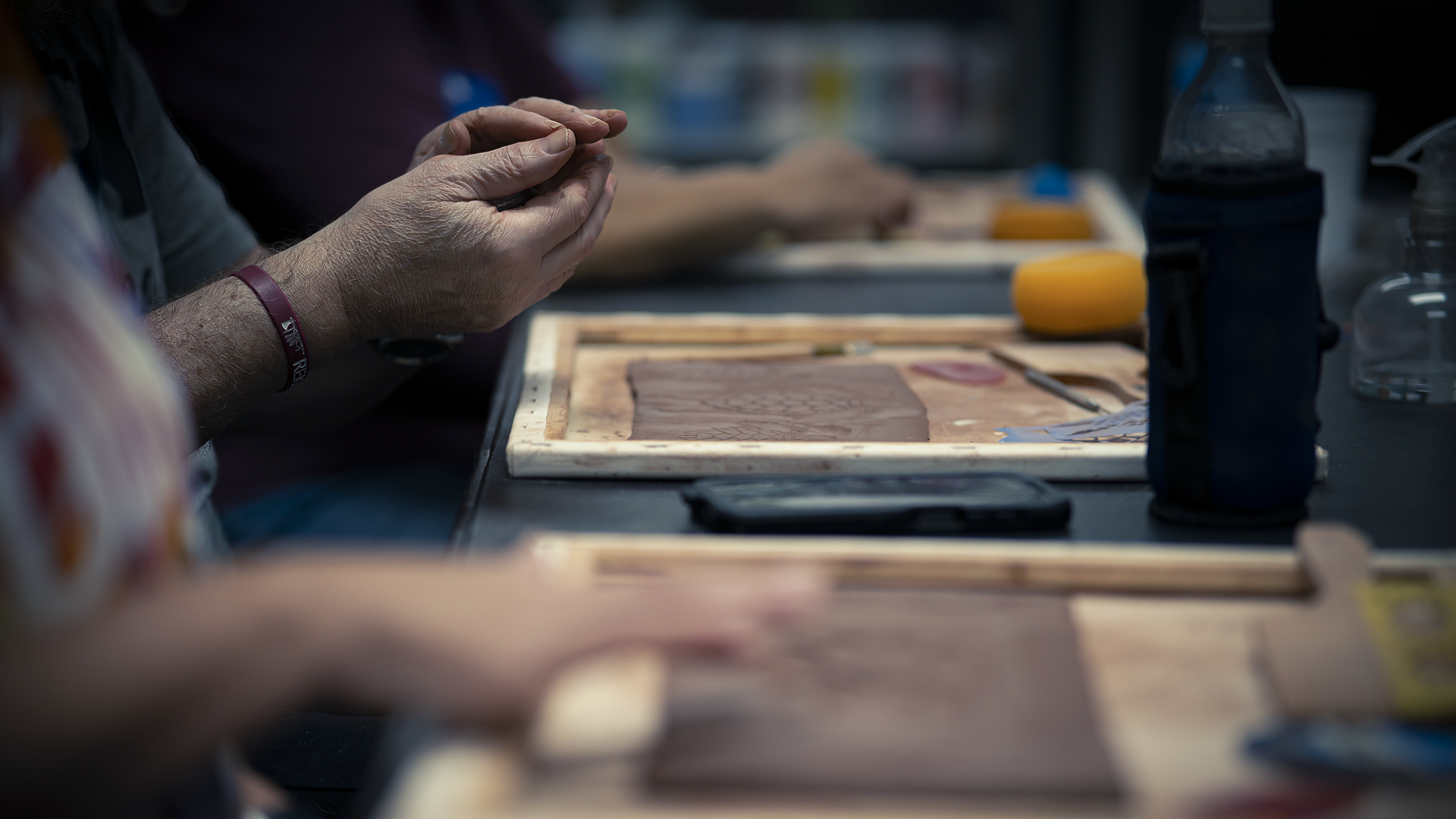
Quapaw women preparing clay.
Quapaw Pow wow Grand parade

Photos by: John E Rodgers/Ogahpah Communications 

About the Community Curators in Their Own Words
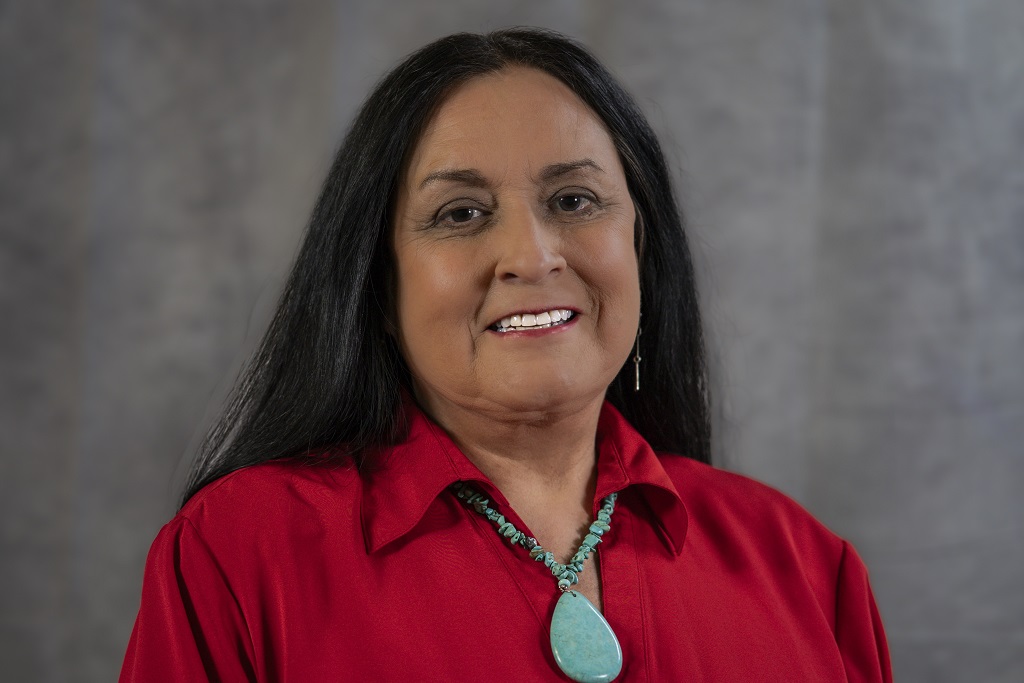
Carrie V Portrait

Carrie Wilson

My name is Carrie Vee Wilson. I’m a member of the Quapaw tribe. I have served as Director of the Quapaw Cultural Resources Office and I’m currently the NAGPRA representative for the tribe. I was born in 1954 to Edna McKibben and artist Charles Banks Wilson. 
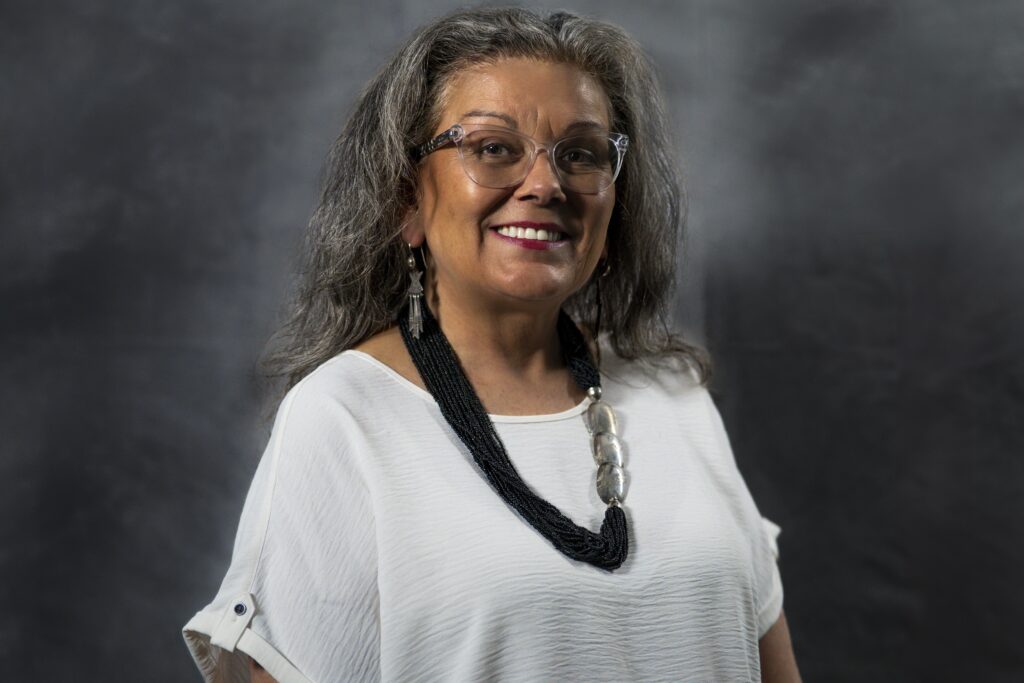
Betty Gaedtke Portrait

Betty Gaedtke

My name is Betty Gaedtke or Te-mi-zhi-ka (Little Buffalo Woman). I am an enrolled member of the Quapaw Tribe of Oklahoma (Quapaw Nation) and part of the Buffalo clan. My passion is creating pottery in keeping with our culture. In 2012 I learned how to make our pottery with the styles and decorations of the past. My pots are not antique but are authentic Quapaw pottery and all of them are signed and smoked. 

Filed Under: Uncategorized

May 8, 2024 by

Spotlight on Science

The approximately 10,000 specimens and objects on display comprise fewer than 1% of the 22 million in our care. Every single one holds valuable information. Spotlight on Science shines a light on current museum research to uncover more about the past, present, and future of life on Earth. Visit Spotlight on Science to discover what museum curators, collection managers, collections assistants, visiting researchers, and others are investigating right now in Pennsylvania and around the world.

Current Spotlight on Science displays feature research from the Sections of Mammals and Mollusks. Future displays will highlight research from more of the museum’s 12 scientific sections.

Learn About Our Science

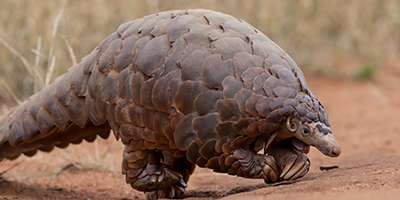
A pangolin
Photo by David Brossard, courtesy of Flickr

SPOTLIGHT ON SCIENCE: Mystery of the Mammals

The mammals that lived alongside dinosaurs were housecat-sized or smaller, but after the extinction of most dinosaurs 66 million years ago, placental mammals suddenly grew to the size of modern-day cows! John Wible, Curator of Mammals, and other researchers at the museum and around the world are digging into why. Spotlight on Science: Mystery of the Mammals invites visitors to learn how research teams are using methods like DNA and morphology to understand these mammals’ evolutionary relationships. See real teeth from Paleocene mammals and touch replica teeth to discover how researchers know what these creatures ate. Play a matching game to guess which mammals are most closely related.
Learn More about Mammals
Spotlight on John Wible
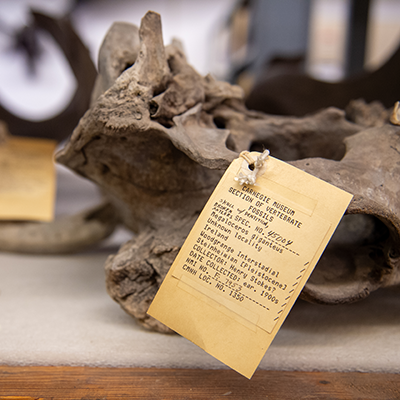
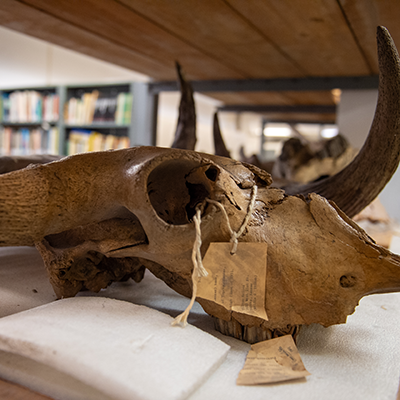
A megaloceros giganteus skull and scientific tag
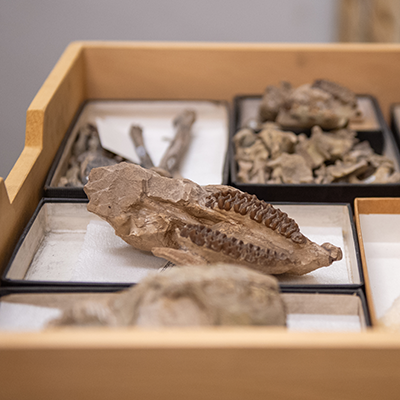
A selection of bones in a specimen drawer
A tagged skull from the section of mammals

SPOTLIGHT ON SCIENCE: Where’d You Find That Shell?

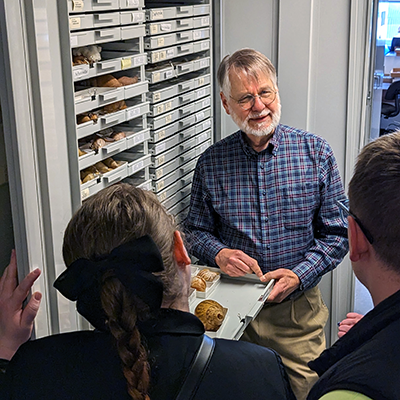
Did you know that shells you collect on the beach can provide valuable information to scientists? In Spotlight on Science: Where’d You Find That Shell? explore research conducted by Assistant Curator of Mollusks Tim Pearce, Collection Assistant Sabrina Spiher Robinson, and other researchers on mollusks of the eastern seaboard. Understand what shells are made of, how they grow, and how to identify common shells and the mollusks that can live inside them. Learn about georeferencing and why it is important to record the locations of shells you find. Listen to a healthy oyster reef and discover why sea mollusks are important for future ocean health.
Learn More about Mollusks

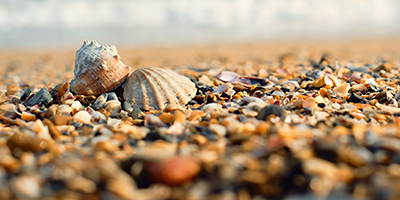
seashells on a beach. 
Photo by Ed Chechine, courtesy of iStock
Spotlight on Tim Pearce
A person holds a whelk shell to show the inside of it
Photo by Matt Tillett, courtesy of Flickr
Two shells that look like kitten paws in the sand
A black shell that looks like a bird's wing in the sand

Filed Under: Exhibitions

April 30, 2024 by

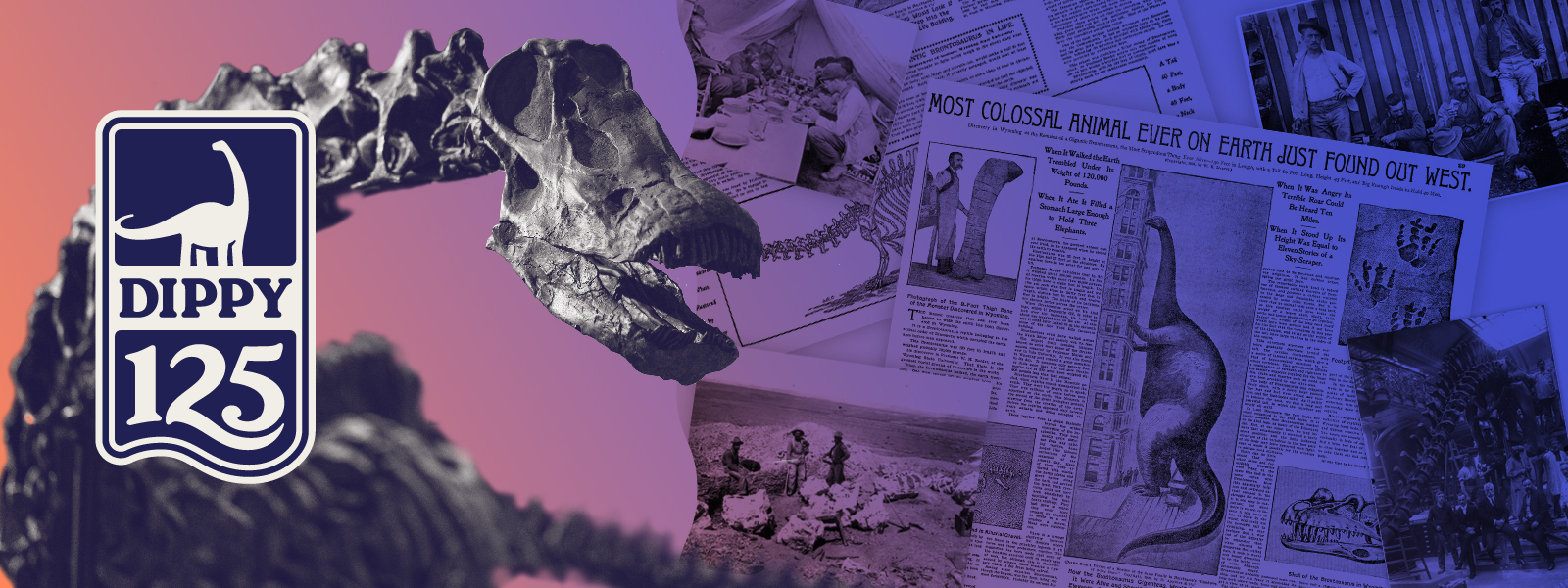
Dippy 125

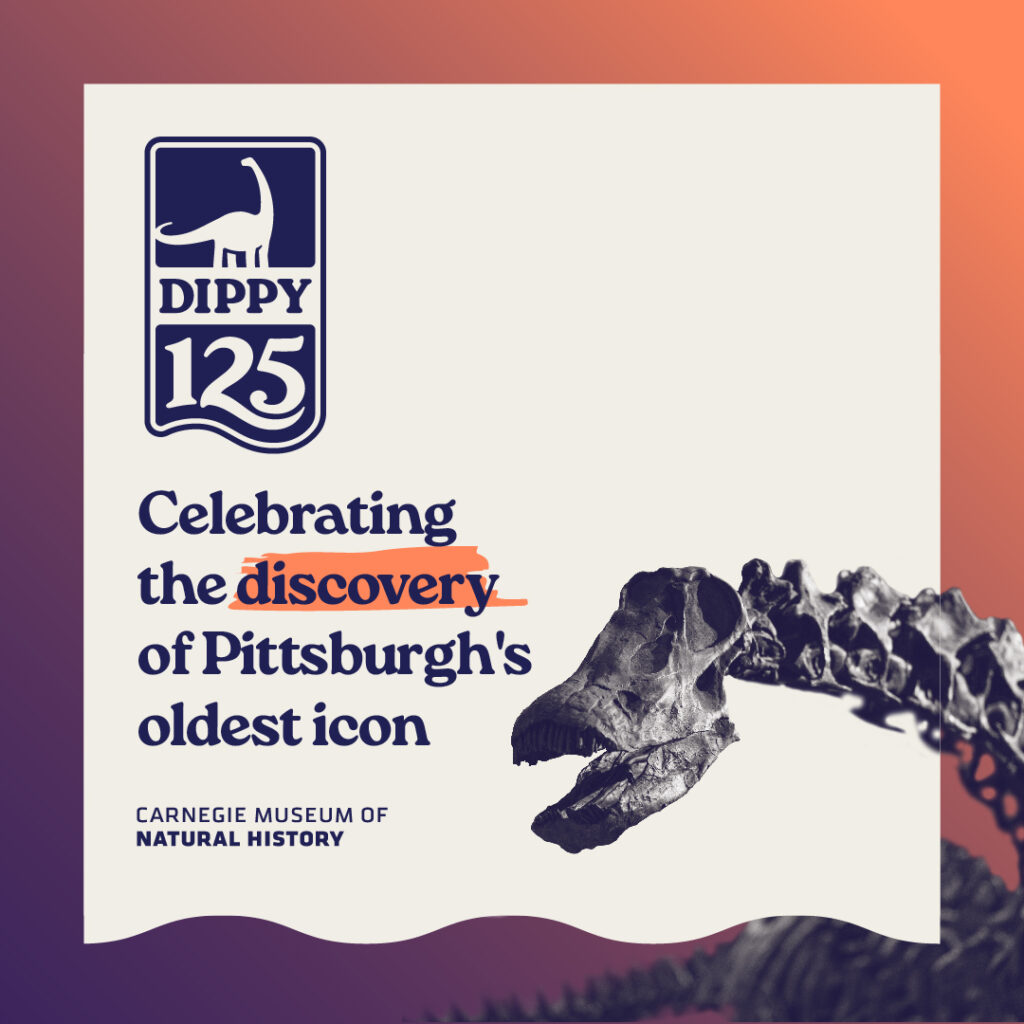
Dippy 125: Celebrating the discovery of Pittsburgh's oldest icon
Dippy 125

Celebrating 125 Years Since the Discovery of Dippy

Celebrate Dippy, the legendary dinosaur whose discovery 125 years ago sparked popular imagination and inspired the global dino craze that thrives today. Named Diplodocus carnegii to honor Andrew Carnegie’s support for the expedition, Dippy proved too massive to be housed in the original exhibition halls, necessitating the expansion of Carnegie’s museum — sometimes referred to as “the house that Dippy built” by people of the day. Arguably the most visible dinosaur fossil in the world, Dippy’s many plaster replicas have thrilled museumgoers in London, Berlin, Madrid, Vienna, St. Petersburg, Paris, Bologna, La Plata, and Mexico City, while the genuine article has delighted millions here in Pittsburgh.  

Join us this July to fete Dippy with programs for all ages, including a members-only birthday party at the museum for families, a 21+ night, a day of lectures about the discovery of and science behind Pittsburgh’s literal oldest icon, and much more.

There are no upcoming events.

Learn more about Dippy!

Looking for Dippy merch?

Diplodocus shirt
Shop the Online Store

A History through Photos

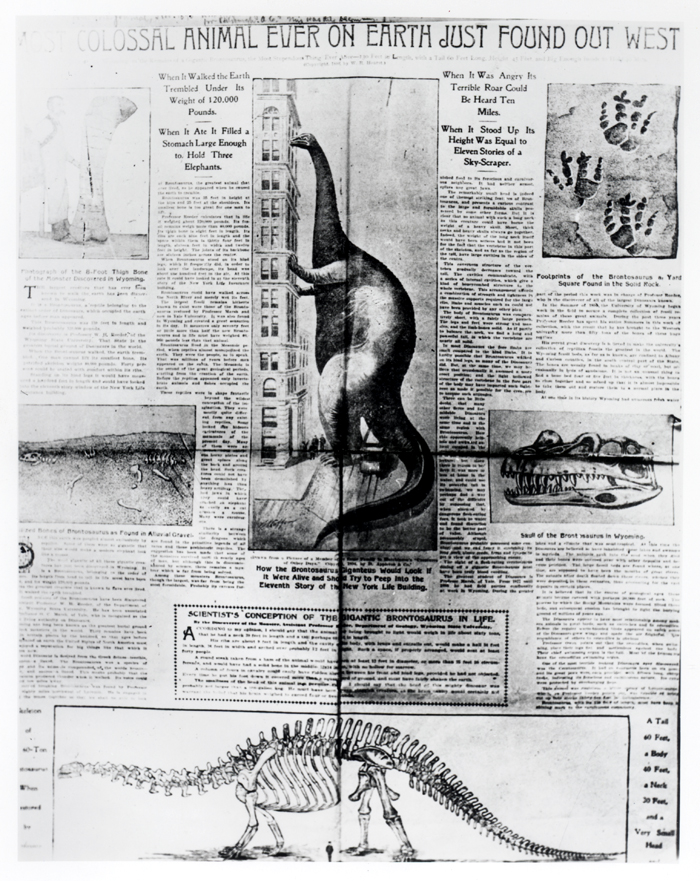
Old newspaper clipping
New York Journal article from 1898 titled, “Most Colossal Animal Ever on Earth Just Found Out West.”
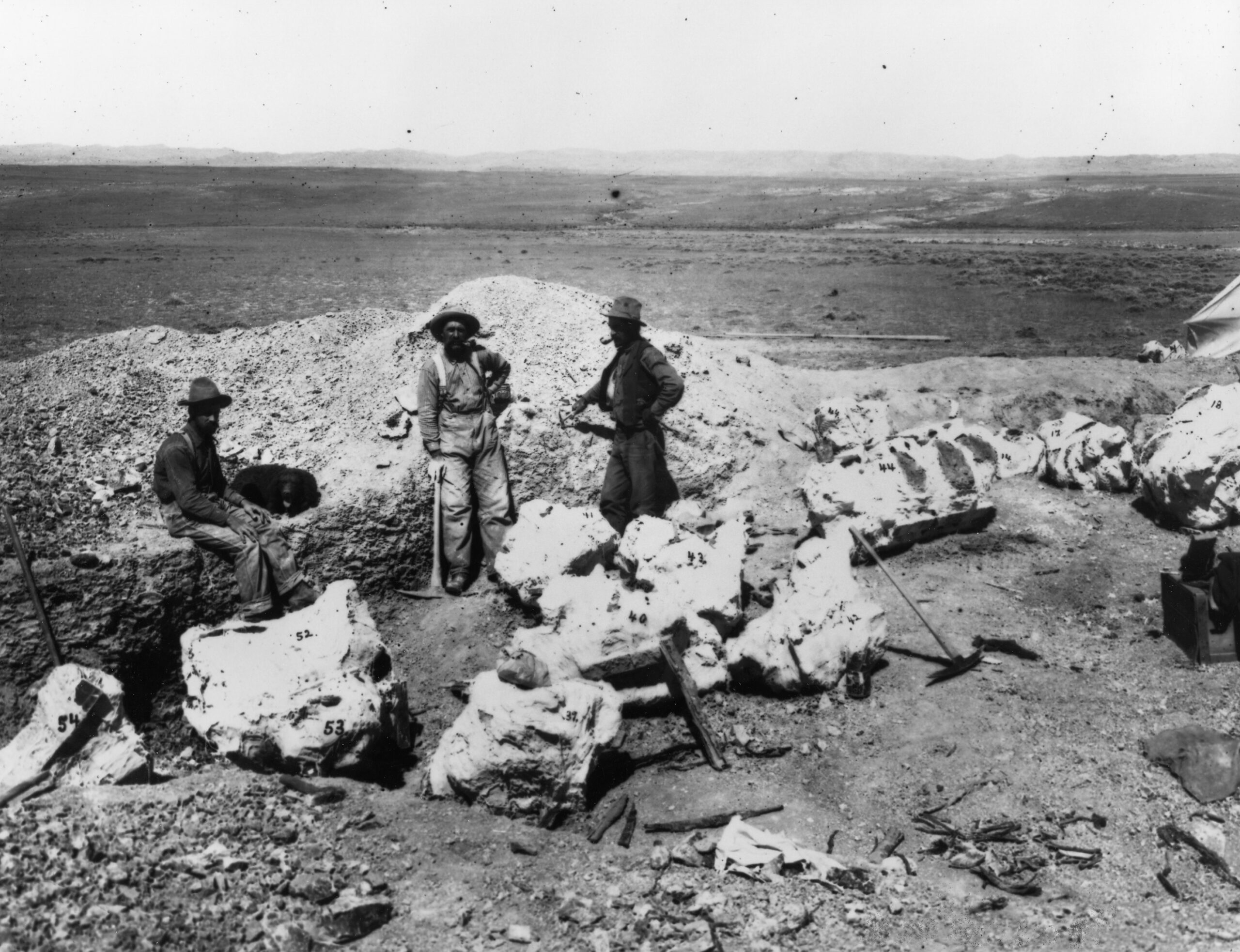
Diplodocus carnegii (Dippy) excavation field photo, Sheep Creek, Wyoming, 1899
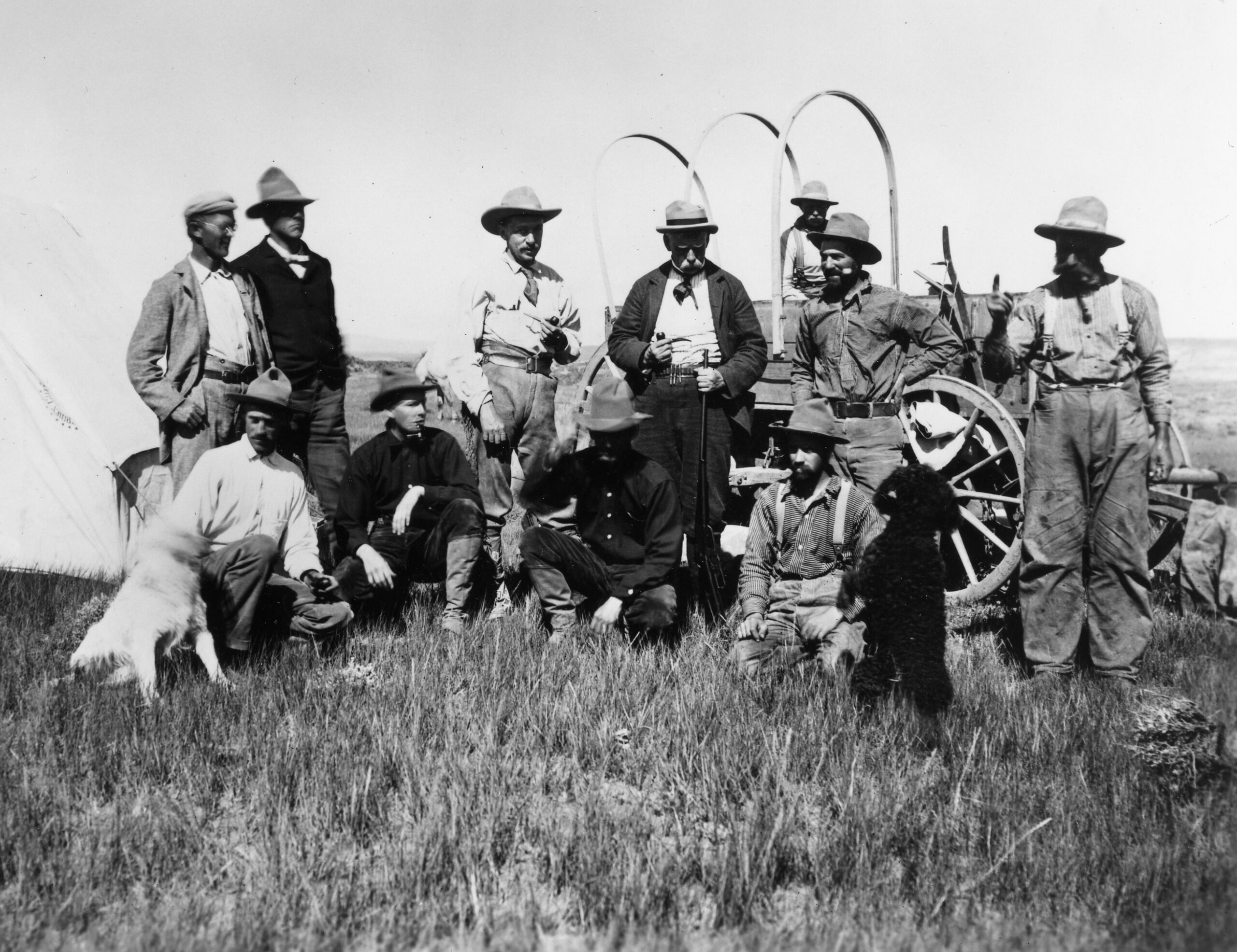
Dippy excavators standing together for a photo at Sheep Creek. 1899
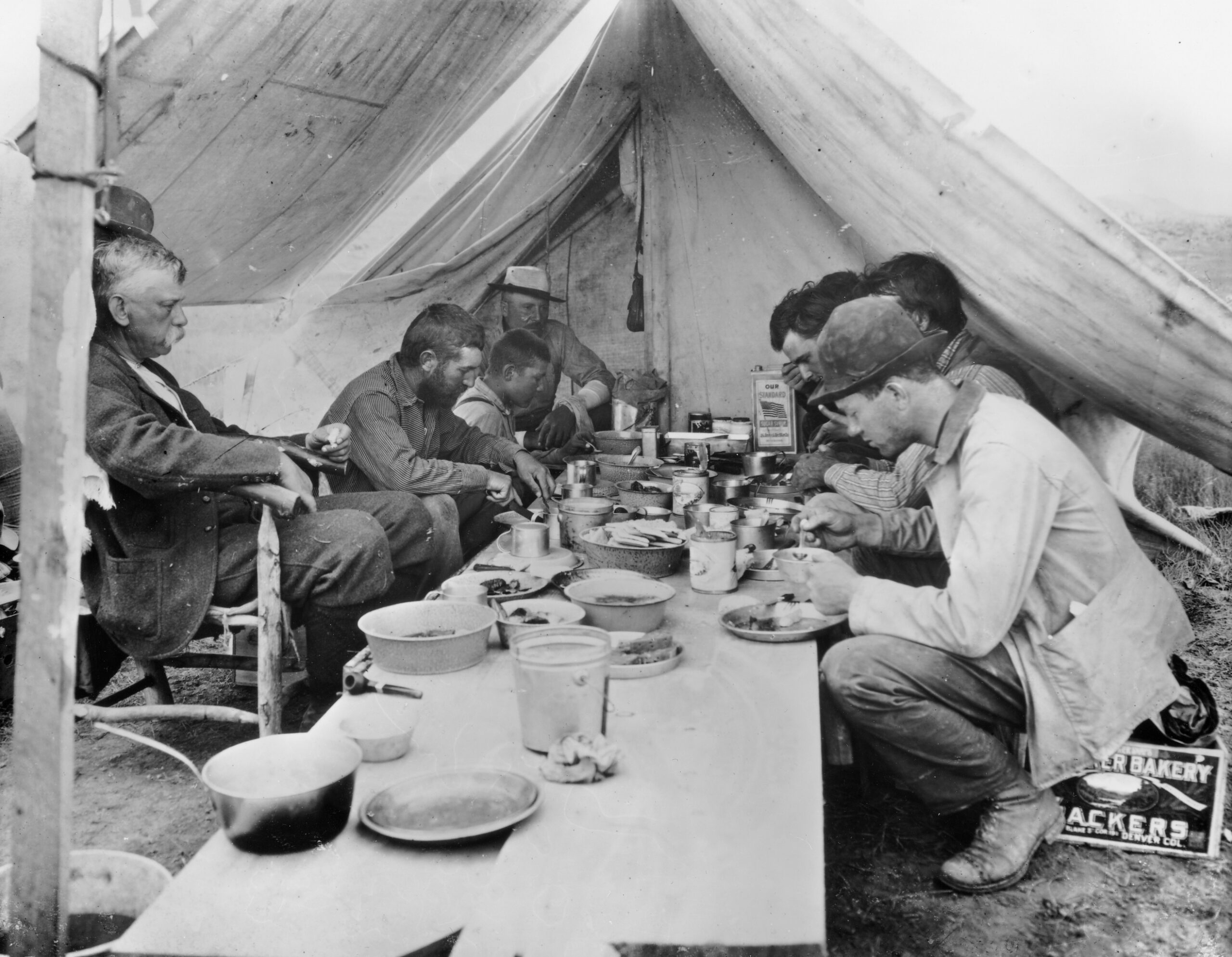
Dippy excavators eat at camp in Sheep Creek. 1899
Dippy excavators crating fossils for transport to Pittsburgh. 1899
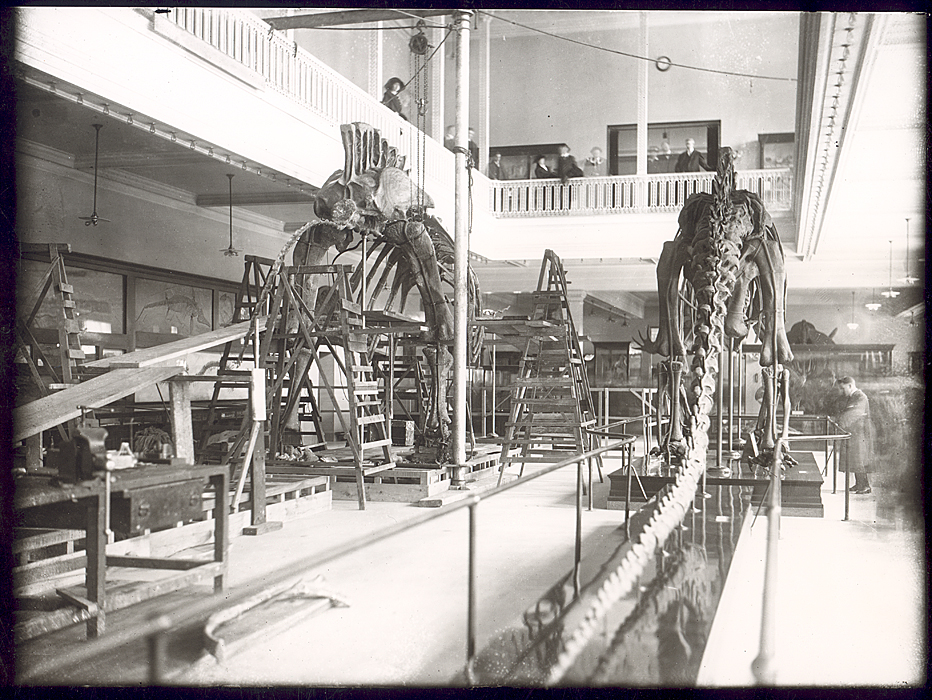
dinosaur bones being assembled
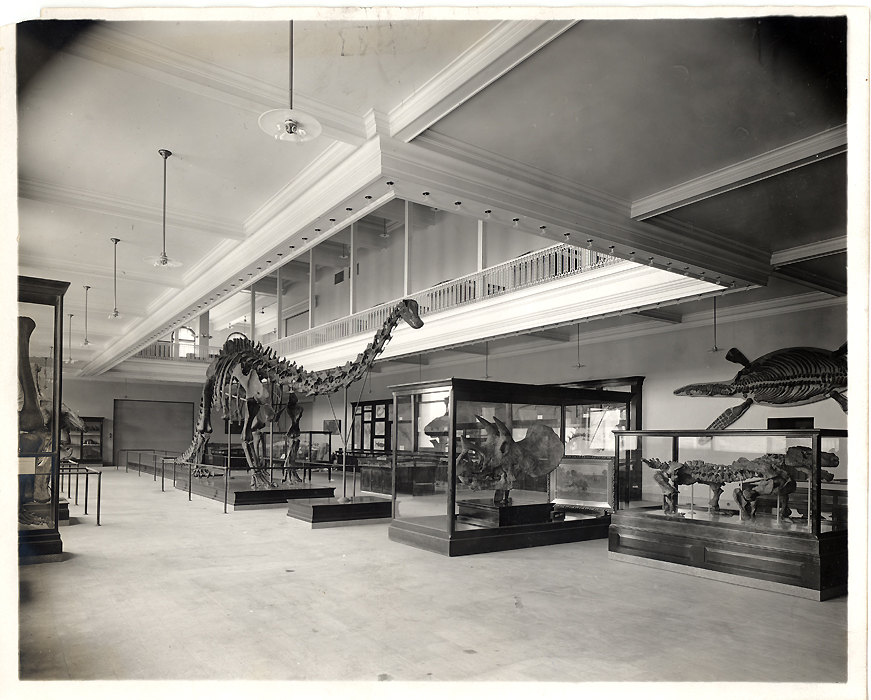
Construction Apatosaurus louisae next to Diplodocus carnegii in historic Dinosaur Hall, ca. 1915
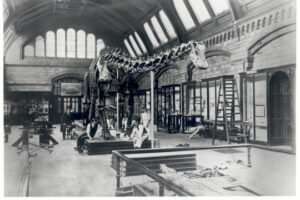
Dippy on display in historic Dinosaur Hall.
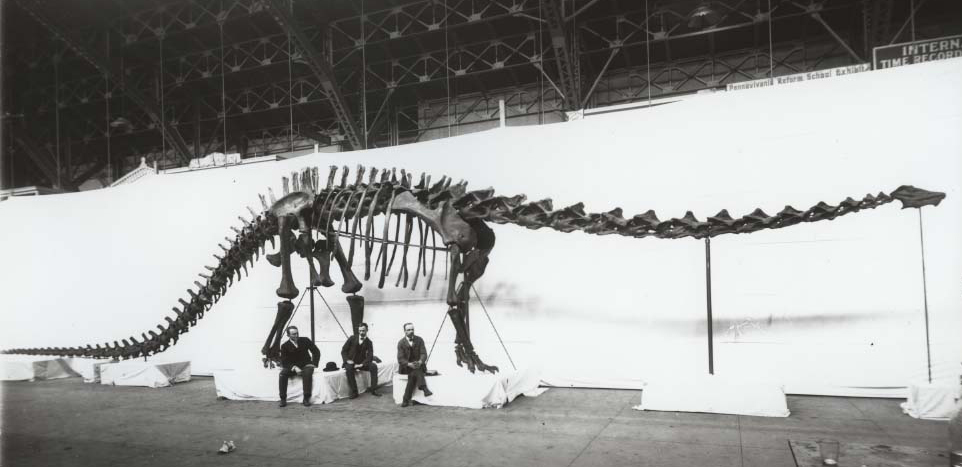
A cast replica of Dippy, 1904
Diplodocus carnegii in new position in Dinosaurs In Their Time
Diplodocus carnegii in new position in Dinosaurs In Their Time.
inside of the natural history museum
Diplodocus carnegii face to face with Apatosaurus louisae in Dinosaurs in Their Time. 2007
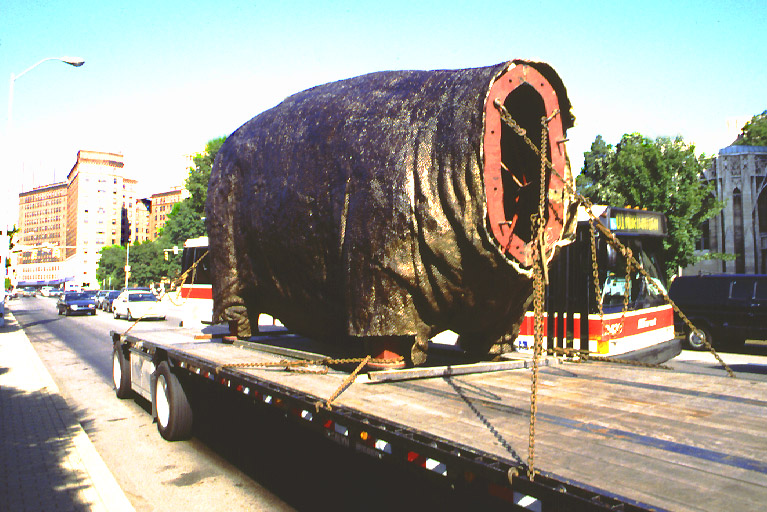
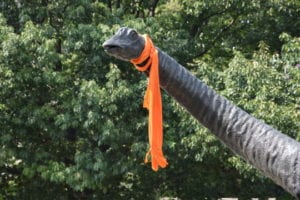
Torso of the Dippy statue on its way to assembly in front of the museum. 1999
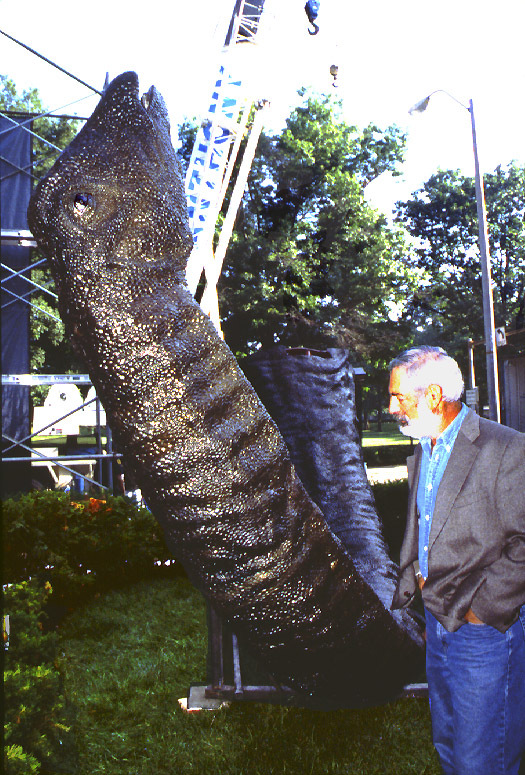
Head of the Dippy statue next to Vertebrate Paleontology Curator Dave Berman for scale prior to assembly. 1999
Attaching Dippy’s tail to the body of the statue. 1999
Fitting Dippys legs onto the torso of the statue. 1999
Fitting Dippy’s legs onto the torso of the statue. 1999
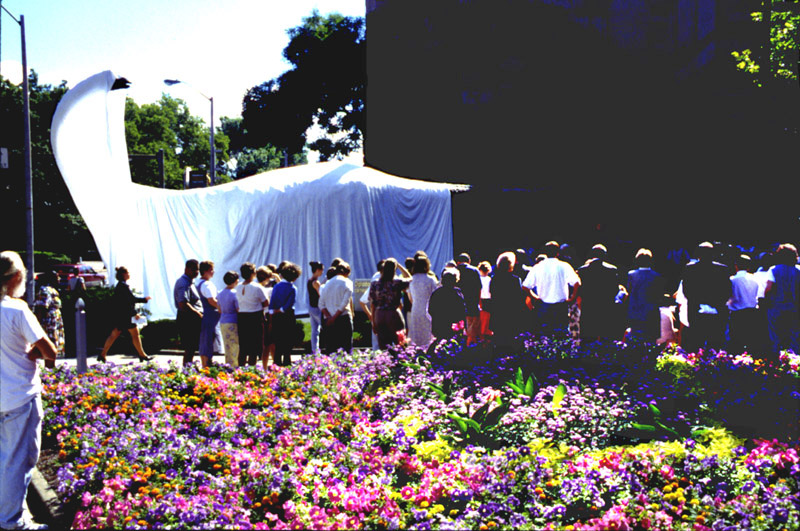
Dippy statue under veil prior to public display. 1999
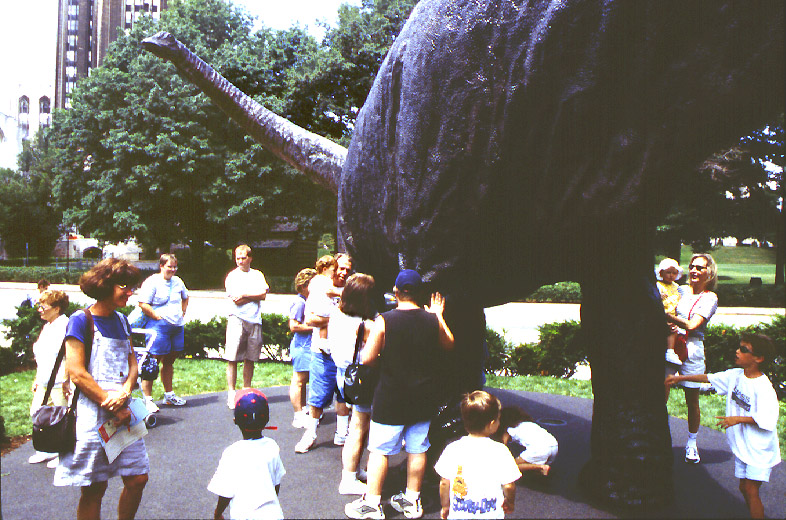
Children and adults meet the new Dippy statue up close. 1999

Blogs about Dippy

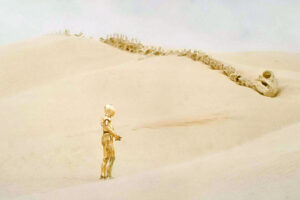
  • Dippy in Star Wars?

    Dippy in Star Wars?

  • Memoirs of the Carnegie Museum Volume 1, Number 1

    Memoirs of the Carnegie Museum Volume 1, Number 1

  • Oh Say Can You Dippy: Andrew Carnegie and His Dinosaurs

    Oh Say Can You Dippy: Andrew Carnegie and His Dinosaurs

  • Dippy Casts Abroad

    Dippy Casts Abroad

Filed Under: Uncategorized

March 4, 2024 by

The Stories We Keep

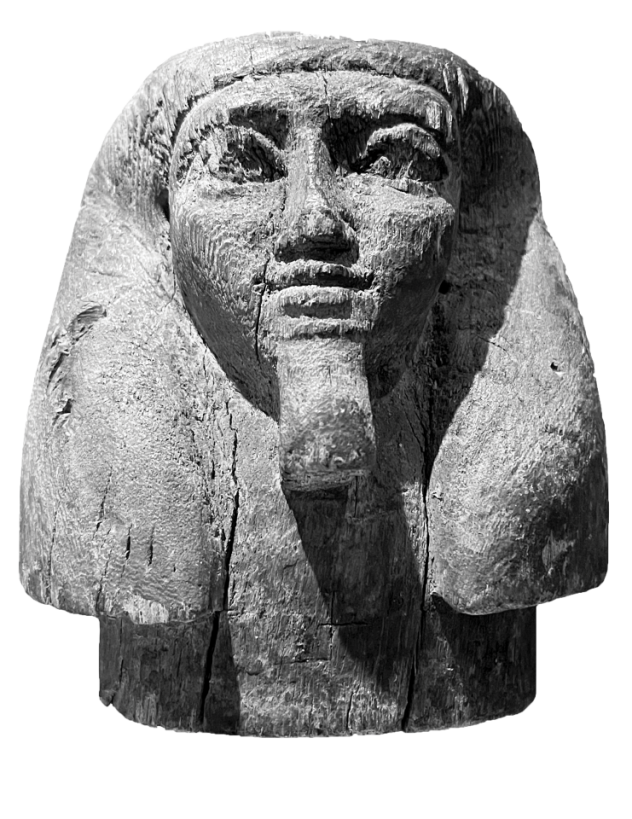
egyptian bust
The Stories We Keep: Conserving Objects from Ancient Egypt

March 9, 2024–September 1, 2025

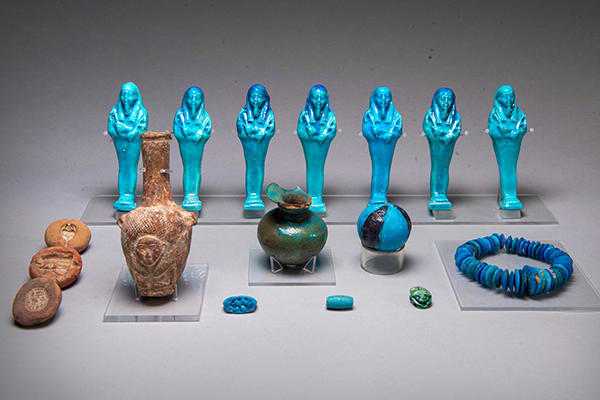
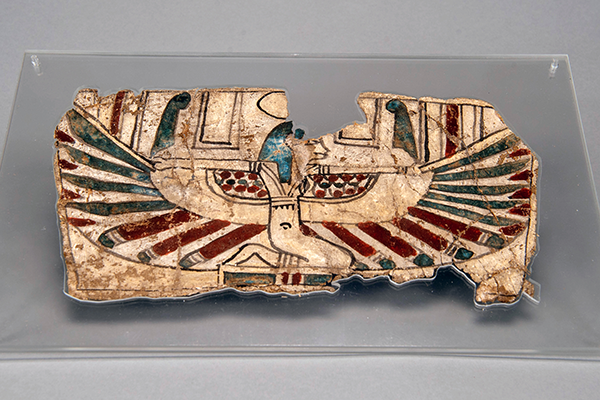
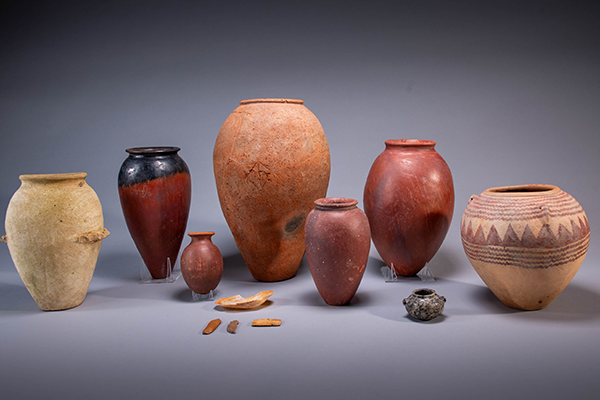
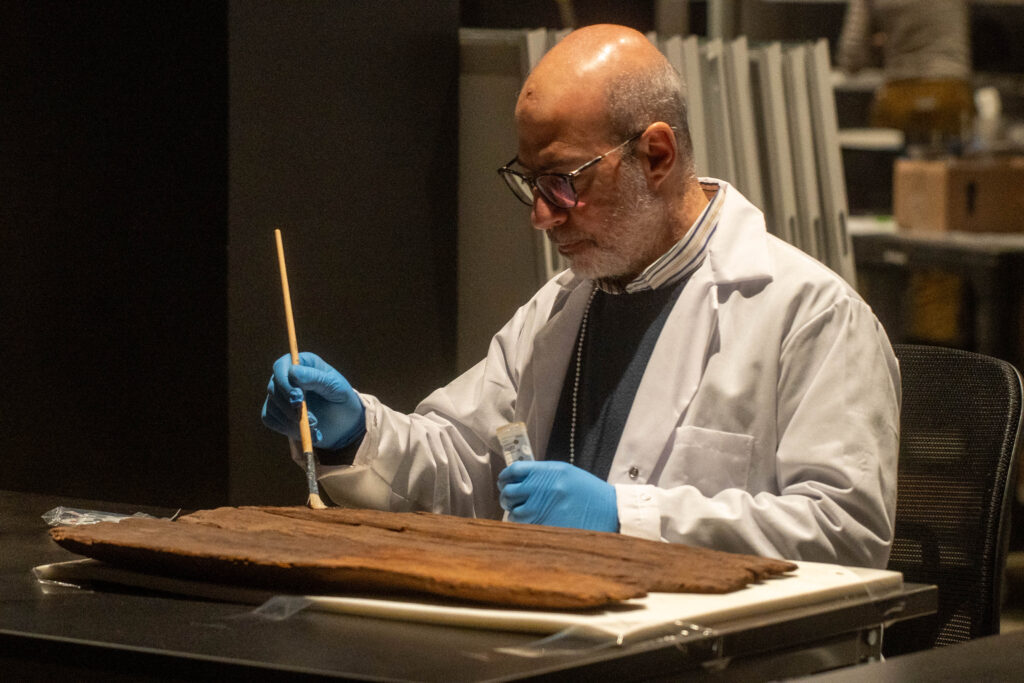
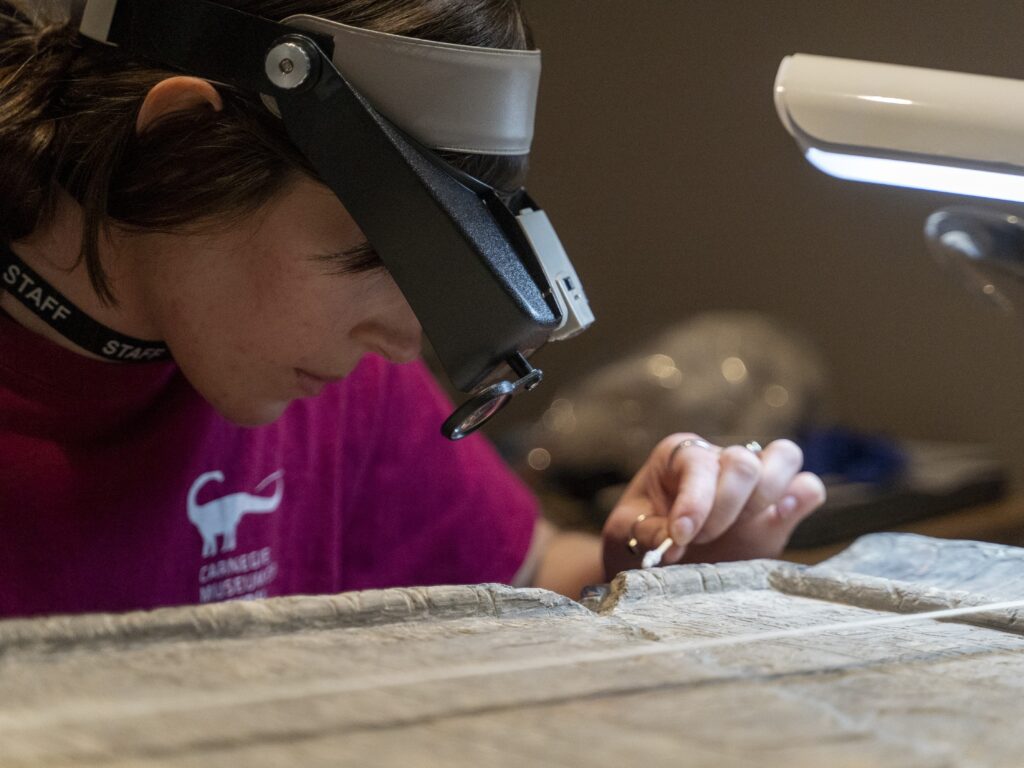
Every Egyptian object in the museum’s care has stories to tell, about its creation and original use, its journey to Pittsburgh, and about the lives of those in ancient Egypt. The Stories We Keep features more than 80 ancient items—including the 4,000-year-old Dahshur boat, one of only four in the world. Engage with these objects like never before, have conversations with museum conservators, observe the care and restoration of objects in real time, and attempt the work yourself by reassembling replicas of ancient artifacts.

The Stories We Keep invites visitors to see these objects—cared for by the Museum for more than a century—in a new light and to witness the work that will preserve them for future generations.

Plan Your Visit
staff member cleaning a stele
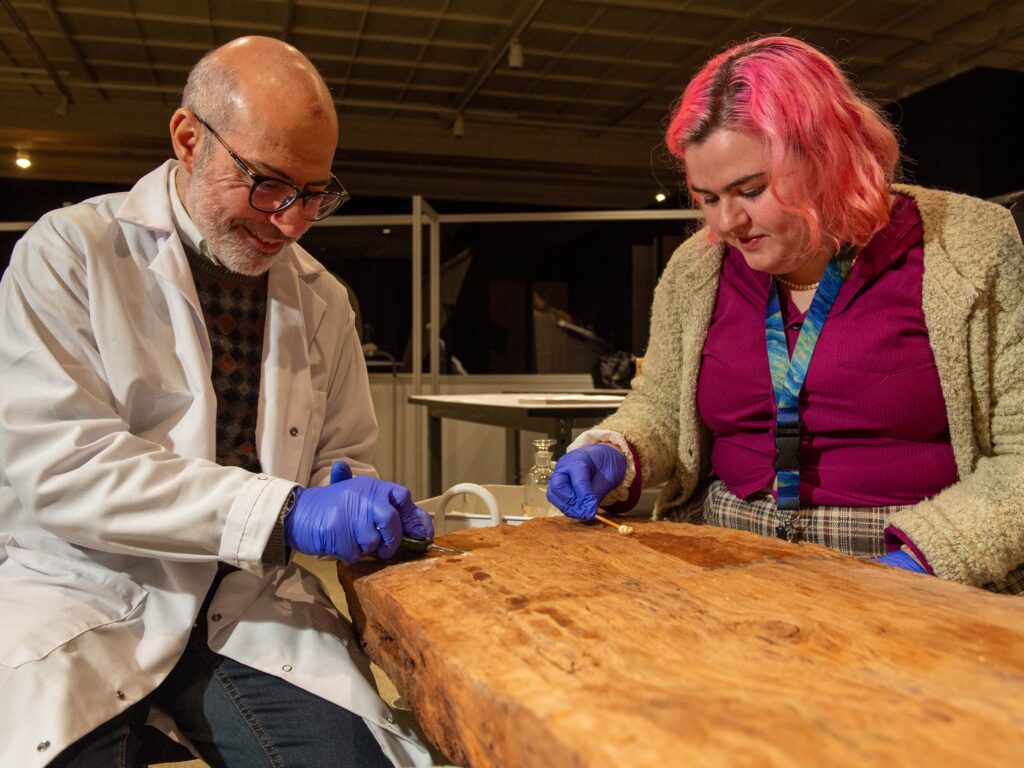
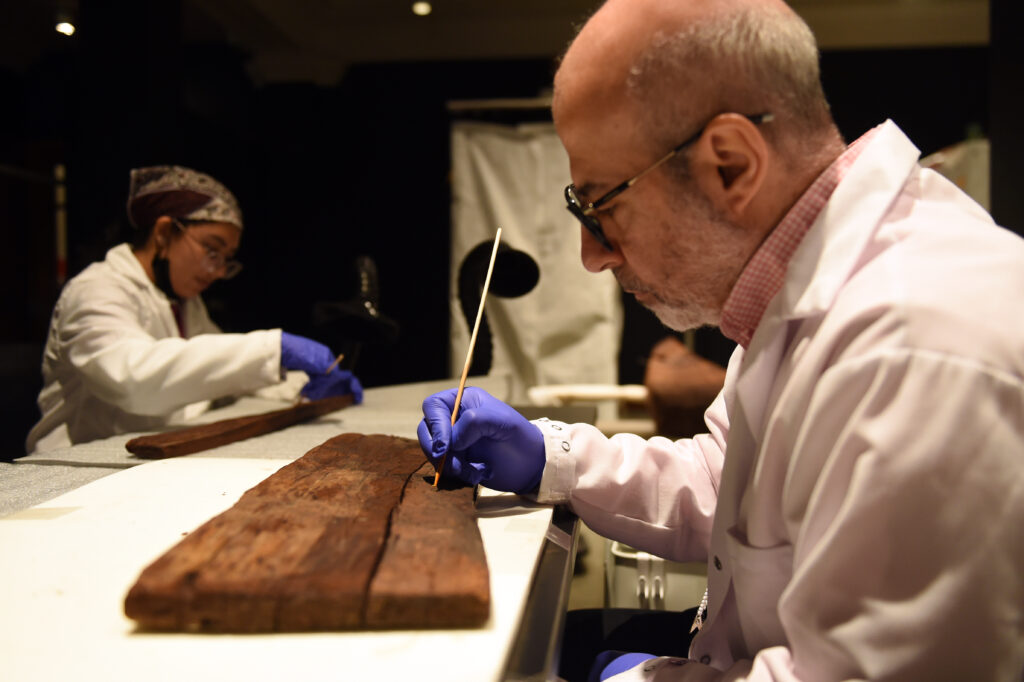
conservators cleaning ancient egyptian wood with q-tips
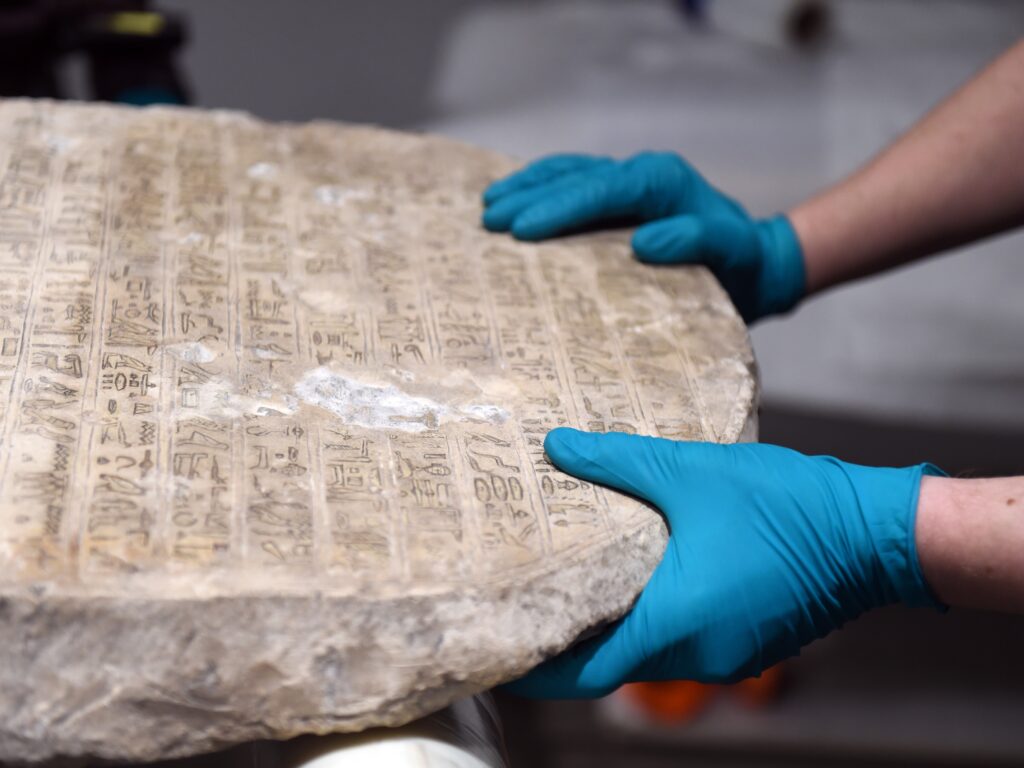
conservators moving stele wearing gloves
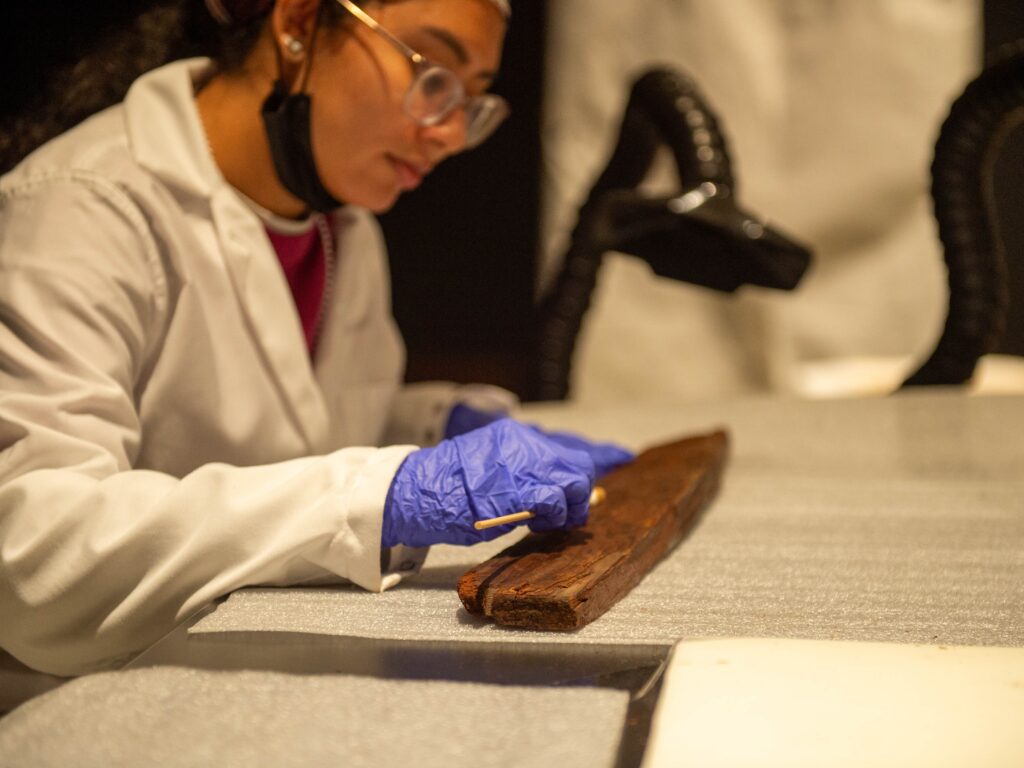
conservator cleaning ancient wood with a q-tip
«
Prev
1
/
1
Next
»
loading
play
play
«
Prev
1
/
1
Next
»
loading

Conservators work to preserve the ancient objects in our collection.

Filed Under: Uncategorized

January 26, 2024 by

Ancient Egypt Conservation in Progress

staff member cleaning a stele

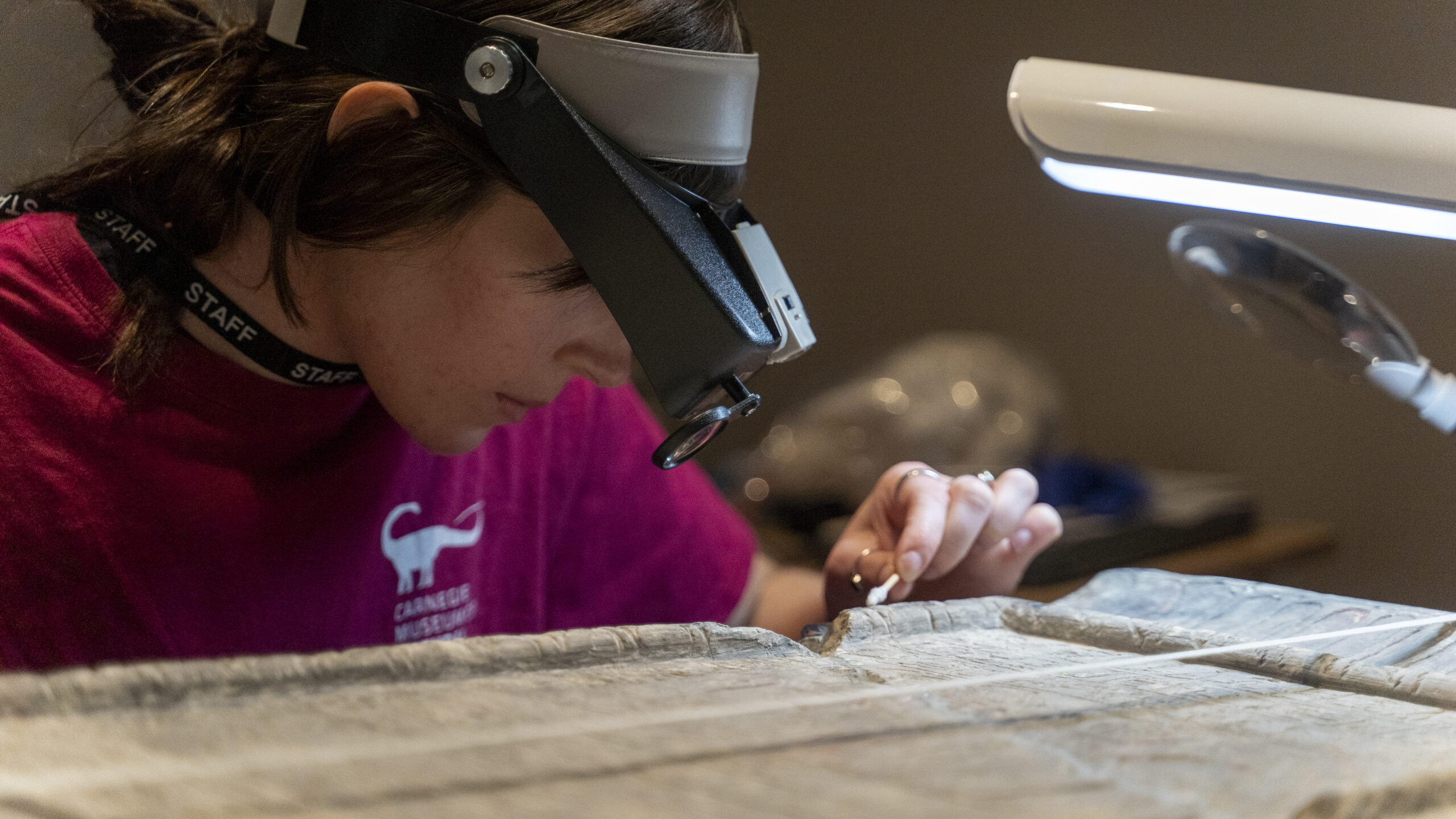
A museum conservator cleans an ancient Egyptian stele.

More than 5,000 objects from ancient Egypt are in the museum’s care, and each object, whether or not it has been on display, requires careful conservation. Through science and art, conservators and researchers preserve and investigate these objects to tell their stories.

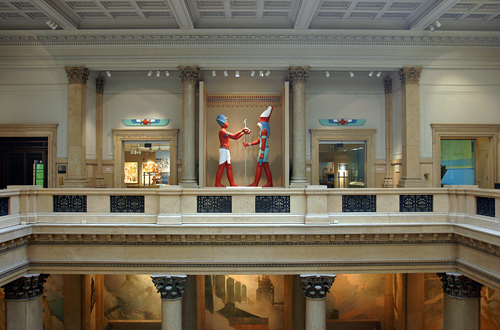
After over 30 years, Walton Hall of Ancient Egypt closed in 2023 for conservators to work with the objects displayed there. As conservation work continues, new exhibit areas will open and visitors will have the opportunity to learn from conservators firsthand.

Exhibits at the Museum

On Display

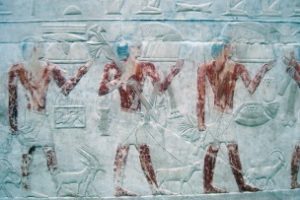
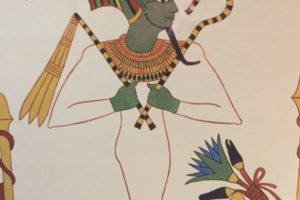
An Egyptian wall painting

Front Egypt to Pittsburgh:
Sacred Scents

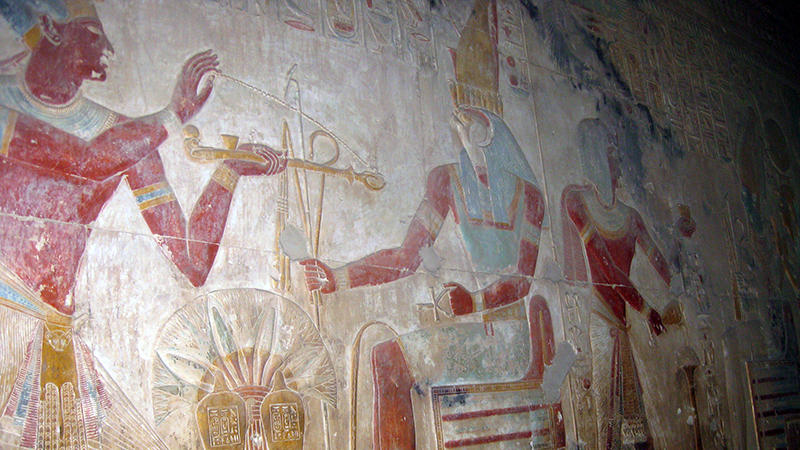
Follow the journey of objects that have never been on view before—from their creation thousands of years ago to present day in the museum’s care. From Egypt to Pittsburgh changes periodically, and currently features four objects focused on the religious use of incense in ancient Egypt.

Learn More about From Egypt to Pittsburgh
egyptian bust

The Stories We Keep: Conserving Objects from Ancient Egypt

Every Egyptian object in the museum’s care has stories to tell, about its creation and original use, its journey to Pittsburgh, and about the lives of those in ancient Egypt. The Stories We Keep features more than 80 ancient items—including the 4,000-year-old Dahshur boat, one of only four in the world. Engage with these objects like never before, have conversations with museum conservators, observe the care and restoration of objects in real time, and attempt the work yourself by reassembling replicas of ancient artifacts.

The Stories We Keep invites visitors to see these objects—cared for by the Museum for more than a century—in a new light and to witness the work that will preserve them for future generations. 

Learn More about The Stories We Keep

Currently Closed for Conservation

Walton Hall of Ancient Egypt

Walton Hall of Ancient Egypt is currently closed as conservators analyze, clean, and preserve objects in preparation for future exhibitions. See conservators at work in the Object Conservation Lab in R.P. Simmons Family Gallery.

Events

There are no upcoming events.

Ask a Conservator

Have you ever wondered how scientists save ancient, fragile objects, what the most persistent museum pests are, or how we know what an object is made of? Now you can ask all your conservation questions right here.

Watch Videos of Conservators Answering Past Questions

Blogs

  • The Power of the Falcon in Ancient Egypt

    The Power of the Falcon in Ancient Egypt

    by Raina Holt I have always been super curious about how the natural environment influences people’s beliefs and rituals. As I learned …
  • Archaeological Adventures in Egypt

    Archaeological Adventures in Egypt

    Hello! I am Dr. Lisa Saladino Haney, Assistant Curator at Carnegie Museum of Natural History and resident Egyptologist. An Egyptologist is someone …
  • Egypt and the Nile

    Egypt and the Nile

    Over the course of some five millennia the ancient Egyptians developed a distinctive material culture shaped in large part by their local …
  • Looking at Love in Ancient Egypt

    Looking at Love in Ancient Egypt

    With Valentine’s Day here, it’s hard to ignore all of the chocolate displays in stores and the sappy movies on TV – …

Filed Under: Uncategorized

  • « Go to Previous Page
  • Page 1
  • Page 2
  • Page 3
  • Page 4
  • Interim pages omitted …
  • Page 13
  • Go to Next Page »

sidebar

About

  • Mission & Commitments
  • Directors Team
  • Museum History

Get Involved

  • Volunteer
  • Membership
  • Carnegie Discoverers
  • Donate
  • Employment
  • Events

Bring a Group

  • Groups of 10 or More
  • Birthday Parties at the Museum
  • Field Trips

Powdermill

  • Powdermill Nature Reserve
  • Powdermill Field Trips
  • Powdermill Staff
  • Research at Powdermill

More Information

  • Image Permission Requests
  • Science Stories
  • Accessibility
  • Shopping Cart
  • Contact
  • Visitor Policies
One of the Four Carnegie Museums | © Carnegie Institute | Privacy Policy | Terms of Use | Accessibility
Rad works here logo