• Skip to primary navigation
  • Skip to main content
  • Skip to primary sidebar

Carnegie Museum of Natural History

One of the Four Carnegie Museums of Pittsburgh

  • Visit
    • Buy Tickets
    • Visitor Information
    • Exhibitions
    • Events
    • Dining at the Museum
    • Celebrate at the Museum
    • Powdermill Nature Reserve
    • Event Venue Rental
    • Gift Cards
  • Learn
    • Field Trips
    • Educator Information
    • Programs at the Museum
    • Bring the Museum to You
    • Guided Programs FAQ
    • Programs Online
    • Climate and Rural Systems Partnership
  • Research
    • Scientific Sections
    • Science Stories
    • Science Videos
    • Senior Science & Research Staff
    • Museum Library
    • Science Seminars
    • Scientific Publications
    • Specimen and Artifact Identification
  • About
    • Mission & Commitments
    • Directors Team
    • Museum History
  • Tickets
  • Give
  • Shop

Age of Mammals: The Cenozoic Era

July 1, 2016 by wpengine

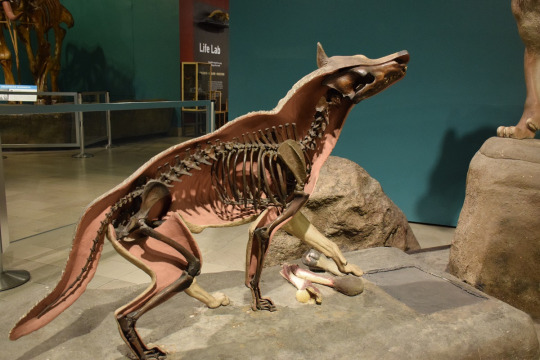
Dire Wolves Off the Screen

Dire Wolf Skeleton

Despite being extinct, dire wolves are having a comeback thanks to the HBO series “Game of Thrones,” where they protect members of the Stark family.

Unlike dragons and black magic, dire wolves actually did exist. They lived in North America 250,000 to 13,000 years ago during the Ice Age. They had massive jaws and teeth, traveled in packs, and were the heaviest of all known wolves. They are only distantly related to the wolves that Ice Age humans began to domesticate and breed for hunting and defense between 40,000 and 20,000 years ago.

Paleontologists can’t say how dire wolves would have fared against White Walkers, but can at least confirm that they were a predator to be reckoned with in their day!

Filed Under: Blog Tagged With: Age of Mammals: The Cenozoic Era, Cenozoic Hall, Pittsburgh

March 17, 2016 by wpengine

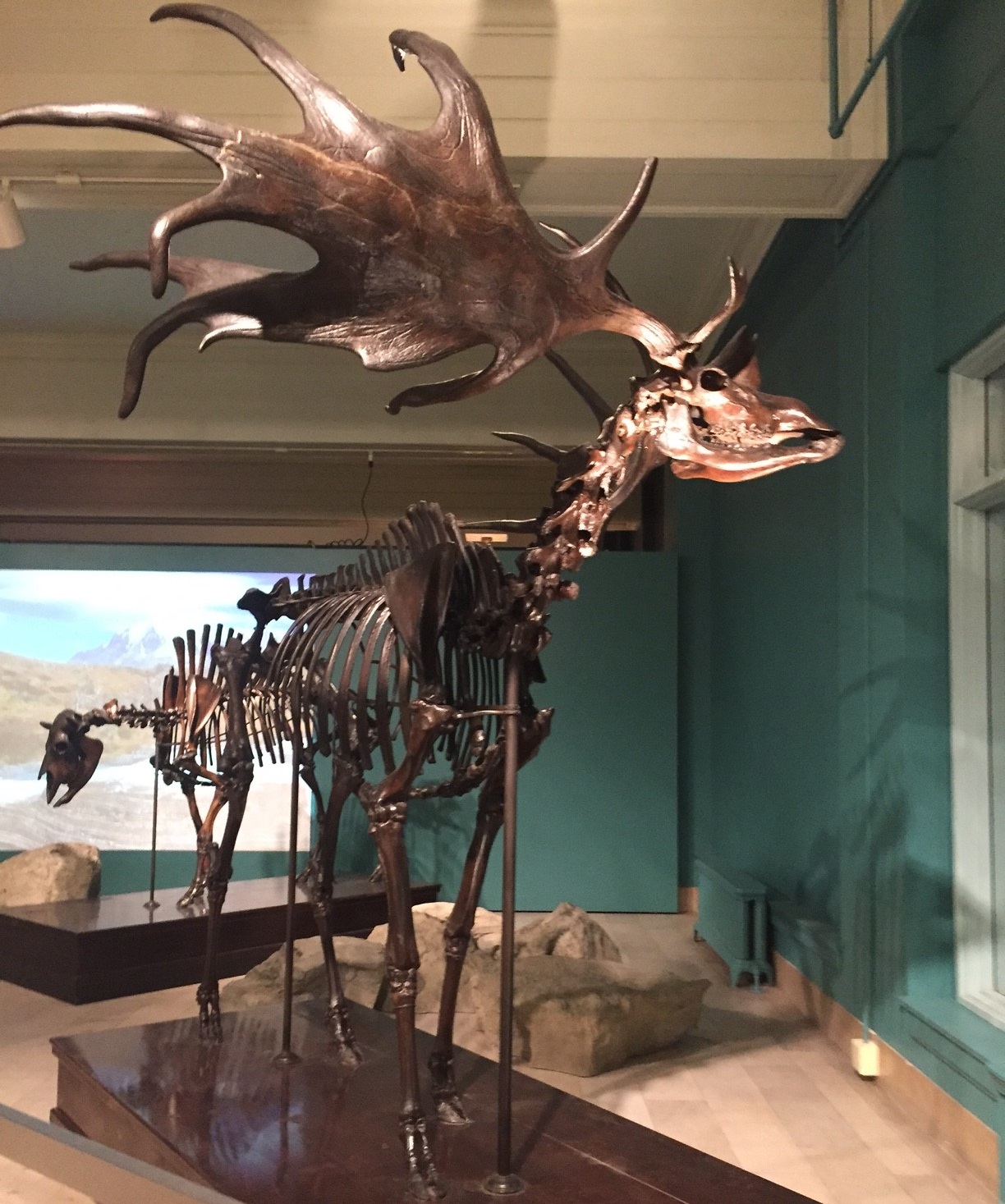
Ireland in the Ice Age

Megaloceros giganteus in museum
Long before St. Patrick chased the snakes out of Ireland, the Megaloceros giganteus strutted across the Emerald Isle during the Ice Age sporting antlers that weighed as much as 100 pounds and spanned up to 12 feet. Also known as Irish elk, Megaloceros giganteus were about 7-feet tall at the shoulder and the largest known deer that ever lived.

The species is thought to have lived throughout Eurasia, but the best documented remains are found in Irish peat bogs.

Our specimen was found in peat bog near Dublin, Ireland and is on display in Cenozoic Hall.

Filed Under: Blog Tagged With: Age of Mammals: The Cenozoic Era, Cenozoic Hall, paleontology

  • « Go to Previous Page
  • Page 1
  • Page 2

sidebar

About

  • Mission & Commitments
  • Directors Team
  • Museum History

Get Involved

  • Volunteer
  • Membership
  • Carnegie Discoverers
  • Donate
  • Employment
  • Events

Bring a Group

  • Groups of 10 or More
  • Birthday Parties at the Museum
  • Field Trips

Powdermill

  • Powdermill Nature Reserve
  • Powdermill Field Trips
  • Powdermill Staff
  • Research at Powdermill

More Information

  • Image Permission Requests
  • Science Stories
  • Accessibility
  • Shopping Cart
  • Contact
  • Visitor Policies
One of the Four Carnegie Museums | © Carnegie Institute | Privacy Policy | Terms of Use | Accessibility
Rad works here logo