• Skip to primary navigation
  • Skip to main content
  • Skip to primary sidebar

Carnegie Museum of Natural History

One of the Four Carnegie Museums of Pittsburgh

  • Visit
    • Buy Tickets
    • Visitor Information
    • Exhibitions
    • Events
    • Dining at the Museum
    • Celebrate at the Museum
    • Powdermill Nature Reserve
    • Event Venue Rental
  • Learn
    • Field Trips
    • Educator Information
    • Programs at the Museum
    • Bring the Museum to You
    • Guided Programs FAQ
    • Programs Online
    • Climate and Rural Systems Partnership
  • Research
    • Scientific Sections
    • Science Stories
    • Science Videos
    • Senior Science & Research Staff
    • Museum Library
    • Science Seminars
    • Scientific Publications
    • Specimen and Artifact Identification
  • About
    • Mission & Commitments
    • Directors Team
    • Museum History
  • Tickets
  • Give
  • Shop

amphibians and reptiles

October 17, 2025 by Erin Southerland

Hopping Into the Bornean Rainforest

by Rohan Mandayam

As an aspiring field biologist, I long harbored several dreams that I hoped would come to fruition sometime in my post-undergraduate career. Among those goals was conducting research on frogs, which have fascinated me since a young age. I also dreamt of working in the field and studying tropical ecosystems, as the biodiversity found in the tropics is rivaled by no other region on Earth. Imagine my delight when I discovered that I would be spending two months in Borneo as a research assistant to Dr. Jennifer Sheridan, Carnegie Museum of Natural History’s Curator of Amphibians and Reptiles, studying frogs in tropical rainforest streams. June couldn’t arrive fast enough.
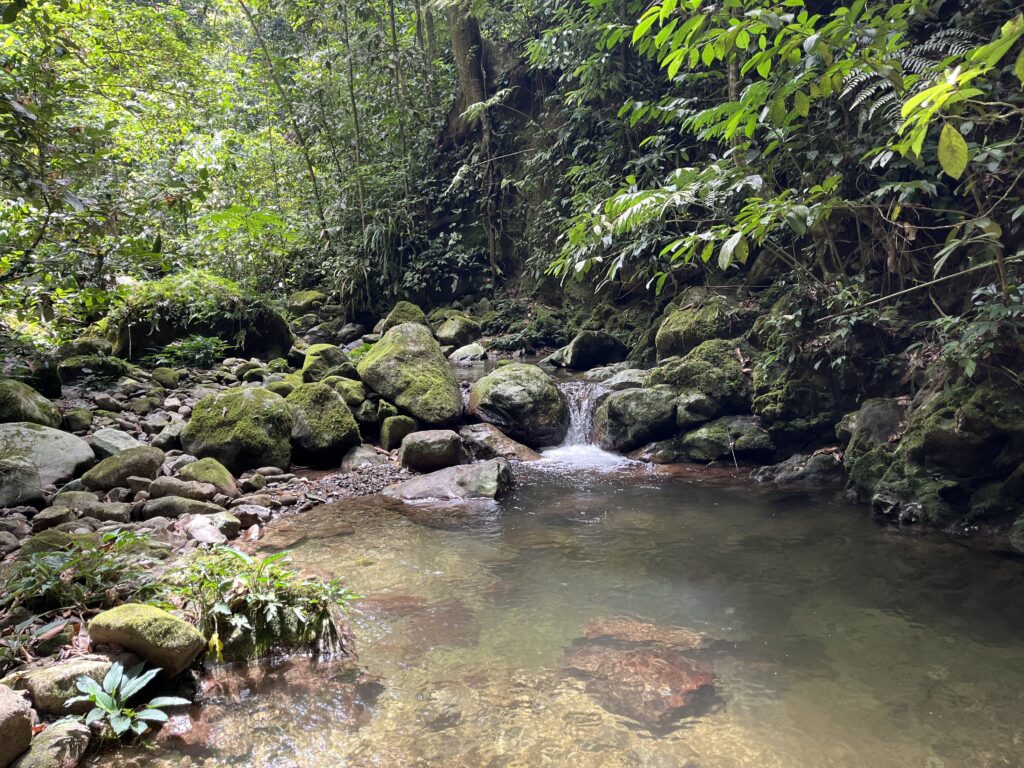
lush, rocky stream
One of our primary forest study streams, located in Ranau, Sabah, Malaysia.

The rainforests of Borneo are among the oldest in the world, known for their staggering concentration of biodiversity across species groups. With dipterocarp trees stretching over 80 meters into the canopy, orangutans rustling through the foliage, and crystal-clear streams rushing through the understory, my “office” for the summer was quite a sight to behold. Inhabiting those pristine streams and the forests surrounding them are Borneo’s nearly 200 species of frogs. In a region home to hornbills, clouded leopards, and one of the world’s most recognizable great apes, the choice to study small amphibians may not seem intuitive. However, frogs are an excellent study system for answering a wide breadth of biological questions, partly due to their high sensitivity to fluctuations in environmental conditions. Due to that sensitivity, studying frogs provides scientists with insights into the impacts of human-caused climate change and other anthropogenic factors on global ecosystems. Furthermore, amphibians remain the vertebrate group most threatened with extinction, and understanding amphibian ecology is critical to ensuring the conservation of those species into the future.

Our research this summer had two main focal areas. The first involved surveying frog populations in streams in different land-use types: primary forest, secondary forest, and agricultural land. We conducted visual encounter surveys of streams in each of those land-use types, noting each individual frog we saw and capturing it if possible. Carefully capturing the individuals allowed us to mark the frog (to establish whether we were recapturing individuals in subsequent surveys) and determine the sex, snout-vent length, and mass before releasing them. Repeated surveys on each of our study streams provided us with insight into the species richness and abundance of each frog community and enabled us to compare potential differences in our study variables across land-use types. 

The surveys presented several enjoyable learning curves. We identified all frog species we found using their scientific names, so I had to learn taxonomy for the first time, butchering many Latin pronunciations along the way. I also learned to use specific features of an individual frog, including toe pads, hand and foot webbing, and parotid gland shape, to distinguish between easily confused species. Through experience, I began to recognize where certain species preferred to sit or perch, which ranged from the rocky shoreline to branches several meters above the water. And, through many ill-fated attempts to capture the more jumpy members of the anuran (frog) community, I realized which frogs merited a more slow and cautious approach before diving in to grab them.
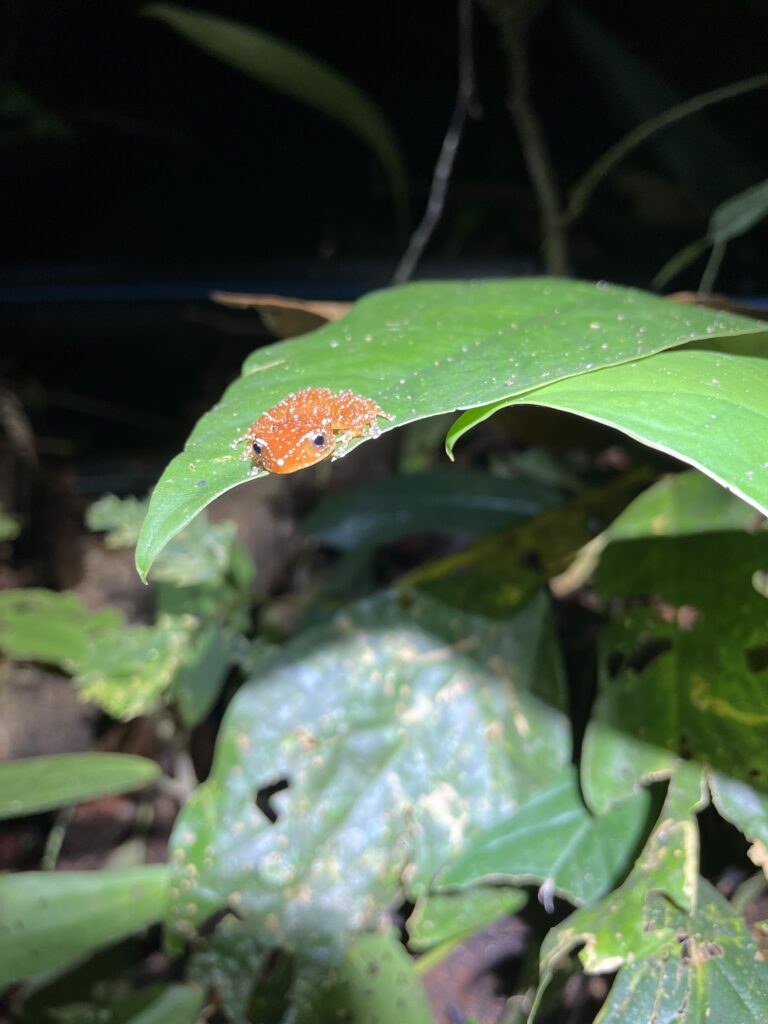
small orange frog on a large green leaf
The cinnamon tree frog (Nyctixalus pictus) is one of the most strikingly colored frogs in Borneo.

Our second research focus for this summer was to record as many frog calls as we could from each of our study streams. While we hope to use these recordings to analyze potential differences in frog calling behaviors across land-use types, this work also contributed to the larger purpose of growing the existing library of frog calls that exists for the island of Borneo. An eventual goal of Dr. Sheridan’s is to use call recordings to train AI models to identify which frogs are calling in a given “soundscape,” or audio recording, taken from a natural space. This would allow researchers to gauge the diversity of frog populations in a given region without having to perform intensive survey work, saving time and resources in the urgent quest to quantify amphibian biodiversity.

Call recording nights also provided numerous opportunities for me to practice the virtue of patience. There are few better lessons in biding your time than staring directly into the eyes of a frog that immediately ceased to call when the recorder was switched on but had been chirping away mere seconds before. On one memorable night, I sat next to a giant river toad (Phrynoidis juxtasper) for over half an hour as we enjoyed a peaceful and resolutely call-free silence. Fortunately, I managed to record numerous more cooperative individuals during my time in the field.

The final facet of our field work involved collecting a limited number of the frogs we encountered at our study streams. These frogs were anesthetized and prepared as specimens to be taken to either the Carnegie Museum of Natural History or to Sabah Parks, one of our local collaborators. Removing animals from the wild and putting them down definitely weighed on me, and I never took that work lightly. However, there are several reasons for collecting frogs in this manner. Collections-based research on frog body size (one of the most important features of a biological organism), specifically regarding whether the body size of a given species has changed over time, is only possible via analysis of preserved specimens of that species spanning a long time scale. Dr. Sheridan recently collaborated on a study that used museum specimens of the Fowler’s toad (Anaxyrus fowleri) to demonstrate that increases in precipitation and temperature between 1931 and 1998 were associated with decreased A. fowleri body size, an important finding given the drastic climatic changes that continue to occur globally today. In addition to its research value, collection allows scientists to document, for posterity, a small portion of the life on Earth from a given spatial and temporal location. This record has the potential to be used to answer future biological questions that we don’t even know to ask yet!
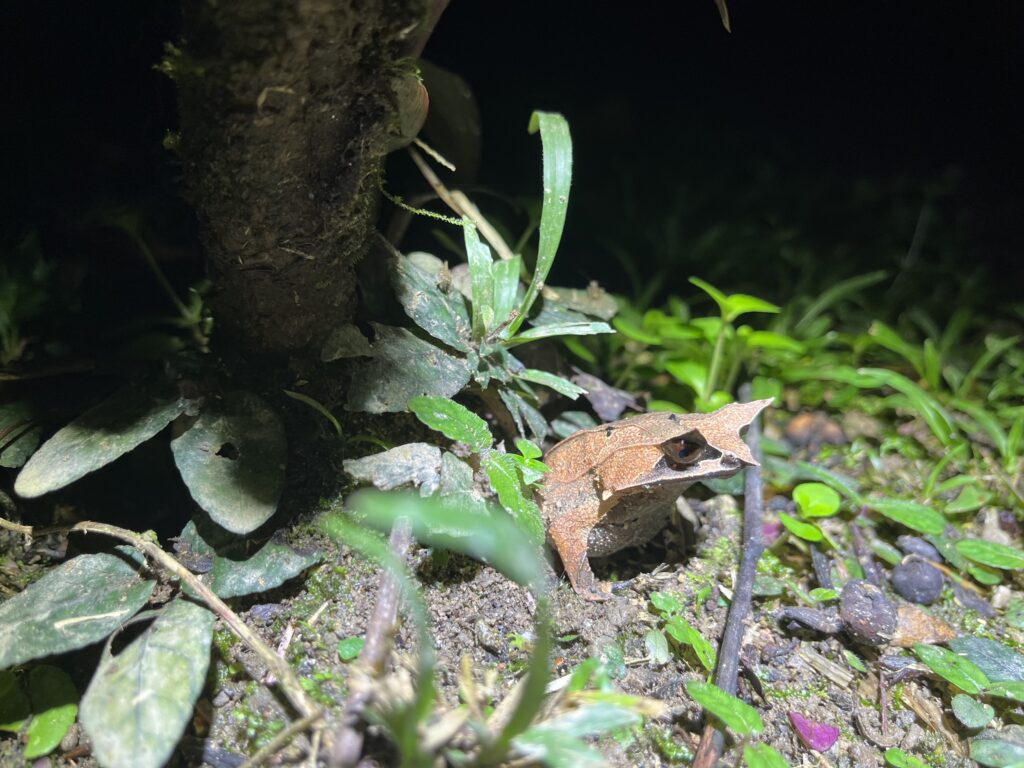
horned frog in a lush green environment
A juvenile Bornean horned frog (Megophrys nasuta). Horned frogs are easily recognizable by the flaps of skin (“horns”) protruding above their eyes.

My time working with our amazing team has sadly ended, but the field season will continue for several more weeks as my colleagues wrap up surveys and call recording in our third study region. It is impossible for me to reflect on those months without feeling incredibly grateful for the opportunity to participate in this project. There were so many small moments of joy: my teammate capturing a frog perched on an out-of-reach branch using only a five-meter bamboo stick and gentle coaxing; negotiating stream access with a village leader for two days, only to humorously realize we had a miscommunication about which body of water we actually wished to study; realizing that I had crossed the threshold of seeing over 50 species of frogs in my time in Borneo. Even after two months in the field, I continued to observe fauna I hadn’t seen previously, from river otters to trogons to enormous stick insects. The sheer wonder of experiencing such incredible natural spaces has reaffirmed my goal of ensuring their protection into the future. With Southeast Asia possessing the highest deforestation rates of anywhere in the world, it is more critical than ever to understand the biodiversity that we as conservationists seek to protect. This field season may be coming to a close, but the work is far from over.

Rohan Mandayam was a research assistant on Dr. Jennifer Sheridan‘s field team in Borneo, Malaysia.

Related Content

The Enduring Appeal of Snakes

Nerding Out Over Masting, or Why Unusual Plant Reproduction Excites Animal Ecologists
Field Time in Borneo

Published October 17, 2025

Filed Under: Blog Tagged With: amphibians and reptiles, Rohan Mandayam

August 16, 2024 by Erin Southerland

Natural History Collection Managers: The Stewards of Time Travel 

by Serina Brady and Mariana Marques

For centuries, naturalists have collected the living world with the primary goal of understanding the diversity and complexity of our planet. In vast shelves and cabinets located in natural history museums, we find a diversity of specimens used daily by researchers, students, naturalists, and conservationists from around the world. These collections are not just archives of the past, but they also play a crucial role in addressing present-day challenges. By documenting the diversity of life, natural history collections provide a wealth of information that can be used to tackle issues such as climate change, pandemics, pathogen dispersals, deforestation, habitat fragmentation, and biodiversity loss. They can be considered the world’s most comprehensive and complex library, serving as a valuable resource for understanding and addressing the health of our planet. 

Each specimen can be seen as a unique document or book recording an aspect of life on Earth at a particular time and place. They testify to the existence of a given species in a given locality and at a particular time, and they have a fundamental role as a guarantee of the scientific method: they allow objective observation that can be replicable. Natural history collections are an unparalleled source of information. For instance, a single bird or reptile specimen can provide data on its species, its habitat, its diet, and even its health. This wealth of information continues to allow researchers to understand better the past, the present, and the future of biodiversity, as well as the health of our planet – from local communities to the entire Earth.  

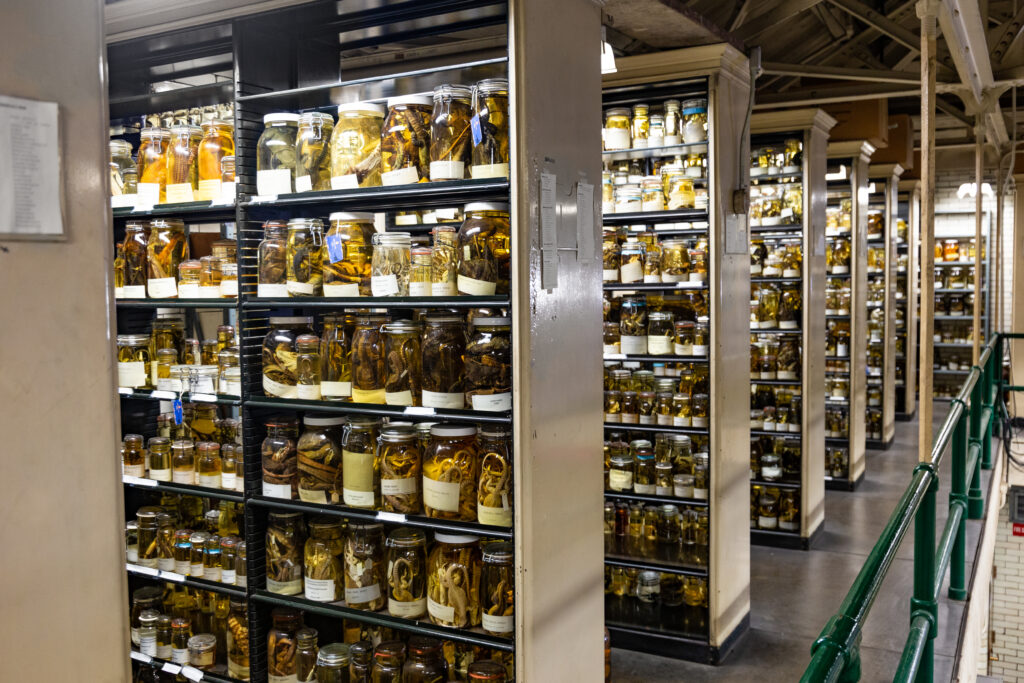
Carnegie Museum of Natural History Alcohol House, Collection of Amphibians and Reptiles. ©Photo by: Luis Ceríaco. 
Carnegie Museum of Natural History, Collection of Birds. ©Photo by: Luis Ceríaco. 

These collections are usually housed in natural history museums. These museums are research, conservation, education, and public outreach hubs. Their collections are not limited to public exhibitions; in fact, the majority are housed in storage locations, generally out of sight and knowledge of the public. The process of collecting and storing these specimens is methodical. Each specimen is carefully collected, identified, and cataloged, then stored in a controlled environment to ensure long-term preservation. This process ensures that these specimens, often fragile and irreplaceable, are protected and can continue to be used for research and education for future generations.  

Natural History Collections: a Tool to Face Global Changes 

How can a specimen collected more than 100 years ago still be relevant today? Historical collections, like the one housed at Carnegie Museum of Natural History, provide baseline data points. These initial measurements or observations serve as a starting point for future comparisons. By providing a snapshot of life on Earth at a particular time and place, these specimens allow us to study change over time. The first and most crucial step is to gather those baseline data points!  

From their early days, natural history collections’ primary goal was to inventory all life on Earth. However, with new cutting-edge technology, researchers can recover different data from historical specimens, data that the original collector didn’t even imagine. For example, when birds were collected from the U.S. Rust Belt, collectors didn’t realize that the specimens would be used to infer information about the history of pollution. Similarly, in the early twentieth century, the collectors of salamanders in the Appalachian woods didn’t even realize that some of those specimens were already infected with a pathogen that is devastating some of the world amphibian populations today.  

However, because specimens were collected, we can now map the expansion of this pathogen through time or trace the amount of black carbon in the air over time through birds’ feathers to help fight and understand climate change. Part of the job of Collection Managers like us is not just to preserve and maintain the existing collections, but also to anticipate and predict the questions future researchers will be asking. This proactive approach ensures we gather today’s data to answer tomorrow’s questions. Specimens collected over a century ago are actively used today to answer questions about current and future environmental changes.  

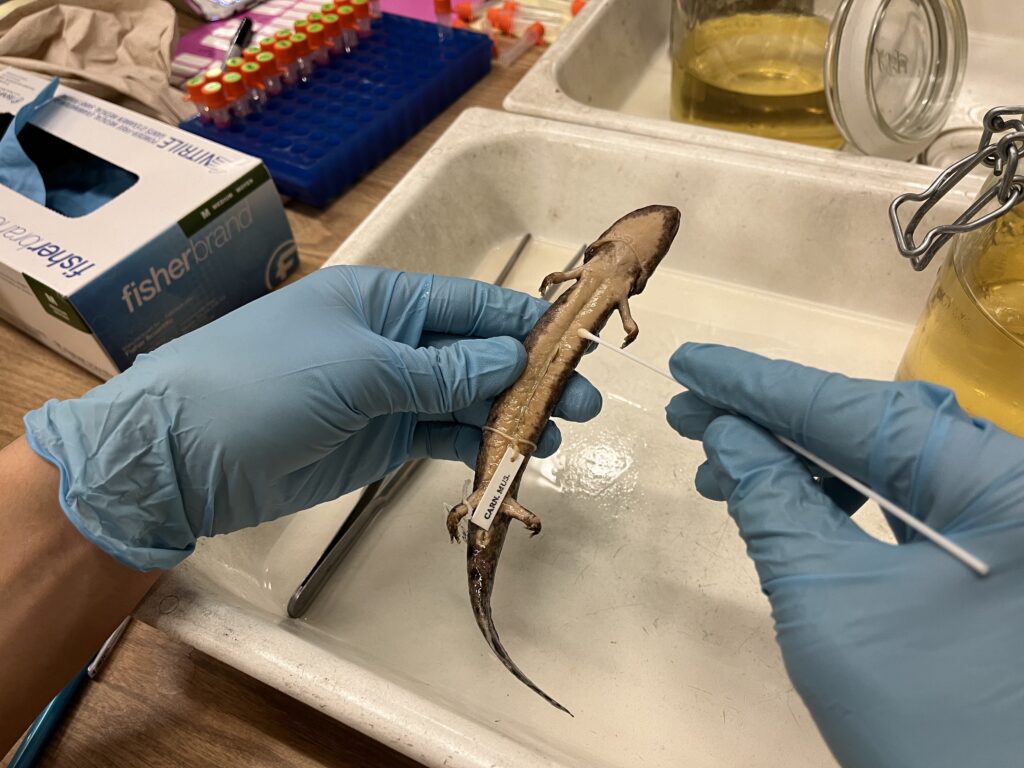
Specimens at the Carnegie Museum of Natural History collected during the early 1900s continued to have a significant role in research questions. These specimens give researchers insight into environmental changes through time, such as soot deposited on bird feathers or the presence of pathogens such as the chytrid fungus on amphibian populations across a specific time and place. Top: Two Eastern Towhee (Pipilo erythrophthalmus) specimens, one from 1895 (bottom) and the other from 1993 (top), showing the change in air quality over time (DuBay and Fuldner 2017). © Photo by Luis Ceríaco. Below: Amphibian specimen of Common Mudpuppy (Necturus maculosus) being swabbed by a student from the University of Pittsburgh (Richards-Zawacki Lab) to detect the presence of the amphibian chytrid fungus – Batrachochytrium dendrobatidis. ©Photo by: Rachel Verdi. 

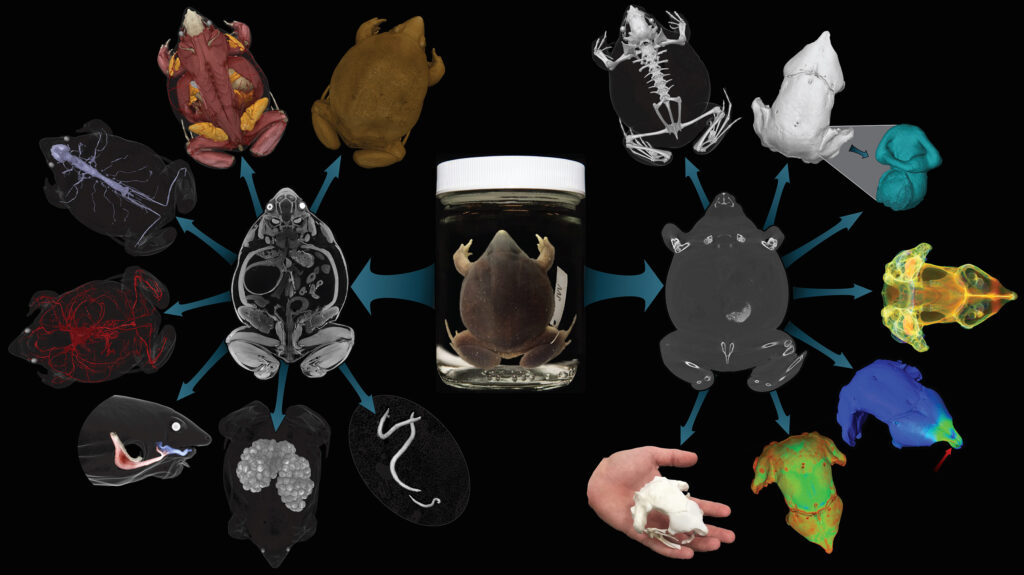
New applications of technologies, such as computed tomography (CT) scans, provide novel insights and usages for specimens. CT scans allow a complete 3D model of a specimen, including access to its internal morphology without damaging it. Using next-generation sequencing, scientists can use fragmented and degraded DNA for advanced analyses such as phylogenetic and phylogeographic analysis. These specialized methods allow us to study species’ evolutionary relationships and geographic distribution. These advanced techniques are just some of the ways natural history collections are being used to push the boundaries of scientific knowledge.  

CT scans provide details of internal anatomy, presence of parasites, reproduction, etc., without damaging the specimen. CT scans are a significant technological advance for fields such as taxonomy, developmental and evolutionary biology, and studying functional morphology for natural history specimens. © Edward Stanley, Florida Museum of Natural History, University of Florida (oVert – OpenVertebrate project). 

A Biodiversity Backup 

Continuing to grow our collections is not only scientifically essential but undeniably needed. Currently, 1.8 million species have been formally described to science, although worldwide experts predict that around 8.75 million species still await to be discovered, described, and named. Given current extinction rates, we are racing against time to describe the remaining 86% of the world’s species, many of which may become extinct before we know they even existed! 

New species of birds, amphibians, reptiles, mammals, and insects continue to be discovered worldwide, sometimes based on specimens tucked away in a museum for decades! These collections are not just archives of the past but also living libraries that continue to grow and evolve as new species are discovered. Each new discovery adds to our understanding of the natural world and underscores the importance of these collections in documenting and preserving Earth’s biodiversity. These new specimens contribute to our most significant and longest dataset of the natural world. But just as a library that stops acquiring new books, a natural history collection that doesn’t add new specimens will eventually lose its scientific value and relevancy. If we don’t continue to add physical proof of today’s biodiversity, we create unfillable gaps in one of our most powerful natural history data sets. Today is tomorrow’s past, and natural history collections act as a biodiversity backup of our planet!  

Serina Brady is Collection Manager of Birds and Mariana Marques is Collection Manager of Amphibians and Reptiles at Carnegie Museum of Natural History.

Related Content

Risk Assessment, or How to Keep Your Collection Intact

Type Specimens: What Are They and Why Are They Important?

Staff Favorites: Dolls in the Museum’s Care

Carnegie Museum of Natural History Blog Citation Information

Blog author: Brady, Serina; Marques, Mariana
Publication date: August 16, 2024

Share this post!

  • Share on Twitter Share on Twitter
  • Share on Facebook Share on Facebook
  • Share on Pinterest Share on Pinterest
  • Share on LinkedIn Share on LinkedIn
  • Share on Reddit Share on Reddit
  • Share via Email Share via Email

Filed Under: Blog Tagged With: amphibians and reptiles, Birds, Mariana Marques, Science News, Serina Brady, SWK2

February 21, 2024 by Erin Southerland

Carnegie Museum of Natural History Researchers Describe Seven New Species of African Skinks

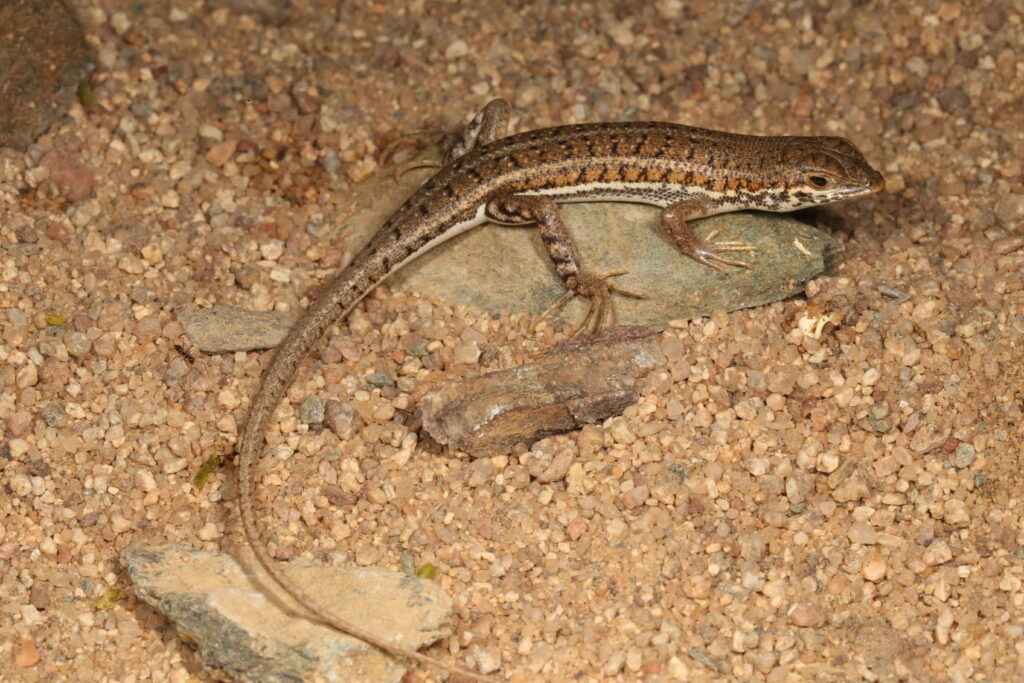
Trachylepis wilsoni. Photo credit: Luis Ceríaco.

Researchers from Carnegie Museum of Natural History (CMNH) and international colleagues describe seven species of skinks from the African nation of Angola that are new to science. In a study recently published in Bulletin of the American Museum of Natural History, the research team review all the occurring species of the genus Trachylepis in Angola and conclude there are seven new species.  

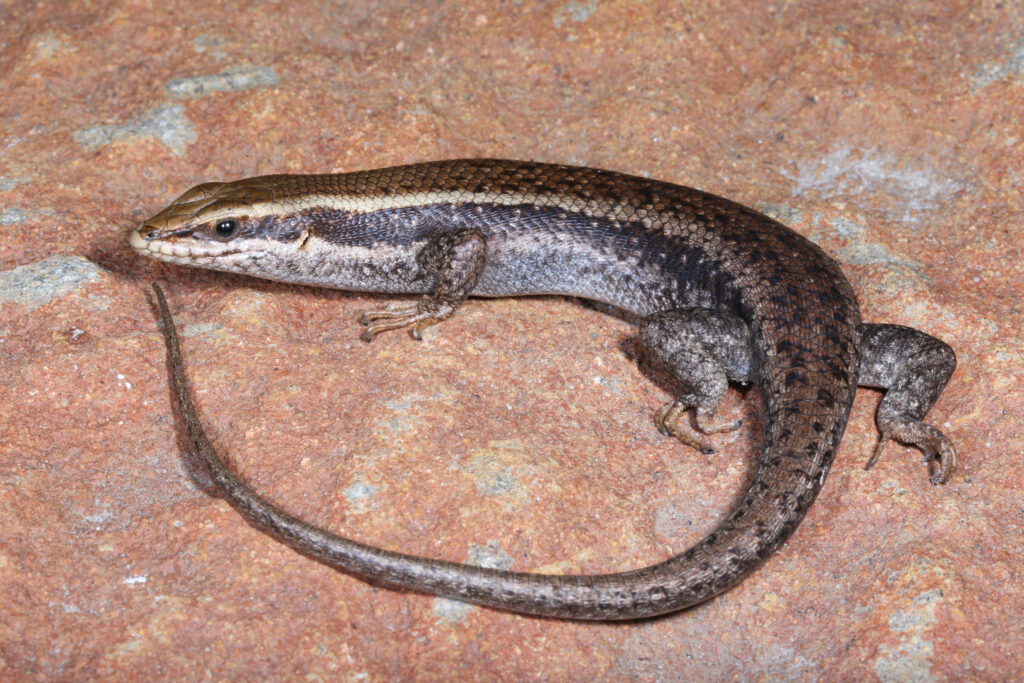
Two of the new species names, Trachylepis attenboroughi (“Attenborough’s Skink”) and Trachylepis wilsoni (“Wilson’s Wedge-snouted Skink”) honor iconic naturalists David Attenborough and Edward O. Wilson, respectively. The other names honor the late French herpetologist Roger Henri Bour, Angolan herpetologists Suzana A. Bandeira and Hilária Valério, the Angolan chieftain Mwene Vunongue (1800–1886), and the Ovahelelo ethnolinguistic group in gratitude for supporting and welcoming the research team and permitting them to study fauna of their lands.  

“It is an honor to name two new species after Sir Attenborough and E.O. Wilson,” said Mariana Marques, CMNH Collection Manager for the Section of Amphibians and Reptiles. “Both naturalists played a crucial role in my academic and professional paths, and their legacy definitely sparked my passion for African wildlife. We hope that naming two species in recognition of such inspirational naturalists can raise awareness worldwide that there are still new species to be discovered and described while many others are becoming extinct before they are even discovered. We are in a race against time to save our biodiversity, we cannot preserve what we do not know.” 

Trachylepis attenboroughi. Photo credit: Luis Ceríaco.

“It’s equally important to acknowledge the people of Angola,” said CMNH Research Associate and CIBIO/BIOPOLIS Researcher Luis Ceríaco. “We owe so much to them, including scientists who have contributed vital knowledge of the country’s beautiful biodiversity and the people who live on this land and who welcomed us and supported these endeavors. Both Suzana and Hilária started participating in this project as students, and now they are both leaders in their respective fields in Angola. They are training a new generation of Angolan biologists and conservationists. Honoring them with these two new species is a way to celebrate the new generation of African naturalists!”  

The description and naming of new species provides critical insights for biologists, contributes to our understanding of the evolutionary processes that shaped today’s biodiversity, and updates the catalogue of life on Earth. As biodiversity grows ever more vulnerable on a worldwide scale, a clear understanding of the real number of species and their distribution is fundamental to developing effective conservation plans.  

Angola, a country in southwestern Africa, is one of the most biodiverse countries on the continent, with high levels of endemism, or species that occur nowhere else in the world. This diversity is due to the county’s geographic position and wide diversity of biomes—including tropical rainforests, savannahs, and deserts, providing the specific habitats for species to adapt and speciate. Angolan biodiversity serves as a trove of new scientific knowledge, due in part to the armed conflicts that have engulfed the country for more than four decades, impeding research. 

In addition to Marques and Ceríaco, the research team includes Diogo Parrinha, CIBIO/BIOPOLIS PhD Candidate; Arthur Tiutenko, Friedrich-Alexander University of Erlangen/Nuremberg Assistant Professor; Jeffrey Weinel, American Museum of Natural History Postdoctoral Fellow; Brett Butler, Universidad Nacional Autónoma de Mexico PhD Candidate; and Aaron Bauer, Villanova University, Professor.  

Filed Under: Press Release Tagged With: amphibians and reptiles, herpetology, Luis Ceriaco, Mariana Marques, Science News

November 9, 2023 by Erin Southerland

Museum Researchers Describe Five New Amphibian and Reptile Species in 2023

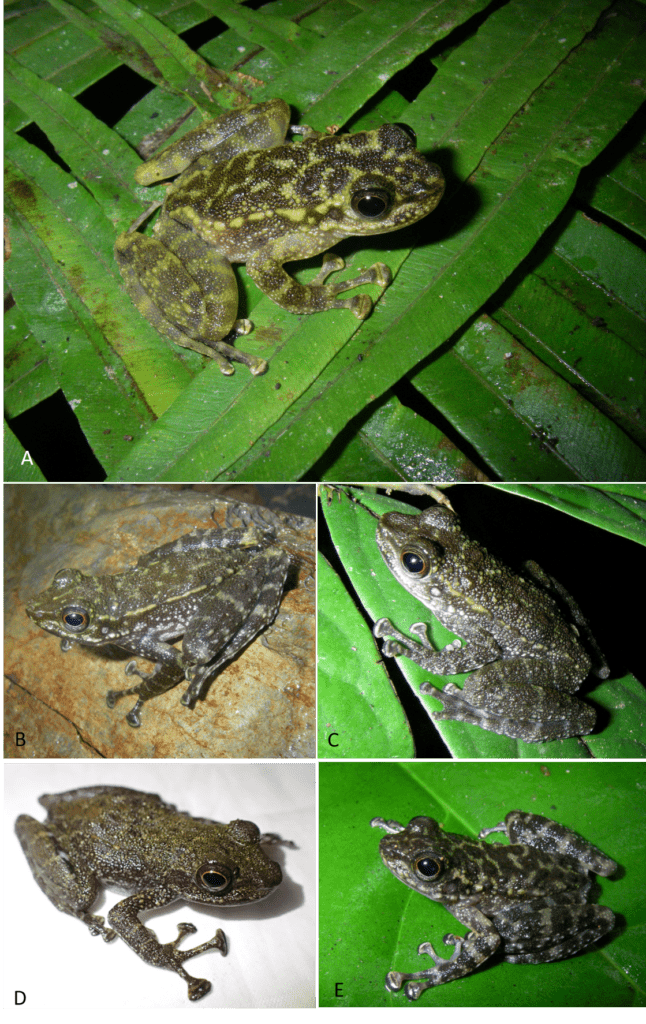
Five frogs in the genus Amolops: A: Amolops cremnobatus, B: A. tanfuilianae sp. nov., C: A. sengae sp. nov., D: A. kottelati sp. nov., E: A. attiguus sp. nov.
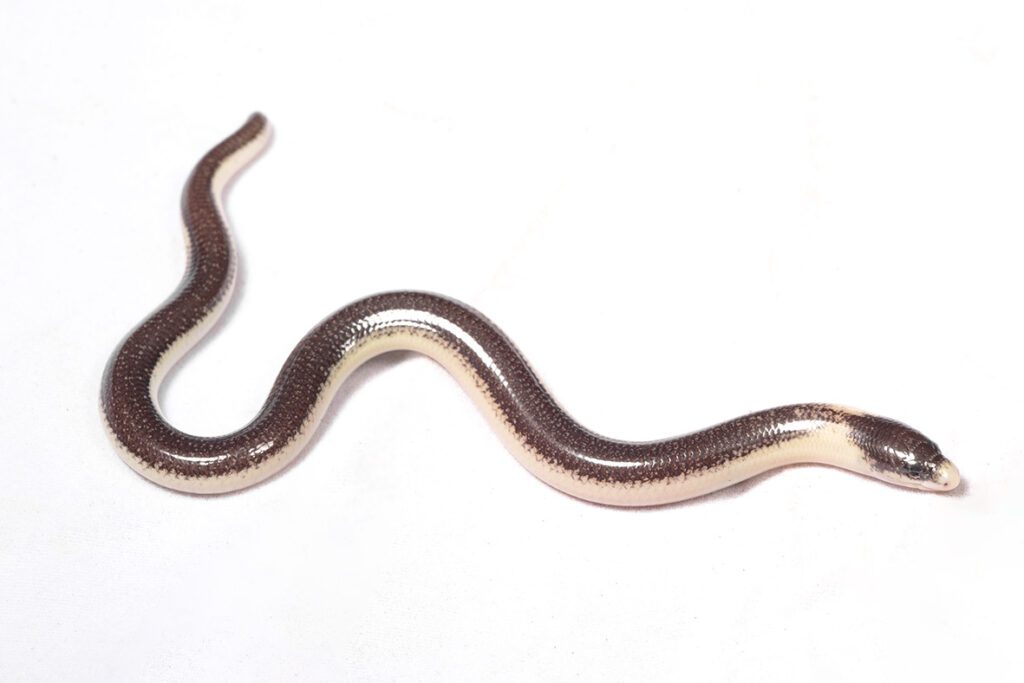
Acontias mukwando. Photo credit: Arthur Tiutenko.

Researchers in Carnegie Museum of Natural History’s (CMNH) Section of Amphibians and Reptiles celebrate five new species described in 2023. Associate Curator Dr. Jennifer Sheridan and an international research team describe four new species of Southeast Asian frogs in the genus Amolops in the journal Vertebrate Zoology. Collection Manager Mariana Marques and international colleagues describe a new species of legless skink (small lizard) from Angola in the African Journal of Herpetology. Both museum researchers are lead authors of their respective studies. 
 
Marques and Sheridan’s discoveries took place 6,000 miles apart on different continents, yet both provide new scientific insights about their respective regions. In the face of a worldwide decline in biodiversity due to human impact, the documentation of new-to-science species fills vital knowledge gaps for a better understanding of ecosystem health. The better scientists can document biodiversity, the better they understand the effects of biodiversity loss and how to identify future conservation goals. 
 
“Publishing five new species within less than three weeks is exciting for us and the museum,” said Sheridan. “Both discoveries required a combination of field work and research back at the museum. Mariana knew in the field that she had likely encountered an undescribed species, while in my case, these frogs were labeled as Amolops cremnobatus in the field because that’s what they looked like. Years later, once we started looking closely at numerous individuals collected by many researchers, we began to fully realize the diversity hidden in the Amolops genus.”

Dr. Jennifer Sheridan, Associate Curator of Amphibians and Reptiles.

Sheridan and researchers from Laos and North Carolina hypothesized that the Lao torrent frog Amolops cremnobatus, first described in 1998, is actually five species in the genus Amolops based on mitochondrial DNA analysis of specimens from Laos, Vietnam, and Thailand. Their paper in Vertebrate Zoology describes the four new species Amolops tanfuilianae, Amolops kottelati, Amolops sengae, and Amolops attiguus. 

“These are extremely cryptic species,” said Sheridan. “So, determining the differences is not as simple as ‘specimen A has different coloration than cremnobatus’ or anything like that.” The visual differences between adult specimens were small and included varied finger lengths and the number of vomerine teeth (used to capture and hold prey). Tadpole morphology (size, shape, and structure) was key; even though adults are collected more often than tadpoles for scientific study, tadpole information is important. Body length, presence or absence of glands, and other physical features in tadpoles provided crucial data to differentiate the new Amolops species. Molecular data including mtDNA and nuDNA analysis also revealed differences the research team needed to describe the four new species. The team recognizes that continued research in Thailand may reveal additional species. 

Meanwhile, Marques and an international team of researchers discovered the skink Acontias mukwando on Serra da Neve, an inselberg, or isolated, rocky outcrop, in Angola, one of the most ecologically diverse countries in Africa. Moveable eyelids and distinct coloration distinguish the new species, Acontias mukwando, from other species in the genus Acontias. The research team chose the species name in honor of the local Mukwando tribe to recognize their support and friendship during field work.

Both Sheridan and Marques used specimens from the collections of multiple other museums to fully determine how these newly described species are unique, and how they relate to their closest relatives. They relied on collections made by numerous researchers from multiple countries, highlighting the value of collaborative museum networks for understanding global biodiversity.

“Finding a specimen like Acontias is always exciting,” said Marques. “These animals spend most of their time under rocks and foliage, and they are not usually seen by people. There is so much we don’t know about them. Discovering that a member of a little-known group occurs on top of an equally obscure mountain was such an exciting mystery to solve. It was one of those rare ‘wow’ moments in your career as a scientist! My goal is to provide a solid and scientific overview of the fauna occurring in Serra da Neve, in order to support its conservation and contribute to the understanding of its rare biodiversity.”

CMNH’s Section of Amphibians and Reptiles maintains a collection of more than 230,000 specimens and ranks as the ninth largest amphibian and reptile collection in the United States. It includes 156 holotypes, the single type specimens upon which the descriptions and names of their respective species are based. 

Filed Under: Press Release Tagged With: amphibians and reptiles, herpetology, Jennifer Sheridan, Mariana Marques, Science News

June 23, 2023 by Erin Southerland

From Collections User To Collections Manager

Introducing Mariana Marques, the New Collection Manager for the Section of Amphibians and Reptiles

by Mariana Marques
With a Hemidactylus greefii – São Tomé giant gecko, São Tomé island.

I’m not sure when I first entered in a natural history museum, but I know that these establishments have always been my favorite places to visit. I did my bachelor’s degree in biology in the University of Évora, a small and picturesque town in southern Portugal surrounded by one of the most biodiverse habitats of the Iberian Peninsula, the unique savanna-like ecosystem known as the “montado.” In the intervals between classes, I loved to go look for the critters that surrounded the university field station where most of my classes were held. I was lucky enough to be in one of the places with the highest diversity of amphibians and reptiles in the country, and in a natural and unspoiled area which meant that I could easily see good numbers of these animals. Being able to handle and study these animals in the field woke up my passion for herpetology, and I decided that I wanted to become a herpetologist.

I started to collaborate on projects in herpetology, and I was lucky enough to visit the outstanding collections of the Natural History Museum of Paris while I was an undergraduate. Most of the projects I was participating in had a strong taxonomic focus, and therefore specimens were the basis of my research. I had become specialized in measuring snout-vent length, counting scales, and describing the coloration of preserved lizards, frogs, and snakes from across the world. With these, I started to better understand the importance of historical labels, catalog numbers, old publications citing these specimens, and modern databases. 

My path turned to Africa during master’s thesis work as I started working with the poorly known fauna of two Portuguese-speaking countries on the continent: Angola, in southwestern Africa, and São Tomé & Príncipe, an island nation in the Gulf of Guinea. For this work, I learned another new skill: specimen collecting. As an apprentice naturalist, I learned where to find species of interest, how to collect them safely, and how to prepare and fix them to become museum specimens. These new experiences gave me an increased appreciation of our collections and their importance. As an MSc and PhD student, I described species new to science, and catalogued and mapped herp diversity to support their conservation. 

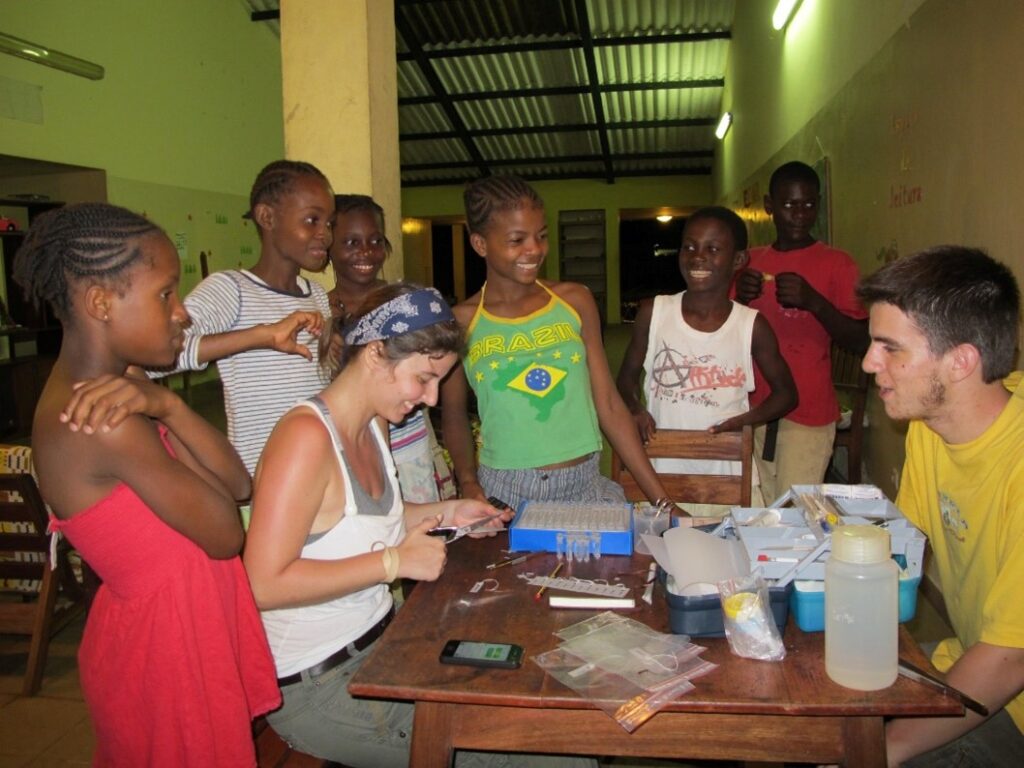
Preparing specimens field tags in the company of the young future naturalists at Príncipe island.
Photo by: Luis M.P. Ceríaco, 2015.

Although I’ve visited many collections in Europe, Africa, and the US (including CMNH!), I was mostly based in Portugal. The Portuguese collections had suffered considerable neglect which made most of them almost unusable. However, taxonomists need collections, so together with colleagues, I embarked on the mission of rescuing those collections to make them accessible and usable for researchers. Through this process I learned how a collection should be housed, and best practices for collection management and care. I became a collections manager!

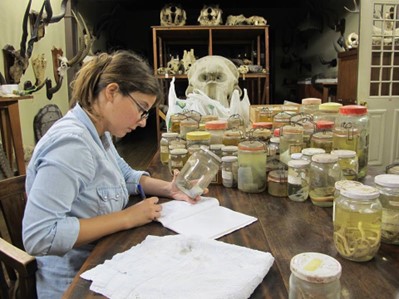
Starting from scratch. Listing all herpetological material at Instituto de Investigação Científica Tropical, Lisboa, Portugal. Photo by: Luis M.P. Ceríaco, 2014.

Currently, while I still love to do research, participate in fieldwork, and describe new species, I love to be taking care of specimens in old jars, making them accessible to researchers and to the public, telling stories about them, and ensuring they are preserved for generations to come. Natural history collections, such as the one we have at Carnegie Museum of Natural History, are fundamental tools for science and conservation, and new promising technologies are showing us that their potential is far beyond my traditional snout-vent length measuring and scale counting.

Becoming the Collection Manager of the Section of Amphibians and Reptiles of Carnegie Museum of Natural History is both a challenge and an honor. And what I find more curious about it, is that in 2018, when I visited the museum and used its collections for my own research, I remember saying to myself: this is a city where I could see myself living!

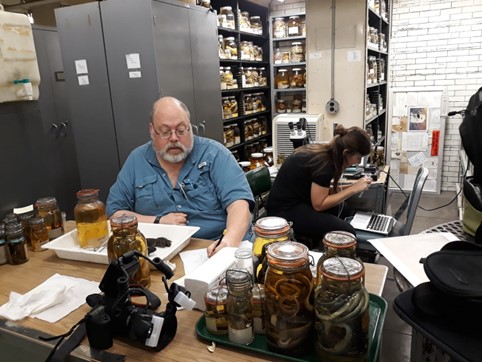
At Carnegie Museum of Natural History, Section of Amphibians and Reptiles in 2018, studying the Angolan material from Pulitzer Expedition, with Aaron Bauer and Luis Ceríaco. Photo by: Luis M.P. Ceríaco, 2018.

Mariana Marques is Collection Manager of Amphibians and Reptiles at Carnegie Museum of Natural History.

Related Content

A Deep Look Inside Reptiles and Amphibians

Sharing a City Park with a Resident Reptile

Is This What They Call Overkill? Toxin and Venom in the Herp World

Carnegie Museum of Natural History Blog Citation Information

Blog author: Marques, Mariana
Publication date: June 23, 2023

Share this post!

  • Share on Twitter Share on Twitter
  • Share on Facebook Share on Facebook
  • Share on Pinterest Share on Pinterest
  • Share on LinkedIn Share on LinkedIn
  • Share on Reddit Share on Reddit
  • Share via Email Share via Email

Filed Under: Blog Tagged With: amphibians and reptiles, herpetology, Mariana Marques, Science News, SWK2

July 20, 2022 by Erin Southerland

Scientists Call for New Research Studying the Combined Effects of Climate Change and Urbanization on Body Size Across Species

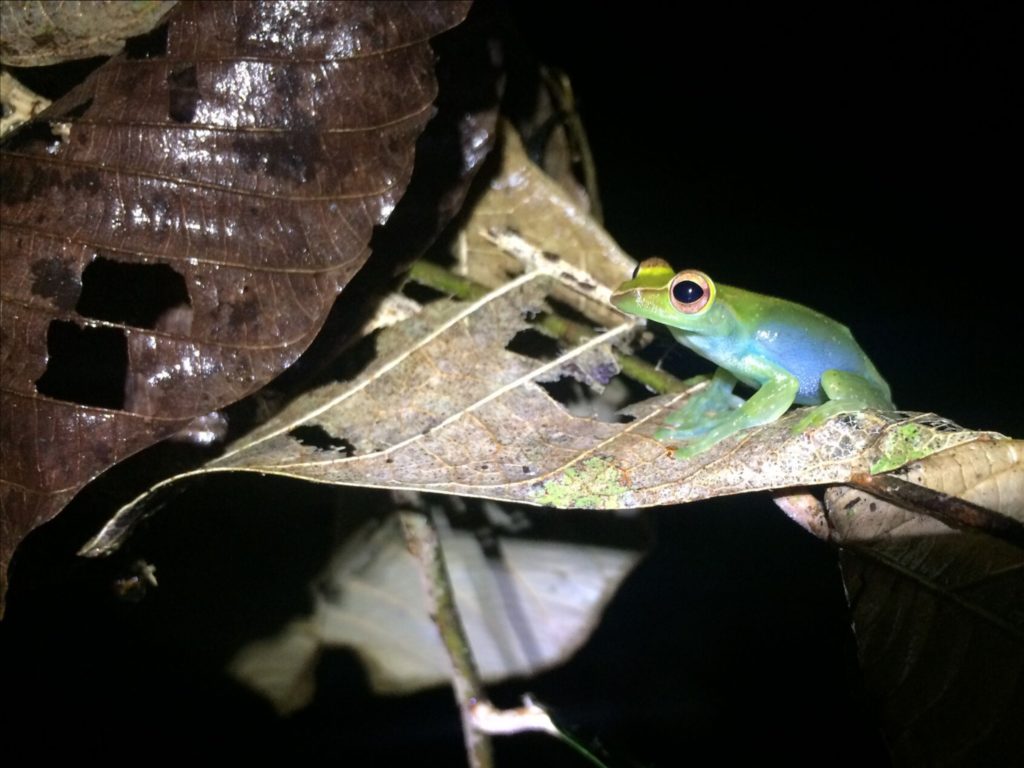
Rhacophorus dulitensis (jade tree frog). Photo by Dr. Jennifer Sheridan, Carnegie Museum of Natural History

Researchers from Carnegie Museum of Natural History have described impacts of climate change and land use on the size of organisms. Dr. Jennifer Sheridan, Assistant Curator of Amphibians and Reptiles, and Dr. Amanda Martin, post-doctoral researcher, review the causes that lead to changes in size as well as ecological interactions, while making the case for more research studying the combined effects of climate change and urbanization. The paper, entitled “Body size responses to the combined effects of climate and land use changes within an urban framework,” was published in in the journal Global Change Biology on June 27. 

Body size is considered one of the most important traits of an organism, affecting thermal regulation, mobility, reproductive output, and capacity to acquire resources. Over many generations, body sizes usually increase within lineages. Recent observations, however, show a decrease in size over relatively short time periods. This could have profound ramifications for individual organisms and ecosystems alike. For example, size-related reproductive success means that interacting populations in the same location will be dominated by smaller species, leading to long-term changes in predator-prey dynamics. Most research suggests climate change as the primary driver of changes in size, but emerging research indicates that land use—especially urbanization—may also contribute.  

Human-induced climate change has significantly altered temperatures since the 1950s, and temperature affects the size of organisms. At roughly the same time, the Earth has experienced rapid urbanization and a tripling of the human population. Unlike climate change, urbanization has been shown to cause an increase in size of some organisms due to the advantage size has on mobility, and the greater availability of food and other resources. Urbanization does not affect all organisms equally; however, and some species—including some birds—are unable to take advantage of food abundance in urban settings and have become smaller.

“There is a gap in the literature,” says Dr. Sheridan. “Given that climate change and urbanization are projected to continue their rapid growth, there is an urgency to understanding how their respective effects may be working in concert. Specimens from museum collections are a unique data source that can shed light on changes in size with respect to climate and land use changes over time.”  

Sheridan and Martin recommend several steps researchers can take to better understand biodiversity loss and ultimately work toward species conservation. These include expanding the taxonomic and geographic scope of research–including the use of museum collections; increasing the use of quantitative data—such as impervious surface area–over categorical data such as urban versus rural zones; and increasing the testing of climate change and land use interactions. Better understanding of the combined effects of climate change and urbanization is imperative for responding to rapid environmental change. 

Filed Under: Press Release Tagged With: Amanda Martin, amphibians and reptiles, climate change, Jennifer Sheridan, Science News

  • Page 1
  • Page 2
  • Page 3
  • Interim pages omitted …
  • Page 6
  • Go to Next Page »

sidebar

About

  • Mission & Commitments
  • Directors Team
  • Museum History

Get Involved

  • Volunteer
  • Membership
  • Carnegie Discoverers
  • Donate
  • Employment
  • Events

Bring a Group

  • Groups of 10 or More
  • Birthday Parties at the Museum
  • Field Trips

Powdermill

  • Powdermill Nature Reserve
  • Powdermill Field Trips
  • Powdermill Staff
  • Research at Powdermill

More Information

  • Image Permission Requests
  • Science Stories
  • Accessibility
  • Shopping Cart
  • Contact
  • Visitor Policies
One of the Four Carnegie Museums | © Carnegie Institute | Privacy Policy | Terms of Use | Accessibility
Rad works here logo