• Skip to primary navigation
  • Skip to main content
  • Skip to primary sidebar

Carnegie Museum of Natural History

One of the Four Carnegie Museums of Pittsburgh

  • Visit
    • Buy Tickets
    • Visitor Information
    • Exhibitions
    • Events
    • Dining at the Museum
    • Celebrate at the Museum
    • Powdermill Nature Reserve
    • Event Venue Rental
  • Learn
    • Field Trips
    • Educator Information
    • Programs at the Museum
    • Bring the Museum to You
    • Guided Programs FAQ
    • Programs Online
    • Climate and Rural Systems Partnership
  • Research
    • Scientific Sections
    • Science Stories
    • Science Videos
    • Senior Science & Research Staff
    • Museum Library
    • Science Seminars
    • Scientific Publications
    • Specimen and Artifact Identification
  • About
    • Mission & Commitments
    • Directors Team
    • Museum History
  • Tickets
  • Give
  • Shop

amphibians and reptiles

December 1, 2020 by wpengine

Digital Developments: Why Archiving and Herpetology Go Hand-in-Hand

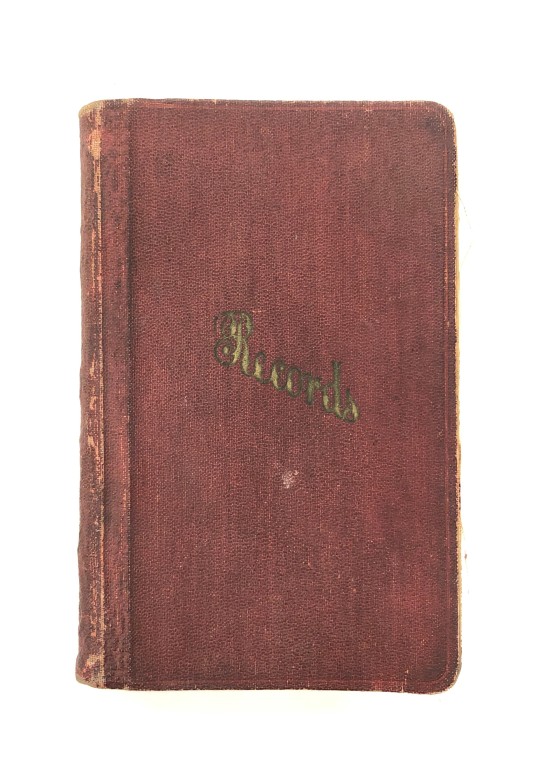
This field notebook from 1945 belonged to Paul Walker. It contains observations and specimen measurements, all of which are organized by date.

Careers in librarianship are often depicted as quiet, solitary positions that allow ample time for reading on the job. Images associated with archival librarianship (a career usually pertaining to the collection, preservation, and management of historically relevant materials) get even more visually specific than the first, for they frequently involve mahogany framed spaces filled to the brim with dusty, leather-bound, centuries-old texts. Though whimsical, these notions about texts and their caretakers cause people to overlook a critical part of archival work: digital management of texts and data.

Our society’s emphasis on the importance of technological advances and virtual storage has not only advanced the librarian’s ability to scan and virtually distribute texts and documents with ease; it has also gone so far as to set the expectation that archival texts will be digitized, or converted into a digital form. This digitization both protects data from being lost to physical damage and, through mechanisms like databases, helps interested people gain greater levels of insight into the exciting and unique collections that exist around the world.

While libraries have always housed a wide range of texts and items from a variety of professional fields, the level of priority placed on digitizing archival collections has ultimately allowed for even more crossover between people of different professional backgrounds. My job in the Section of Amphibians and Reptiles is a prime example of this. Though I have been entrusted with caring for and scanning the section’s 20th-century field notebooks, my area of expertise is not herpetological by any means. I come from a strictly literary background, with my research focusing on 19th-century magazines for children. How, then, do these professional paths intersect?
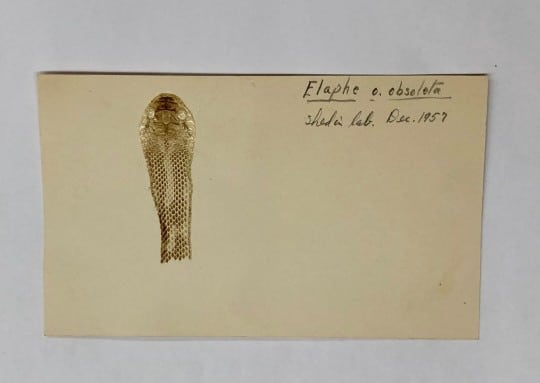
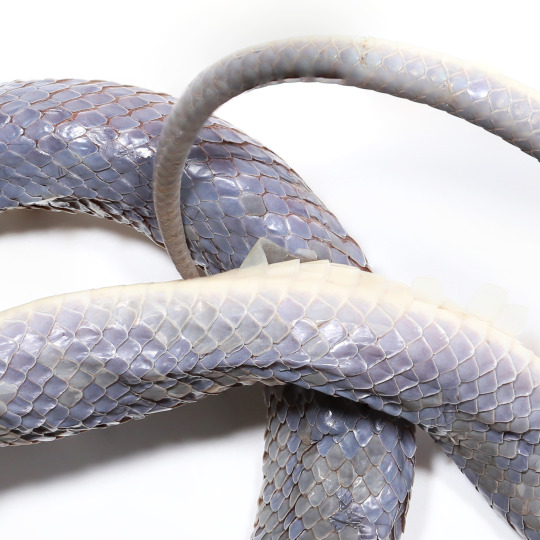
Paper is not the only archival material that needs to be scanned. The museum is home to large flatbed scanners made for digitizing delicate materials like this one, a 1957 skin sample of a Black Rat Snake.

Apart from the fact that I have handled older texts before, my background and the needs of the Section of Amphibians and Reptiles exist in harmony because of a mutual recognition of the value of accessibility. While working with archival databases through transcription-based volunteer projects and past research positions, I learned that accessibility is as much about small details as it is about sharing the museum’s materials with other institutions and, ultimately, the public. For example, if my scans are too dark or are surrounded by too much black space, the readability of the document may be affected and people with limited access to printer ink may not be able to make copies of the material. Digitization may appear to simply prevent a loss of information, but the need for accessibility causes it to take on new meaning. As a future archivist, I prioritize scan quality and the organization of digital files so that museum employees and the public alike can always find and use these important scientific materials with ease. Though we come from different fields, the Section of Amphibians and Reptiles consistently prioritizes its concern with the use of these materials in the long run as well.
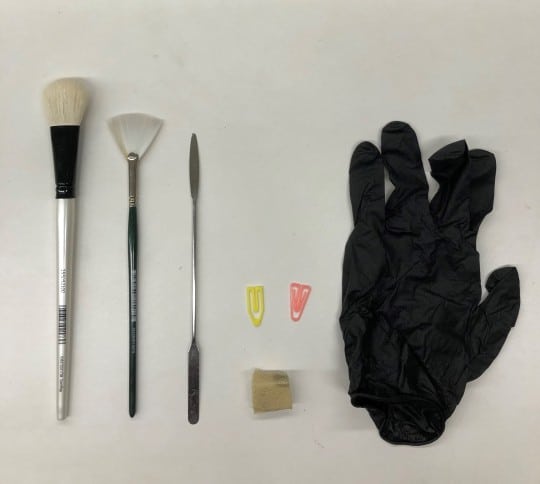
These tools are just some of the necessary pieces of equipment used to handle texts and materials during digitization. Pictured (from left to right): brushes for removing dust and dirt, a metal tool for the delicate removal of metal objects like staples and paperclips, plastic paperclips for keeping pages together without the risk of rust, a sponge for soot removal, and nitrile gloves for safely handling negatives and photos.

I am grateful that I am continuing to learn about the relevance of scientific specializations like herpetology to other fields. Likewise, I am glad that my understanding of librarianship continues to intersect with fields that I may not otherwise encounter. Perhaps, then, popular depictions of librarians and archivists can begin to recognize their preoccupation not only with reading and quieting patrons, but also with collaborating across disciplines to expand people’s access to information.

Ren Jordan is a Curatorial Assistant in the Section of Amphibians and Reptiles. Museum staff, volunteers, and interns are encouraged to blog about their unique experiences and knowledge gained from working at the museum.

Related Content

The Enduring Appeal of Snakes

Ask a Scientist: What is the creepiest specimen in the Alcohol House? 
A Holotype with a History

Filed Under: Blog Tagged With: amphibians and reptiles, herpetology, Museum from Home, Ren Jordan, Science News

September 14, 2020 by wpengine

Overwintering for Amphibians and Reptiles

by Amanda Martin

With Autumn upon us, temperatures are dropping, and it is getting colder out. Especially in the northern regions, amphibians and reptiles need to prepare for brumation (essentially, hibernation for ectotherms). Ectotherms like frogs, salamanders, snakes, and turtles are highly sensitive to changes in their environment and need to stay warm by actively moving in and out of areas with heat. When temperatures increase, ectotherm metabolism increases, and when temperatures go down, so does their metabolism. But how do they survive during winter, won’t they freeze?

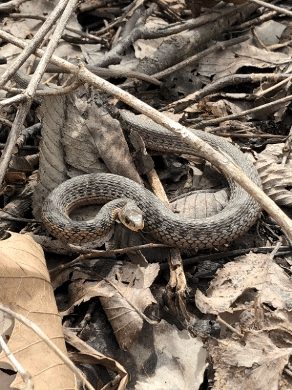
Fig. 1. Eastern garter snake. Photo by A.K. Martin.

Many snakes, like eastern garter snakes (Fig. 1) find shelters called hibernacula and curl up inside, sometimes intermixed with other snake species. These hibernacula are often small mammal burrows, dens, or tunnels below the frost line. During winter, typically between October and March, several hundred individuals will gather in the same den, tightly coiling their bodies together to stay warm enough to survive. They stop eating during this period because it is too cold to properly digest food and will stay hydrated by absorbing moisture through their scaly skin. Even though snakes are awake and sluggishly active, they expend very little energy during this time and do not lose much weight.

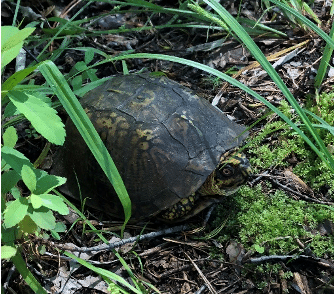
Fig. 2. Eastern box turtle. Photo by A.K. Martin.

Turtles, on the other hand, are a bit different. Aquatic turtles survive winter underwater, and the terrestrial eastern box turtle (Fig. 2) buries itself underground by digging into the soil. One extreme overwintering survivor is the painted turtle, which spends most of its time in ponds and slow-moving freshwater. When these ponds freeze, painted turtles bury themselves up to 45 cm (nearly 18 inches) in mud beneath the pond’s surface. Amazingly, these turtles can survive for months in low or no oxygen environments. During warmer months, they breathe air, but when submerged for overwintering they absorb oxygen through the thin skin of their cloaca, a phenomenon called cloacal respiration.

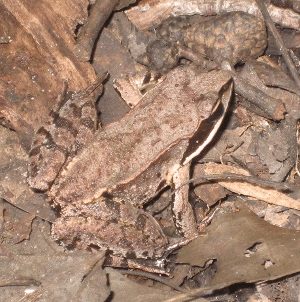
Fig. 3. Wood frog. Photo by A.K. Martin.

Another amazing overwintering feat is the freeze tolerance of wood frogs (Fig. 3) which can become frogsicles! Wood frogs are unable to bury themselves completely, like turtles, so part of their body is often exposed when trying to stay underneath the mud. This is beneficial for obtaining oxygen through their skin. However, they still need to avoid freezing and will move around to warmer areas as needed. Many frogs stay in burrows or under leaf litter to escape the frost, but wood frogs will stay at shallower depths because they have high concentrations of glucose, which produces an “antifreeze” effect. This protects their organs when over two-thirds of their body freezes!

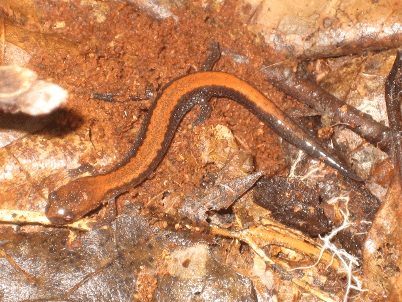
Fig. 4. Red-backed Salamander. Photo by A.K. Martin.

Other amphibians, like salamanders, do not have freeze tolerance like the wood frog. Red-backed salamanders (Fig. 4) are one of the most abundant species in the eastern United States. They are typically found underneath logs and leaf litter at shallow depths, but during winter when temperatures drop below 30°F, they travel as much as 15 inches under the ground in animal burrows. Other species, like spotted salamanders, will also look for deep burrows that are below the frost line.

In early spring when temperatures warm, amphibians and reptiles emerge from overwintering to look for basking sites, sunny spots to warm themselves. With warmer temperatures, the prey of many of these species also become more available. Garter snakes will look for slugs, earthworms, amphibians, minnows, and rodents, for example, and red-backed salamanders will eat a wide variety of invertebrates, such as spiders, worms, snails, and insects. The exact timing of emergence for amphibians and reptiles depends on a given year’s weather, resulting in variable emergence times from year to year that correspond to temperature. Not every individual makes it to the spring, but it is amazing that species that are so dependent on the temperature of their environment are capable of surviving up north!

Written by Amanda Martin, Post-doctoral Researcher in the Section of Amphibians and Reptiles at Carnegie Museum of Natural History. Edited by Jennifer Sheridan, Assistant Curator in the Section of Amphibians and Reptiles at Carnegie Museum of Natural History. Museum employees are encouraged to blog about their unique experiences and knowledge gained from working at the museum.

Related Content

An Illuminating Tale of Tracking Turtles

How to Catch 311 Amphibians in 10 Days

Pitfall Traps: Fieldwork Surprises

Carnegie Museum of Natural History Blog Citation Information

Blog author: Martin, Amanda
Publication date: September 14, 2020

Share this post!

  • Share on Twitter Share on Twitter
  • Share on Facebook Share on Facebook
  • Share on Pinterest Share on Pinterest
  • Share on LinkedIn Share on LinkedIn
  • Share on Reddit Share on Reddit
  • Share via Email Share via Email

Filed Under: Blog Tagged With: Amanda Martin, amphibians and reptiles, herpetology, Jennifer Sheridan, Science News

March 27, 2020 by wpengine

Lantern Slides

As someone who was born in 1998, I grew up in a world full of LED screens. With the click of a button, screens come to life and display anything and everything. The black mirror suddenly stops reflecting your anticipating face and a myriad of icons and a colorful image burn themselves into your retinas. I couldn’t imagine another way of consuming images. I’ve perused old photo albums with glossy, physical photos as a fun trip down memory lane with my parents, but digital images displayed on our computer desktop or our television screen was my first remembered experience of imagery. Holding a camera, clicking a button, and having the image still and lit up on the camera screen. How else could it be?

I’ve worked in the Carnegie Museum of Natural History for 3 years now in the Herpetology department, and it never ceases to amaze me. I’ve been fascinated by the beautiful specimens from all corners of the world, some of which can’t be found in nature anymore. Our Alcohol House is home to many preserved frogs, salamanders, snakes, and turtles that I have worked closely with and appreciated for their features and patterns. Seeing these creatures that I would have to travel across the world to see in real life is a treat every time I go to the museum.

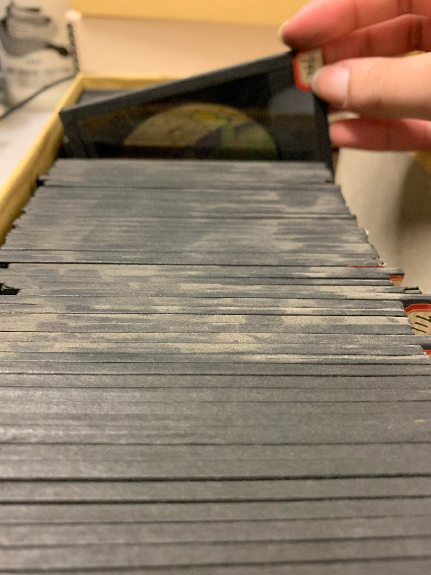
I recently moved from working on our physical preserved specimens to start a project of cataloging lantern slides that were used for presentations in the 1920s. We pulled out the boxes labeled Lantern Slides with numbers from 1- 1000. I opened it up, imagining vintage, unedited photographs with bright colors on glass. And instead it was filled with hundreds of dusty, sooty (Pittsburgh’s classic problem) rectangle slides stacked up in an unassuming row. I gingerly picked one up to see if I could see the image, and I could see a dull outline of a frog, nothing special, and less colorful and detailed than the preserved frogs I had seen from all corners of the world in the Alcohol House or the beautiful National Geographic photos I have seen online. Just a piece of dark glass with an outline of a frog. This…was going to be boring.

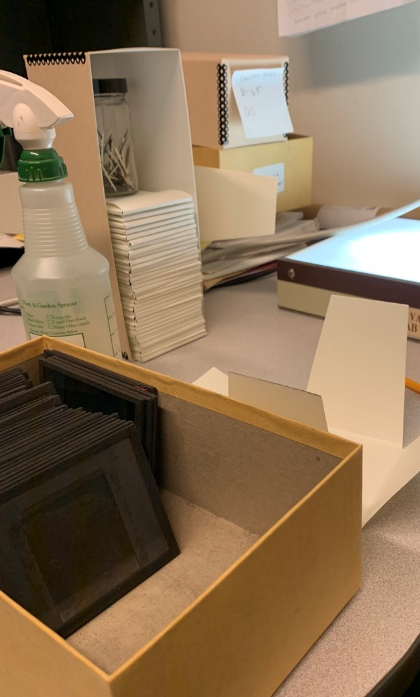
I sat down for my first day of going through the slides and set up my station for cleaning and recording the information on the slides. I saw that a new gadget had been added to my repertoire of conservation tools, a light box. I plugged it in and pressed the button–nothing. Sighing, I did the archaic press-and-hold, and the light slowly flickered on, creating a large rectangle of plain, white light. Buttons were meant to immediately turn something on and show me images, and this silly box not only required a press-and-hold but just showed me light! Dejectedly, I picked up the first lantern slide, number one, and looked at the dark image with the outline of a frog. I wiped off the black soot, and began to record the information, slide 1, photograph, frog… I wrapped it up to make sure that the glass and image wouldn’t get damaged and placed it into a new box. 999 more to go.

I went to pick up the next slide, when my eyes fell on the light box, which was currently acting as a glorified lamp. Should I make this task even more grueling by adding the extra step of placing the boring image on the boring light or should I just work through all of them as fast as possible and go back to handling our amazing specimens? I decided to take the extra step of placing the slide on the light box.

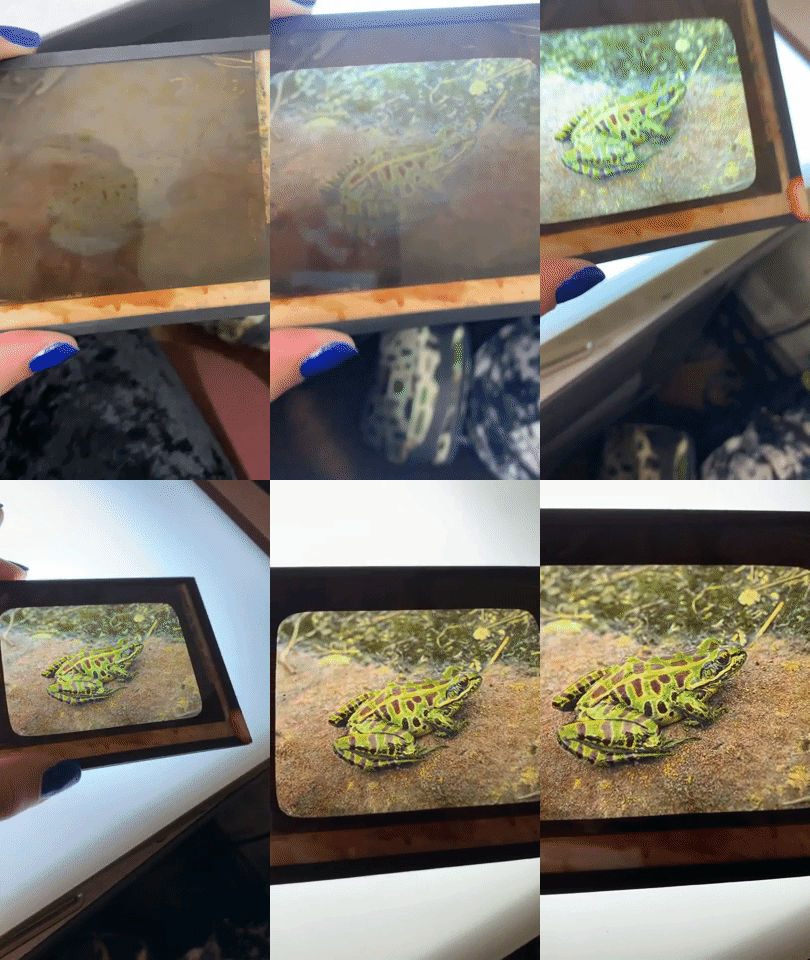
And suddenly, the image came to life.

The vague green with some dark splotches that was dull on the slide became the vibrant color I had imagined, and the details of the frog’s pattern were crisp and clear. The image had an almost 3D, life-like quality that the screen does not have the depth to convey. I was shocked that these dust covered glass rectangles were holding such secrets within them, and that all it took was placing them on a light box to unveil their beauty. Without immediate gratification, I had made up my mind that these images weren’t beautiful, when all I had to do was take a few extra steps to discover images unlike those that I had seen on screens. I proceeded to take the image off and watch it revert back to dull and lifeless, and place it back on to the light box and watch it come to life, and marvel at how these little glass slides went from boring to fascinating in a second.

Lantern slides felt like they were of the past, a time where image projecting and quality must have been worse—right? By working with these old, dusty slides, I was able to see images of reptiles and amphibians the likes of which I hadn’t seen before. I now relish every opportunity I have to go into the museum and look at salamanders, snakes, alligators, and a whole host of other creatures (and researchers) on the light box. The Carnegie Museum of Natural History is rich with resources from the past and working with the Herpetology Department has given me the opportunity to get an inside look into how the museum might have operated far before even my grandparents were born. Getting involved in helping out at the museum is a wonderful way to get involved in outreach, science communication, and is an overall enriching experience!

Swapna Subramanian is an Anthropology and Ecology & Evolution double major at the University of Pittsburgh, and a volunteer in the Section of Herpetology at the Carnegie Museum of Natural History. Museum employees are encouraged to blog about their unique experiences and knowledge gained from working at the museum.

Filed Under: Blog Tagged With: amphibians and reptiles, herpetology, Science News

April 5, 2019 by wpengine

What Makes Reptiles So Unique?

What makes reptiles so unique? Curator of Amphibians and Reptiles, Jennifer Sheridan, shares some of her favorite facts about the unique adaptations of reptiles including flying lizards and flying snakes. She also addresses how human activities impact reptiles like turtles, and how they adapt to changes in climate.

Ask a Scientist is a video series where we ask our research staff questions about the millions of amazing objects and specimens stored in our museum collection. Tune in on YouTube, and submit your own questions at https://carnegiemnh.org/visitor/ask-a-scientist-videos/

Filed Under: Blog Tagged With: amphibians and reptiles, Anthropocene, herpetology, Jennifer Sheridan, Lizards, reptiles, snakes

March 20, 2019 by wpengine

Frosty Frogs and Tunneling Toads

by Melissa Cagan and Hannah Smith

In the fall, many animals begin to prepare for winter. Squirrels collect food, groundhogs eat extra food to store as fat, birds migrate to warmer regions…but what do frogs do?  Although frogs and toads don’t seem to make any special preparations for the approaching cold, they survive extraordinarily cold temperatures every winter.  How do they manage this?

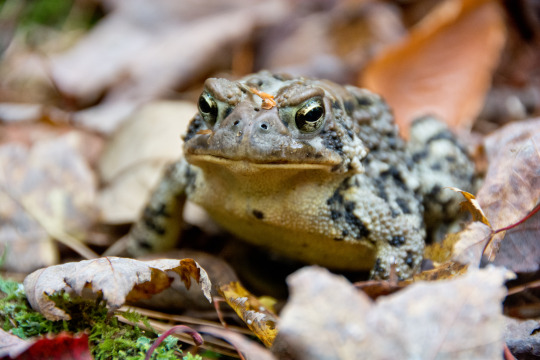
An American toad hops through fallen leaves.

A Long Winter “Nap”

Like other amphibians, frogs and toads are cold-blooded.  This means their body temperatures change to match the temperatures of their environment.  When winter comes around, frogs and toads go into a state of hibernation.  They find a place to “sleep” through winter and slow their metabolism, heart rate, and breathing rate to conserve energy.  Frogs and toads rely on two different hibernation strategies depending on whether they spend more time on land or underwater.

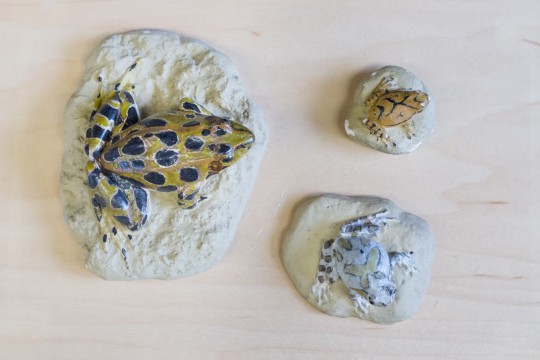
Above are models of three different sized frogs. The largest model is a leopard frog, the medium model is a grey tree frog, and the smallest model is a spring peeper.

Beneath the Icy Ground

Aquatic species, such as the green frog and the bullfrog, rest on pond or river bottoms.  So long as the water doesn’t completely freeze, frogs or underwater toads will be able to survive the winter…by breathing through their skin! If these animals buried themselves in mud, they would not be able to absorb enough oxygen.  Species that spend more time on land however, such as the American toad or the spring peeper, find drier places to sleep the winter away. Since the ground surface can freeze when temperatures drop dramatically, land frogs and toads need to find places that protect them from snow or frost.  This may require a frog or toad to dig deeply enough into the ground that they reach below the frost line – around 50 cm. or more than 20 in. deep!

Frogging Awesome!

Frogs and toads are much tougher animals than you might imagine.  Next time you see a frog or a toad, give them a tip of your hat – they are exceptionally hardy (resilient) creatures!

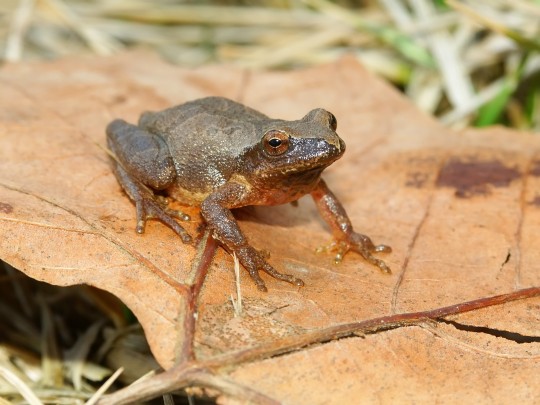
frog on a fallen leaf

Frozen Frogs

A few, unique species of frogs have found a different way of dealing with cold temperatures.  These frogs, like the wood frog and some tree frogs, actually freeze part of their body! These special creatures are able to freeze around 40% of their body’s water content.  In this state, the frogs don’t breathe, have no heartbeat, and stop all blood flow.  Once spring comes, the frog thaws its body and comes back to life!

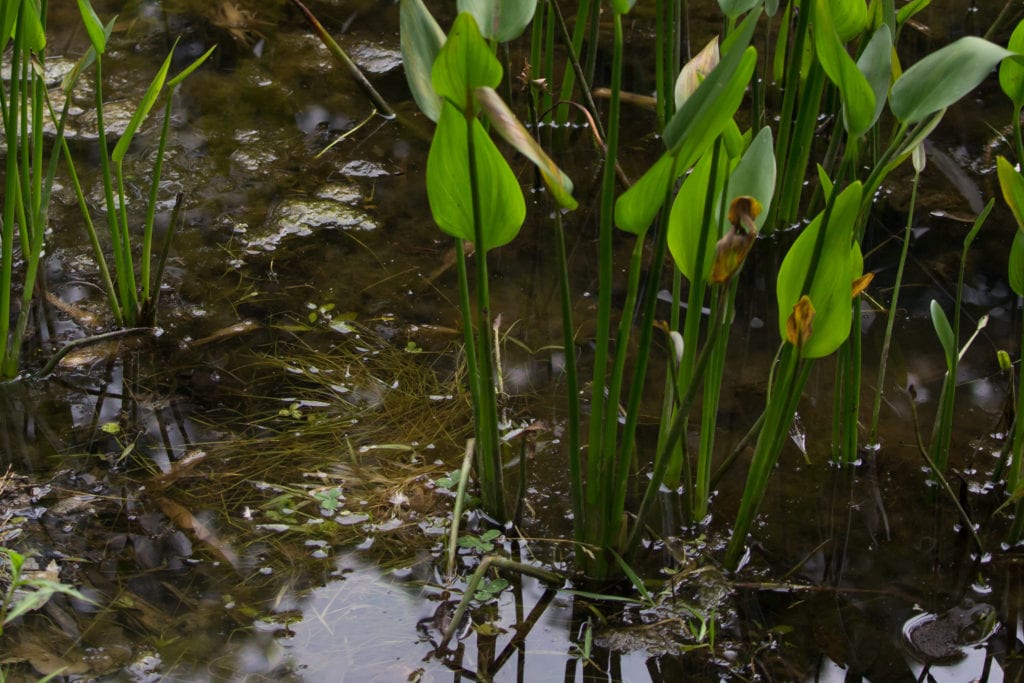
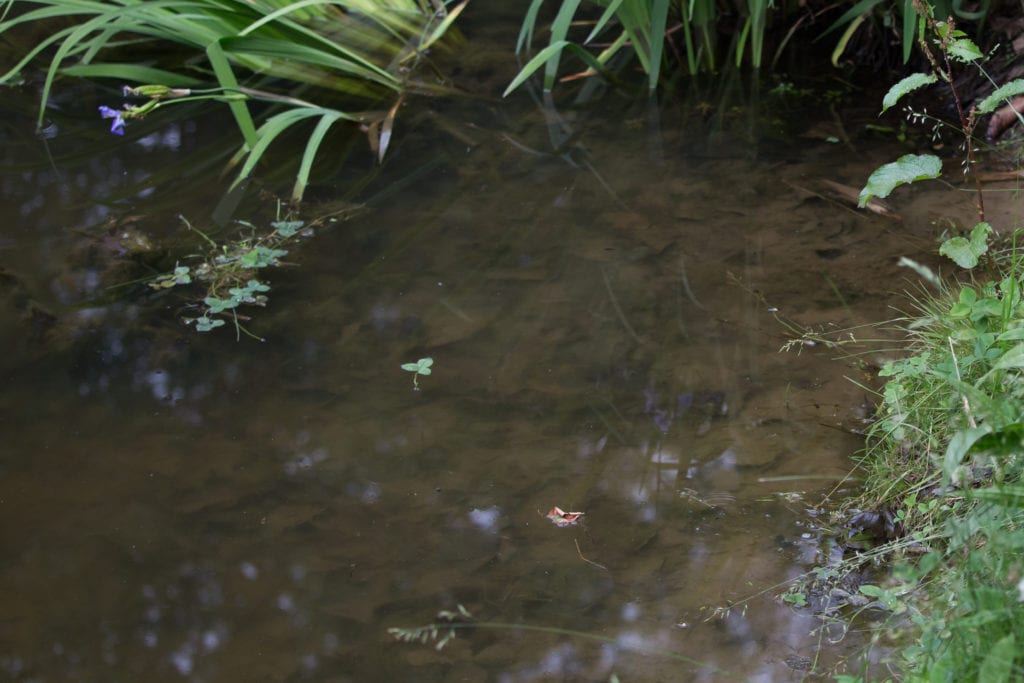
Can You Find the Frogs?

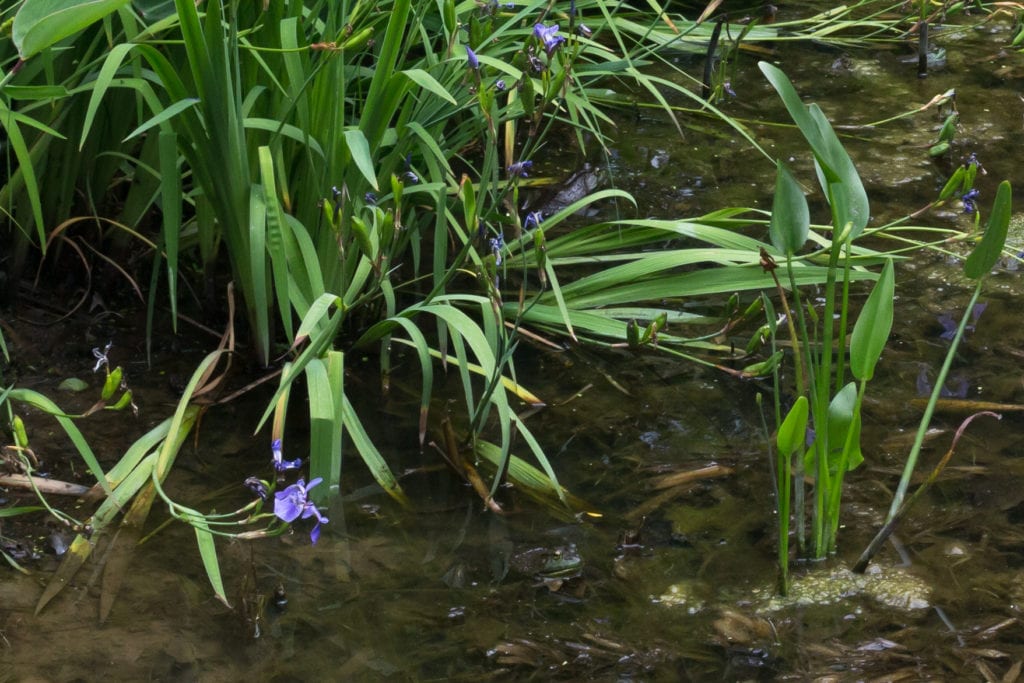
Frogs are great at hiding amongst their environment. They often hide in reeds, plants, and on the banks of ponds or other bodies of water.  There are frogs hiding in each of these photos…how many can you find?

marshy area with frogs
wetlands with frog hiding
wetland marsh with frogs

Related Content

Ask a Scientist: What is a pitfall trap?

Spiders as Interior Designers

Trick or Tweet! Clever Creature Disguises

Carnegie Museum of Natural History Blog Citation Information

Blog author: Cagan, Melissa; Smith, Hannah
Publication date: March 20, 2019

Share this post!

  • Share on Twitter Share on Twitter
  • Share on Facebook Share on Facebook
  • Share on Pinterest Share on Pinterest
  • Share on LinkedIn Share on LinkedIn
  • Share on Reddit Share on Reddit
  • Share via Email Share via Email

Filed Under: Blog Tagged With: amphibians and reptiles, frogs, Nature 360, Winter

March 13, 2019 by wpengine

Photos of Fluid-Preserved Specimens: A Different Kind of Portrait

detail of snake specimen preserved in alcohol

I met Kaylin Martin, a curatorial assistant for the Carnegie Museum of Natural History (CMNH), at an internship fair when I was a transplant to Pittsburgh in September 2018. I was immediately drawn to her booth because it was made up of the most alluringly macabre set of oddities. The table was comprised of floating, translucent creatures in glass jars that I would come to know had been preserved in alcohol. In addition to the slick, scaly bodies of reptiles, there were vibrantly colored feathers of birds and their delicate skeletons splayed out on the white linen cloth of the booth. I thought then what I know to be true in an even greater sense now: that each was like a tiny work of art which had once been alive.

My background is in photography, which I studied at NYU before transferring to Pitt to major in the broader subject of digital media. I got the sense that CMNH was looking for interns with more of a scientific bent to their interests and education, but I was persistent about working in the alcohol house because I felt that there is an element of romanticism in going to great lengths to preserve such small lives. This appealed to me as my main interest has always been in portraiture. I felt like this could be a new kind of portraiture and the next step for me in my creative endeavors.

That fall I learned that the sum total of specimens of a particular type at a natural history museum is called a collection, in the same way that the Carnegie Museum of Art has its impressionist or modernist collections, for example. The Section of Amphibians and Reptiles at CMNH has the 10th largest such collection in North America, making it no small task for Stephen Rogers, the collections manager, to keep up with the care and preservation of each specimen.

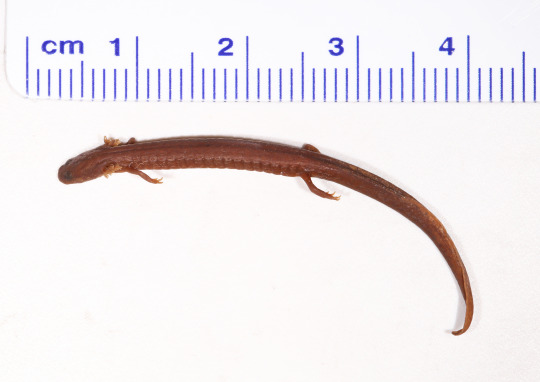
salamander next to ruler showing salamander is just over 4 centimeters long

Since starting as a photographic intern last year, I have photographed over 300 specimens (a fraction of the more than 230,000 specimens) from this collection as part of an ongoing project to digitize and upload images of paratypes to iDigBio.org. Mainly I work with tiny salamanders, some no larger than my fingernails, as many of the snakes were photographed the summer before I arrived. Sometimes Kaylin comes to me with special requests she’s received from researchers, which can be for photos of anything in the alcohol house, from frogs, to skinks, to snakes. In fact, some photos I shot of one such request were of a holotype (the individual from which a species is described) and will be published in Annals of Carnegie Museum this year.

After hours spent inspecting these creatures up close, I’ve come to recognize undeniably human qualities in them. In particular, the salamanders’ feet at the lower half of their bodies, which remind me of human hands. At times I remember that they are our distant ancestors and feel slightly ashamed that I barely thought of them or the well-being of the ones still living before my time at CMNH. It’s what I like best about being able to spend my time at the museum: that you never know what you might learn but also what you might remember. Facts you may have read or retained from school take on new meaning when you’re able to see evidence of them up close.

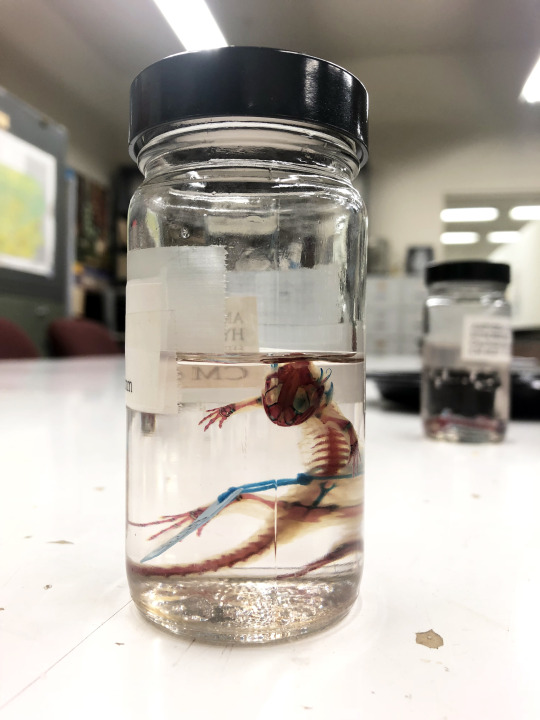
cleared and stained specimen preserved in alcohol in a jar

Just the other day in the CMNH offices, I saw a specimen that had been “cleared and stained.” After inquiring about it, I learned that this is a very old technique in anatomy, a process by which the specimen is chemically treated to render it transparent and stain its nervous system different colors. While the resulting specimen is useful for scientific research, it is also strikingly beautiful. I thought while looking at this strangely beautiful and arresting object that it wholly encapsulated my realization that scientists are more like artists than most people expect. For instance, both are inclined to ask the larger and more difficult questions of our existence such as: what is life? what happens after it? where did we come from? and what will we leave behind?

The researchers at CMNH are largely responsible for investigating and attempting to answer such questions. Jennifer Sheridan, assistant curator of Amphibians and Reptiles at CMNH, is specifically concerned with how climate change and human actions are affecting these indispensable species. If you are an inquisitive person who appreciates natural beauty and finds yourself motivated to preserve it then I encourage you to volunteer your time and talents to learn and work alongside the herpetology team at the Carnegie Museum of Natural History.

Rosemary Bencher is a work-study student in Amphibians and Reptiles. Museum employees are encouraged to blog about their unique experiences and knowledge gained from working at the museum.

Filed Under: Blog Tagged With: amphibians and reptiles, herpetology, photography, Rosemary Bencher

  • « Go to Previous Page
  • Page 1
  • Page 2
  • Page 3
  • Page 4
  • Page 5
  • Page 6
  • Go to Next Page »

sidebar

About

  • Mission & Commitments
  • Directors Team
  • Museum History

Get Involved

  • Volunteer
  • Membership
  • Carnegie Discoverers
  • Donate
  • Employment
  • Events

Bring a Group

  • Groups of 10 or More
  • Birthday Parties at the Museum
  • Field Trips

Powdermill

  • Powdermill Nature Reserve
  • Powdermill Field Trips
  • Powdermill Staff
  • Research at Powdermill

More Information

  • Image Permission Requests
  • Science Stories
  • Accessibility
  • Shopping Cart
  • Contact
  • Visitor Policies
One of the Four Carnegie Museums | © Carnegie Institute | Privacy Policy | Terms of Use | Accessibility
Rad works here logo