• Skip to primary navigation
  • Skip to main content
  • Skip to primary sidebar

Carnegie Museum of Natural History

One of the Four Carnegie Museums of Pittsburgh

  • Visit
    • Buy Tickets
    • Visitor Information
    • Exhibitions
    • Events
    • Dining at the Museum
    • Celebrate at the Museum
    • Powdermill Nature Reserve
    • Event Venue Rental
  • Learn
    • Field Trips
    • Educator Information
    • Programs at the Museum
    • Bring the Museum to You
    • Guided Programs FAQ
    • Programs Online
    • Climate and Rural Systems Partnership
  • Research
    • Scientific Sections
    • Science Stories
    • Science Videos
    • Senior Science & Research Staff
    • Museum Library
    • Science Seminars
    • Scientific Publications
    • Specimen and Artifact Identification
  • About
    • Mission & Commitments
    • Directors Team
    • Museum History
  • Tickets
  • Give
  • Shop

Blogs about the Anthropocene

Scientists use fossils and other traces to understand how the planet changed over time. In the past these changes were caused by forces like volcanic eruptions and shifts in oceans currents. Now there’s a new force of nature shaping the planet: humans. The effects on air, land, and water are significant enough that scientists propose we are a new geological time – the Anthropocene – or age of Humans.

These blogs are about the many facets of human impact on the Earth, documenting this new age.

November 3, 2017 by wpengine

Sasquatch Squash

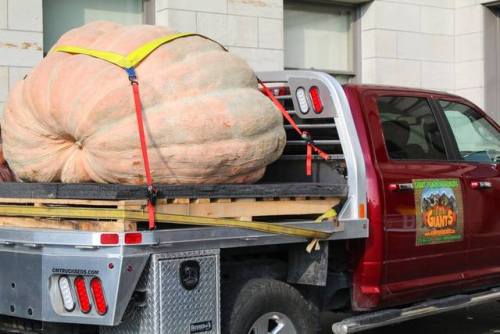
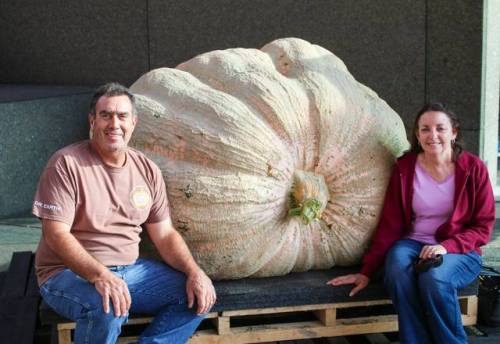
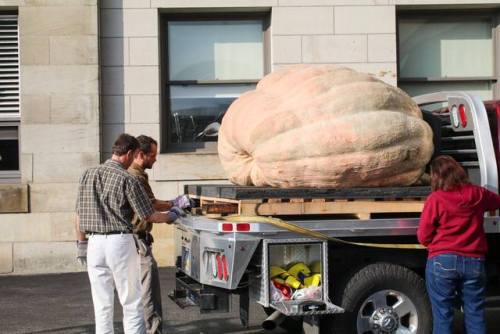
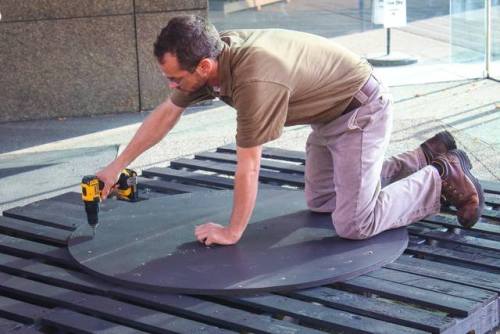
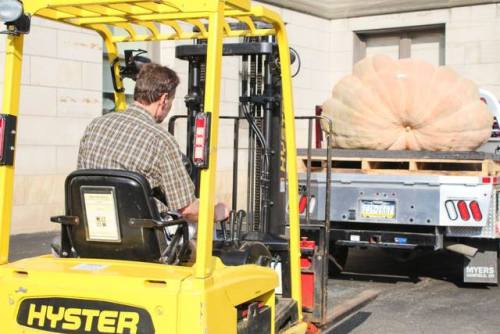
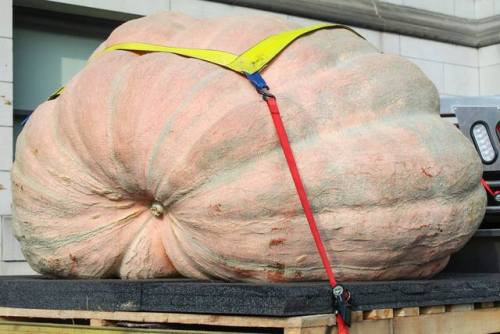
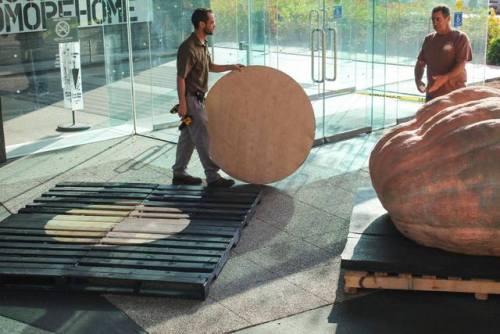
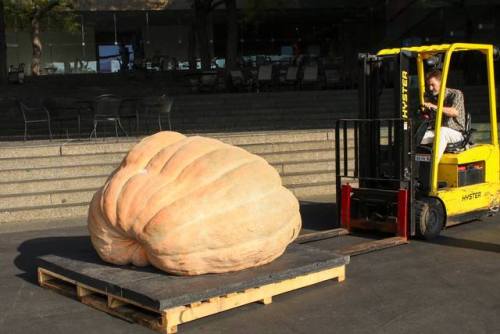
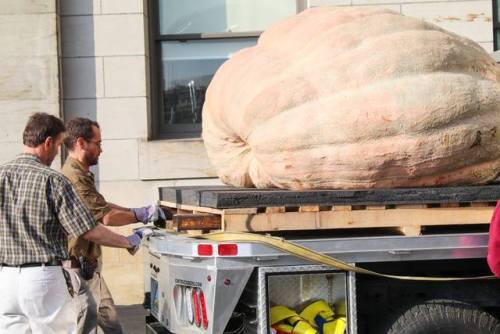
On Sunday, October 15, gallery technicians installed a giant squash in the museum’s Sculpture Courtyard. Dave and Carol Stelts grew the pumpkin that is nearly 2,000 pounds. This installation is in conjunction with the new exhibit We Are Nature: Living in the Anthropocene which opened on October 28.
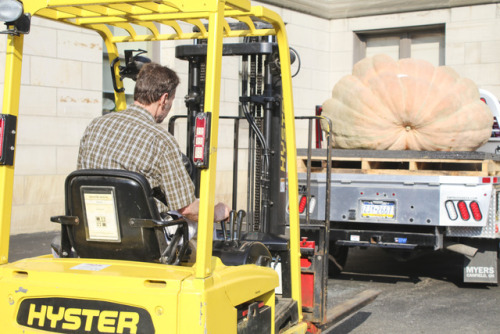
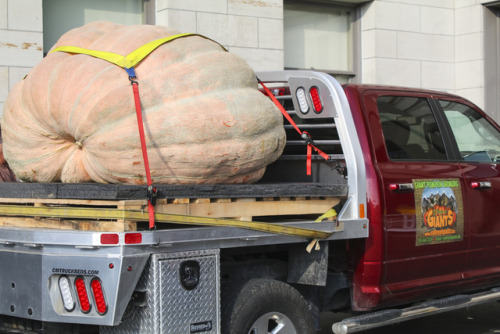
On Sunday, October 15, gallery technicians installed a giant squash in the museum’s Sculpture Courtyard. Dave and Carol Stelts grew the pumpkin that is nearly 2,000 pounds. This installation is in conjunction with the new exhibit We Are Nature: Living in the Anthropocene which opened on October 28.
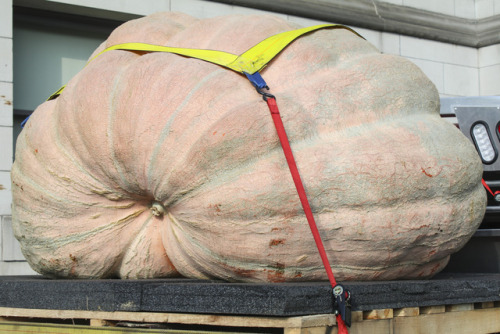
On Sunday, October 15, gallery technicians installed a giant squash in the museum’s Sculpture Courtyard. Dave and Carol Stelts grew the pumpkin that is nearly 2,000 pounds. This installation is in conjunction with the new exhibit We Are Nature: Living in the Anthropocene which opened on October 28.
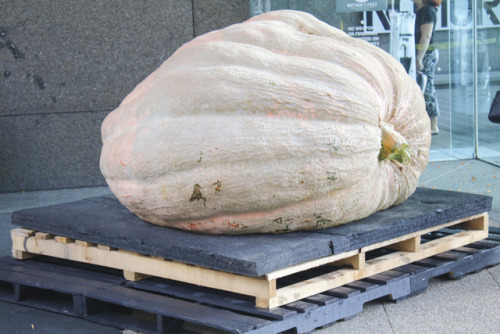
On Sunday, October 15, gallery technicians installed a giant squash in the museum’s Sculpture Courtyard. Dave and Carol Stelts grew the pumpkin that is nearly 2,000 pounds. This installation is in conjunction with the new exhibit We Are Nature: Living in the Anthropocene which opened on October 28.
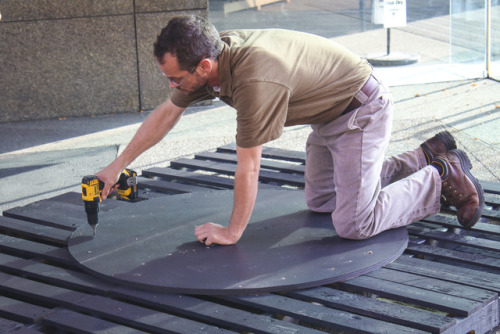
On Sunday, October 15, gallery technicians installed a giant squash in the museum’s Sculpture Courtyard. Dave and Carol Stelts grew the pumpkin that is nearly 2,000 pounds. This installation is in conjunction with the new exhibit We Are Nature: Living in the Anthropocene which opened on October 28.
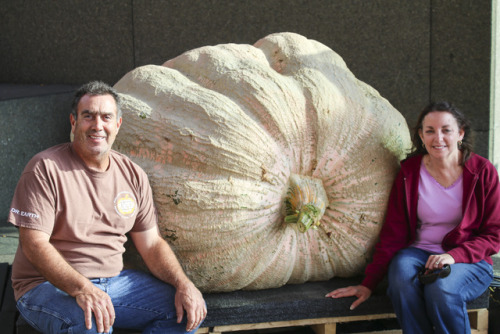
On Sunday, October 15, gallery technicians installed a giant squash in the museum’s Sculpture Courtyard. Dave and Carol Stelts grew the pumpkin that is nearly 2,000 pounds. This installation is in conjunction with the new exhibit We Are Nature: Living in the Anthropocene which opened on October 28.
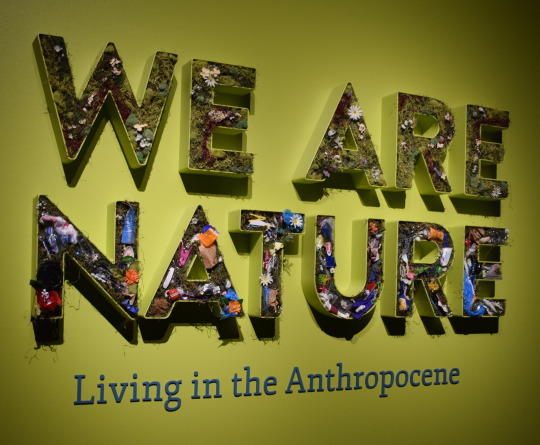
On Sunday, October 15, gallery technicians installed a giant squash in the museum’s Sculpture Courtyard. Dave and Carol Stelts grew the pumpkin that is nearly 2,000 pounds. This installation is in conjunction with the new exhibit We Are Nature: Living in the Anthropocene which opened on October 28.
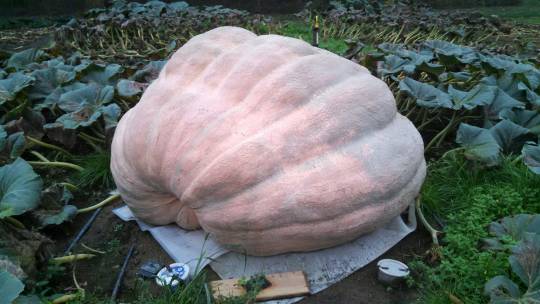
On Sunday, October 15, gallery technicians installed a giant squash in the museum’s Sculpture Courtyard. Dave and Carol Stelts grew the pumpkin that is nearly 2,000 pounds. This installation is in conjunction with the new exhibit We Are Nature: Living in the Anthropocene which opened on October 28.

On Sunday, October 15, gallery technicians installed a giant squash in the museum’s Sculpture Courtyard. Dave and Carol Stelts grew the pumpkin that is nearly 2,000 pounds. This installation is in conjunction with the new exhibit We Are Nature: Living in the Anthropocene which opened on October 28.

Filed Under: Blog Tagged With: Anthropocene, We Are Nature: Living in the Anthropocene

October 20, 2017 by wpengine

Sasquatch Squash

On Sunday, October 15 staff installed a giant squash in the...-media-1

On Sunday, October 15 staff installed a giant squash in the museum’s Sculpture Courtyard. Dave and Carol Stelts grew the pumpkin that is nearly 2,000 pounds. This installation is in conjunction with our new exhibit We Are Nature: Living in the Anthropocene Opening on October 28. 

On Sunday, October 15 staff installed a giant squash in the museum’s Sculpture Courtyard. Dave and Carol Stelts grew the pumpkin that is nearly 2,000 pounds. This installation is in conjunction with our new exhibit We Are Nature: Living in the Anthropocene Opening on October 28. 

On Sunday, October 15 staff installed a giant squash in the museum’s Sculpture Courtyard. Dave and Carol Stelts grew the pumpkin that is nearly 2,000 pounds. This installation is in conjunction with our new exhibit We Are Nature: Living in the Anthropocene Opening on October 28. 

On Sunday, October 15 staff installed a giant squash in the museum’s Sculpture Courtyard. Dave and Carol Stelts grew the pumpkin that is nearly 2,000 pounds. This installation is in conjunction with our new exhibit We Are Nature: Living in the Anthropocene Opening on October 28. 

On Sunday, October 15 staff installed a giant squash in the On Sunday, October 15 staff installed a giant squash in the museum’s Sculpture Courtyard. Dave and Carol Stelts grew the pumpkin that is nearly 2,000 pounds. This installation is in conjunction with our new exhibit We Are Nature: Living in the Anthropocene Opening on October 28. museum’s Sculpture Courtyard. Dave and Carol Stelts grew the pumpkin that is nearly 2,000 pounds. This installation is in conjunction with our new exhibit We Are Nature: Living in the Anthropocene Opening on October 28.

Filed Under: Blog Tagged With: Anthropocene, We Are Nature

October 16, 2017 by wpengine

Welcome to the Anthropocene!

3D letters spelling we are nature in a combination of plants and trash

Welcome to the Anthropocene! You’ve been here all along, but maybe you didn’t know it.

The Anthropocene is the current geological era in which humans are making a profound impact on the geological strata. Geologists are still debating the term, but here at the museum, we are embracing it as a social and cultural tool for exploring the broad sum effect humans are having on the environment.

To put it simply, people are changing the planet. We’ll be exploring the good, the bad, and the ugly truths of the Anthropocene for the next six months with the new exhibition We Are Nature: Living in the Anthropocene, which opens October 28 at the museum.

We hope you’ll join us to examine evidence of the Anthropocene, interact with new digital exhibits, and add your voice to an important and timely conversation that impacts us all.

Filed Under: Blog Tagged With: Anthropocene, We Are Nature

October 13, 2017 by wpengine

Sasquatch Squash

Before the opening of the exhibition, which will feature specimens from the hidden collection, interactives, and more, the museum will have a giant orange delivery to kick off the conversation!  Local growers Dave and Carol Stelts grew a pumpkin that’s nearly 2,000 pounds that will be on display in the museum’s Sculpture Courtyard.

Have you ever seen a pumpkin as big as a small car growing in a nearby field?

Probably not, as pumpkins are naturally pretty modest-sized squashes. However, with a little manipulation and some closed cross pollination, people have figured out how to make pumpkins grow to colossal sizes, making them a great example of how humans can impact and alter nature.

The museum is exploring how people are changing our planet in the new exhibition We Are Nature: Living in the Anthropocene, which opens October 28.

The Anthropocene is the concept that human activity has had such a profound and pervasive impact on the planet that effects will be present in the fossil record millions of years from now.

Before the opening of the exhibition, which will feature specimens from the hidden collection, interactives, and more, the museum will have a giant orange delivery to kick off the conversation!

Local growers Dave and Carol Stelts grew a pumpkin that’s nearly 2,000 pounds that will be on display in the museum’s Sculpture Courtyard.

It takes more than a wave of a wand and the magic words “bippity boppity boo” to get pumpkins to grow this large.

Dave said this particular pumpkin was planted in June and grew 45-50 pounds a day for three consecutive weeks to reach its colossal size! He said it came from a “super seed” created by cross breeding large pumpkins.

The pumpkin will arrive by truck October 15 and will be on display for several months until it begins to rot. Come check it out!


Humanity and the environment are connected in new and complicated ways in the Anthropocene­—the proposed geological era in which we now live. Learn more in Carnegie Museum of Natural History’s new exhibition We Are Nature­: Living in the Anthropocene, opening October 28.

Filed Under: Blog Tagged With: Anthropocene, We Are Nature

  • « Go to Previous Page
  • Page 1
  • Interim pages omitted …
  • Page 14
  • Page 15
  • Page 16

sidebar

About

  • Mission & Commitments
  • Directors Team
  • Museum History

Get Involved

  • Volunteer
  • Membership
  • Carnegie Discoverers
  • Donate
  • Employment
  • Events

Bring a Group

  • Groups of 10 or More
  • Birthday Parties at the Museum
  • Field Trips

Powdermill

  • Powdermill Nature Reserve
  • Powdermill Field Trips
  • Powdermill Staff
  • Research at Powdermill

More Information

  • Image Permission Requests
  • Science Stories
  • Accessibility
  • Shopping Cart
  • Contact
  • Visitor Policies
One of the Four Carnegie Museums | © Carnegie Institute | Privacy Policy | Terms of Use | Accessibility
Rad works here logo