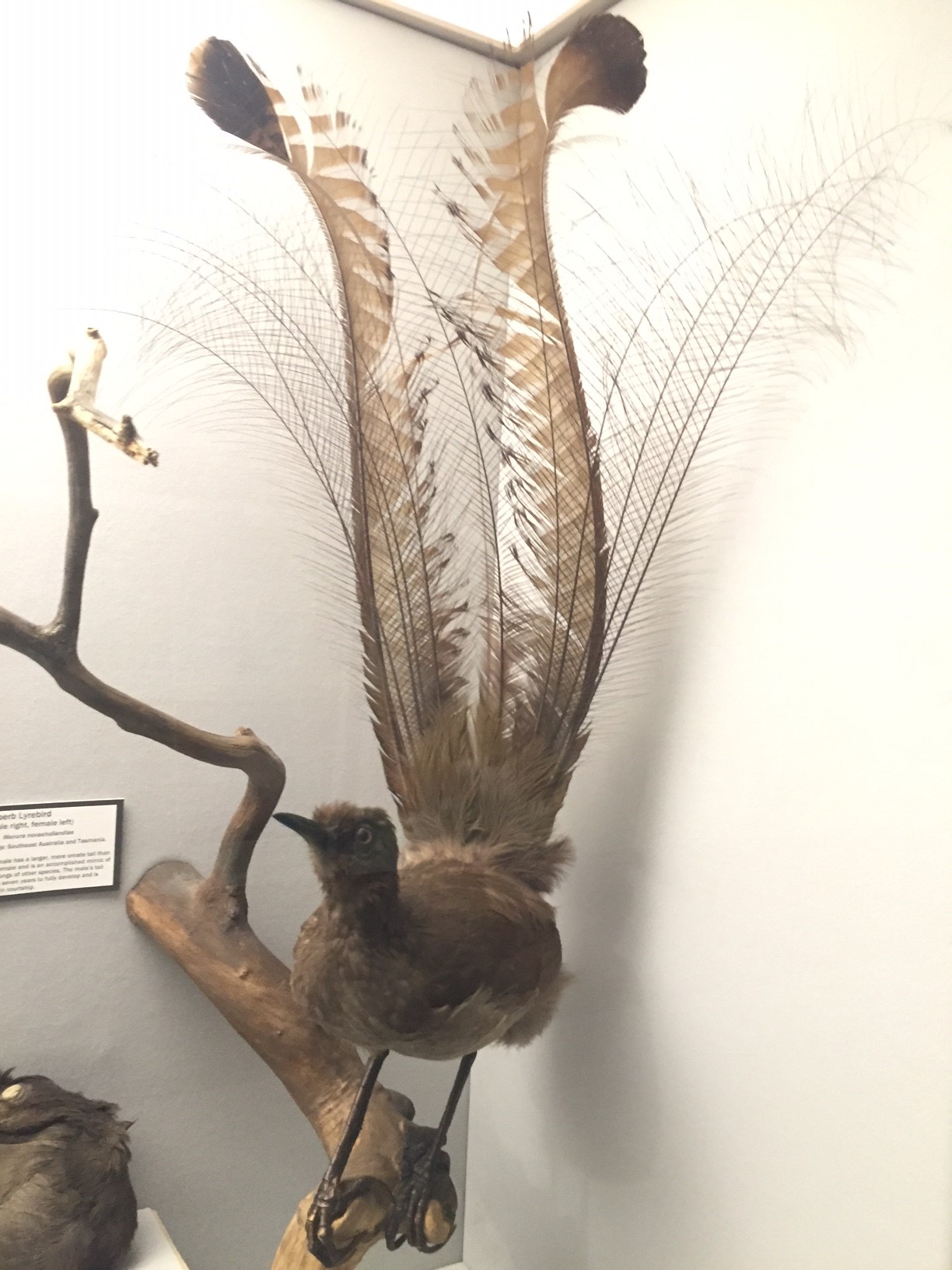
 If you thought you were having a great hair day, check out the in Carnegie Museum of Natural History’s Bird Hall.
Males Superb Lyrebird attract females with their ornate tails, which can take up to seven years to fully develop.
Carnegie Museum of Natural History
One of the Four Carnegie Museums of Pittsburgh
If you thought you were having a great hair day, check out the in Carnegie Museum of Natural History’s Bird Hall.
Males Superb Lyrebird attract females with their ornate tails, which can take up to seven years to fully develop.
By Patrick McShea
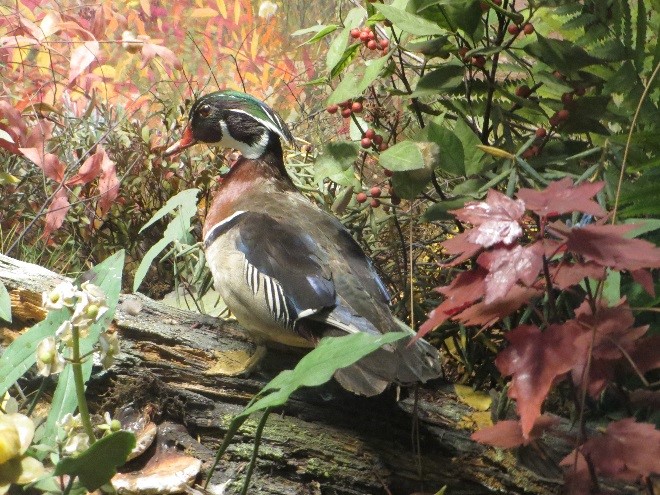
Within the Hall of Botany, a male wood duck’s beautiful plumage shares splendor with the fall foliage of a quaking bog in northwestern Pennsylvania.
At this time of year, as wood ducks begin to appear in wooded creek mouths along Pittsburgh’s rivers, bare branch canopies of sycamore and cottonwood trees offer little color competition.
The places where neighborhood streams surrender their flow to southwestern Pennsylvania’s big water are among the least accessible stretches of riverfront, so this early spring spectacle passes unnoticed by all but the most ardent river watchers.
Binoculars and a stealthy approach are both necessary to get a good look at these beautiful but wary birds. Because the banks of the Allegheny, Monongahela, and Ohio consistently document the variety of floatable
debris generated by our throwaway culture, river edge views of wood ducks are often aesthetically marred by the inclusion of tires, mud-stained blocks of Styrofoam, empty beer cans, and all kinds of plastic containers.
Patrick McShea works in the Education and Visitor Experience department of Carnegie Museum of Natural History. Museum employees are encouraged to blog about their unique experiences and knowledge gained from working at the museum.
