• Skip to primary navigation
  • Skip to main content
  • Skip to primary sidebar

Carnegie Museum of Natural History

One of the Four Carnegie Museums of Pittsburgh

  • Visit
    • Buy Tickets
    • Visitor Information
    • Exhibitions
    • Events
    • Dining at the Museum
    • Celebrate at the Museum
    • Powdermill Nature Reserve
    • Event Venue Rental
  • Learn
    • Field Trips
    • Educator Information
    • Programs at the Museum
    • Bring the Museum to You
    • Guided Programs FAQ
    • Programs Online
    • Climate and Rural Systems Partnership
  • Research
    • Scientific Sections
    • Science Stories
    • Science Videos
    • Senior Science & Research Staff
    • Museum Library
    • Science Seminars
    • Scientific Publications
    • Specimen and Artifact Identification
  • About
    • Mission & Commitments
    • Directors Team
    • Museum History
  • Tickets
  • Give
  • Shop

cactus

August 3, 2018 by Erin Southerland

Tiny Terrarium

tiny terrarium

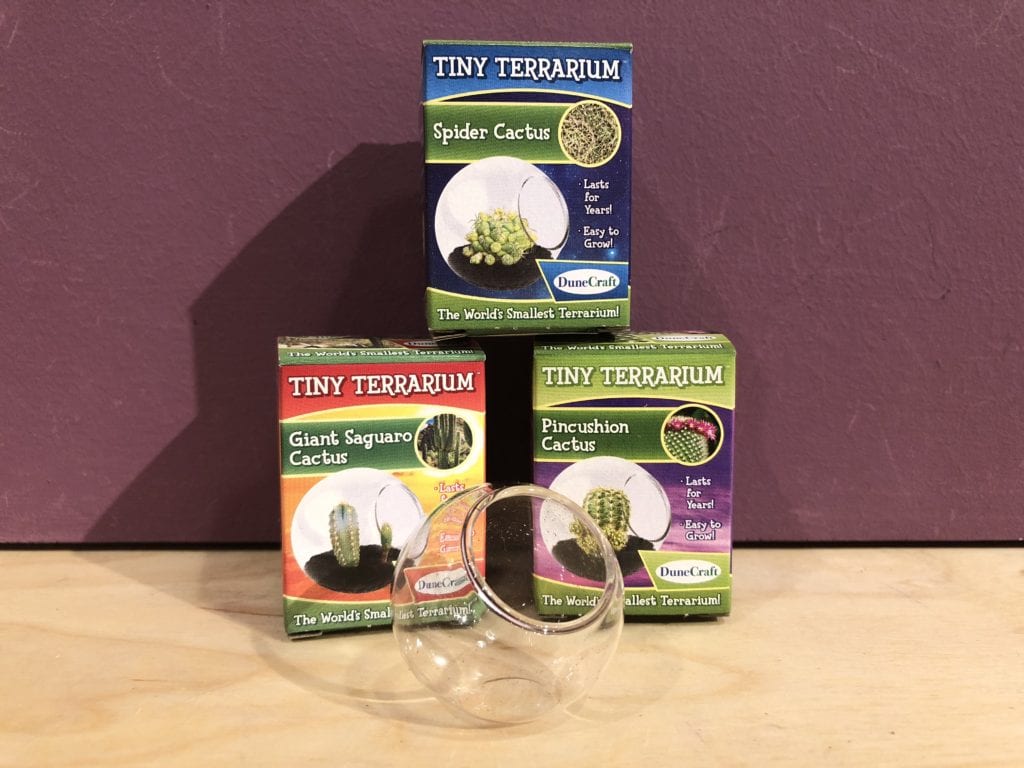
Grow a tiny cactus in the “world’s smallest terrarium.” Cacti thrive with just a little water and lots of sunlight. They live for years with minimal care, the ideal plant for someone with a “black thumb.”

The Tiny Terrarium is great for small spaces. While the Giant Saguaro Cactus can grow up to 40 feet tall, this one will only grow to this miniature terrarium.

$5.50 each, available in the Museum Store.
Filed Under: Visitor Info Tagged With: cactus, gift shop, plants

July 17, 2018 by wpengine

Cactuses, and the Spine of Appalachia

By John Wenzel

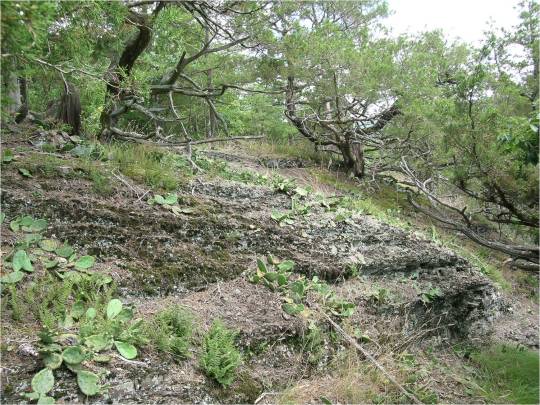
No one thinks of deserts in Pennsylvania, but we have one habitat that includes many plants typical of the western deserts. The “shale barrens” have formed over millions of years as the eroding crests of the Appalachian ridges open up areas where rock slides or exposed shale deposits create an area of very little soil that gets hot in the sun and that holds no water.

shale barren

Plants such as the red cedar, barrens stonecrop, hen-and-chicks, or even prickly pear cactus thrive in these microdeserts, mostly on south-facing hillsides. These resemble more closely communities in west Texas than the eastern deciduous forest around them. Yet, unlike the West, there may be ferns alongside the cactuses, taking advantage of the rain.

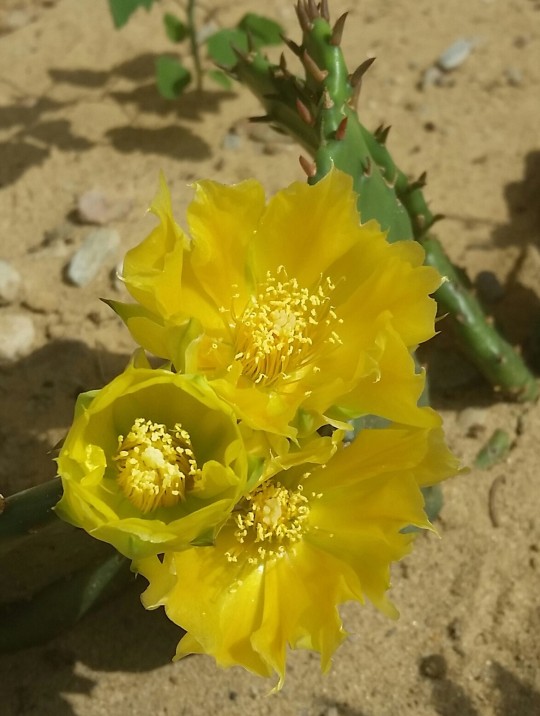
prickly pear cactus

How do cactuses survive our winter?  Because they can tolerate being dried out, they dump their water when it gets cold and collapse like deflated balloons. With little water in them, they do not develop ice crystals internally, and so do not freeze! At Powdermill Nature Reserve, we maintain a small dry garden to show these unusual species to visitors.

John Wenzel is the Director at Powdermill Nature Reserve, Carnegie Museum of Natural History’s environmental research center. Museum employees are encouraged to blog about their unique experiences and knowledge gained from working at the museum.

Filed Under: Blog Tagged With: cactus, John Wenzel, pennsylvania, Powdermill Nature Reserve

May 10, 2018 by wpengine

Plant Blindness

By Patrick McShea

Cactus

Plant Blindness refers to the inability to see or notice the plants in one’s own environment. The term was coined twenty years ago by two botanists, Elizabeth Schussler, of the Ruth Patrick Science Educator Center in Aiken, South Carolina, and James Wandersee, of Louisiana State University in Baton Rouge. The common condition, according to the pair, results in a chronic inability to recognize the importance of plants in the biosphere and in human affairs.

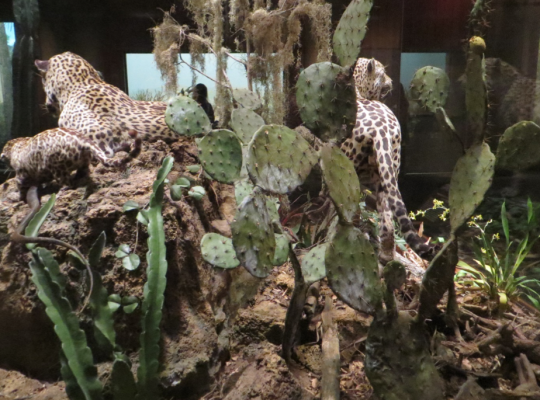
Fortunately, not all of us are afflicted. As evidence, CMNH Conservator Gretchen Anderson recounts a touching interaction she observed while conducting exhibit restoration work within the museum’s second floor Hall of North American Wildlife. From a just-opened elevator door a five-year old made a headlong dash to the diorama featuring a pair of mature jaguars and their three cubs. “LOOK Dad!” he called back to his father while pointing into the display, “CACTUS!”

For additional information about Plant Blindness, visit: https://plantsocieties.cnps.org/index.php/about-main/plant-blindness

Patrick McShea works in the Education and Visitor Experience department of Carnegie Museum of Natural History. Museum employees are encouraged to blog about their unique experiences and knowledge gained from working at the museum.

Filed Under: Blog Tagged With: Botany, cactus, Hall of North American Wildlife, Patrick McShea

sidebar

About

  • Mission & Commitments
  • Directors Team
  • Museum History

Get Involved

  • Volunteer
  • Membership
  • Carnegie Discoverers
  • Donate
  • Employment
  • Events

Bring a Group

  • Groups of 10 or More
  • Birthday Parties at the Museum
  • Field Trips

Powdermill

  • Powdermill Nature Reserve
  • Powdermill Field Trips
  • Powdermill Staff
  • Research at Powdermill

More Information

  • Image Permission Requests
  • Science Stories
  • Accessibility
  • Shopping Cart
  • Contact
  • Visitor Policies
One of the Four Carnegie Museums | © Carnegie Institute | Privacy Policy | Terms of Use | Accessibility
Rad works here logo