• Skip to primary navigation
  • Skip to main content
  • Skip to primary sidebar

Carnegie Museum of Natural History

One of the Four Carnegie Museums of Pittsburgh

  • Visit
    • Buy Tickets
    • Visitor Information
    • Exhibitions
    • Events
    • Dining at the Museum
    • Celebrate at the Museum
    • Powdermill Nature Reserve
    • Event Venue Rental
  • Learn
    • Field Trips
    • Educator Information
    • Programs at the Museum
    • Bring the Museum to You
    • Guided Programs FAQ
    • Programs Online
    • Climate and Rural Systems Partnership
  • Research
    • Scientific Sections
    • Science Stories
    • Science Videos
    • Senior Science & Research Staff
    • Museum Library
    • Science Seminars
    • Scientific Publications
    • Specimen and Artifact Identification
  • About
    • Mission & Commitments
    • Directors Team
    • Museum History
  • Tickets
  • Give
  • Shop

insects

November 14, 2018 by wpengine

Snowflakes and Snow Fleas

by John Wenzel

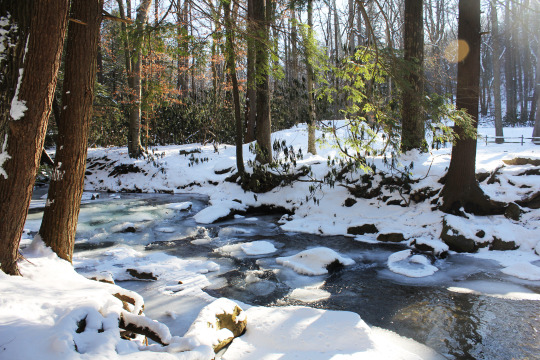
river and trees in the snow

When Shakespeare wrote “Now is the winter of our discontent,” he certainly was not referring to entomologists.  Botanists, mammalogists, ornithologists, and herpetologists spend most of the winter in the office waiting for spring. But many entomologists remain busy because insects that live under water go into high gear and treat the winter as their growing season. Hatching from eggs in spring or summer, these aquatic “macroinvertebrates” get their Thanksgiving dinner as the leaves fall into the stream. The insects are grazing and hunting underwater, growing to adulthood, preparing to fly away next spring when the air is warm again.

I was lucky to grow up with a 10 acre woodlot on one side of our house and a 12 acre pond on the other. As a kid, I loved to be out in my row boat or exploring the woods, hunting wildlife, catch and release. My parents encouraged my interests in nature, providing books and equipment that allowed me to increase my knowledge and experience as I grew.

I raised caterpillars through metamorphosis, marked turtles that I would find again years later, and nursed orphaned baby animals. Initially, I had no special preferences other than those that seem to come naturally to all humans. Mammals capture our affection, we all wish we could fly like birds, predators are particularly interesting, as is anything colorful or rare. By the time I was in college, I decided to study insects as a career for many reasons, and chief among them was a very pragmatic element for a striving academic: if you know about insects, you can find fascinating species in your backyard, wherever you live, anywhere in the world.

Since college, I have learned a great deal about many other groups, but when winter is approaching, I enjoy very much being an entomologist.  Even on the coldest day in January, I can go out to a stream and find abundant insects doing their thing, below the ice in the cold water. Some specifically emerge in winter when there are no predators around. At Powdermill Nature Reserve, we have plenty of wonderful winter insects, and it is great fun to hunt for these gems.
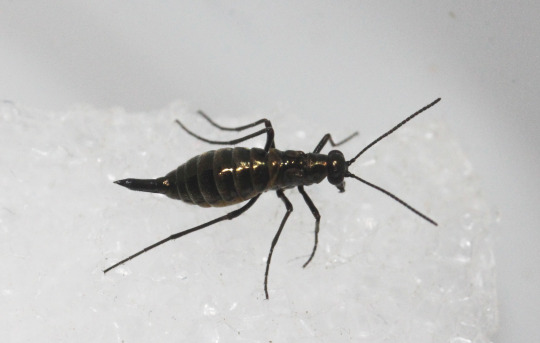
scorpionfly

Here you see a female Boreus scorpionfly who came up from a patch of moss to walk across the snow looking for a male in late December. Also called a snow flea, Boreus is so rare that few entomologists ever see them alive. There is a deep reward in learning to appreciate small things, and I have never regretted becoming an entomologist, especially as winter approaches.

Want to know more about winter bugs? Read about the first Powdermill Christmas Bug Count.

John Wenzel is the Director at Powdermill Nature Reserve, Carnegie Museum of Natural History’s environmental research center. Museum employees are encouraged to blog about their unique experiences and knowledge gained from working at the museum.
Filed Under: Blog Tagged With: entomology, insects, John Wenzel, Powdermill Nature Reserve, Winter

September 26, 2018 by wpengine

Boogie Woogie Aphids

by John Wenzel

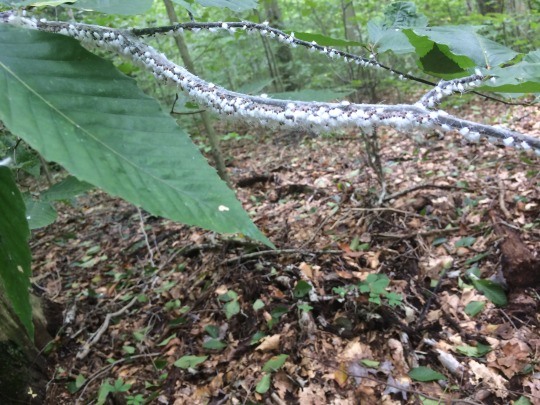
aphids on a branch

Aphids are usually small wingless insects that suck sap from plants, usually specializing on one kind of plant. Many species can reproduce rapidly by parthenogenesis, where females give live birth to daughters without mating. They can build up great numbers quickly, which is why aphids are often pests of crop plants. In late summer or early autumn, populations are about as large as they are going to get, and soon a generation of both male and females that has wings is produced. These will disperse and mate before winter comes. The winged females will lay eggs that last over winter to start the cycle again in the spring. In our area, one amusing species is the beech blight aphid (Grylloprociphilus imbricator) that feeds on beech trees. The aphid produces from its abdomen profuse wax fibers that give it a woolly appearance. In the photo shown here, the aphid itself is just a small brown dot at one end of the white fluffy wax mass. The wax is essentially a shield, and a predator that bites into the woolly floss will come away with nothing but wax. These aphids have a defensive behavior of waving their abdomens and the wax shield when they are disturbed, as you can see in this video of dancing aphids.

Because sap has far more sugar than nutrients, aphids need to get rid of the sugar by excreting it in the form of honeydew. Under a mass of aphids like that shown here, the honeydew will accumulate on the branches or the ground below the aphid colony and will attract flies, bees, wasps, and other insects seeking the sweet liquid. There is a black sooty mold (Scorius spongiosa) that grows only on the honeydew of beech aphids, and can build up a large mass. Neither the aphids nor the mold are detrimental to beech trees, so there is no need to try to exterminate either of them. If they are considered a nuisance by a homeowner, it is easy to wash the aphids off the branches with a hose.

John Wenzel is the Director at Powdermill Nature Reserve, Carnegie Museum of Natural History’s environmental research center. He has published research on the evolution of web building behavior. Museum employees are encouraged to blog about their unique experiences and knowledge gained from working at the museum.
Filed Under: Blog Tagged With: insects, John Wenzel, Powdermill Nature Reserve

December 5, 2016 by wpengine

Specimens from invertebrate zoology

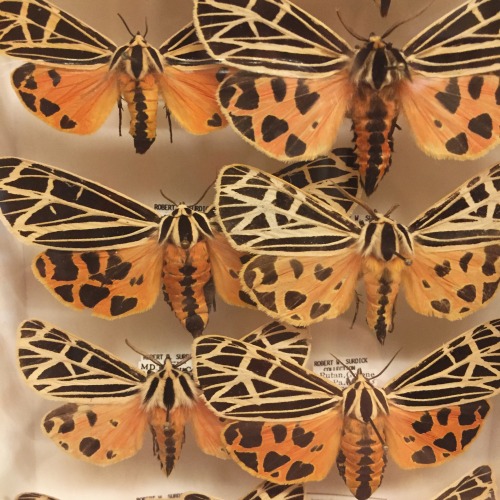
Butterfly specimens

Specimens from the invertebrate zoology collection at Carnegie Museum of Natural History

Filed Under: Blog Tagged With: butterflies, insects, Invertebrate Zoology, moths

October 6, 2016 by wpengine

Specimens from the Surdick collection

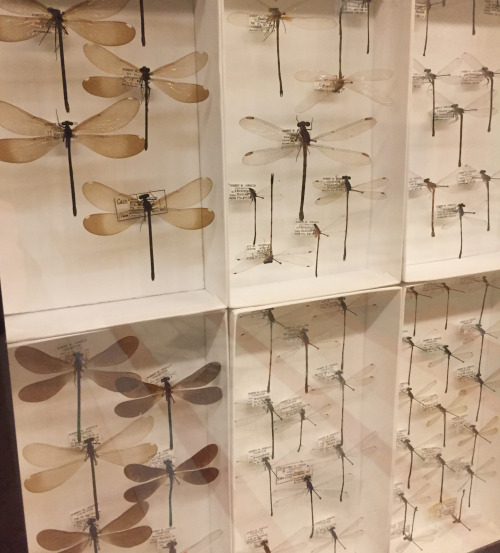
insects in a display case

Specimens from the Surdick collection on display near our Grand Staircase.

Filed Under: Blog Tagged With: insects, museums, western pennsylvania

August 27, 2016 by wpengine

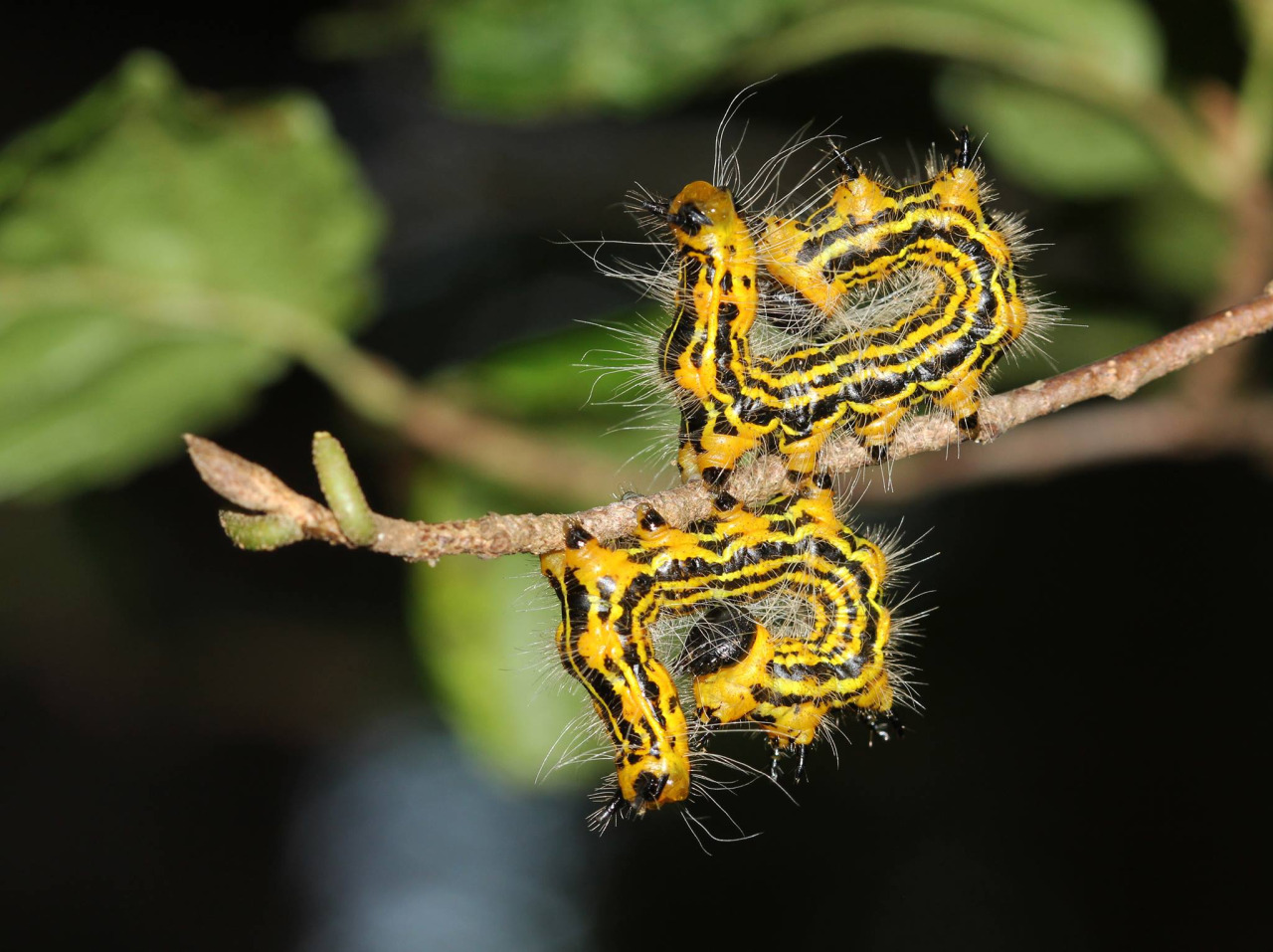
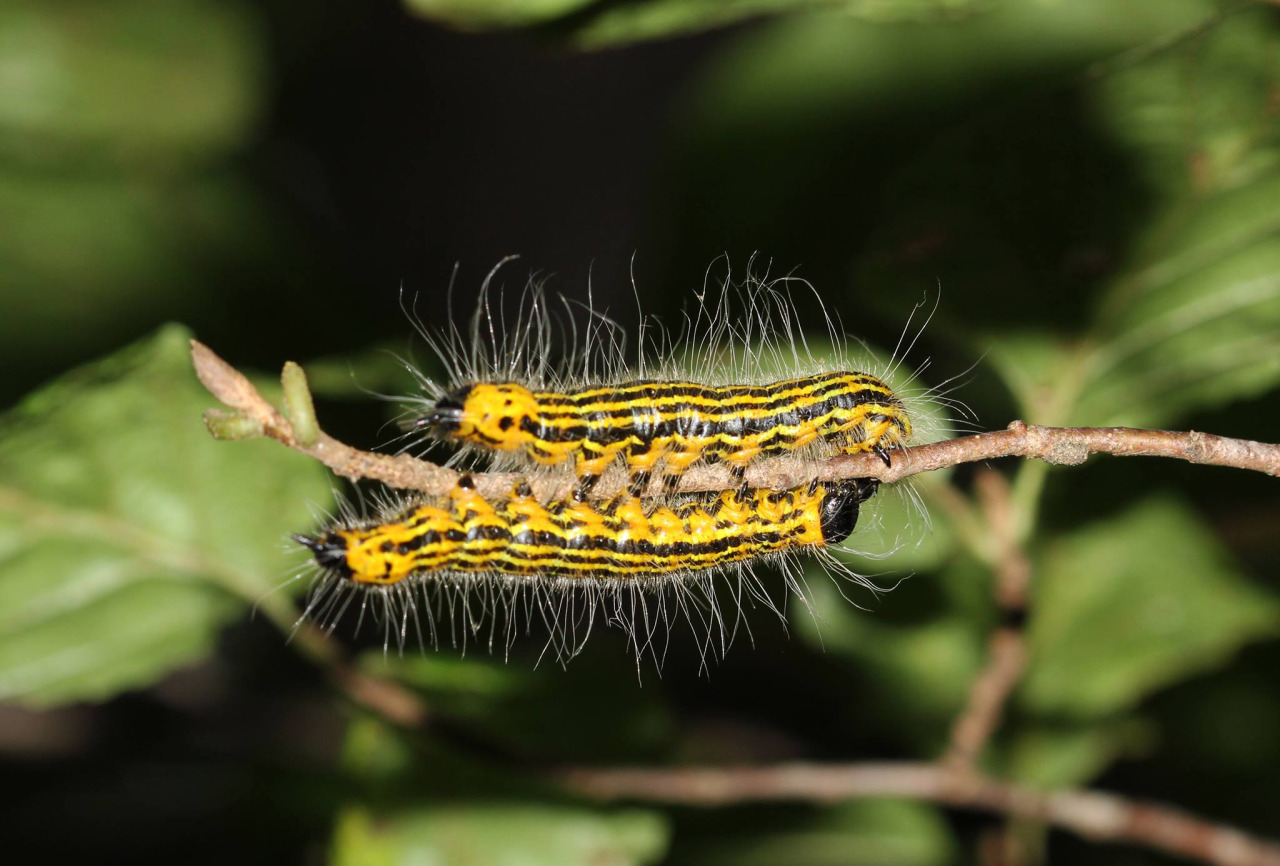
Caterpillars in the genus Datana

bright yellow caterpillars agitated
These caterpillars of Drexel’s Datana (Datana drexelii) were found on the Black Birch Trail at Powdermill Nature Reserve after being disturbed.


bright yellow caterpillars before being agitated
These caterpillars of Drexel’s Datana (Datana drexelii) were found on the Black Birch Trail at Powdermill Nature Reserve before being disturbed.

by Andrea Kautz

In addition to being attractively colored, caterpillars have some interesting behaviors to observe as well. For example, caterpillars in the genus Datana have a defensive behavior of rearing up both the front and back ends of their body instantly upon being disturbed.

Since they are often found in aggregations, this simultaneous movement can be quite startling to a potential predator looking for a snack. These caterpillars of Drexel’s Datana (Datana drexelii) were found on the Black Birch Trail at Powdermill Nature Reserve (the environmental research center of Carnegie Museum of Natural History), feeding on witch hazel. They were photographed before and after being disturbed. Fascinating!


Andrea Kautz is a research entomologist at Carnegie Museum of Natural History’s Powdermill Nature Reserve. Museum employees are encouraged to blog about their unique experiences and knowledge gained from working for the museum.

Filed Under: Blog Tagged With: insects, nature

August 22, 2016 by wpengine

These specimens on display at Carnegie Museum of Natural History

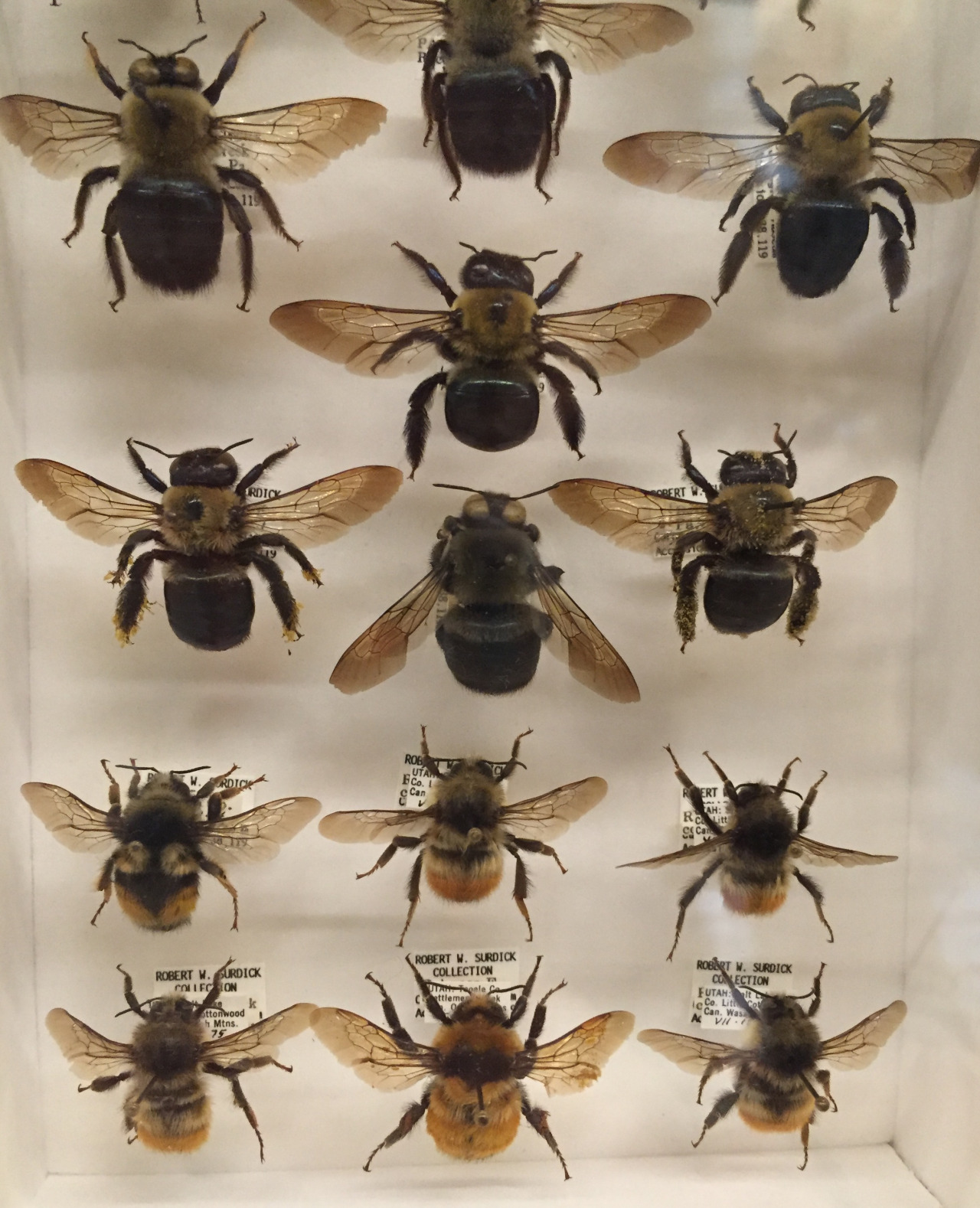
display of bumblebees

These specimens on display at Carnegie Museum of Natural History in Pittsburgh were not collected by museum scientists.

Local insect entusiasts Robert and Tressa Surdick who lived in Bethel Park, a suburb of Pittsburgh, spent their lives collecting insects from all over Western Pennsylvania. Bob visited the museum as a teen to examine the entomology collections.

When Bob passed away in 2012, he donated his collection of more than 100,000 beautifully prepared insects, including the bumblebees shown above.

A portion of his collection is now displayed near the landing of the Grand Staircase, where it catches the attention of young bug lovers each day.

Filed Under: Blog Tagged With: bees, bugs, insects, Pittsburgh

  • « Go to Previous Page
  • Page 1
  • Page 2
  • Page 3
  • Page 4
  • Go to Next Page »

sidebar

About

  • Mission & Commitments
  • Directors Team
  • Museum History

Get Involved

  • Volunteer
  • Membership
  • Carnegie Discoverers
  • Donate
  • Employment
  • Events

Bring a Group

  • Groups of 10 or More
  • Birthday Parties at the Museum
  • Field Trips

Powdermill

  • Powdermill Nature Reserve
  • Powdermill Field Trips
  • Powdermill Staff
  • Research at Powdermill

More Information

  • Image Permission Requests
  • Science Stories
  • Accessibility
  • Shopping Cart
  • Contact
  • Visitor Policies
One of the Four Carnegie Museums | © Carnegie Institute | Privacy Policy | Terms of Use | Accessibility
Rad works here logo