• Skip to primary navigation
  • Skip to main content
  • Skip to primary sidebar

Carnegie Museum of Natural History

One of the Four Carnegie Museums of Pittsburgh

  • Visit
    • Buy Tickets
    • Visitor Information
    • Exhibitions
    • Events
    • Dining at the Museum
    • Celebrate at the Museum
    • Powdermill Nature Reserve
    • Event Venue Rental
  • Learn
    • Field Trips
    • Educator Information
    • Programs at the Museum
    • Bring the Museum to You
    • Guided Programs FAQ
    • Programs Online
    • Climate and Rural Systems Partnership
  • Research
    • Scientific Sections
    • Science Stories
    • Science Videos
    • Senior Science & Research Staff
    • Museum Library
    • Science Seminars
    • Scientific Publications
    • Specimen and Artifact Identification
  • About
    • Mission & Commitments
    • Directors Team
    • Museum History
  • Tickets
  • Give
  • Shop

museums

May 11, 2016 by wpengine

Front Line Birds

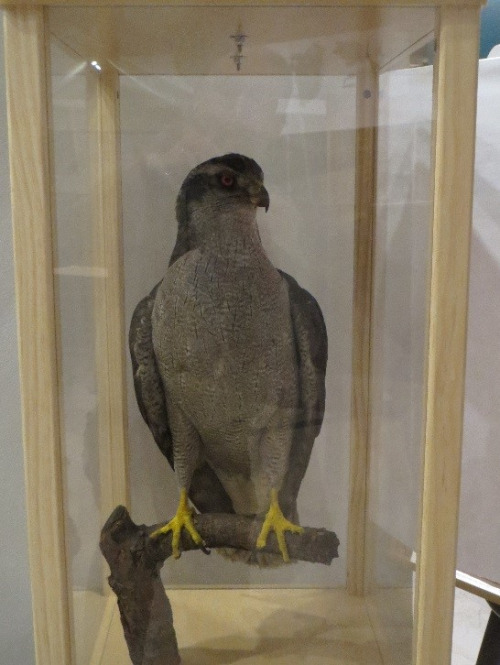
hawk in a display case
Carnegie Museum of Natural History’s taxidermied Goshawk

By Patrick McShea

Best-selling books aren’t usually discussed during our daily 15-minute customer service personnel briefings.

During a recent briefing focused on the museum’s extensive loan program,  an old taxidermy mount in a new portable display case steered discussion to H Is for Hawk, the award winning 2014 non-fiction work by Helen Macdonald.

“That’s a Goshawk?” exclaimed one staff member, pointing to the life-like preserved remains of a big gray and white raptor perched in a 28 inch high plexi-glass sided box. “The bird is huge!” She went on to explain that as part of a book club, she had been reading, if not always enjoying, H is for Hawk, which features a young Goshawk as pivotal character.

As someone then halfway through the book I was able to affirm the narrative’s difficult passages and take advantage of the fleeting teachable moment. H Is for Hawk can be a tough read because it addresses grief and depression and the historically frequent misinterpretation of the lessons people should take from highly adapted predators. I pointed out that the stuffed bird that was in front of us presented several physical adaptations for the efficient capture and killing of prey.

Whether you’ve read the book or not, you can gain a fuller appreciation for the physical attributes of birds of prey by closely examining the taxidermy mounts of hawks and owls currently on display at Carnegie Museum of Natural History’s interactive exhibition Discovery Basecamp, which is on the first floor of the museum.
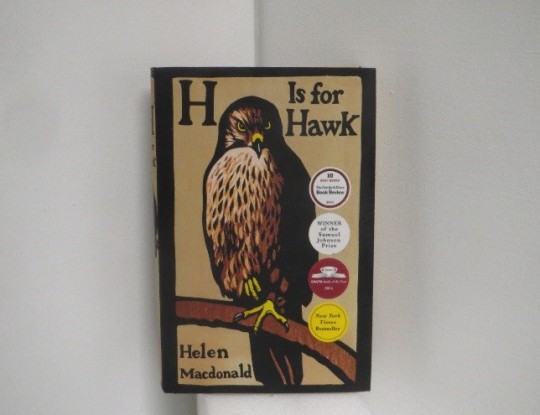
H Is for Hawk
H Is for Hawk book

Additional information about the CMNH loan program can be found at: http://www.carnegiemnh.org/programs/loan/

As part of the Pittsburgh Arts and Lectures series, Helen Macdonald will speak at Carnegie Music Hall on January 30, 2017: http://pittsburghlectures.org/2015-16-literary-evenings/

Patrick McShea works in the Education and Visitor Experience department of Carnegie Museum of Natural History. Museum employees are encouraged to blog about their unique experiences and knowledge gained from working at the museum.
Filed Under: Blog Tagged With: bird hall, museums, Patrick McShea, taxidermy

May 9, 2016 by wpengine

Orca Whale Headdress

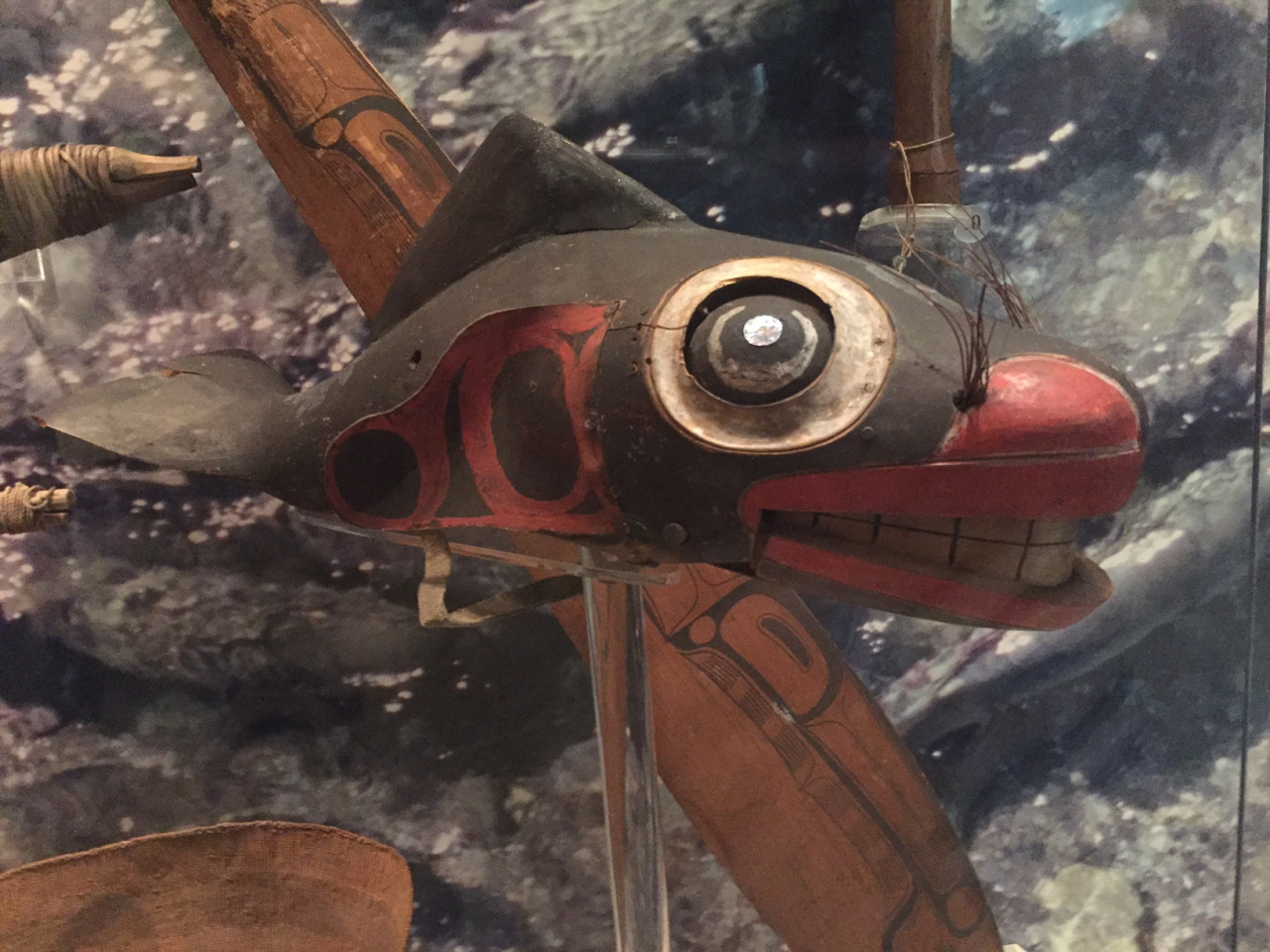
orca whale headdress

This carving of an orca whale is actually a headdress made by the Tlingit, the indigenous people of the Pacific North West.

Made of wood, tanned hide, sea lion whiskers, shells, iron, and mineral paint, the headdress’ eyes and lower jaw can move during a theatrical performance where a dancer would have worn it.

The headress was collected in 1904 and is currently in Carnegie Museum of Natural History’s Alcoa Foundation Hall of American India

Filed Under: Blog Tagged With: Alcoa Foundation Hall of American Indians, museums

April 29, 2016 by wpengine

Do you think

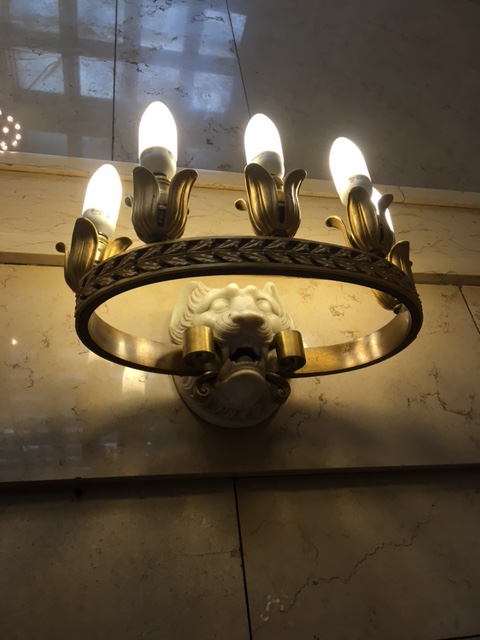
light fixture featuring lion carving

Do you think this lion’s jaws ever gets tired of keeping the Grand Staircase lit at Carnegie Museum of Natural History?

Filed Under: Blog Tagged With: museums

April 24, 2016 by wpengine

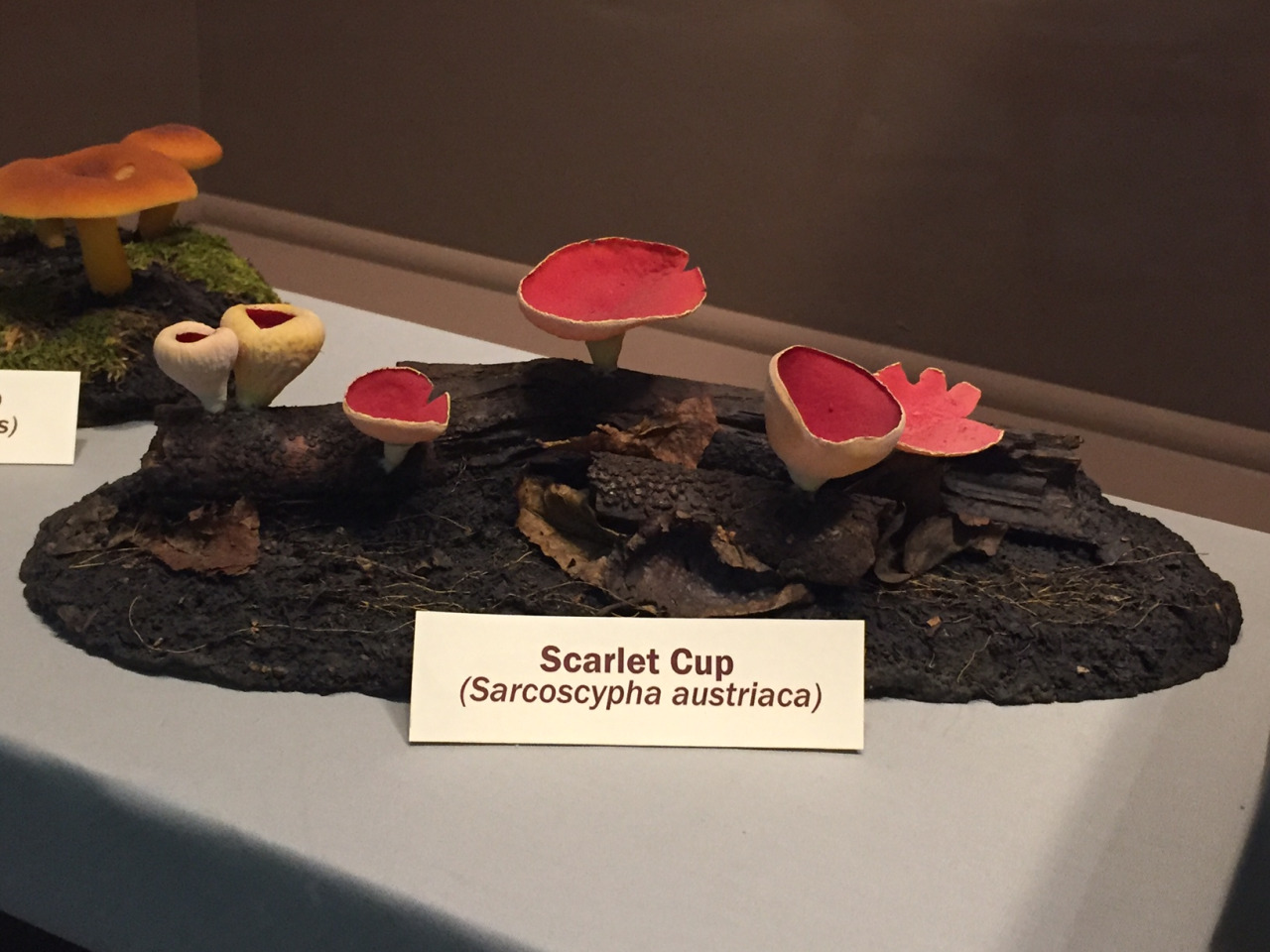
Scarlet Cup fungus

Scarlet Cup fungus in display case

Scarlet Cup fungus in Carnegie Museum of Natural History’s Hall of Botany.

Filed Under: Blog Tagged With: Botany, botany hall, fungi, museums

April 15, 2016 by wpengine

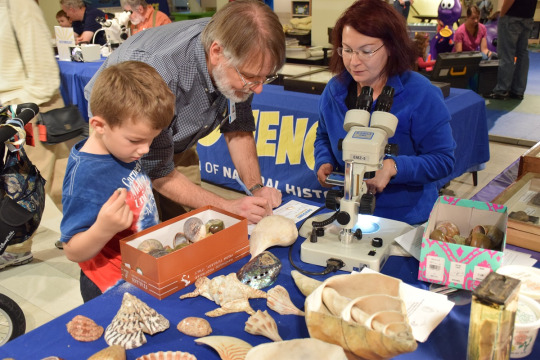
Scientists on Specimen ID

Scientists with child helping to identify shells
Above: Timothy Pearce, Assistant Curator of Mollusks, helps identify a specimen.

Can you stump the scientist?

Carnegie Museum of Natural History’s scientists will be available on Saturday, April 16 to identify objects that visitors have found in nature for Super Science: Specimen ID Day. 

These events are a unique experience for visitors, but also an interesting way for our scientists to interact with the public and test their knowledge!

Albert Kollar, Section of Invertebrate Paleontology, said that the number of places that people bring in specimens from is the part of Specimen ID Day that he finds most intriguing.

Kollar said he helped identify specimens collected from Pennsylvania, Ohio, western New York, Virginia, Maryland along the Chesapeake Bay, South Carolina and North Carolina’s underwater shoreline, Indiana, Missouri, and Colorado.

“That was fun and a challenge to review my knowledge,” he said. “Some of it was easy as it worked to my experiences of conducting research in many of those states excluding North and South Carolina.”

He said a little girl who collected fossils from the Falls of the Ohio rocks of Indiana was one of the best specimens brought to him at a Specimen ID Day.

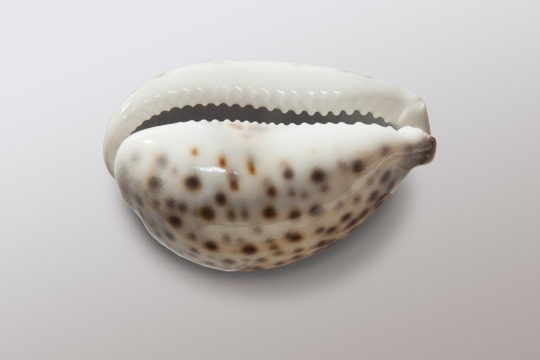
Timothy Pearce, Assistant Curator of Mollusks, said someone brought in a fist-sized shell that looked like a cowry (appealingly shaped, attractive, shiny sea shells), but not like any cowry he had ever seen at a similar event.

A cowry shell
A cowry

“We finally determined that it is actually the earbone of a whale, which is, interestingly, shaped very much like a cowry!” Pearce said. “This was way before we had Google Images, so it took a bit of sleuthing to track it down.”

Filed Under: Blog Tagged With: Albert Kollar, invertebrate paleontology, museums, Tim Pearce

April 7, 2016 by wpengine

Evolution of the Diorama

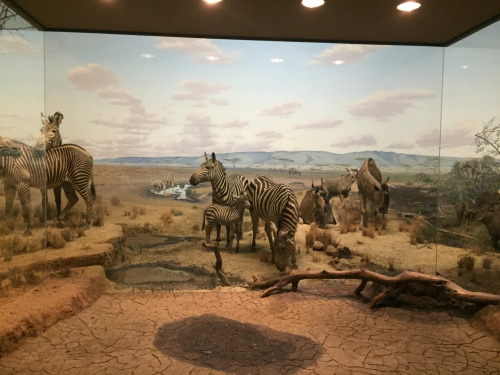
African Wildlife watering hole diorama at CMNH

An Indoor Zoo

Did you ever walk through the zoo and have the frustrating experience of not seeing the animals? Perhaps they were sleeping or hiding out under a rock on a hot summer’s day, for whatever reason–they were not visible.

Our halls of North American and African wildlife allow visitors to see the exotic animals in their natural habitats through expert taxidermy and beautiful background scenes created by artists. Visit anytime of year, anytime of day to see a replica of a Baobab tree towering over a rhinoceros, a zeal of zebras cautiously gathered by a watering hole, and a group of mountain goats precariously perched in their native steep, rocky terrain –all on the second floor of Carnegie Museum of Natural History.

The dioramas have been a staple of our museum for decades, but in the 1920′s they became an example of how museums must evolve with changing cultural attitudes. Our museum changed the display of its wildlife almost 100 years ago as Americans embraced the importance of conservation.

A current exhibition at the museum, “Art of the Diorama,” gives some cultural and historical context to our second floor dioramas.

Many American natural history museums opened and grew alongside the public’s blooming interest in nature in the mid to late 1800′s. Exotic animals were a natural fit to fill the halls of these new institutions. At the time, however, most museums
displayed animals in rectangular glass cases or on shelves with little to no foliage or background.

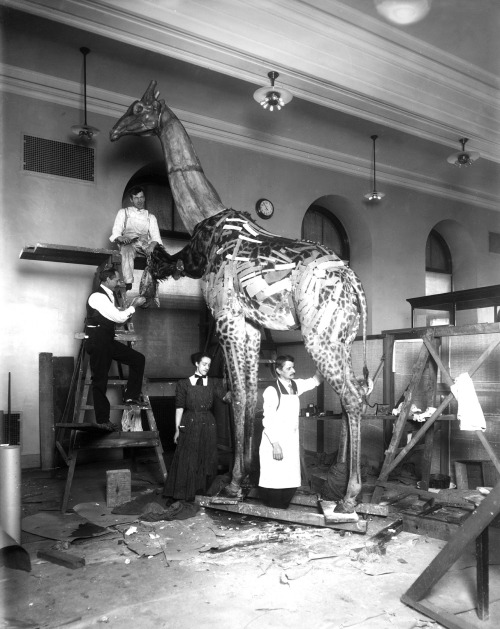
taxidermy giraffe being assembled
A giraffe being prepared for display at Carnegie Museum of Natural History.


As a new conservation movement gained traction, it inspired curators to reevaluate the display of their collections. In the 1920′s, the art of the diorama emerged. In an effort to give context to their animal specimens, museums began to depict them in their natural environment. Through painted background, native plants, and the inclusion of other animals, these new dioramas told a “biological story.” One that curators hoped would help the public understand that animals were not singular objects for display, but living creatures whose needs are worth protecting.

For more information on the evolution of our dioramas, visit “Art of the Diorama” on the first floor of the Carnegie Museum of Natural History.

Filed Under: Blog Tagged With: conservation, dioramas, Hall of African Wildlife, Hall of North American Wildlife, museums

  • « Go to Previous Page
  • Page 1
  • Interim pages omitted …
  • Page 4
  • Page 5
  • Page 6
  • Page 7
  • Go to Next Page »

sidebar

About

  • Mission & Commitments
  • Directors Team
  • Museum History

Get Involved

  • Volunteer
  • Membership
  • Carnegie Discoverers
  • Donate
  • Employment
  • Events

Bring a Group

  • Groups of 10 or More
  • Birthday Parties at the Museum
  • Field Trips

Powdermill

  • Powdermill Nature Reserve
  • Powdermill Field Trips
  • Powdermill Staff
  • Research at Powdermill

More Information

  • Image Permission Requests
  • Science Stories
  • Accessibility
  • Shopping Cart
  • Contact
  • Visitor Policies
One of the Four Carnegie Museums | © Carnegie Institute | Privacy Policy | Terms of Use | Accessibility
Rad works here logo