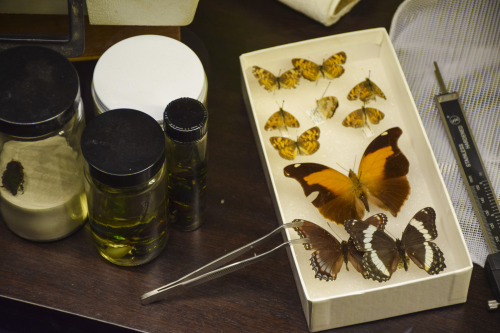
See the tools that scientists use at Powdermill Nature Reserve, Carnegie Museum of Natural History’s environmental research center, on display at the museum!
Carnegie Museum of Natural History
One of the Four Carnegie Museums of Pittsburgh
Powdermill Nature Reserve is Carnegie Museum of Natural History’s environmental research center. Located 55 miles southeast of Pittsburgh in Rector, Pennsylvania, Powdermill is a field station and laboratory where researchers do long-term studies of natural populations in western Pennsylvania. In addition to being positioned for Appalachian-specific studies in ornithology, ecology, invertebrate zoology, and botany, Powdermill is a great place to spend a fun-filled day outdoors with the family.
See the tools that scientists use at Powdermill Nature Reserve, Carnegie Museum of Natural History’s environmental research center, on display at the museum!
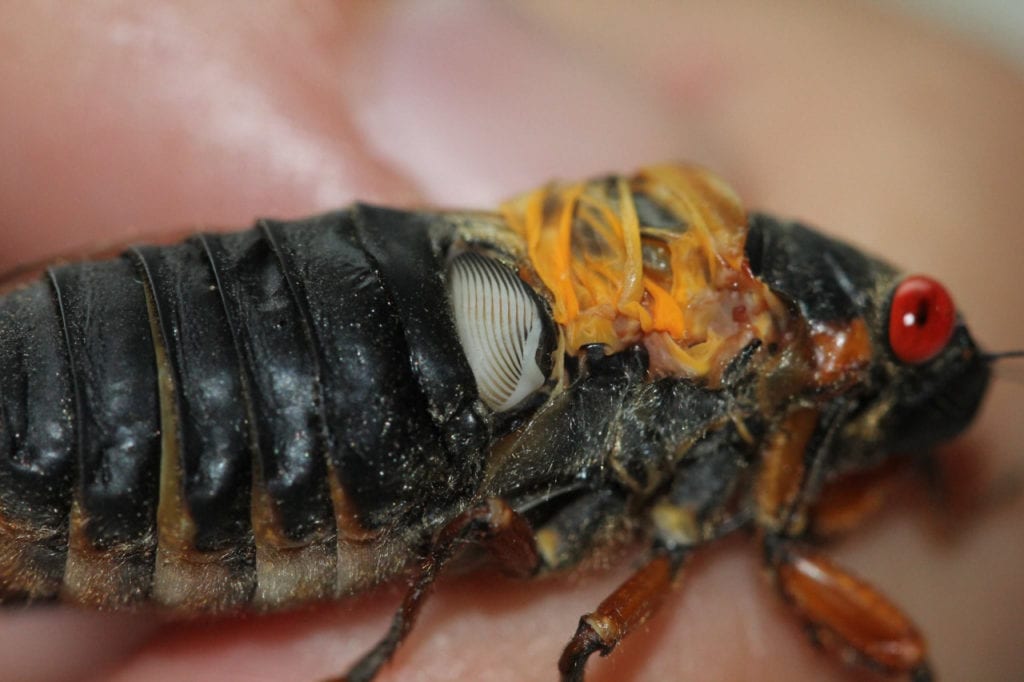
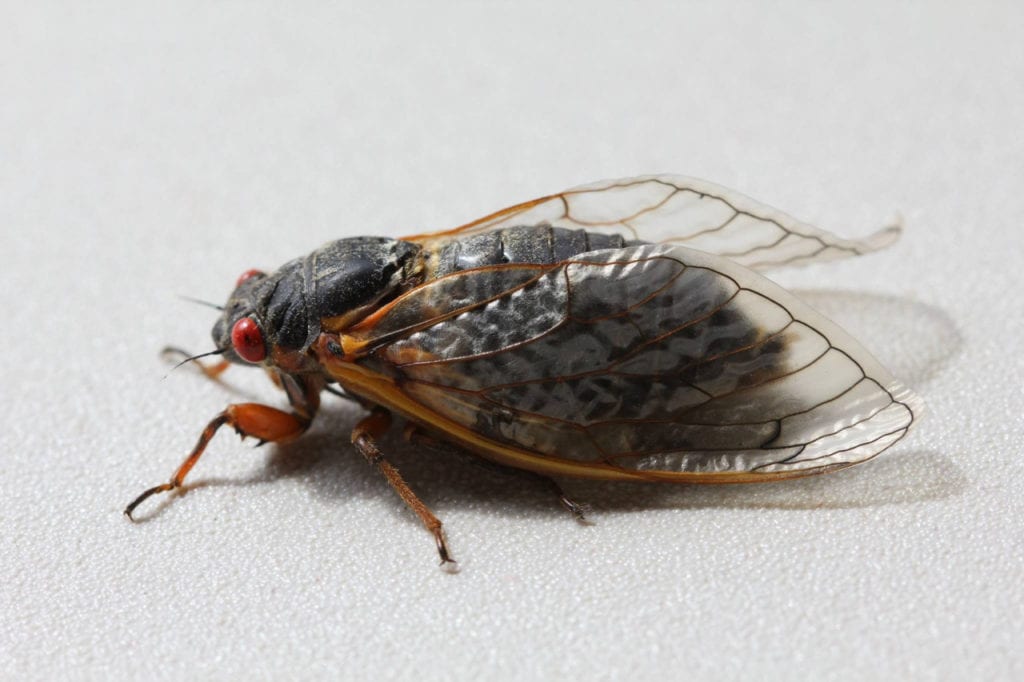
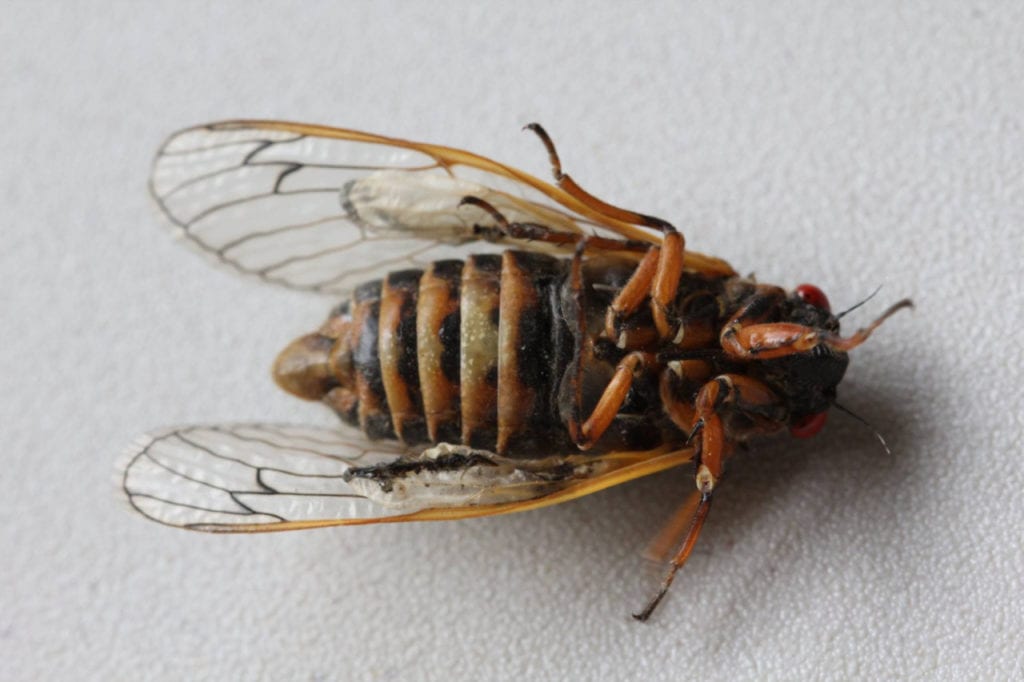
The cicadas are here! Staff at Powdermill Nature Reserve, Carnegie Museum of Natural History’s environmental research center, posted these up-close photos of this 17-year cicada and some more information about it last week.
“This specimen in particular is Magicicada septendecim, indicated by the broad orange stripes on the underside of the abdomen. It is also a male, because of the tymbals located near the base of the wings on each side. These organs are what the males use to make a loud buzzing sound to attract females. When many males sing together, it can be quite deafening!
This cicada has spent seventeen long years underground as a wingless nymph, feeding off of the juices from plant roots. In the year of its emergence, it waits until the soil temperature in its underground tunnel reaches 64 degrees, and then climbs up out of the ground (often onto a tree trunk or other surface) for its final molt into adulthood.”
Have the cicadas come to your neighborhood? Report your sightings at Magicicada.org, where you can also find much more additional information about periodical cicadas!
