• Skip to primary navigation
  • Skip to main content
  • Skip to primary sidebar

Carnegie Museum of Natural History

One of the Four Carnegie Museums of Pittsburgh

  • Visit
    • Buy Tickets
    • Visitor Information
    • Exhibitions
    • Events
    • Dining at the Museum
    • Celebrate at the Museum
    • Powdermill Nature Reserve
    • Event Venue Rental
  • Learn
    • Field Trips
    • Educator Information
    • Programs at the Museum
    • Bring the Museum to You
    • Guided Programs FAQ
    • Programs Online
    • Climate and Rural Systems Partnership
  • Research
    • Scientific Sections
    • Science Stories
    • Science Videos
    • Senior Science & Research Staff
    • Museum Library
    • Science Seminars
    • Scientific Publications
    • Specimen and Artifact Identification
  • About
    • Mission & Commitments
    • Directors Team
    • Museum History
  • Tickets
  • Give
  • Shop

snails

July 24, 2018 by wpengine

Speculation: Glowing Snails and Jumping Genes

By Tim Pearce

Only one species of land snail is known to glow in the dark: Quantula striata, albeit very faintly. A glow organ under its chin produces yellow-green light, and the rest of the body glows very faintly. The snail occurs in some areas of Southeast Asia including Malaysia and Singapore. The snail uses the same system to glow as fireflies, two chemicals: luciferase reacts with luciferin to produce light.

Scientific papers, including those by Yata Haneda, have characterized the wavelength of the light, the interval of the flashes, which part of the body glows, and differences in glowing between juvenile and adult snails. However, none of the papers has addressed why the snails glow. Given that light production is energetically costly, there must be some evolutionary advantage to glowing. How does glowing help the snail in its daily life?

There are five known reasons that organisms glow: (1) attract mates (as in fireflies [originally for larval defense, see Branham and Wenzel 2003, Cladistics, 19:1-22]), (2) attract prey (as lures in deep sea fish), (3) attract dispersers (insects attracted to light disperse spores from glowing mushrooms), (4) escape predators (deep sea octopus create glowing clouds and slink away unnoticed), (5) burglar alarm (some ocean microorganisms glow when copepods try to eat them; the glow attracts fish that then eat the copepods).

I speculate that Quantula striata glows to escape predators.
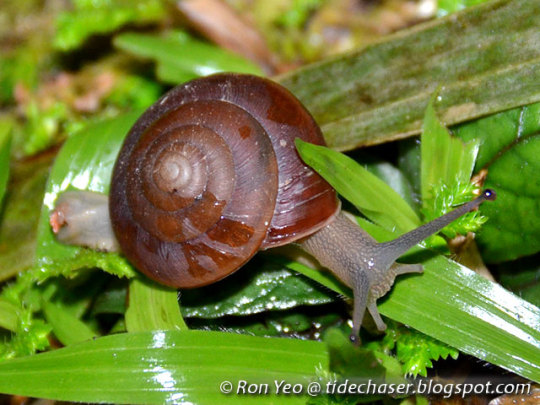
Quantula striata, land snail that glows in the dark
Quantula striata, the only species of land snail known to glow in the dark.

Larval fireflies eat land snails and larval fireflies occur in Southeast Asia where this glow snail lives. Perhaps a glowing snail could fool a hungry firefly larva by falsely conveying that the snail is already occupied, so glowing might ward off an attack by a firefly larva. Thus, the evolutionary advantage is that glowing snails might experience less predation.

One way to test this hypothesis would be to expose glowing and non-glowing snails to larval fireflies to determine which kind of snail gets eaten more. I haven’t tried this experiment yet, because I don’t have glow snails available in my lab.

More speculation: could the genes for the light-producing system have moved from a firefly to this snail? It is a remarkable coincidence that the snail and the fireflies both produce light using the luciferin and luciferase system. What are the chances of that! One possibility is that the genes to produce luciferin and luciferase were somehow transferred from a firefly to an ancestor of the snail, then spread over time throughout the species. While such horizontal gene transfer is thought to be relatively rare, the transfer of genes from one species to another is known in single celled organisms (e.g., the spread of antibiotic resistance among bacteria species), and evidence exists that it has occurred in some multi-cellular organisms.

One way to test whether horizontal gene transfer could explain the luciferin and luciferase lighting system in Quantula striata would be to sequence the DNA of the snail and the DNA of fireflies living in Southeast Asia. If both genes for luciferin and luciferase were transferred from the firefly to the snail, there is a good chance that additional DNA on either side of those two genes was transferred as well. If additional firefly DNA exists near the luciferin and luciferase genes in the snail, that would be strong evidence that the snail’s ability to glow came from a firefly.

It could have happened!

Relevant Snail Joke: 

Q: What happened to the glow-snail that lost its glowing organ?

A: It was de-lighted.

Timothy A. Pearce, PhD, is the head of the mollusks section at Carnegie Museum of Natural History. Museum employees are encouraged to blog about their unique experiences and knowledge gained from working at the museum.
Filed Under: Blog Tagged With: land snails, mollusks, snails, Tim Pearce

June 20, 2018 by wpengine

Snakes, snails, and puppy dog tails

By: Kaylin Martin, M.Sc. and Timothy A. Pearce, PhD

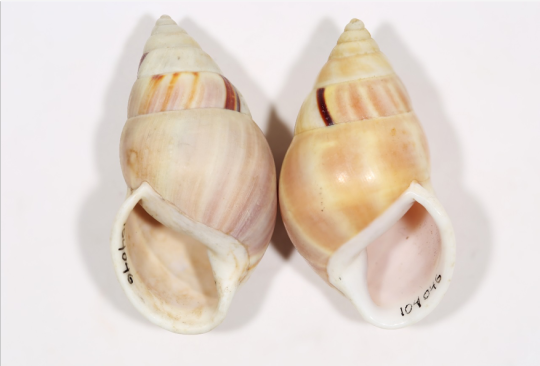
Asymmetries in nature are noteworthy because they usually mean something interesting is going on. Most snail-eating snakes in the family Pareidae are remarkable for having more teeth on the right lower jaw than on the left. The vast majority of snails worldwide coil clockwise (dextral) while, in contrast, the counter-clockwise coiling (sinistral) snails tend to be scarce, usually on the order of 1/10,000 to 1/100,000.

Sinistral (left) versus dextral (right) of shells Amphidromus inversus. CM 104046.
Sinistral (left) versus dextral (right) of shells Amphidromus inversus. CM 104046. Photo by Kaylin Martin, M.Sc., 2018.

Recent experiments demonstrate that pareid snakes are more successful at eating dextrally coiling snails, evidently because having more teeth in the right jaw helps the snake to extract the snail’s body from the shell. Upon striking a dextral snail, with the aperture on the right, the snake advances and retracts its mandibles along the snail’s forebody. The sequential movements of this mandibular walk extract the snail’s soft body from its shell. Conversely, when a pareid snake strikes a sinistrally coiled snail, it finds the snail’s aperture on the left, and consequently the snake’s stereotypical right-handed behavior is less successful at grasping the snail’s body. The asymmetry in the snake’s mandibles means that sinistrally coiled snails escape predation by these snakes more often than do dextrally coiled snails.

Could the pareid snakes be an evolutionary force that favors sinistrally coiled snails? The ranges of Pareidae and Amphidromus almost entirely overlap, both groups occurring in Southeast Asia from China to Indonesia. Quite a few other land snail species in that part of the world are known to coil sinistrally, although in most of these other genera, the whole species is sinistral, rather than showing polymorphism (showing both forms) for coiling direction. The two facts, that sinistrally coiled snails escape predation more often, and that the ranges of the predator and the prey largely overlap, both support the idea that the asymmetry in the snake’s jaw provides an evolutionary force resulting in a greater proportion of sinistral snails in Southeast Asia. This conclusion was also reached in a study by Hoso et al. (2010).

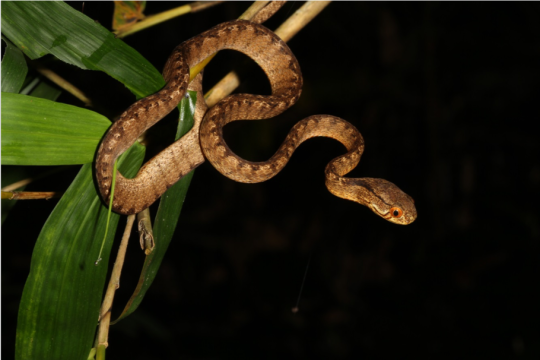
The snake Pareas carinatus and the snail Amphidromus inversus are both tree-dwelling. In controlled lab experiments, the snake is known to eat Amphidromus, as well as other genera of snails. However, we are not sure whether the snake actually eats Amphidromus inthe wild because data are scarce on Pareas diets in their natural environment. So, whether the snake could have influenced the unusual predominance of left handedness in Amphidromus species makes logical sense, but remains unresolved.

Pareas carinatus from Cat Tien, Vietnam
Pareas carinatus from Cat Tien, Vietnam.  Photo by Paul S. Freed, 2011.

Dozens of other snail eating snakes exist, for example many species in the genus Sibon throughout the tropical Americas, but their jaws do not show asymmetry, so they would not influence snail coiling direction.

We know of no other predator that is known to specialize in prey that have a particular “handedness.” Further studies on diets of pareid snakes would advance scientific understanding of specialized predator-prey interactions, ecological adaptation, and coevolution between the arboreal snakes and snails of southeast Asia.

And given that we are talking about snakes and snails, we must also mention puppy dog tails. The tails of many dogs do coil, and of those that coil, many of them coil off to the side. As judged by a survey of coiling dog tails in a Google Image search, dog tails that coil to the left or to the right appear to be about equally represented. So, puppy dog tail coiling direction also appears to be polymorphic…

Timothy A. Pearce, PhD, is the head and curator of collections of the Section of Mollusks at Carnegie Museum of Natural History. Kaylin Martin, M.Sc, is the curatorial assistant in the Section of Amphibians and Reptiles. Museum employees are encouraged to blog about their unique experiences and knowledge gained from working at the museum.
Literature Cited

Hoso, M., Kameda, Y., Wu, S.P., Asami, T., Kato, M. & Hori, M. 2010. A speciation gene for left–right reversal in snails results in anti-predator adaptation. Nature Communications, 1:133; DOI: 10.1038/ncomms1133.

Filed Under: Blog Tagged With: amphibians and reptiles, mollusks, reptiles, snails, snakes

February 12, 2018 by wpengine

Mollusks (snails, clams,octopus, etc.)

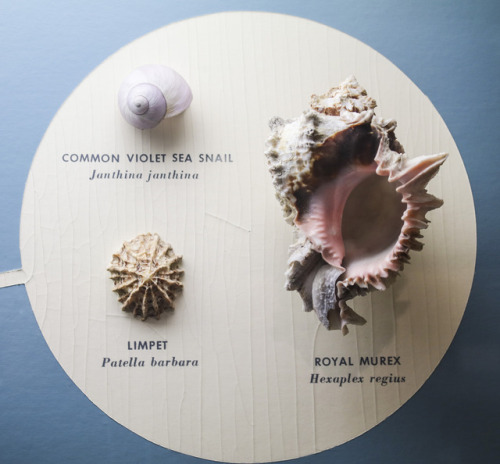
museum display with three kinds of mollusks

Mollusks (snails, clams, octopus, etc.) are the second largest phylum. It is second only to the arthropods, which includes the insects. There are more kinds of mollusks than there are vertebrates (animals with backbones).

The Mollusks collection at Carnegie Museum of Natural History contains specimens that are valuable to researchers both locally and worldwide. Our molluscan collection is one of the 15 largest in the United States and boasts more terrestrial and freshwater mollusks from western Pennsylvania and adjacent states than any other museum.

Filed Under: Blog Tagged With: mollusks, snails

March 27, 2017 by wpengine

Snail Foils Trump’s Plan for Wall on an Irish Golf Course

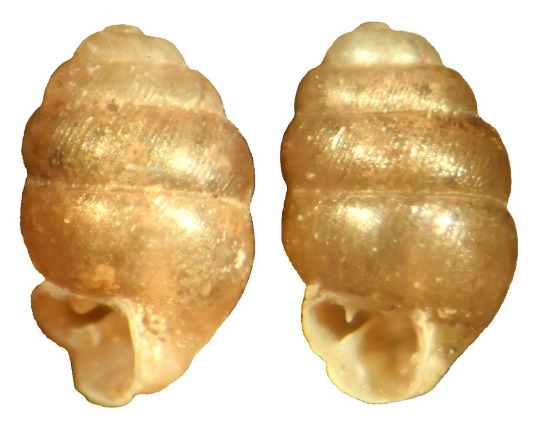
Vertigo angustior, CM62.27772 from Switzerland. (Photo by Charles F. Sturm). Golden snail shells.
Vertigo angustior, CM62.27772 from Switzerland. (Photo by Charles F. Sturm)


by Timothy A. Pearce

What can stop a wall that the president of the United States wants to build? Snails of course!

At least that was the case on a golf course in Ireland owned by President Donald Trump’s company, Trump International Golf Links.

According to The Washington Post, the company’s plans to build a huge, two-mile sea wall on its Irish golf course were recently withdrawn and replaced with a proposal for two smaller walls.

A tiny, 2 millimeter snail, Vertigo angustior, living in the adjacent Carrowmore Dunes, a special area of conservation, could be harmed if the wall were to change the hydrology of the area. The Carrowmore Dunes site is specially designated for conservation due to its three different dune types and the presence of Vertigo angustior.

Trump’s company submitted an initial wall proposal that cited rising sea levels as a result of climate change as the reason it needed the wall, according to BBC News.

Concerns over the snail and the special dunes delayed a decision about the proposed wall, so Trump International Golf Links resubmitted a proposal for smaller walls just before Christmas 2016, according to the Washington Post. The Clare County Council will carefully consider the revised proposal for its conservation objectives and the impact on the protected snail. A decision is expected in March 2017.

The European snail Vertigo angustior is unusual for coiling the opposite direction of most land snails and occurs in wetlands and low areas among coastal dunes. It is legally protected under the European Union’s Habitats and Species Directive due to declining populations and because wetlands are difficult to protect. According to the International Union for Conservation of Nature, the main threat to this species is the modification of site hydrology, which could occur with the building of sea walls.

Some people feel that business endeavors are more important than species extinctions, while others argue that it is unfair for one species, humans, to cause the complete extinction of another species. Endangered species laws recognize the importance of allowing species to persist.


Timothy A. Pearce, PhD, is the head of the mollusks section at Carnegie Museum of Natural History. Museum employees are encouraged to blog about their unique experiences and knowledge gained from working at the museum.
Filed Under: Blog Tagged With: mollusks, snails, Tim Pearce

December 13, 2016 by wpengine

Snails

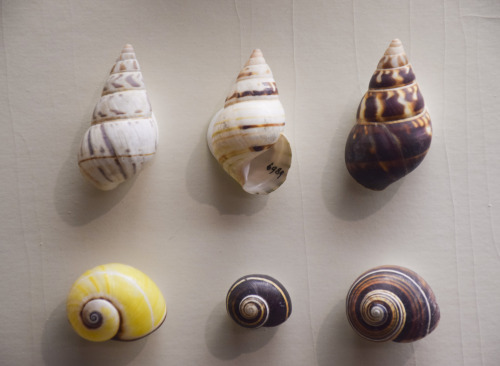
Shells of tree snails from Florida and land snails from Cuba
Tree snails from Florida (top row) and land snails from Cuba (bottom row) on display at Carnegie Museum of Natural History
(Photo by Hayley Pontia)


Filed Under: Blog Tagged With: mollusks, snails

December 5, 2016 by wpengine

Snails in the Staircase

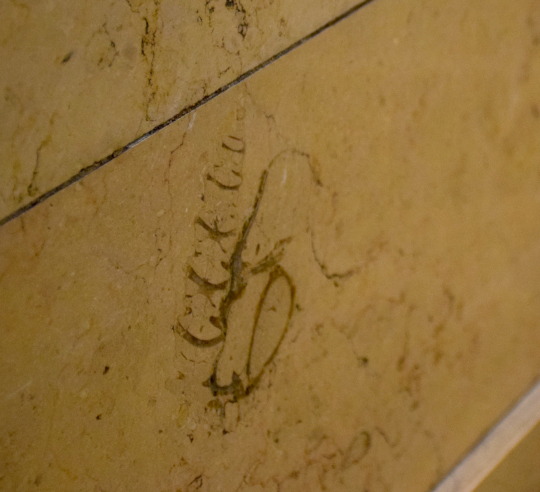
Snail Fossil embedded in grand staircase
A Fossil of a small invertebrate visible in the walls of Carnegie Museum of Natural History’s Grand Staircase.

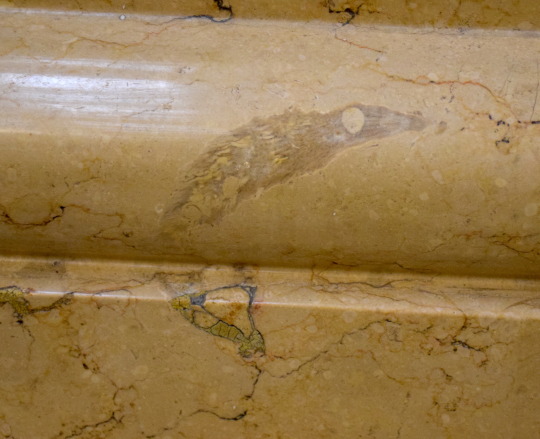
invertebrate fossil in the grand staircase
A small invertebrate visible in the walls of the Grand Staircase.

Everyone in Pittsburgh knows that Carnegie Museum of Natural History is the place to see some amazing fossils. But did you know they’re not just in our famous paleontology and geology halls? If you look carefully at the walls of our Grand Staircase, there are fossils of small invertebrates visible in the walls!

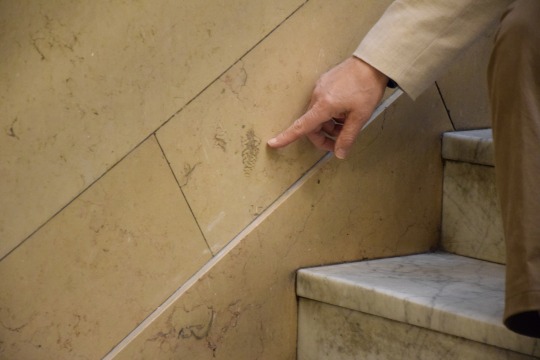
In the photo below, Carnegie Geologist Albert Kollar pointed out a small snail fossil embedded in the stone.

Keep an eye out for them on your next visit!

snail fossil embedded in stone
Carnegie Geologist Albert Kollar points out a small snail fossil embedded in the stone.

Filed Under: Blog Tagged With: Albert Kollar, fossils, invertebrate paleontology, snails

  • « Go to Previous Page
  • Page 1
  • Page 2
  • Page 3
  • Go to Next Page »

sidebar

About

  • Mission & Commitments
  • Directors Team
  • Museum History

Get Involved

  • Volunteer
  • Membership
  • Carnegie Discoverers
  • Donate
  • Employment
  • Events

Bring a Group

  • Groups of 10 or More
  • Birthday Parties at the Museum
  • Field Trips

Powdermill

  • Powdermill Nature Reserve
  • Powdermill Field Trips
  • Powdermill Staff
  • Research at Powdermill

More Information

  • Image Permission Requests
  • Science Stories
  • Accessibility
  • Shopping Cart
  • Contact
  • Visitor Policies
One of the Four Carnegie Museums | © Carnegie Institute | Privacy Policy | Terms of Use | Accessibility
Rad works here logo