• Skip to primary navigation
  • Skip to main content
  • Skip to primary sidebar

Carnegie Museum of Natural History

One of the Four Carnegie Museums of Pittsburgh

  • Visit
    • Buy Tickets
    • Visitor Information
    • Exhibitions
    • Events
    • Dining at the Museum
    • Celebrate at the Museum
    • Powdermill Nature Reserve
    • Event Venue Rental
  • Learn
    • Field Trips
    • Educator Information
    • Programs at the Museum
    • Bring the Museum to You
    • Guided Programs FAQ
    • Programs Online
    • Climate and Rural Systems Partnership
  • Research
    • Scientific Sections
    • Science Stories
    • Science Videos
    • Senior Science & Research Staff
    • Museum Library
    • Science Seminars
    • Scientific Publications
    • Specimen and Artifact Identification
  • About
    • Mission & Commitments
    • Directors Team
    • Museum History
  • Tickets
  • Give
  • Shop

We Are Nature: Living in the Anthropocene

December 4, 2017 by wpengine

Rethinking the Dodo

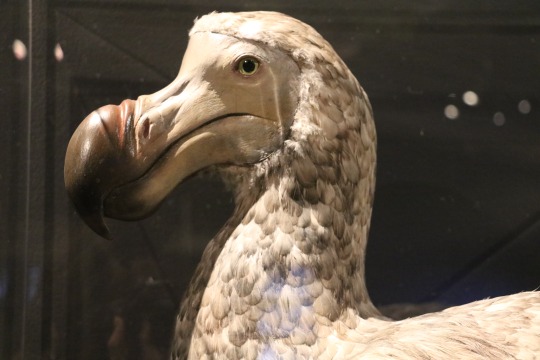
Dodo found in the hall of birds

by Barbara Klein

History—not to mention humanity—has not been kind to the dodo bird. As the story goes, the demise of this flightless, clueless, graceless big galoot of a bird was no surprise (except, one imagines, to the dodos themselves).

A descendant of the pigeon, dodos were living the good life on the island of Mauritius (located east of Madagascar in the Indian Ocean), but that all changed when Dutch settlers began arriving in the late 1590s.

With no natural predators to fear, the feathered creatures greeted the new arrivals as friends. The settlers, however, were not quite as amicable. They soon realized how comically easy it was to walk up to an unsuspecting bird and club it over the head. Dodos, it’s what was for dinner.

Speaking of dinner. Where ships are docked, inevitably rats and cats disembark. From the dodo’s perspective, that just meant more mouths to feed. No longer ruling the roost, the dodo’s days were numbered. In fact, it took less than 100 years for the dodo to become a no go.

Back then, the idea of wiping out an entire species forever was inconceivable in the truest sense of the word. It was a concept no one considered.

But times have changed, right? Well, yes and no. Although we humans now understand the consequences of our actions, that knowledge is not always enough to quell our baser instincts.

With that in mind, the exhibition We Are Nature: Living in the Anthropocene is asking visitors to vote for the creature most likely not to succeed. Contenders for this dubious distinction are the black rhino, Sumatran elephant, pangolin, leatherback turtle, and mountain gorilla.

Votes are tallied in the form of donations to the World Wildlife Fund.

Admittedly, this sounds like a joke, and not a particularly funny one. But it is no laughing matter. The goal here is to help humans understand how their actions—or inactions—can make all the difference in the world. It is truly life or death for these animals.


The Anthropocene is the current geological era in which humans are making a profound impact on the geological strata. While the term itself is still being debated by geologists, the museum is embracing it as a social and cultural tool for exploring the broad sum effect humans are having on the planet in the exhibition We Are Nature: Living in the Anthropocene—open now through summer 2018.
Filed Under: Blog Tagged With: Birds, extinction, We Are Nature, We Are Nature: Living in the Anthropocene

December 4, 2017 by wpengine

We Are Nature: Rethink Recycling

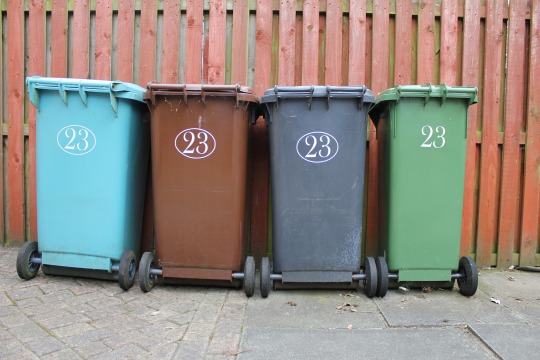
colorful recycling bins lined up on a fence

It is not easy being green, but Allegheny County is here to help.

We generally think of recyclables as plastic, glass, and paper that we put out on our curb each week, but did you know that more high-tech items like batteries and electronics can be recycled too?

Odds are, you are probably reading this from something recyclable. Almost everything you own can be recycled, but not everything can just be thrown into bins because they contain potentially harmful materials. When hard to recycle items are taken care of by a professional, the chemicals, metals, and plastics can be reused to make new products and prevent toxicity in landfills and other greenhouse gas emissions.

The Allegheny County Health Department understands the importance of recycling to the future of Pittsburgh and has compiled a handy Recycling Resource Directory of professionals that can help you recycle almost any material that you can find here.

Check out the county’s resources and rethink recycling to make your lifestyle just a little greener.


This year, we are sharing simple tips and tricks for greener living in tandem with our exhibition We Are Nature: Living in the Anthropocene, which explores the interconnected relationship between humans and our environment. A first of its kind in North America, the exhibition utilizes interactive exhibits, innovative gallery design, and specimens from our hidden collection in an unflinching exploration of the Anthropocene.

The Anthropocene is the current geological era in which humans are making a profound impact on the geological strata. While the term itself is still being debated by geologists, the museum is embracing it as a social and cultural tool for exploring the broad sum effect humans are having on the planet.

Filed Under: Blog Tagged With: We Are Nature, We Are Nature: Living in the Anthropocene

December 4, 2017 by wpengine

We Are Nature: Basic Bike Repair

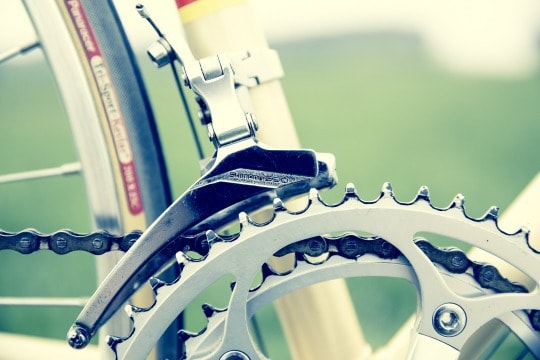
closeup of a bike wheel and gears

Unlike traditional cars, bicycles give off exactly zero greenhouse gasses during use. But how many people actually know how to repair one when something goes wrong? If you are a bike owner or frequent rider, there are some basic problems you should know how to fix.

  • Q: How do I change a tire?
    A: Begin by removing the wheel from the frame. Most bikes have a lever that tightens and loosens to fasten the wheel in place. Deflate the rubber tube and remove from the wheel frame. Put the deflated new tube on the wheel frame, and inflate using a pump, easily found in bike shops and online. Reattach the wheel in the same manner you removed it, and you are set to ride!
  • Q: The chain came off from the gear! How can I fix it?
    A: Place a link in the chain on the front gear and slowly turn the pedal to allow more links to attach to the gear while it turns. Once secure on the front, do the same on the back gear.
  • Q: I want to adjust my seat but it won’t move.
    A: First, make sure the bolt that tightens and loosens around the seat post is in the loose position. If that doesn’t work, find some bike oil or WD-40 (an all purpose outdoor lubricant) and grease down the post. Find your strongest friend, and pull!

Even if you don’t own a bike, it’s good to have basic knowledge. If you want to start riding more often, Pittsburgh has implemented the Healthy Ride bike share system, with over thirty stations, including a station right next to Carnegie Museum of Natural History! Also check out Bike Pittsburgh for more resources.


This year, we are sharing simple tips and tricks for greener living in tandem with our exhibition We Are Nature: Living in the Anthropocene, which explores the interconnected relationship between humans and our environment. A first of its kind in North America, the exhibition utilizes interactive exhibits, innovative gallery design, and specimens from our hidden collection in an unflinching exploration of the Anthropocene.

The Anthropocene is the current geological era in which humans are making a profound impact on the geological strata. While the term itself is still being debated by geologists, the museum is embracing it as a social and cultural tool for exploring the broad sum effect humans are having on the planet.

Filed Under: Blog Tagged With: We Are Nature, We Are Nature: Living in the Anthropocene

November 13, 2017 by wpengine

We Are Nature: Vertical Farming

What do cities do when they run out of space? They grow higher.
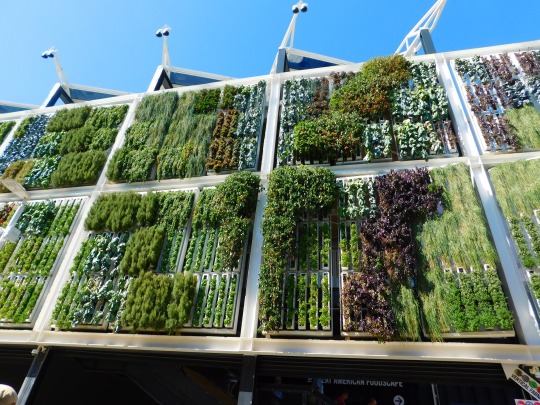
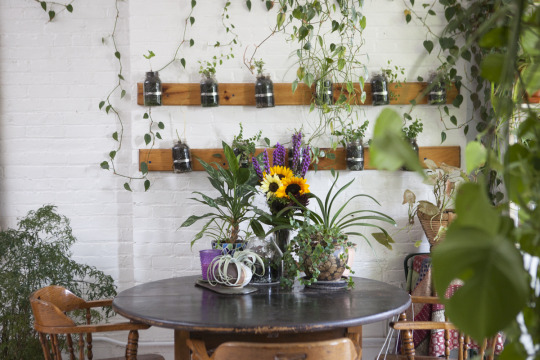
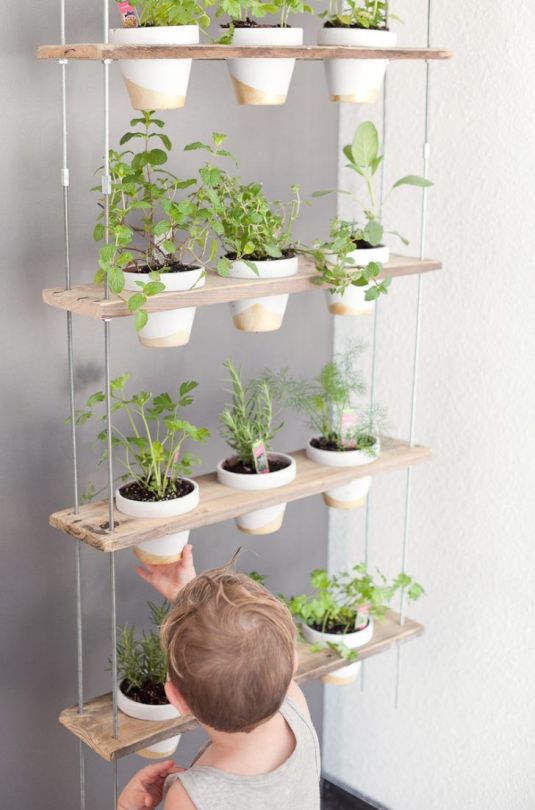
Racks full of pots, intricate schemes of hanging baskets, or any combination of growing containers bring some greenery to urban areas where space is tight. 

What do cities do when they run out of space? They grow higher.

Now, gardens are doing the same thing. Rising in urban areas is the space-efficient sibling of traditional backyard gardens—vertical gardening. Racks full of pots, intricate schemes of hanging baskets, or any combination of growing containers bring some greenery to urban areas where space is tight.

Vertical gardening can be simple if you take care to set yourself up for success. Philip Yates, founder of The Vertical Gardening Institute, encourages the planting of personal vertical gardens and shares helpful tips to get started.

  • Choice of garden space and its access to sun is essential.
  • When building the actual structure of the garden, it has to be done right. A weak structural base may lead to collapse when the plants grow big enough to show, quite literally, the fruits of your labor.
  • Feel free to mix and match fruits, vegetables, herbs, and non-food bearing plants. The way your garden looks and feels should be exactly what you want as long as the plants you choose can thrive in your chosen garden space and climate. Pittsburgh is a Zone 6 climate, which supports produce like beans, blueberries, chives, and rosemary.

Do-It-Yourself websites have more information and ideas on how to start to bring a little more green into your small space.

Are you planning a vertical garden this spring? Share your success photos with us, and use the hashtag #WeAreNaturePGH.

Feel free to mix and match fruits, vegetables, herbs, and non-food bearing plants.

This year, we are sharing simple tips and tricks for greener living in tandem with our exhibition We Are Nature: Living in the Anthropocene, which explores the interconnected relationship between humans and our environment. A first of its kind in North America, the exhibition utilizes interactive exhibits, innovative gallery design, and specimens from our hidden collection in an unflinching exploration of the Anthropocene.

The Anthropocene is the current geological era in which humans are making a
profound impact on the geological strata. While the term itself is still being debated by geologists, the museum is embracing it as a social and cultural tool for exploring the broad sum effect humans are having on the planet.

Filed Under: Blog Tagged With: We Are Nature: Living in the Anthropocene

November 10, 2017 by wpengine

We Are Nature: Beginning Your Own Compost

Composting is a great way to reduce food waste and create your own fertilizer to use on plants around your home.

Did you know that a four-person American family wastes about $1,600
worth of food
annually according to the United States Environmental Protection Agency?

Want to save some money and reduce the amount of food in landfills? Composting at home can reduce your green house gas emissions by preventing contributions to methane production centers, otherwise known as landfills. Composting breaks down organic matter that comes from your home and converts itself into fertilizer that can be used to grow other plants in or around your home.

In this modern age, a machine can do the work of composting for you, but if you don’t want another appliance in your kitchen, there’s always the old-fashioned way of doing it yourself.

Nature will help your composting project along in a variety ways. To begin, pick a sunny spot in a yard or anywhere with access to bare ground. The sun will provide heat needed to encourage the chemical reactions that decay the material in the compost pile, and the bare ground will allow worms and bugs to ventilate the space for you.

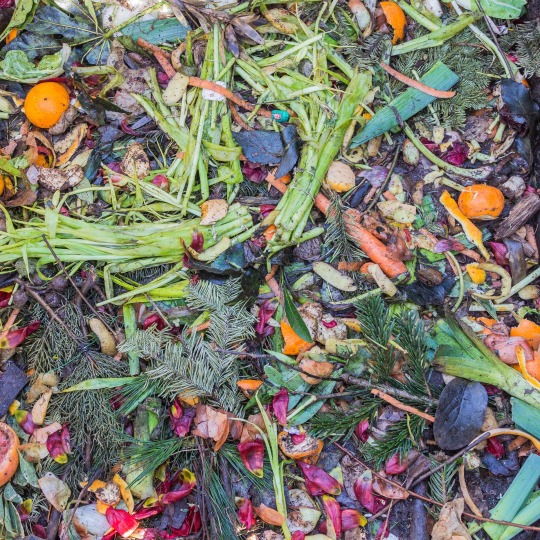
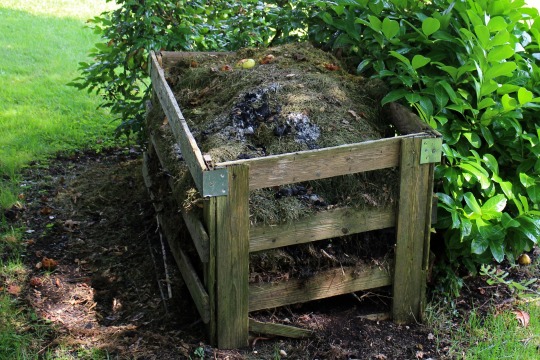
This is an example of a household compost pile, a great way to reduce food waste.

Composting DOs:

  • DO layer dry and wet material. Dry materials are twigs, hay, dry leaves, and wood ashes. Wet materials are food scraps and tea bags.
  • DO cover the pile with plastic sheeting or wood to prevent water damage and trap heat to catalyze break down of the material.
  • DO turn the pile every couple of weeks to continue decay.

Composting DON’Ts:

  • DON’T add any animal products like dairy and meat products, oils, pet wastes, or chemically treated yard scraps
  • DON’T expect results overnight. Composting is, after all, a natural process that requires patience and attention.

To see the process for yourself, see this video of what will happen once you’ve begun your compost. After some time, the compost can be used as fertilizer for any plant you have in or around your home.


This year, we are sharing simple tips and tricks for greener living in tandem with our exhibition We Are Nature: Living in the Anthropocene, which explores the interconnected relationship between humans and our environment. A first of its kind in North America, the exhibition utilizes interactive exhibits, innovative gallery design, and specimens from our hidden collection in an unflinching exploration of the Anthropocene.

The Anthropocene is the current geological era in which humans are making a profound impact on the geological strata. While the term itself is still being debated by geologists, the museum is embracing it as a social and cultural tool for exploring the broad sum effect humans are having on the planet.

Filed Under: Blog Tagged With: Anthropocene, We Are Nature: Living in the Anthropocene

November 3, 2017 by wpengine

Sasquatch Squash

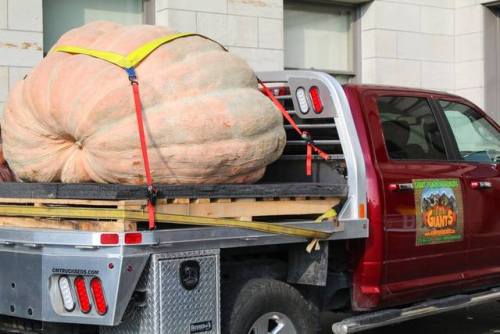
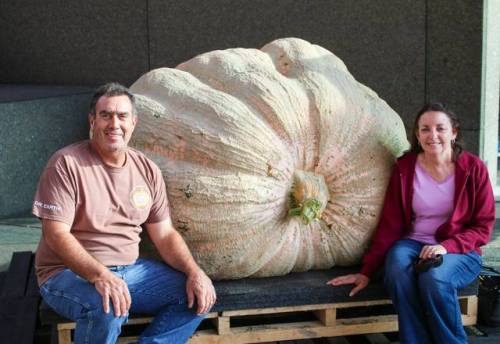
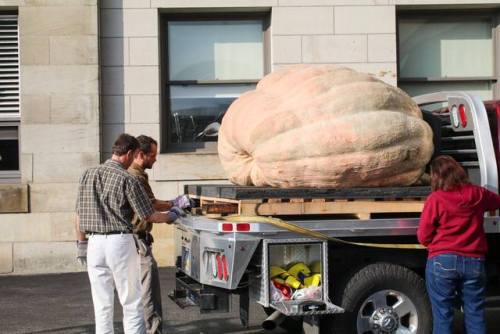
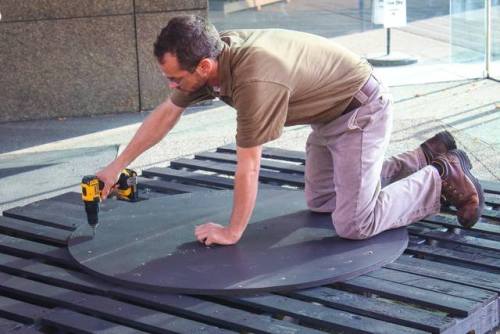
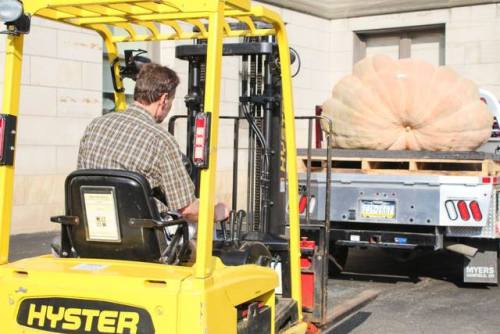
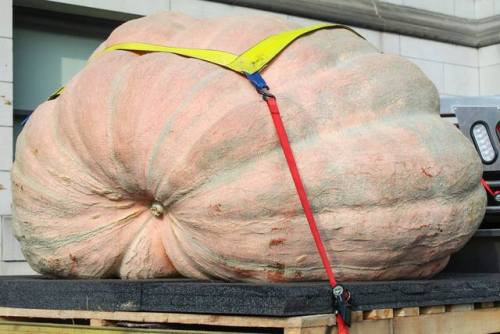
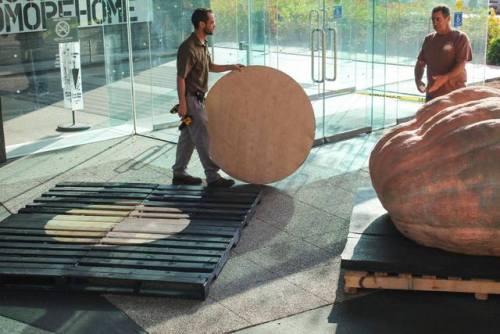
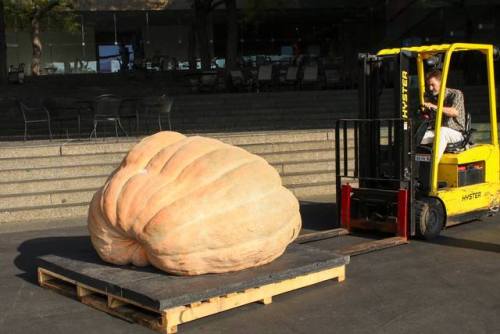
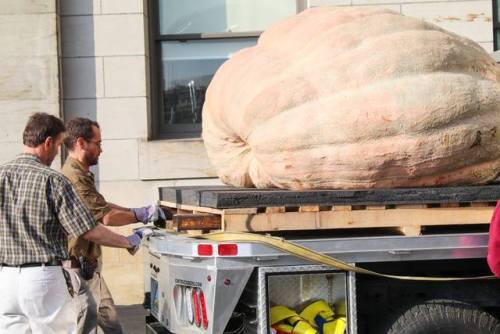
On Sunday, October 15, gallery technicians installed a giant squash in the museum’s Sculpture Courtyard. Dave and Carol Stelts grew the pumpkin that is nearly 2,000 pounds. This installation is in conjunction with the new exhibit We Are Nature: Living in the Anthropocene which opened on October 28.

On Sunday, October 15, gallery technicians installed a giant squash in the museum’s Sculpture Courtyard. Dave and Carol Stelts grew the pumpkin that is nearly 2,000 pounds. This installation is in conjunction with the new exhibit We Are Nature: Living in the Anthropocene which opened on October 28.

On Sunday, October 15, gallery technicians installed a giant squash in the museum’s Sculpture Courtyard. Dave and Carol Stelts grew the pumpkin that is nearly 2,000 pounds. This installation is in conjunction with the new exhibit We Are Nature: Living in the Anthropocene which opened on October 28.

On Sunday, October 15, gallery technicians installed a giant squash in the museum’s Sculpture Courtyard. Dave and Carol Stelts grew the pumpkin that is nearly 2,000 pounds. This installation is in conjunction with the new exhibit We Are Nature: Living in the Anthropocene which opened on October 28.

On Sunday, October 15, gallery technicians installed a giant squash in the museum’s Sculpture Courtyard. Dave and Carol Stelts grew the pumpkin that is nearly 2,000 pounds. This installation is in conjunction with the new exhibit We Are Nature: Living in the Anthropocene which opened on October 28.

On Sunday, October 15, gallery technicians installed a giant squash in the museum’s Sculpture Courtyard. Dave and Carol Stelts grew the pumpkin that is nearly 2,000 pounds. This installation is in conjunction with the new exhibit We Are Nature: Living in the Anthropocene which opened on October 28.

On Sunday, October 15, gallery technicians installed a giant squash in the museum’s Sculpture Courtyard. Dave and Carol Stelts grew the pumpkin that is nearly 2,000 pounds. This installation is in conjunction with the new exhibit We Are Nature: Living in the Anthropocene which opened on October 28.

On Sunday, October 15, gallery technicians installed a giant squash in the museum’s Sculpture Courtyard. Dave and Carol Stelts grew the pumpkin that is nearly 2,000 pounds. This installation is in conjunction with the new exhibit We Are Nature: Living in the Anthropocene which opened on October 28.

On Sunday, October 15, gallery technicians installed a giant squash in the museum’s Sculpture Courtyard. Dave and Carol Stelts grew the pumpkin that is nearly 2,000 pounds. This installation is in conjunction with the new exhibit We Are Nature: Living in the Anthropocene which opened on October 28.

Filed Under: Blog Tagged With: Anthropocene, We Are Nature: Living in the Anthropocene

  • « Go to Previous Page
  • Page 1
  • Interim pages omitted …
  • Page 5
  • Page 6
  • Page 7

sidebar

About

  • Mission & Commitments
  • Directors Team
  • Museum History

Get Involved

  • Volunteer
  • Membership
  • Carnegie Discoverers
  • Donate
  • Employment
  • Events

Bring a Group

  • Groups of 10 or More
  • Birthday Parties at the Museum
  • Field Trips

Powdermill

  • Powdermill Nature Reserve
  • Powdermill Field Trips
  • Powdermill Staff
  • Research at Powdermill

More Information

  • Image Permission Requests
  • Science Stories
  • Accessibility
  • Shopping Cart
  • Contact
  • Visitor Policies
One of the Four Carnegie Museums | © Carnegie Institute | Privacy Policy | Terms of Use | Accessibility
Rad works here logo