• Skip to primary navigation
  • Skip to main content
  • Skip to primary sidebar

Carnegie Museum of Natural History

One of the Four Carnegie Museums of Pittsburgh

  • Visit
    • Buy Tickets
    • Visitor Information
    • Exhibitions
    • Events
    • Dining at the Museum
    • Celebrate at the Museum
    • Powdermill Nature Reserve
    • Event Venue Rental
  • Learn
    • Field Trips
    • Educator Information
    • Programs at the Museum
    • Bring the Museum to You
    • Guided Programs FAQ
    • Programs Online
    • Climate and Rural Systems Partnership
  • Research
    • Scientific Sections
    • Science Stories
    • Science Videos
    • Senior Science & Research Staff
    • Museum Library
    • Science Seminars
    • Scientific Publications
    • Specimen and Artifact Identification
  • About
    • Mission & Commitments
    • Directors Team
    • Museum History
  • Tickets
  • Give
  • Shop

We Are Nature

December 4, 2017 by wpengine

We Are Nature: Rethink Recycling

colorful recycling bins lined up on a fence

It is not easy being green, but Allegheny County is here to help.

We generally think of recyclables as plastic, glass, and paper that we put out on our curb each week, but did you know that more high-tech items like batteries and electronics can be recycled too?

Odds are, you are probably reading this from something recyclable. Almost everything you own can be recycled, but not everything can just be thrown into bins because they contain potentially harmful materials. When hard to recycle items are taken care of by a professional, the chemicals, metals, and plastics can be reused to make new products and prevent toxicity in landfills and other greenhouse gas emissions.

The Allegheny County Health Department understands the importance of recycling to the future of Pittsburgh and has compiled a handy Recycling Resource Directory of professionals that can help you recycle almost any material that you can find here.

Check out the county’s resources and rethink recycling to make your lifestyle just a little greener.


This year, we are sharing simple tips and tricks for greener living in tandem with our exhibition We Are Nature: Living in the Anthropocene, which explores the interconnected relationship between humans and our environment. A first of its kind in North America, the exhibition utilizes interactive exhibits, innovative gallery design, and specimens from our hidden collection in an unflinching exploration of the Anthropocene.

The Anthropocene is the current geological era in which humans are making a profound impact on the geological strata. While the term itself is still being debated by geologists, the museum is embracing it as a social and cultural tool for exploring the broad sum effect humans are having on the planet.
Filed Under: Blog Tagged With: We Are Nature, We Are Nature: Living in the Anthropocene

December 4, 2017 by wpengine

We Are Nature: Basic Bike Repair

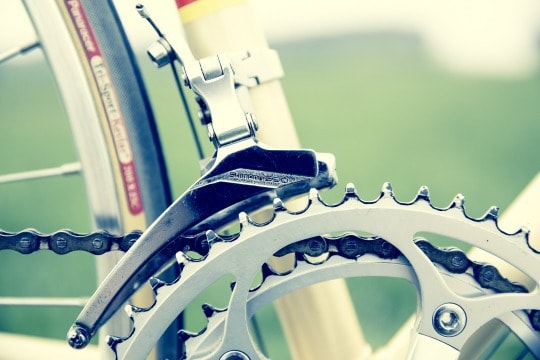
closeup of a bike wheel and gears

Unlike traditional cars, bicycles give off exactly zero greenhouse gasses during use. But how many people actually know how to repair one when something goes wrong? If you are a bike owner or frequent rider, there are some basic problems you should know how to fix.

  • Q: How do I change a tire?
    A: Begin by removing the wheel from the frame. Most bikes have a lever that tightens and loosens to fasten the wheel in place. Deflate the rubber tube and remove from the wheel frame. Put the deflated new tube on the wheel frame, and inflate using a pump, easily found in bike shops and online. Reattach the wheel in the same manner you removed it, and you are set to ride!
  • Q: The chain came off from the gear! How can I fix it?
    A: Place a link in the chain on the front gear and slowly turn the pedal to allow more links to attach to the gear while it turns. Once secure on the front, do the same on the back gear.
  • Q: I want to adjust my seat but it won’t move.
    A: First, make sure the bolt that tightens and loosens around the seat post is in the loose position. If that doesn’t work, find some bike oil or WD-40 (an all purpose outdoor lubricant) and grease down the post. Find your strongest friend, and pull!

Even if you don’t own a bike, it’s good to have basic knowledge. If you want to start riding more often, Pittsburgh has implemented the Healthy Ride bike share system, with over thirty stations, including a station right next to Carnegie Museum of Natural History! Also check out Bike Pittsburgh for more resources.


This year, we are sharing simple tips and tricks for greener living in tandem with our exhibition We Are Nature: Living in the Anthropocene, which explores the interconnected relationship between humans and our environment. A first of its kind in North America, the exhibition utilizes interactive exhibits, innovative gallery design, and specimens from our hidden collection in an unflinching exploration of the Anthropocene.

The Anthropocene is the current geological era in which humans are making a profound impact on the geological strata. While the term itself is still being debated by geologists, the museum is embracing it as a social and cultural tool for exploring the broad sum effect humans are having on the planet.
Filed Under: Blog Tagged With: We Are Nature, We Are Nature: Living in the Anthropocene

October 20, 2017 by wpengine

Sasquatch Squash

On Sunday, October 15 staff installed a giant squash in the...-media-1

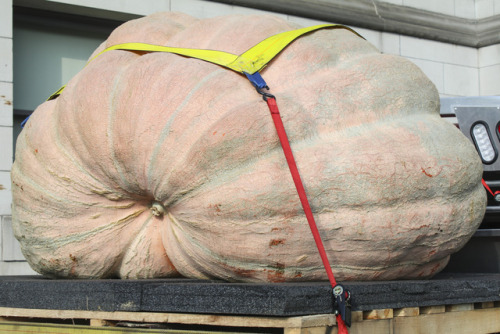
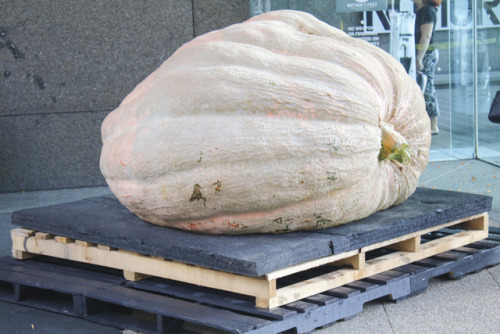
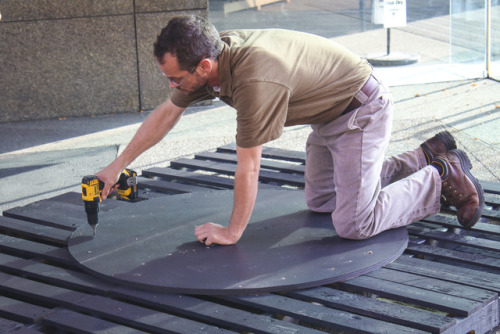
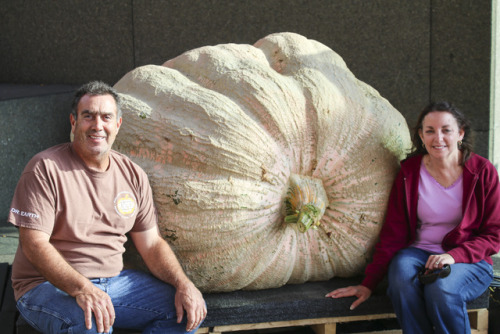
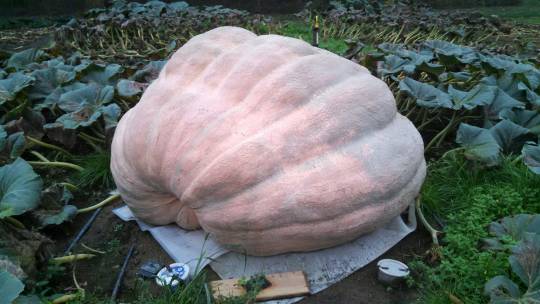
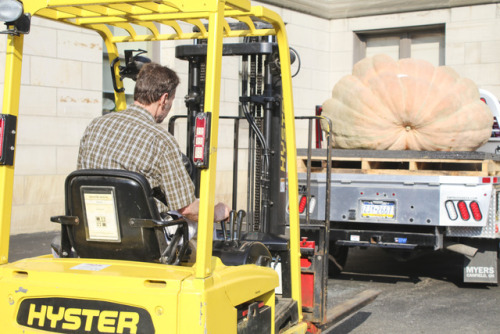
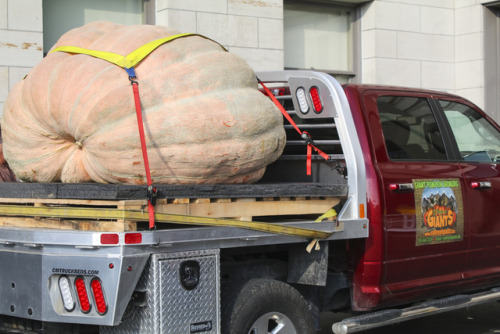
On Sunday, October 15 staff installed a giant squash in the museum’s Sculpture Courtyard. Dave and Carol Stelts grew the pumpkin that is nearly 2,000 pounds. This installation is in conjunction with our new exhibit We Are Nature: Living in the Anthropocene Opening on October 28. 

On Sunday, October 15 staff installed a giant squash in the museum’s Sculpture Courtyard. Dave and Carol Stelts grew the pumpkin that is nearly 2,000 pounds. This installation is in conjunction with our new exhibit We Are Nature: Living in the Anthropocene Opening on October 28. 

On Sunday, October 15 staff installed a giant squash in the museum’s Sculpture Courtyard. Dave and Carol Stelts grew the pumpkin that is nearly 2,000 pounds. This installation is in conjunction with our new exhibit We Are Nature: Living in the Anthropocene Opening on October 28. 

On Sunday, October 15 staff installed a giant squash in the museum’s Sculpture Courtyard. Dave and Carol Stelts grew the pumpkin that is nearly 2,000 pounds. This installation is in conjunction with our new exhibit We Are Nature: Living in the Anthropocene Opening on October 28. 

On Sunday, October 15 staff installed a giant squash in the On Sunday, October 15 staff installed a giant squash in the museum’s Sculpture Courtyard. Dave and Carol Stelts grew the pumpkin that is nearly 2,000 pounds. This installation is in conjunction with our new exhibit We Are Nature: Living in the Anthropocene Opening on October 28. museum’s Sculpture Courtyard. Dave and Carol Stelts grew the pumpkin that is nearly 2,000 pounds. This installation is in conjunction with our new exhibit We Are Nature: Living in the Anthropocene Opening on October 28.

Filed Under: Blog Tagged With: Anthropocene, We Are Nature

October 16, 2017 by wpengine

Welcome to the Anthropocene!

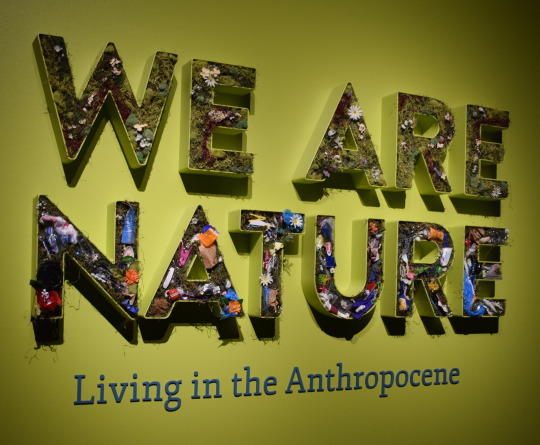
3D letters spelling we are nature in a combination of plants and trash

Welcome to the Anthropocene! You’ve been here all along, but maybe you didn’t know it.

The Anthropocene is the current geological era in which humans are making a profound impact on the geological strata. Geologists are still debating the term, but here at the museum, we are embracing it as a social and cultural tool for exploring the broad sum effect humans are having on the environment.

To put it simply, people are changing the planet. We’ll be exploring the good, the bad, and the ugly truths of the Anthropocene for the next six months with the new exhibition We Are Nature: Living in the Anthropocene, which opens October 28 at the museum.

We hope you’ll join us to examine evidence of the Anthropocene, interact with new digital exhibits, and add your voice to an important and timely conversation that impacts us all.

Filed Under: Blog Tagged With: Anthropocene, We Are Nature

October 13, 2017 by wpengine

Sasquatch Squash

Before the opening of the exhibition, which will feature specimens from the hidden collection, interactives, and more, the museum will have a giant orange delivery to kick off the conversation!  Local growers Dave and Carol Stelts grew a pumpkin that’s nearly 2,000 pounds that will be on display in the museum’s Sculpture Courtyard.

Have you ever seen a pumpkin as big as a small car growing in a nearby field?

Probably not, as pumpkins are naturally pretty modest-sized squashes. However, with a little manipulation and some closed cross pollination, people have figured out how to make pumpkins grow to colossal sizes, making them a great example of how humans can impact and alter nature.

The museum is exploring how people are changing our planet in the new exhibition We Are Nature: Living in the Anthropocene, which opens October 28.

The Anthropocene is the concept that human activity has had such a profound and pervasive impact on the planet that effects will be present in the fossil record millions of years from now.

Before the opening of the exhibition, which will feature specimens from the hidden collection, interactives, and more, the museum will have a giant orange delivery to kick off the conversation!

Local growers Dave and Carol Stelts grew a pumpkin that’s nearly 2,000 pounds that will be on display in the museum’s Sculpture Courtyard.

It takes more than a wave of a wand and the magic words “bippity boppity boo” to get pumpkins to grow this large.

Dave said this particular pumpkin was planted in June and grew 45-50 pounds a day for three consecutive weeks to reach its colossal size! He said it came from a “super seed” created by cross breeding large pumpkins.

The pumpkin will arrive by truck October 15 and will be on display for several months until it begins to rot. Come check it out!


Humanity and the environment are connected in new and complicated ways in the Anthropocene­—the proposed geological era in which we now live. Learn more in Carnegie Museum of Natural History’s new exhibition We Are Nature­: Living in the Anthropocene, opening October 28.

Filed Under: Blog Tagged With: Anthropocene, We Are Nature

  • « Go to Previous Page
  • Page 1
  • Interim pages omitted …
  • Page 6
  • Page 7
  • Page 8

sidebar

About

  • Mission & Commitments
  • Directors Team
  • Museum History

Get Involved

  • Volunteer
  • Membership
  • Carnegie Discoverers
  • Donate
  • Employment
  • Events

Bring a Group

  • Groups of 10 or More
  • Birthday Parties at the Museum
  • Field Trips

Powdermill

  • Powdermill Nature Reserve
  • Powdermill Field Trips
  • Powdermill Staff
  • Research at Powdermill

More Information

  • Image Permission Requests
  • Science Stories
  • Accessibility
  • Shopping Cart
  • Contact
  • Visitor Policies
One of the Four Carnegie Museums | © Carnegie Institute | Privacy Policy | Terms of Use | Accessibility
Rad works here logo