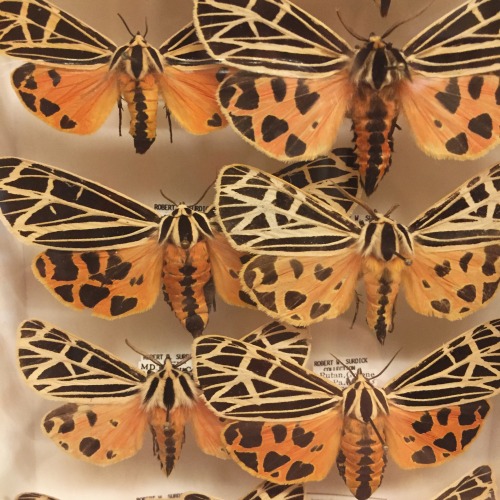
Specimens from the invertebrate zoology collection at Carnegie Museum of Natural History
Carnegie Museum of Natural History
One of the Four Carnegie Museums of Pittsburgh
Specimens from the invertebrate zoology collection at Carnegie Museum of Natural History
by Patrick McShea
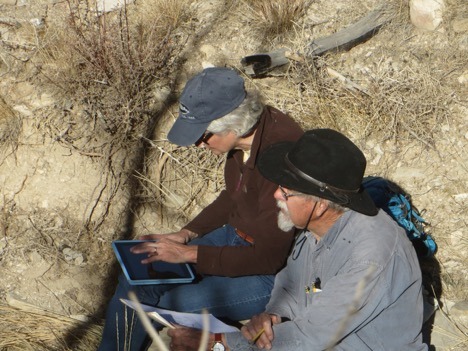
The frog fossil expedition workforce doubled briefly with the arrival of a two-person team affiliated with Sierra College in Rocklin, California. Earth Science professor Richard Hilton and field assistant Tina Campbell drove east from the Sacramento area, crossing the Sierra Nevada and a large portion of the Great Basin to meet us for two days of field work. They then proceeded to another fossil locality in the region to retrieve material discovered during earlier summer field work.
The Sheep Pass Formation within the South Egan Wilderness was familiar territory for both. In 2012 and 2013 they participated in larger expeditions to the area that involved not just Carnegie Museum of Natural History and Sierra College, but also the University of Nevada at Las Vegas.
Because Hilton is chairmen of Sierra College’s natural history museum, our fireside conversations included the potential for using blog posts to broaden the audience for information about paleontological field work. Through the combination of his generosity, two-burner stove, and culinary skills, camp meals also improved.
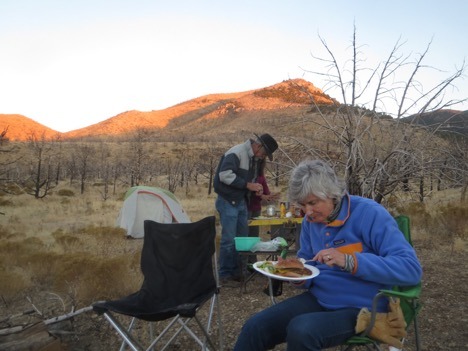
Patrick McShea is a museum educator who is traveling through Nevada with Vertebrate Paleontology Collections Manager Amy Henrici to search for frog fossils. He frequently blogs about his experiences.
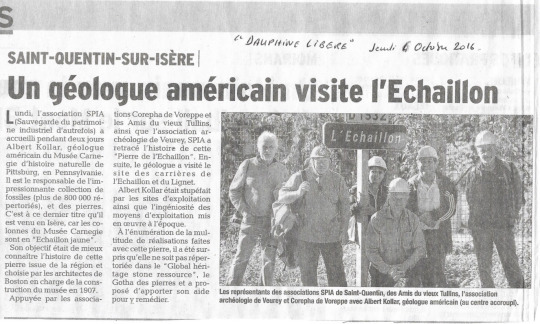
Last month, Carnegie Museum of Natural History Geologist Albert Kollar was traveling in France on a research trip, where a local newspaper wrote about his work. Read the translation below.
In the picture, Kollar is photographed with representatives of the SPIA associations of Saint-Quentin, the Friends of the old Tullins, the Archaeological Association of Veurey and Corepha de Vorepp. Kollar is in the middle, crouching.
An American geologist visits the Echaillon
Saint-Quentin-sur-IsèreOn Monday, the association SPIA (protection of the past
industrial patrimony) welcomed for two days Albert Kollar, an American
geologist from the Carnegie Museum of Natural History in Pittsburgh, Pennsylvania.
He is the person responsible of the impressive fossil collection (more than
800.000 registered) and the stones. It is in this regard that he came in Isère,
because the columns of the Carnegie Museum are made of “yellow Echaillon”.His objective was to know better the story of this stone
stemming from the region and chosen by the architects of Boston in charge of
the construction of the Museum in 1907.Supported by the associations “Corepha de Voreppe” and “The
Friends of the old Tullins”, and by the Archaeological Association of Veurey,
SPIA reconstituted the story of this “stone of Echaillon”. Then, the American
geologist visited the stone quarries of the Echaillon and the Lignet.Albert Kollar was amazed by the production sites and by the
ingenuity of the techniques used by the past.Despite the multitude of constructions made with this stone,
he was surprised that it was never recorded in the “Global heritage stone resource”,
the Gotha of stones and proposed to provide assistance to remedy it.

JUST ANNOUNCED! Carnegie Nexus, a new interdisciplinary event series, kicks off this January with “Strange Times: Earth in the Age of the Human”
Who better than Carnegie Museums to launch an art-science event series on ideas that matter?
The new Carnegie Nexus event series launches January 2017 with 12 eclectic events—four live performances, five conversations, three films—over four months.
Writers, performers, visual artists, and scientists will lead us in exploring what it means for humans to be the single greatest force shaping the planet’s future. Will we survive ourselves?
Learn more about the Strange Times series, register for free events, and purchase tickets!
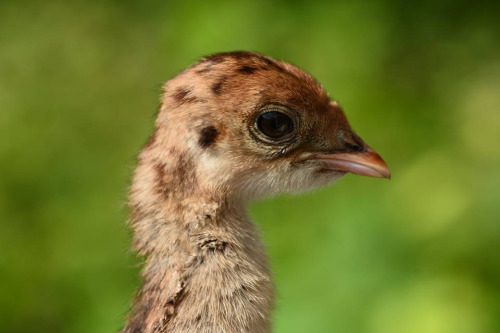
Happy Thanksgiving from Carnegie Museum of Natural History! This cute little turkey poult was photographed at our environmental research center Powdermill Nature Reserve.
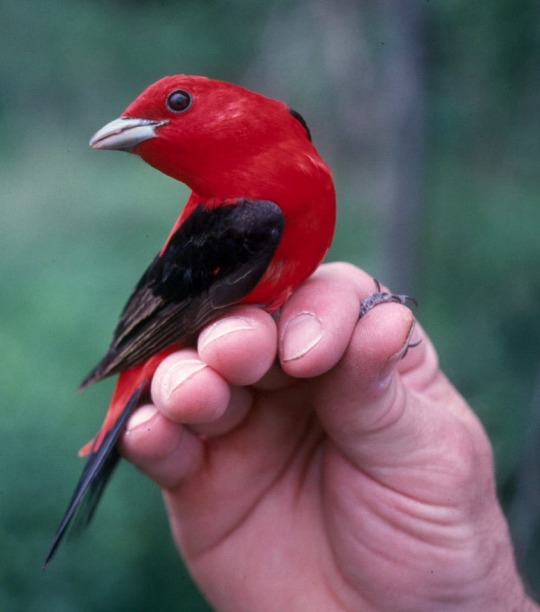
How are songbirds in western Pennsylvania adapting to climate change?
Fairly well according to Carnegie Museum of Natural History researchers Molly McDermott and Luke DeGroote, who observed adaptations in a recent paper titled “Global Change Biology.” Their work was covered in Anthropocene Magazine and referenced on NPR’s Science Friday this month.
Using 53 years’ worth of data collected at Powdermill Nature Reserve, Carnegie Museum of Natural History’s environmental research center in Rector Pa., DeGroote and McDermott observed that several species of songbirds have adapted their breeding cycles to warmer weather and earlier springs.
“I think of it as a very hopeful note. We can think of it as mother nature’s resilience, giving us a chance to be doing everything else we could be doing to help birds,” freelance writer Brandon Keim said on Science Friday about his Anthropocene Magazine article on McDermott and DeGroote’s paper.
However, DeGroote says that despite the note of optimism, there’s also an underlying word of caution.
“Because there is a disconnect between plant phenology and migratory timing, there may come a time when birds are no longer able to continue to ‘catch up’ after arrival by breeding earlier,” DeGroote said.
You can read the Anthropocene article or listen to Science Friday, where the segment featuring the research is about three minutes into the full episode at (89:21 to -86:53).
