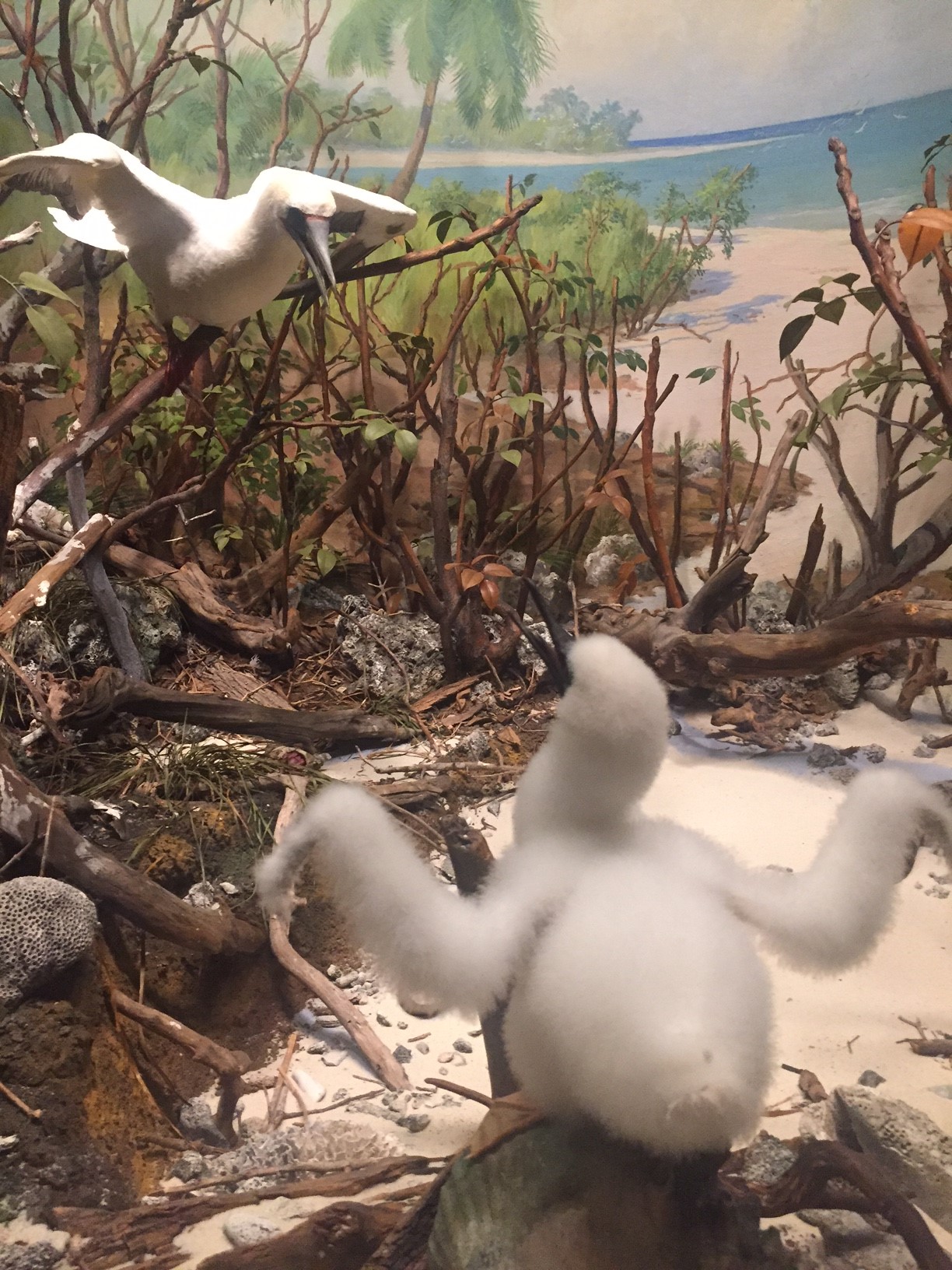
Red-footed booby specimens on display in Art of the Diorama, an exhibition at Carnegie Museum of Natural History that explores the evolution of natural dioramas.
Carnegie Museum of Natural History
One of the Four Carnegie Museums of Pittsburgh
Red-footed booby specimens on display in Art of the Diorama, an exhibition at Carnegie Museum of Natural History that explores the evolution of natural dioramas.
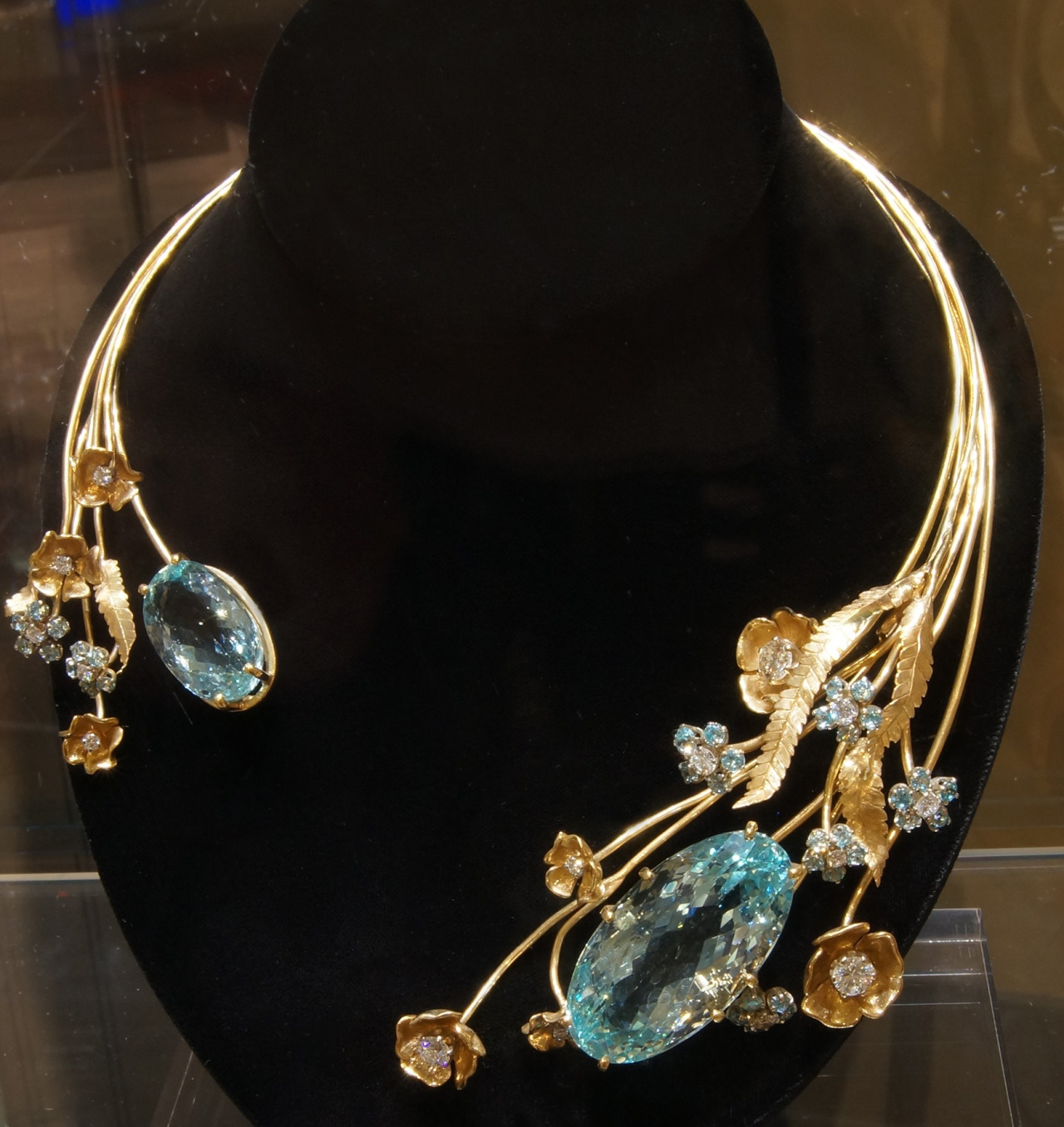
This piece on display in Hillman Hall of Minerals and Gems is called “The Garden Necklace.” It features several diamonds and 35 blue zircons. The large aquamarine gemstone is 83.5 carats and the smaller one is 29.23 carats. The necklace was donated to Carnegie Museum of Natural History in 1979 by Betty Llewellyn.
(Photo by Deb Wilson)
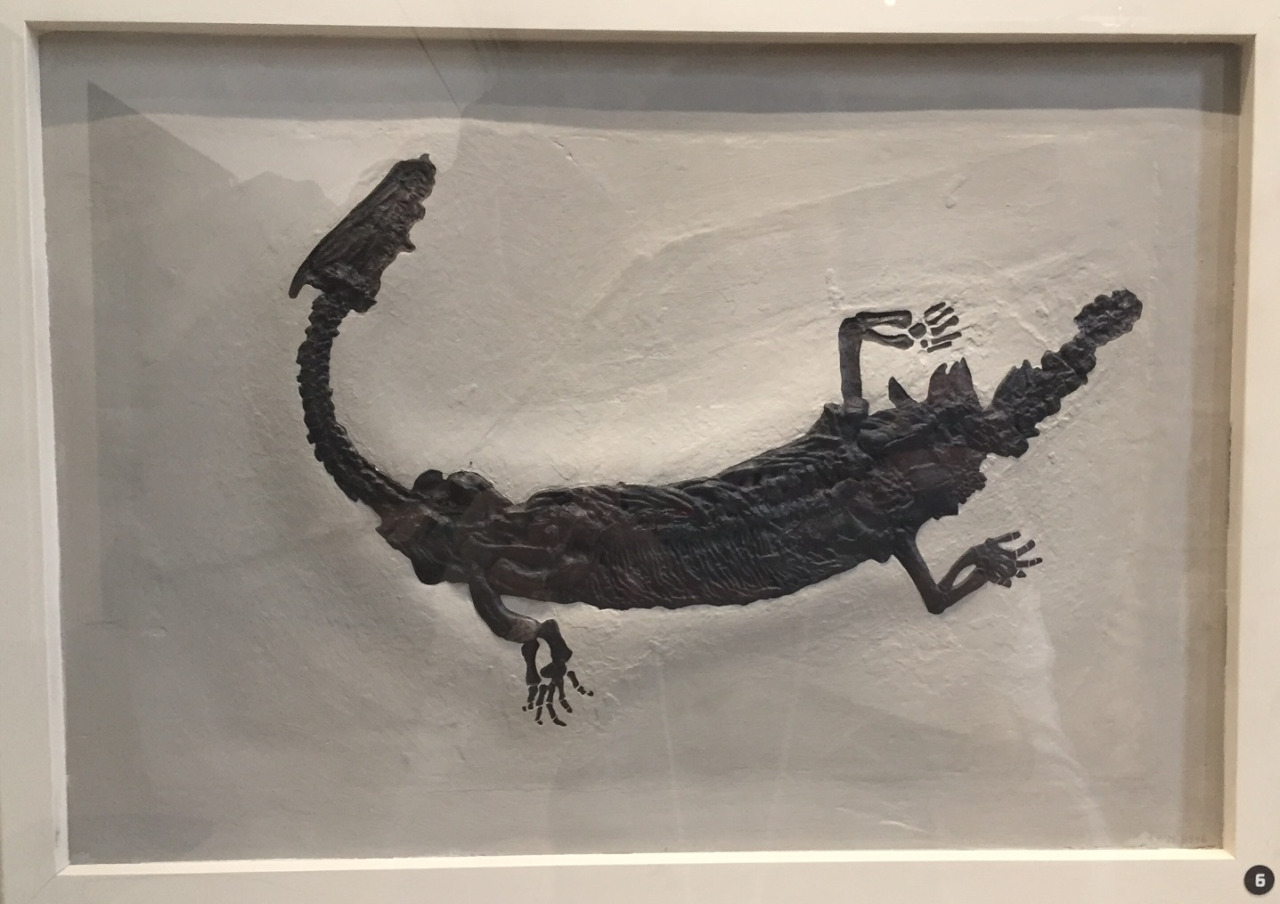
This Lariosaurus was a Middle Triassic nothosaur that could grow up to 10 feet long!

Dippy is rocking rainbow to celebrate President Obama issuing the 2016 LGBT Pride Month
Proclamation!
 by José Padial
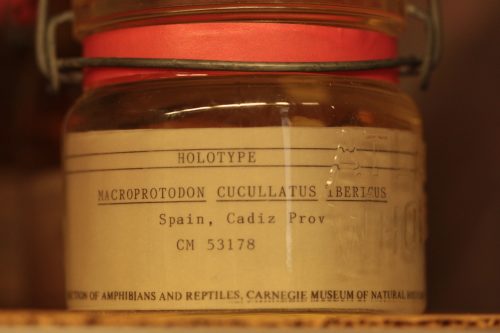
This jar contains the holotype of Macroprotodon cucullatus iberius, a subspecies of false smooth snake, in the herpetology collection of Carnegie Museum of Natural History.
The holotype is the name-bearer of a species and every species recognized by scientists is associated to an holotype.
The specimen was collected in Cadiz Province, Spain by American herpetologist Stephen Busack. Because of his knowledge of
Spanish, Stephen Busack was deployed in Rota Naval Base during the Vietnam War, and he used his spare time to research the area’s poorly known local fauna of amphibians and reptiles.
His research revealed new species, and the precise locality data he collected is now key to demonstrate the radical transformation that the environment of the area has experienced during the last 40 years.
Many of the populations studied by Busack are now gone. Populations from Cadiz Province are now considered to belong to the species Macroprotodon brevis and it is the smaller and rarest snake of the Iberian Peninsula. It feeds on lizards, baby snakes, blind snakes, and even individuals of its own species!
José Padial is the William and Ingrid Rea Assistant Curator of Herpetology at Carnegie Museum of Natural History. He most recently traveled to the remote Vilcabamba mountains of Peru in the pursuit of biodiversity research. Read more at www.tumblr.com/blog/expeditions-carnegiemnh.
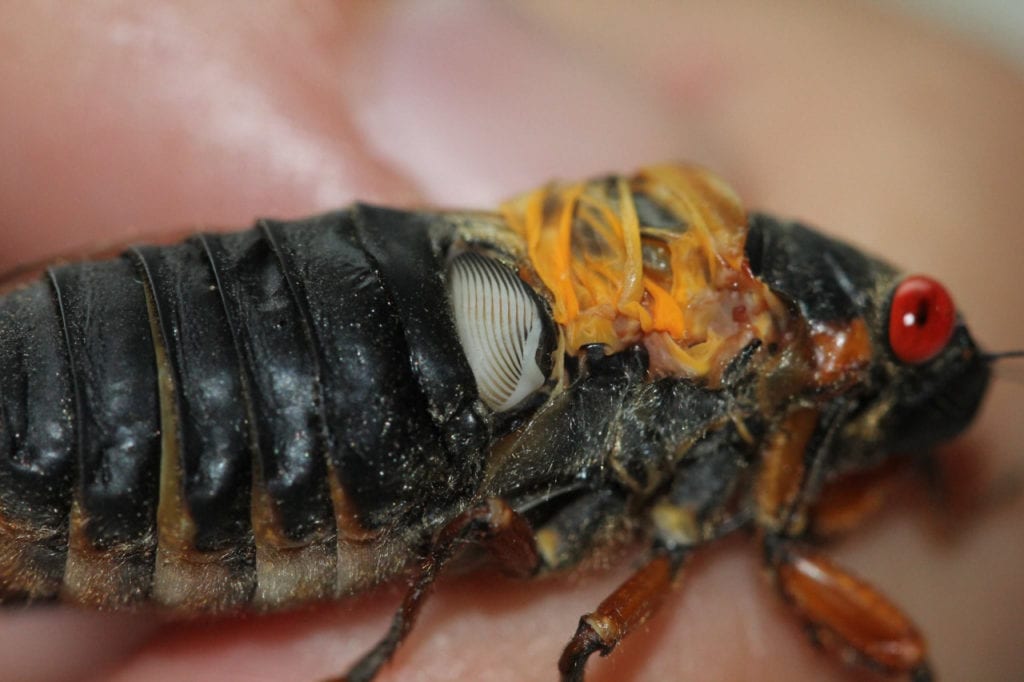
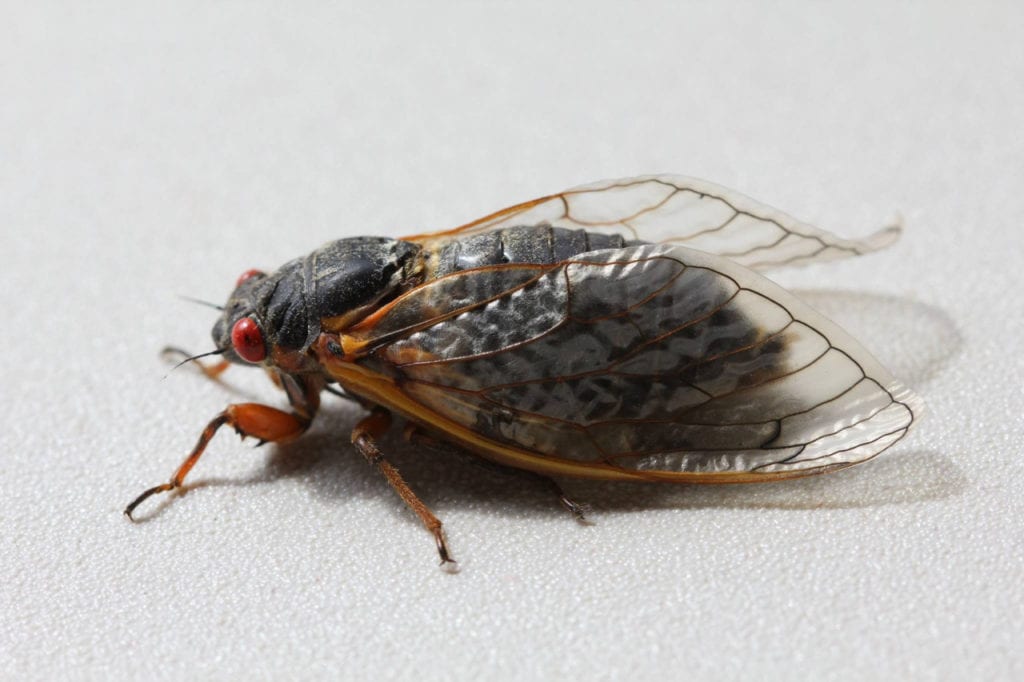
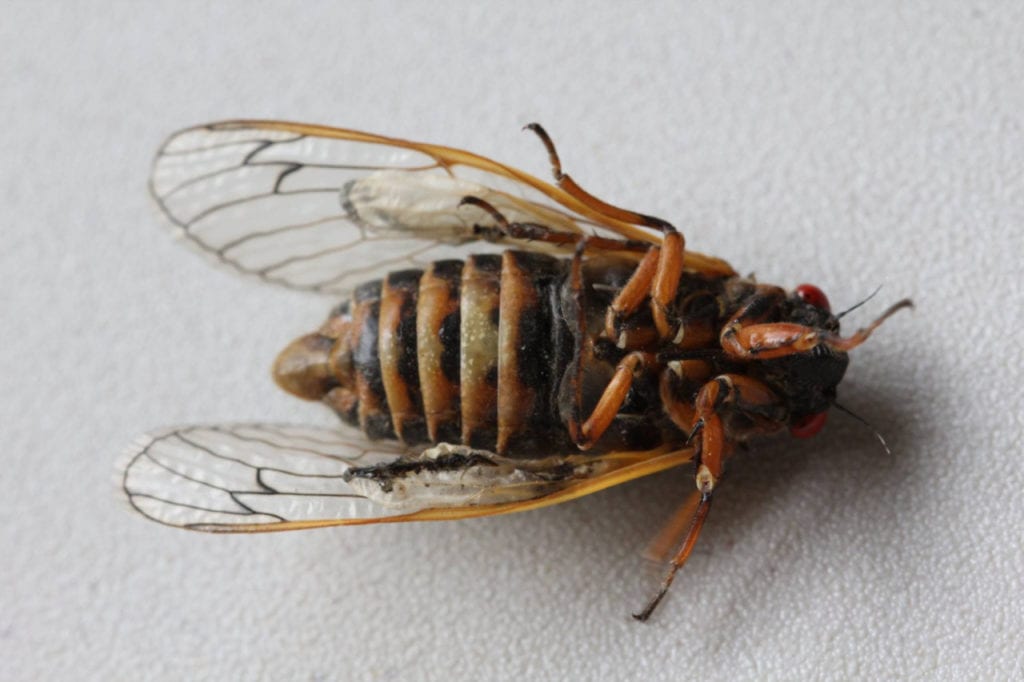
The cicadas are here! Staff at Powdermill Nature Reserve, Carnegie Museum of Natural History’s environmental research center, posted these up-close photos of this 17-year cicada and some more information about it last week.
“This specimen in particular is Magicicada septendecim, indicated by the broad orange stripes on the underside of the abdomen. It is also a male, because of the tymbals located near the base of the wings on each side. These organs are what the males use to make a loud buzzing sound to attract females. When many males sing together, it can be quite deafening!
This cicada has spent seventeen long years underground as a wingless nymph, feeding off of the juices from plant roots. In the year of its emergence, it waits until the soil temperature in its underground tunnel reaches 64 degrees, and then climbs up out of the ground (often onto a tree trunk or other surface) for its final molt into adulthood.”
Have the cicadas come to your neighborhood? Report your sightings at Magicicada.org, where you can also find much more additional information about periodical cicadas!
