Fill out my online form.
BOOK A SCIENCE ADVENTURE CLASS
Fill out my online form.
Book Virtual Field Trips & Activities
Book Virtual Field Trips & Activities
Fill out my online form.
Scholarship / Funding Information
Carnegie Museums of Art and Natural History offer limited scholarship funding each year for K–12 schools and groups who demonstrate financial need. If you are interested in applying for scholarship assistance, please review the guidelines below.
How do I know if I qualify?
Funding is based on financial need. Decisions about disbursements are made based on the table below.
| Indicator of Financial Need | % Scholarship to Allocate |
| 40% students eligible for Free & Reduced Lunch | Up to 100% Scholarship |
| 20-40% students eligible for Free & Reduced Lunch | Up to 50% Scholarship |
| <20% students eligible for Free & Reduced Lunch | Not Eligible for Scholarship Funds |
What does the funding cover?
Depending upon available funding sources, grants may cover partial or full program fees. Funding is contingent upon participation by your group in a museum educational program. Funding is not available for student lunches or transportation.
In order to extend funds to as many students as we can, we may offer partial funding based on your school or groups needs and our program costs. We receive many requests and try to match every request with appropriate funding whenever possible, but group scholarship funds are limited.
How do I know if I received funding?
When we have received your application and visit request, we will check them against our group calendar and current funding opportunities, and email you with your visit dates and funding amounts.
Educator Resources
Blogs for Educators from the Museum

Botanists Gone Wild! Perspectives from the Record-Breaking Finish for City Nature Challenge 2024
by Jessica Romano Every spring people all over the world join in the City Nature Challenge, a global effort to safely document and identify nature …Read More »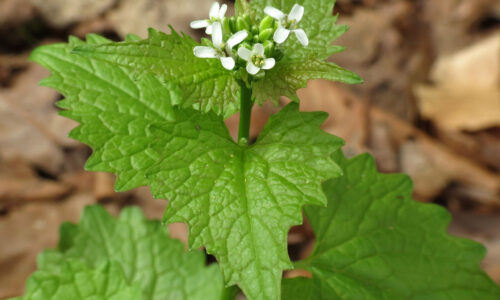
City Nature Challenge: Noticing Invasive Plants
by Rachel Reeb and Jessica Romano This spring, thousands of people will join the City Nature Challenge, a global effort to document biodiversity safely and …Read More »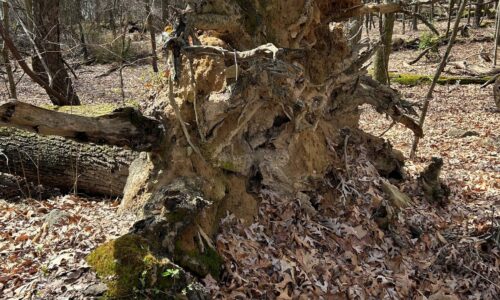
Snags, Logs, and the Importance of a Fallen Tree
by Jessica Romano As the seasons change from winter to spring here in western Pennsylvania, a common sight on a recent walk included fallen and …Read More »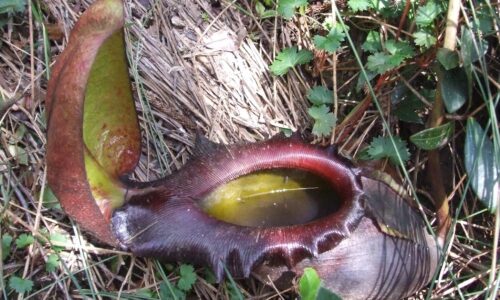
Scientific Names Matter in March Mammal Madness
by Erin Southerland March Mammal Madness (MMM) bracket advice: look up the scientific names of species on the MMM website before you make your predictions. …Read More »
Happy Retirement, Pat McShea!
If you’ve read our blog before today, you have almost certainly encountered the work of Museum Educator Pat McShea. Pat has written more than 125 …Read More »
A Three Rivers Waterkeeper Biocube
As frontline defenders for water protection in Pittsburgh and Southwestern Pennsylvania, staff of Three Rivers Waterkeeper patrol and monitor for pollution in our waterways by using high …Read More »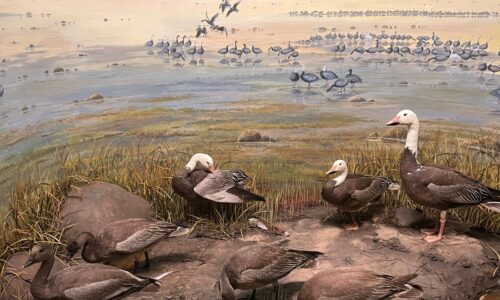
Birds in “Twelve Days of Christmas”: a Museum Search
by Patrick McShea The Twelve Days of Christmas When a traditional song about Christmas gifts reaches young ears, the centuries-old lyrics naturally prompt questions. If …Read More »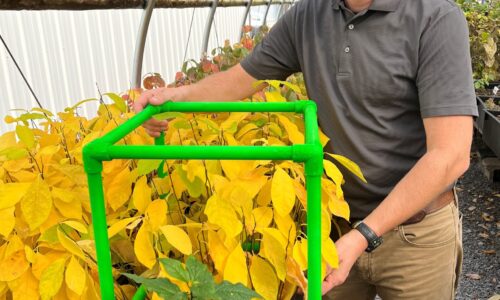
A Tree Pittsburgh Biocube
by Patrick McShea On a late October afternoon, Joe Stavish, Director of Education for Tree Pittsburgh, uses a biocube in one of the organization’s greenhouses …Read More »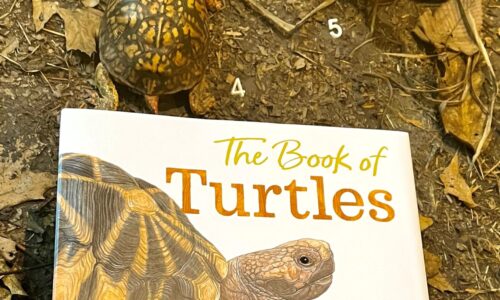
Turtle-Centered Learning
by Patrick McShea This fall, for elementary students in the Meadville area, visits to the school library became opportunities to learn more about turtles. Beth …Read More »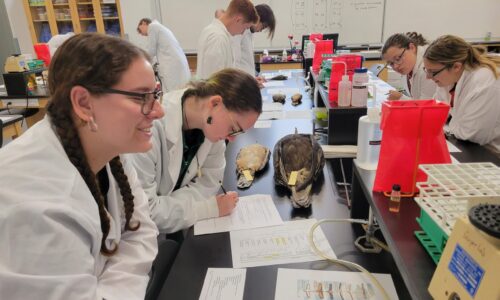
Museum Connections to a College Lab
by Patrick McShea During a recent Vertebrate Diversity Lab at Duquesne University, Dr. Brady Porter’s students closely examined preserved wildlife material on five rows of …Read More »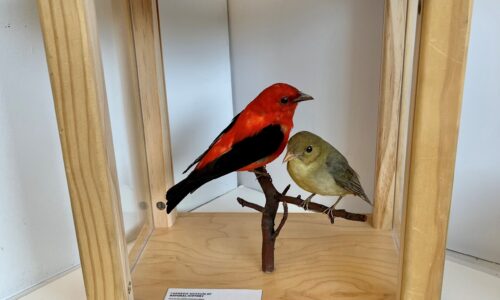
Hispanic Heritage Month Scavenger Hunt: Three Birds and a Butterfly
by Patrick McShea Hispanic Heritage Month creates an opportunity to consider how we share some forms of winged wildlife with Spanish-speaking regions far to our …Read More »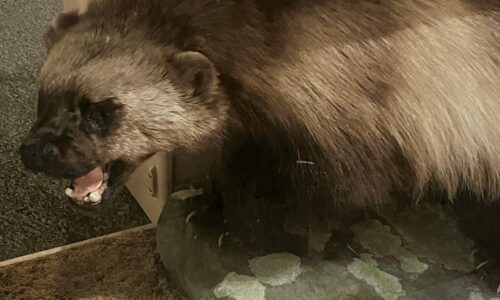
March Mammal Madness 2023: Learn and Win
by Patrick McShea What chance does a giant water bug have in a battle with a wolverine? During the next few days participants in the …Read More »
Echoes of Freedom in an Owl’s Call
by Pat McShea “Is that owl real?” Students who approached the museum activity station at a “Dream STEAM” event on Martin Luther King Jr. Day …Read More »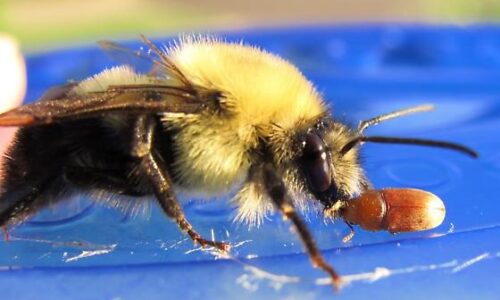
Beyond the Simple Ecosystem Graphic: Teaching About Biodiversity and Pollination
by Pat McShea You probably remember some version of this graphic: simple line drawings linked by arrows to chart energy flow through an ecosystem featuring …Read More »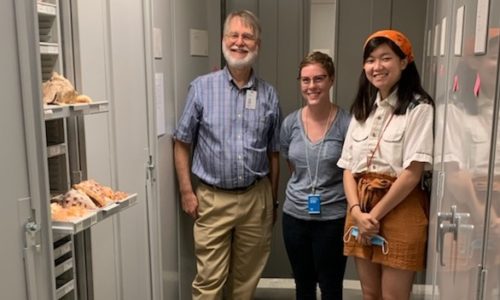
An Intern’s Point of View
by Jia Tucker A week before accepting a summer internship with Carnegie Museum of Natural History, I found myself standing on Forbes Avenue in front …Read More »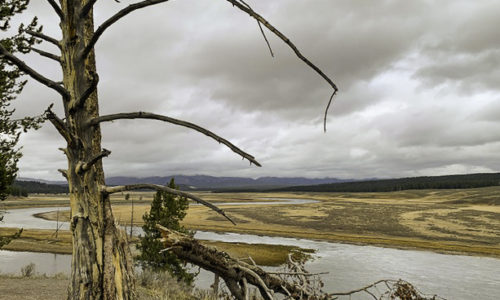
Finding Answers: From Museum to Mountains and Back Again
by Patty Dineen The beautiful wildlife dioramas on the second floor of Carnegie Museum of Natural History have been fascinating visitors for decades. Within the …Read More »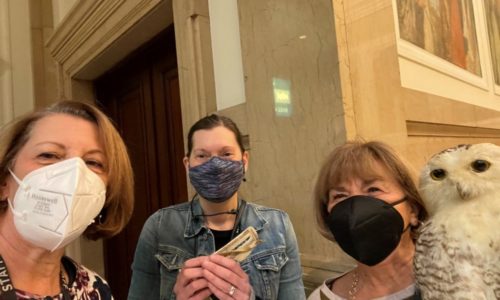
Wonderment Returns
by Joann Wilson “What if one of us discovers the missing boat?” The full-voiced question arose from a group of fourth-grade students eagerly pointing to …Read More »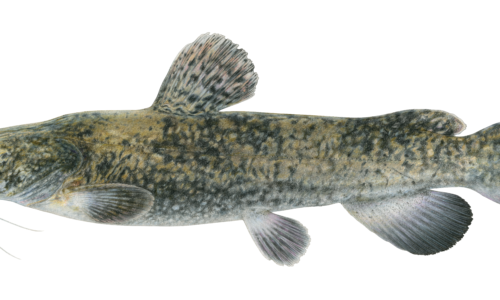
The Art of Making Fish Familiar
by Patrick McShea Fish in the wild are difficult to observe, even for the scientists who study them. Monster Fish: In Search of the Last River Giants, …Read More »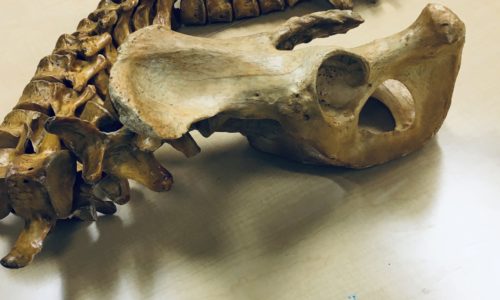
Learning From Misinterpretations
by Patrick McShea Every job has its awkward moments, even work aiding museum visitors in their interpretation of exhibits. One memorable situation in that realm …Read More »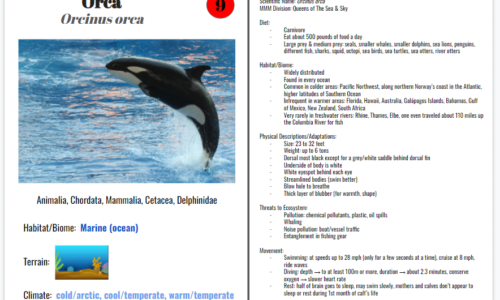
March Mammal Madness and Middle School Science Class
by Patrick McShea At one suburban Pittsburgh school, the tournament bracket sheets currently generating discussions have nothing to do with basketball. Since 2013, science teacher …Read More »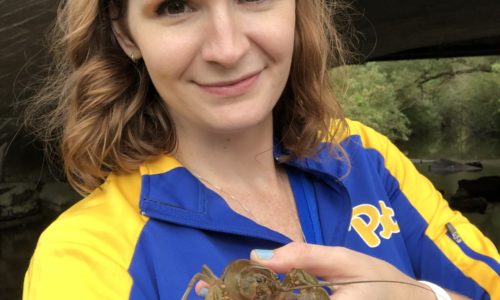
Pitt Outreach Efforts Enriched with Museum Materials
by Patrick McShea At the University of Pittsburgh’s Community Engagement Centers in the Hill District and Homewood, the field of natural history has been well …Read More »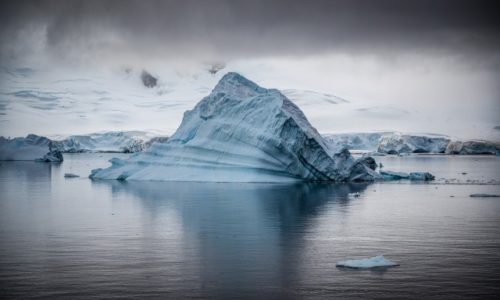
Survival of the Fishiest: Astonishing Adaptations of the Aquatic World
by Shelby Wyzykowski For Charles Darwin, all sorts of species—from birds and large land animals to flowers and tiny invertebrates—captured his interest and encouraged him …Read More »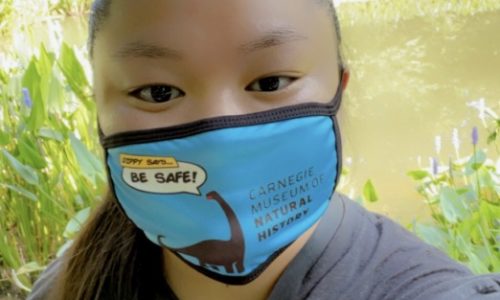
Rising through the Educator Ranks
by Patrick McShea Every morning, as young participants in the museum’s summer camp and the adults accompanying them approach an outdoor sign-in table, Olivia McNulty …Read More »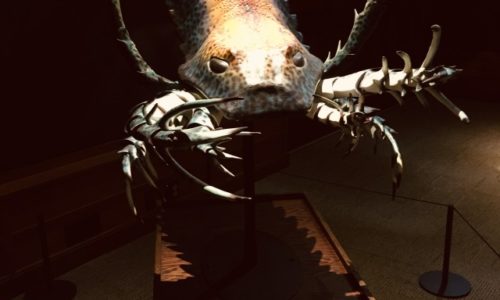
Interpreting Museum Exhibits Virtually
by Patrick McShea Natural History Interpreters are a corps of educators charged with presenting the museum’s exhibits to audiences in a way that encourages the …Read More »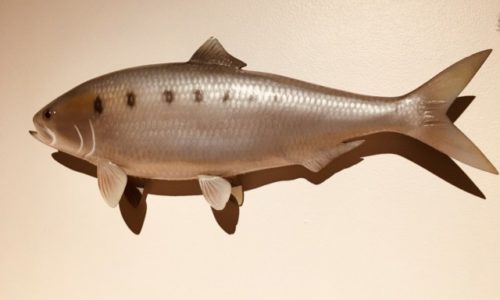
Fish and the Fourth of July?
by Patrick McShea During the cold early months of 1778, did the outcome of the American colonies’ armed struggle for independence hinge upon a spawning …Read More »
Expanding the Scope of Environmental Education
by Patrick McShea Seven years after he graduated from Allegheny College with a degree in Environmental Studies, Will Tolliver Jr. accepted responsibility for teaching some …Read More »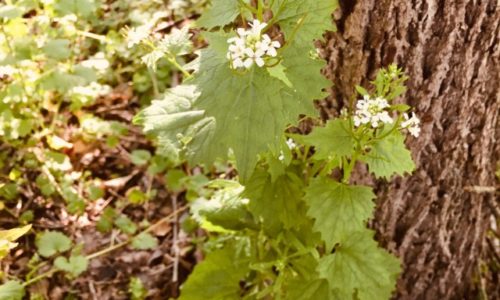
Reading Results: CNC Final Phase
by Patrick McShea Whether you participated in the recent City Nature Challenge (CNC) or not, the results of the Pittsburgh Region’s broadest annual citizen science …Read More »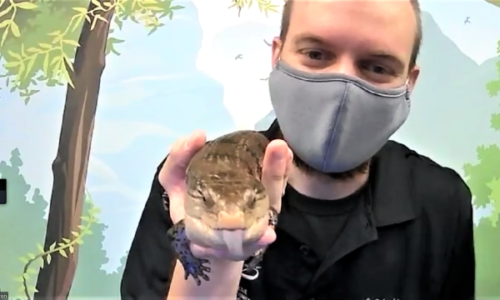
Stage and Screen Sharing
by Patrick McShea Social Skills Instructor Stacy Smith wanted to convey just how challenging last year’s abrupt shift to remote instruction during the COVID-19 pandemic …Read More »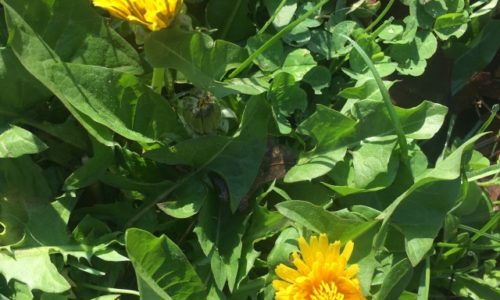
Go For a Color Walk
by Jenise Brown City Nature Challenge (April 29-May 2, 2022) is coming soon! Going for a “color walk” is one fun and easy way to …Read More »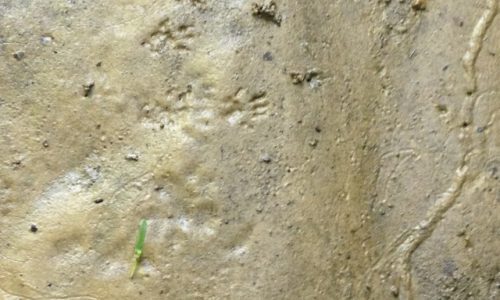
Evidence Counts for Absent Creatures – City Nature Challenge
by Patrick McShea Participation in the upcoming City Nature Challenge (April 30 – May 3) can range from using your phone’s camera to document a …Read More »
Signs of Climate Change in Migratory Songbirds of Pennsylvania
Designed by the Climate and Rural Systems Partnership with support from the National Science Foundation (grant no. 1906774).
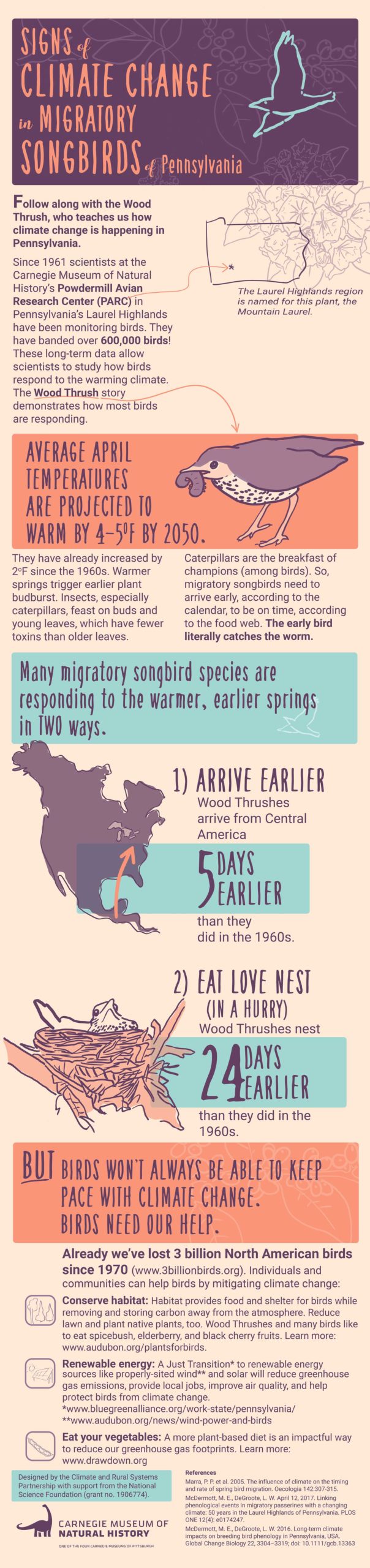
Signs of climate change in migratory songbirds of Pennsylvania
Follow along with the Wood Thrush, who teaches us how climate change is happening in Pennsylvania.
Since 1961 scientists at the Carnegie Museum of Natural History’s Powdermill Avian Research Center (PARC) in Pennsylvania’s Laurel Highlands have been monitoring birds. They have banded over 600,000 birds! These long-term data allow scientists to study how birds respond to the warming climate. The Wood Thrush story demonstrates how most birds are responding.
Average April temperatures are projected to warm by 4-5 degrees Fahrenheit by 2050.
They have already increased by 2 degrees Fahrenheit since the 1960s. Warmer springs trigger earlier plant budburst. Insects, especially caterpillars, feast on buds and young leaves, which have fewer toxins than older leaves. Caterpillars are the breakfast of champions (among birds). So, migratory songbirds need to arrive early, according to the calendar, to be on time, according to the food web. The early bird literally catches the worm.
Many migratory songbird species are responding to the warmer, earlier springs in two ways.
- Arrive earlier. Wood Thrushes arrive from Central America 5 days earlier than they did in the 1960s.
- Eat, love, nest (in a hurry). Wood Thrushes nest 24 days earlier than they did in the 1960s.
But birds won’t always be able to keep pace with climate change.
Birds need our help. Already we’ve lost 3 billion North American birds since 1970 (www.3billionbirds.org).
Individuals and communities can help birds by mitigating climate change:
Renewable energy
A Just Transition1 to renewable energy sources like properly-sited wind2 and solar will reduce greenhouse gas emissions, provide local jobs, improve air quality, and help protect birds from climate change.
1https://www.bluegreenalliance.org/work-state/pennsylvania/
2www.audubon.org/news/wind-power-and-birds
Eat your vegetables
A more plant-based diet is an impactful way to reduce our greenhouse gas footprints. Learn more: www.drawdown.org.
Designed by the Climate and Rural Systems Partnership with support from the National Science Foundation (grant no. 1906774).
References
Marra, P. P. et al. 2005. The influence of climate on the timing and rate of spring bird migration. Oecologia 142:307-315.
McDermott, M. E., DeGroote, L. W. 2016. Long-term climate impacts on breeding bird phenology in Pennsylvania, USA. Global Change Biology 22, 3304–3319; doi: 10.1111/gcb.13363
McDermott, M. E., DeGroote, L. W. 2017. Linking phenological events in migratory passerines with a changing climate: 50 years in the Laurel Highlands of Pennsylvania. PLOS ONE 12(4): e0174247.
Question about Safety Procedures
[gravityform id=”77″ title=”false” description=”false”]
