• Skip to primary navigation
  • Skip to main content
  • Skip to primary sidebar

Carnegie Museum of Natural History

One of the Four Carnegie Museums of Pittsburgh

  • Visit
    • Buy Tickets
    • Visitor Information
    • Exhibitions
    • Events
    • Dining at the Museum
    • Celebrate at the Museum
    • Powdermill Nature Reserve
    • Event Venue Rental
  • Learn
    • Field Trips
    • Educator Information
    • Programs at the Museum
    • Bring the Museum to You
    • Guided Programs FAQ
    • Programs Online
    • Climate and Rural Systems Partnership
  • Research
    • Scientific Sections
    • Science Stories
    • Science Videos
    • Senior Science & Research Staff
    • Museum Library
    • Science Seminars
    • Scientific Publications
    • Specimen and Artifact Identification
  • About
    • Mission & Commitments
    • Directors Team
    • Museum History
  • Tickets
  • Give
  • Shop

January 10, 2023 by

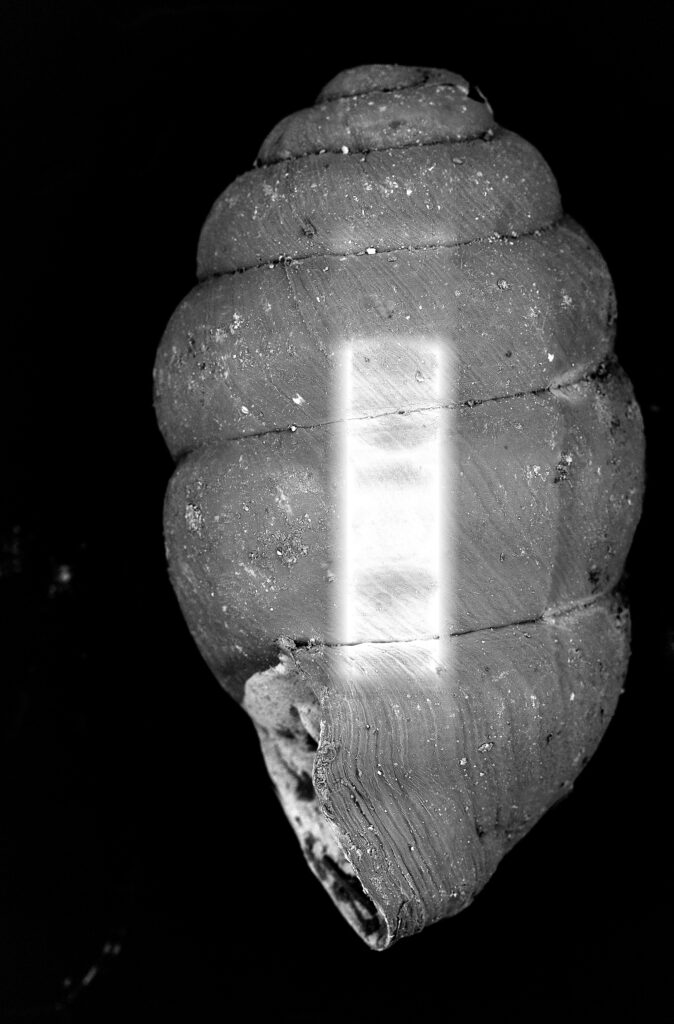
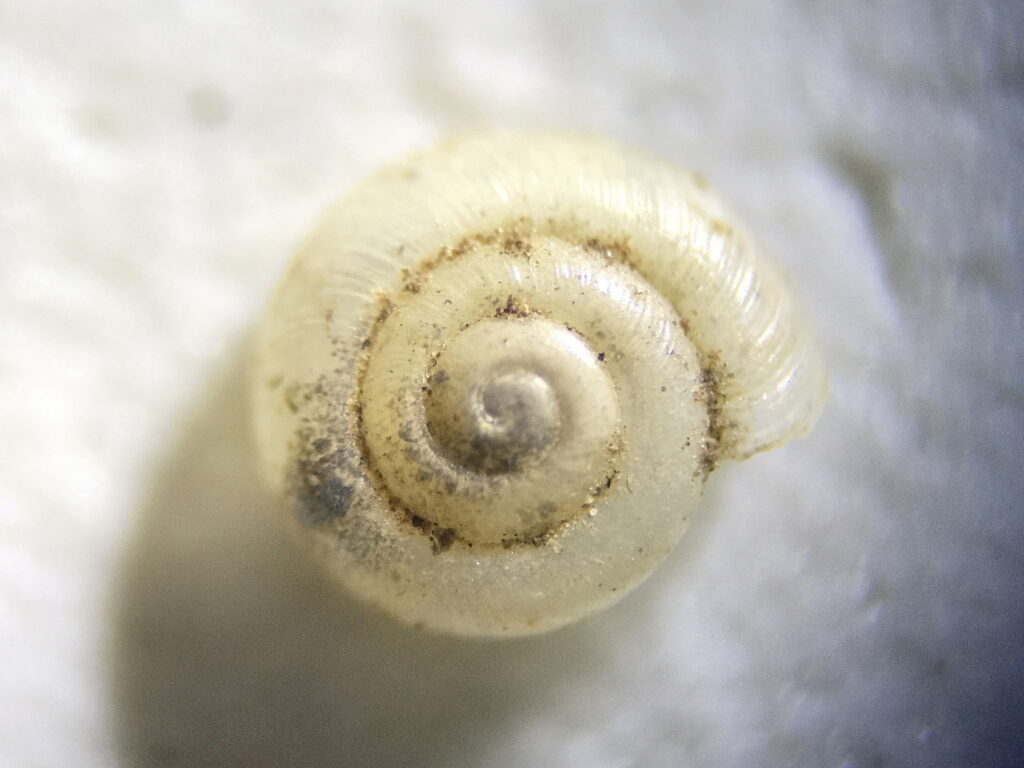
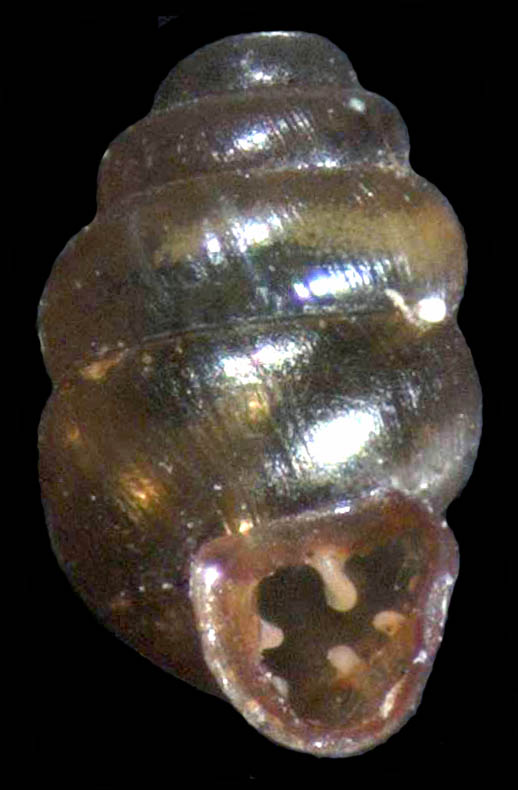
Vertigo bollesiana

Image Usage Information

  • Jeff Nekola
  • All rights reserved

Family: Vertiginidae

Common name: none

Discovery: E.S. Morse, 1865

Identification

Height: ~1.7 mm
Width: ~0.9 mm
Whorls: 5

This species is quite similar in appearance to Vertigo gouldii, from which it can be distinguished by its much weaker shell striation, and by the presence of a deep depression on the outside of the shell under both palatal lamellae. It has been commonly confused with V. gouldii, and all purported southern Appalachian specimens likely represent small V. gouldii shells (Nekola & Coles, 2010). As a result, records of V. bollesiana south of Pennsylvania should be considered questionable.

Ecology

Vertigo bollesiana is found in leaf litter often under shrubs, on cliff-face ledges and boulder tops in mesic upland forest, and damp microsites in northern white cedar wetlands (Nekola & Coles, 2010).

Vertigo bollesiana ranges across the Great Lakes region from northeastern Iowa and northwestern Minnesota east through Wisconsin, Michigan, and southern Ontario through the New England states. Although it is also reported from isolated sites in the Appalachians of West Virginia, Kentucky, and Tennessee (Hubricht, 1985), as mentioned above, these reports almost certainly represent misidentified examples of a small southern Appalachians morph of V. gouldii.

Taxonomy

A synonym for this animal’s name is Isthimia bollesiana.

Distribution

This species has not yet been reported from Virginia. Because of the likelihood that reports from surrounding states are misidentified V. gouldii, it seems unlikely that populations will be eventually found here. However, there is a small possibility that it may occur in forests with significant cold air drainage in the northern mountains.

Conservation

NatureServe Global Rank: G5
NatureServe State Rank: S1S3
Virginia’s wildlife action plan: Tier II
January 10, 2023 by

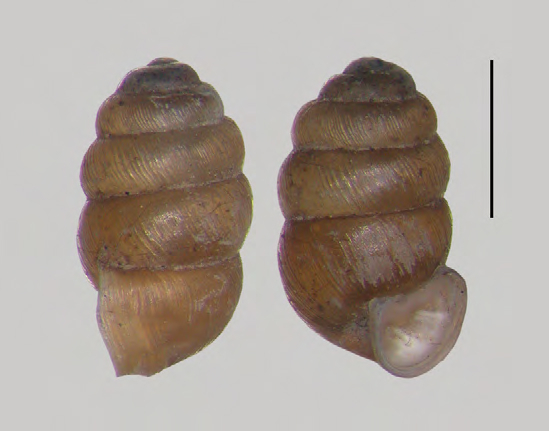
Vertigo arthuri

Image Usage Information

  • Michael J. Oldham
  • CC BY-NC 4.0 DEED
  • Additional information about this specimen

Family: Vertiginidae

Common name: none

Discovery: Martens, 1882

Identification

Height: 1.6-1.8 mm
Width: 0.7-0.9 mm
Whorls: 5

Vertigo arthuri shares with V. nylanderi a more deeply inserted lower as compared to upper palatal lamella, a feature unique in the subgenus Vertigo to these two species. Outside of the subgenus, only one other North American species – V. (Vertilla) hinkleyi from sky island oak forest of the desert southwest – shares this trait. Vertigo arthuri differs from V. nylanderi by its weak to absent sinulus, peg-shaped columellar lamella, less deeply inserted and shorter lower palatal lamella, and weaker (to absent) angular lamella.

Ecology

Vertigo arthuri is primarily a species of upland forest, taiga, and rock outcrops. In the Northeast, it is particularly abundant in upland northern white cedar stands (especially on bedrock outcrops) and strays into the drier parts of adjacent wetlands (Nekola and Coles, 2010). It has also been rarely seen in upland aspen groves. Along the shore of the St. Lawrence in Atlantic Maritime Canada it can be found in calcareous maritime turf. In the Upper Mississippi Valley, this species is limited to algific talus and other cool talus slopes and rock outcrops.

Taxonomy

Apertural callus and crest strength, and the presence or absence of a basal and angular lamella have been historically used to split V. arthuri into seven additional taxa. However, these traits show continual variation across not only across the geographic and ecological range of this species, but also within single populations – especially in southeastern Ontario where up to four shell forms may co-occur within the same site with all possible forms of intergradation (Nekola et al., in press).

DNA sequence data shows these various shell forms to exist within the same highly supported species-level clade with no inter-clade genetic structuring (Nekola et al., in press). As a result, V. briarensis, V. gouldii basidens, V. hubrichti, V. hubrichti variabilis, V. iowaensis, V. occulta and V. paradoxa represent at best only shell forms of V. arthuri. While occurring throughout the range of the species, in New England and adjacent Maritime Canada only the shell form paradoxa is present. It is demarcated from other V. arthuri forms by its lack of basal and angular lamellae, lack of an apertural callus, and a less deeply inserted lower palatal lamella. Type Locality: Little Missouri, North Dakota, U.S.A. (V. arthuri); Woodland, Aroostook County, Maine, U.S.A. (V. arthuri form paradoxa).

Distribution

This species possesses one of the largest ranges of any North American land snail species, extending across the northern taiga from Newfoundland to the Alaskan interior, south to upstate New York, northeastern Iowa, northwestern Minnesota, the Black Hills of South Dakota, the Jemez Mountains of northern New Mexico, and the Selkirk Mountains of southeastern British Columbia.

Conservation

NatureServe Global Rank: G5. Apparently secure. The various named shell forms of V. arthuri have been given ranks ranging from G1-G4.

January 10, 2023 by

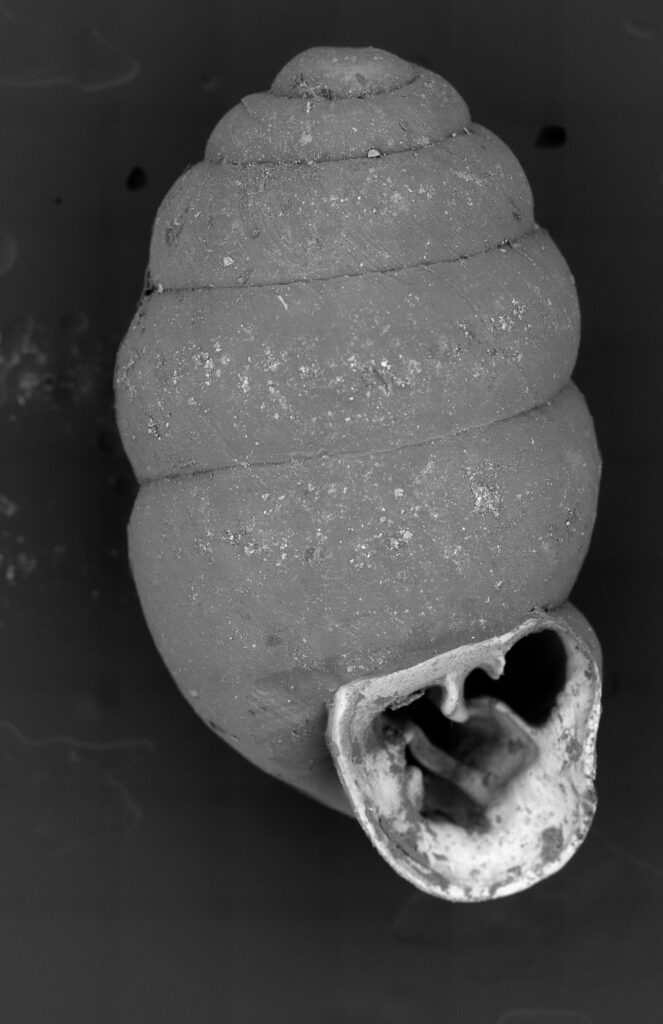
Vertigo alabamensis

Image Usage Information

  • The Academy of Natural Sciences of Philadelphia
  • CC BY-NC 4.0 DEED
  • For additional information about this specimen: Gary Rosenberg (rosenberg.ansp@drexel.edu)

Family: Vertiginidae

Common name: Alabama Vertigo

Discovery: Clapp, 1915

Identification

Height: ~1.8 mm
Width: ~0.9 mm
Whorls: 5

Only this species and V. clappi possess an upper palatal lamella that is roughly parallel to the lower apertural margin, allowing its long axis to be seen from the front. The shell of Vertigo alabamensis differs from that of V. clappi, however, in its ovoid shape, closed umbilicus, and presence of a strong calcified callus on the apertural margin.

Some individuals with fatter shells and smaller lamellae (equating to V. conecuhensis of Hubricht, 1985), may be found throughout the range of V. alabamensis. No difference has been noted in their DNA sequences (Nekola, unpublished data), so they can be simply considered a shell form of V. alabamensis.

Ecology

Vertigo alabamensis is an acid-loving (acidophilic) animal that lives in well-decomposed leaf litter, typically caught against low growing shrubs and vines in mesic pineland, pine-wiregrass savanna, and bay forest. It also displays a high degree of seasonality, with all individuals hatching in early spring and coming to adult age from late April to early June.

Taxonomy

Synonyms for this animal’s name include Vertigo alabamensis conecuhensis and Vertigo conecuhensis

Distribution

Known from only a single early 1900s collection from Tuscaloosa County, Alabama (Pilsbry, 1948; Hubricht, 1985), this species has been recently found across the southeastern coastal plain, from Mobile Bay and northern Florida north to the Albemarle-Pamlico Peninsula on the outer coastal plain of North Carolina. It went unnoticed for almost a century for two reasons – its acidic habitats were overlooked because it was assumed that no land snail could live there, and because old shells rapidly dissolve in such habitats, so surveys outside the brief period of abundance locate few (if any) shells.

This species has not yet been reported from Virginia. However, given its presence in the adjacent North Carolina coastal plain, it should be sought in acidic pocosins, pinelands, and oak forests in the Dismal Swamp region. It may also occur in the counties east of the Chesapeake Bay.

Even though Vertigo alabamensis is more common than once thought, the species remains of conservation concern. Populations can be readily eliminated by fire management, and the species is now absent from many seemingly appropriate sites that are subject to frequent prescribed burning.

Conservation

NatureServe Global Rank: G3
NatureServe State Rank: none

January 10, 2023 by

Helix pomatia

Image Usage Information

  • Alexey Zyryanov
  • CC BY-NC 4.0 DEED
  • Additional information about this specimen

Family: Helicidae

Common name: Roman Snail, Burgundy Snail

Discovery: Linnaeus, 1758

Non-native

Identification

Width: 30-50 mm
Height: 30-50 mm
Whorls: 5-6

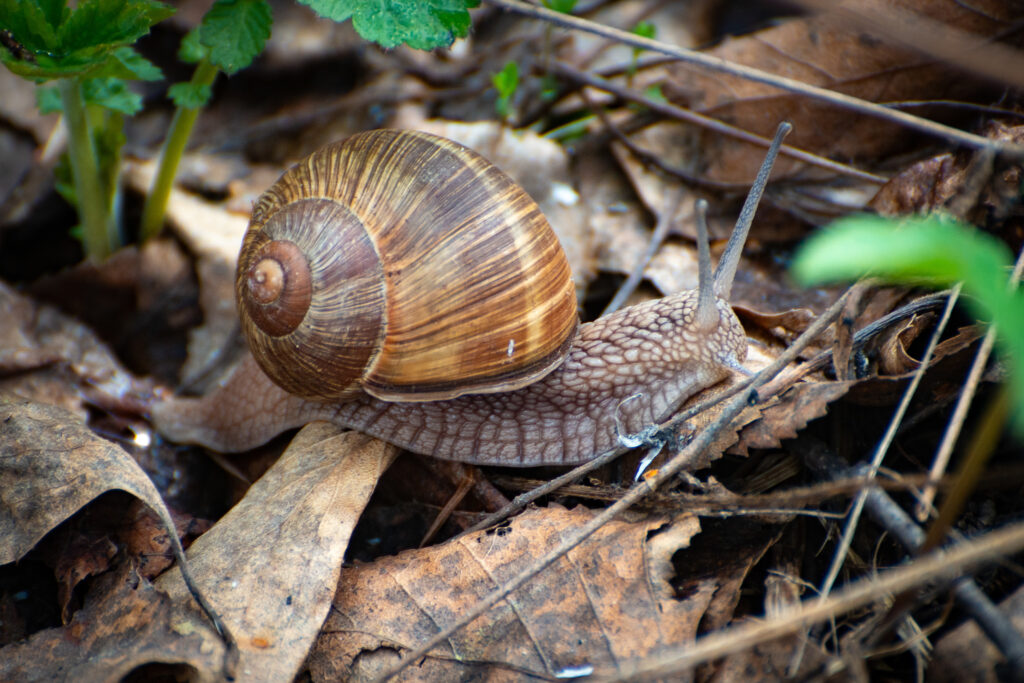
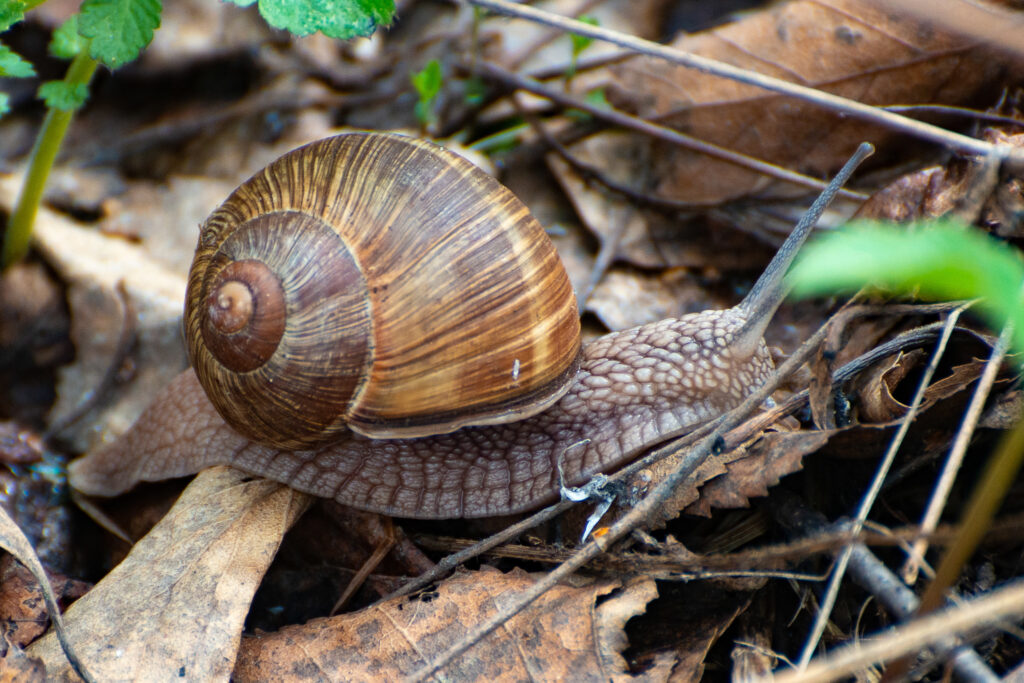
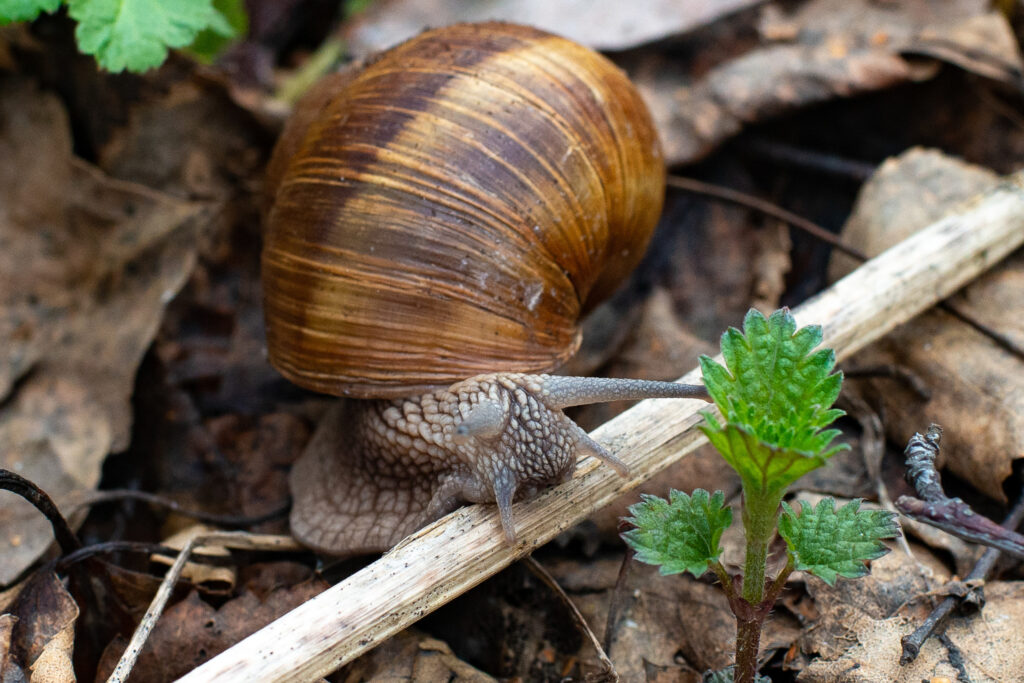
This species’ large rounded shell is cream-colored with faint brown bands. The lip is simple and the umbilicus closed. The shell surface is sculptured with growth wrinkles and light spiral striae. The animal is light-colored, with gray tentacles.

Ecology

Helix pomatia lives in woods, hedgerows, and among tall herbaceous vegetation (Kerney and Cameron, 1979). It favors calcium-rich soils on limestone or chalk (Kerney and Cameron, 1979). It can be a pest in vineyards, but is also favored for escargot.

In an intensive study of an introduced population in a Great Britain chalk quarry, H. pomatia was active April to October, most often during periods of high humidity associated with rainfall (Pollard, 1975). Mating was primarily during May and June, and eggs were laid underground May through August. The number of eggs in a clutch varied from 10 to more than 80 (Pollard, 1975).

Taxonomy

A synonym is Pomatia antiquorum (Pilsbry, 1939).

Distribution

Helix pomatia is the largest snail in northwest Europe (Kerney and Cameron, 1979), where it is introduced, though it is more widespread in its native regions of central and southeast Europe. It has been introduced in various places in the US. A Boston museum record is from a restaurant.

Conservation

NatureServe Global Rank: G5, Secure.
Its popularity for consumption has led to declines and protective measures in France and other European countries.

January 10, 2023 by

Hawaiia minuscula

Image Usage Information

  • David Lang
  • CC BY-NC 4.0 DEED
  • Additional information about this specimen

Family: Pristilomatidae

Common name: Minute Gem

Discovery: A. Binney, 1841

Identification

Width: 2.5 mm
Height: 1.2 mm
Whorls: 4

The tiny shell of Hawaiia minuscula has a matte shell finish with a wide, shallow umbilicus. Regular, tubular whorls end in a rounded, thin-lipped aperture. Excepting the smooth nuclear whorl, its surface is cross-hatched with fine, irregularly-spaced growth lines and minute spiral striae. Microsculpture is less distinct on the base. It may be mistaken for Lucilla scintilla, which lacks H. minuscula’s microsculpture.

Ecology

Hawaiia minuscula is generally known to inhabit leaf litter on wooded slopes. However, Hubricht (1985) reported that he has only found it on the bare ground (never in leaf litter) of floodplains, meadows, abandoned urban terrain, and along roads and railroads. In Tennessee it was found in a variety of habitats, and its presence was correlated with drier, more acidic soils at relatively higher elevations (Coney et al., 1982). Also in Tennessee, it has been found in caves (Lewis, 2005).

Taxonomy

Synonyms for H. minuscula include: Chanomphalus minusculus, Helix kawaiensis, H. minuscula, H. minutalis, Pseudohyalina minuscula, Pseudovitrea minuscula alachuana, P. m. minuscula, Zonites minusculus, Z. m. var. alachuana, and Zonitoides minusculus.

Distribution

This snail is known from across the United States, with fewer occurrences in Western states. In Virginia it is reported from scattered counties throughout the state.

Conservation

NatureServe Global Rank: G5, Secure.

January 10, 2023 by

Hawaiia alachuana

Family: Pristilomatidae

Common name: Southeastern Gem

Discovery: Dall, 1885

Identification

Width: ~2.4 mm
Height: ~1.1 mm
Whorls: 4+

The tiny, thin shell of Hawaiia alachuana is depressed, with rounded whorls and a wide umbilicus. The nuclear whorl and the base are smooth, but later whorls are sculptured with growth wrinkles. The aperture is thin-lipped and it has more pronounced growth wrinkles than the similar Lucilla scintilla, according to Hubricht (1962) who mistakenly described it as the new species Helicodiscus jacksoni. Hawaiia alachuana may be distinguished from H. minuscula by its slightly larger overall size, its slightly wider, differently-shaped umbilicus, and a more dilated aperture (Pilsbry, 1948).

Ecology

This snail inhabits the leaf litter of deciduous forests, preferring calcium-rich environments (Hubricht, 1985).

Taxonomy

This species has also been known as Hawaiia minuscula alachuana, Helicodiscus alachuana, and H. jacksoni.

Distribution

Hawaiia alachuana is found in scattered pockets across the eastern United States, from New York to Florida, and as far west as Oklahoma. In Virginia it is known only from the western part of the state.

Conservation

NatureServe Global Rank: G4/G5Q, Apparently Secure.

  • « Go to Previous Page
  • Page 1
  • Interim pages omitted …
  • Page 31
  • Page 32
  • Page 33
  • Page 34
  • Page 35
  • Interim pages omitted …
  • Page 53
  • Go to Next Page »

sidebar

About

  • Mission & Commitments
  • Directors Team
  • Museum History

Get Involved

  • Volunteer
  • Membership
  • Carnegie Discoverers
  • Donate
  • Employment
  • Events

Bring a Group

  • Groups of 10 or More
  • Birthday Parties at the Museum
  • Field Trips

Powdermill

  • Powdermill Nature Reserve
  • Powdermill Field Trips
  • Powdermill Staff
  • Research at Powdermill

More Information

  • Image Permission Requests
  • Science Stories
  • Accessibility
  • Shopping Cart
  • Contact
  • Visitor Policies
One of the Four Carnegie Museums | © Carnegie Institute | Privacy Policy | Terms of Use | Accessibility
Rad works here logo