• Skip to primary navigation
  • Skip to main content
  • Skip to primary sidebar

Carnegie Museum of Natural History

One of the Four Carnegie Museums of Pittsburgh

  • Visit
    • Buy Tickets
    • Visitor Information
    • Exhibitions
    • Events
    • Dining at the Museum
    • Celebrate at the Museum
    • Powdermill Nature Reserve
    • Event Venue Rental
  • Learn
    • Field Trips
    • Educator Information
    • Programs at the Museum
    • Bring the Museum to You
    • Guided Programs FAQ
    • Programs Online
    • Climate and Rural Systems Partnership
  • Research
    • Scientific Sections
    • Science Stories
    • Science Videos
    • Senior Science & Research Staff
    • Museum Library
    • Science Seminars
    • Scientific Publications
    • Specimen and Artifact Identification
  • About
    • Mission & Commitments
    • Directors Team
    • Museum History
  • Tickets
  • Give
  • Shop

April 23, 2020 by

About Carnegie Museum of Natural History

Carnegie Museum of Natural History, one of the four Carnegie Museums of Pittsburgh, is among the top natural history museums in the country. It maintains, preserves, and interprets an extraordinary collection of artifacts, objects, and scientific specimens used to broaden understanding of evolution, conservation, and biodiversity. Carnegie Museum of Natural History generates new scientific knowledge, advances science literacy, and inspires visitors of all ages to become passionate about science, nature, and world cultures.

VISION

The world’s most relevant natural history museum

MISSION

To find inspiration in our collections and advocate for a sustainable future.

Awards

BEST MUSEUM – Best of the ‘Burgh 2017-2020

Pittsburgh Magazine‘s “Best of the ‘Burgh” is an annual reader poll happening for over a decade identifying the best restaurants, services, entertainments, personalities and more in the Pittsburgh region.
Best Local TikTok – Best of Pittsburgh 2020

As part of City Paper’s 20+ year tradition of reader polls, “Best of Pittsburgh” included new categories in 2020 amid the coronavirus pandemic, including Best Local Tiktok.

2016 BREASTFEEDING FRIENDLY PLACE AWARD

Allegheny County Health Department awarded Carnegie Museum of Natural History an award for being a breastfeeding friendly place in 2016 following the installation of a private, quiet, and comfortable space for mothers to breastfeed their babies in the museum.

2014 RACIAL JUSTICE AWARD

In appreciation for having presented the exhibition RACE: Are We So Different? and related programs, Carnegie Museum of Natural History has been honored with a 2014 Racial Justice Award from the YWCA Greater Pittsburgh.

Our Statement in Support of Evolution

Carnegie Museum of Natural History is a scientific institution and strongly supports evolution as the only scientifically rigorous and strongly corroborated explanation for the amazing diversity of life on Earth—now and in the past. Evolution is a process of inherited change that takes place over time. Evolution explains both the diversity of life on Earth as well as universal similarities among all living things. It is based on observable evidence from the fields of biology, paleontology, and geology. We join with our colleagues at natural history, academic, and science institutions worldwide in affirming evolution.
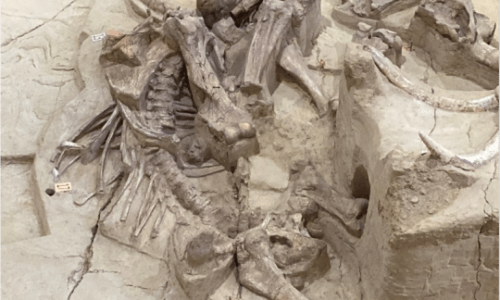
Carnegie Museum of Natural History collects and cares for specimens and artifacts that document the history of life on Earth. Through field studies and collections-based scientific research, we generate new knowledge and promote stewardship of the Earth and its natural resources. Through public exhibitions, programs, and educational partnerships, we share the results of our scientific research, in order to enhance scientific literacy by illuminating the processes of evolution and adaptation that have shaped the diversity of our world and its inhabitants.

Carnegie Museum of Natural History will continue to provide public engagement activities that explore and explain evolution. We affirm that all organisms on Earth share a common ancestry and that life’s unfolding has encompassed billions of years of time. Our educational goal is to help visitors understand and explore the theory of evolution, the observable evidence that supports it, and the scientific questions and debates that are taking place at the edge of exploration about the mechanisms of evolution and its consequences.
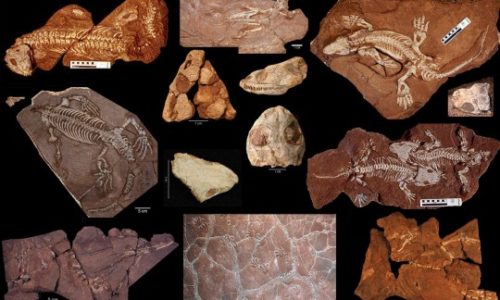

The museum does not involve itself in matters of individual or institutional religious beliefs or practice. We respectfully leave those concerns to institutions dedicated to the study and practice of spiritual and religious matters.

Filed Under: Uncategorized

April 23, 2020 by

Directors Team

The museum’s department directors guide initiatives related to the museum’s mission and long-term goals while also managing daily operations. In this collaborative environment, they work together to make the museum vibrant, welcoming, and relevant.

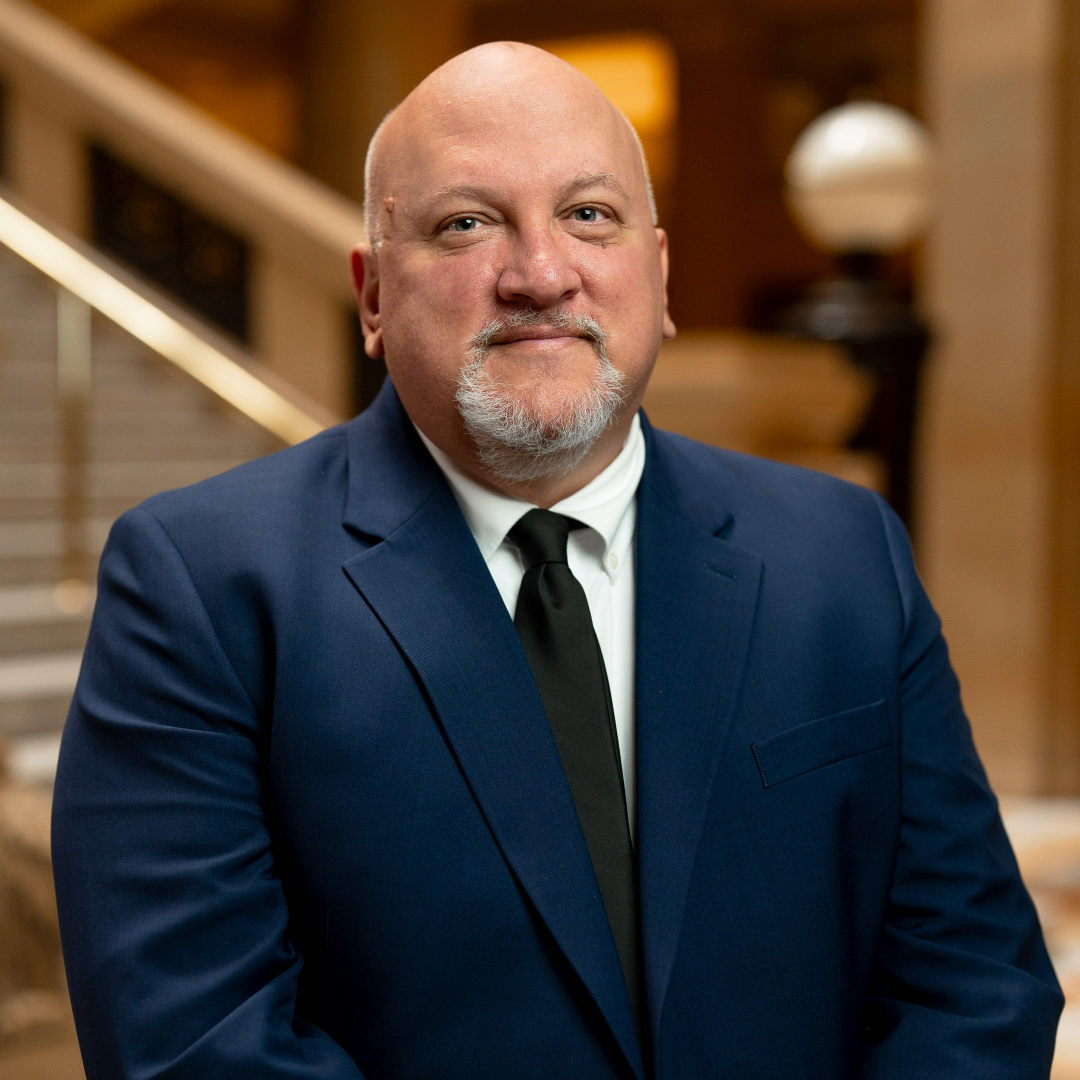
Carey Miller headshot

Carey Scheide Miller, EdD

Vice President, Chief Development Officer, Carnegie Museums

Interim Daniel G. and Carole L. Kamin Director, Carnegie Museum of Natural History

Stefanie Cedro Mohr

Stefanie Cedro Mohr

Senior Director of Marketing and Communications at Carnegie Museums of Art and Natural History

Sarah Crawford

Sarah Crawford

Director of Museum Experience

Laurie Giarratani

Laurie Giarratani

Director of Learning and Community

Scientist Nicole Heller

Nicole Heller

Associate Curator of Anthropocene Studies
Co-Chair of Research

Kathy Hollis

Kathy Hollis

Director of Collections, Care and Access

Mary Janecka headshot

Mary Janecka

Director of
Powdermill Field Station and Nature Reserve

Lisa Keller

Lisa Keller

Director of Development

Matt Lamanna

Matt Lamanna

Mary R. Dawson Curator of Vertebrate Paleontology
Co-Chair of Research

Kevin Nowicki

Kevin Nowicki

Director of Finance and Business Operations

Jason Segreti

Jason Segreti

Director of Visitor and Museum Services

Filed Under: Uncategorized

April 20, 2020 by

TEDx Talks Featuring our Scientists and Educators

Force of Nature

Patrick McShea
Patrick McShea is a native Pittsburgher who has worked as an educator at Carnegie Museum of Natural History for more than thirty years. He is a bird watcher, hiker, deer hunter, and nature writer. His public service experience includes nine years as a board member of the Allegheny Land Trust. A recent unique professional experience involved assisting his wife, paleontologist Amy Henrici, on an expedition to collect frog fossils in central Nevada. A native Pittsburgher who has worked as an educator at Carnegie Museum of Natural History for more than thirty years. He is a bird watcher, hiker, deer hunter, and nature writer. His public service experience includes nine years as a board member of the Allegheny Land Trust. A recent unique professional experience involved assisting his wife, paleontologist Amy Henrici, on an expedition to collect frog fossils in central Nevada. This talk was given at a TEDx event using the TED conference format but independently organized by a local community. Learn more at https://www.ted.com/tedx

Climate Change is Real & An Opportunity to Adapt

Nicole Heller
Ecologist Dr. Nicole Heller is working to help build understanding of not just the climate challenges we all face, but also what action and opportunity does it present to all who inhabit Earth. The value of embracing our diverse ecosystems is a road she says that we can enthusiastically walk down, if we accept climate change as fact and embrace the opportunity to adapt. Dr. Nicole Heller is a conservation ecologist and communication specialist. Her work is focused on sustaining the resilience of biodiversity and human communities in the face of global environmental change. Heller’s research promotes novel theories and actions for nature conservation, including pioneering data tools and social practices to promote better, more just, land stewardship in cities and wildlands. In her work, she has collaborated closely with treehoppers, ants, plants, gorillas, and many diverse human people. This talk was given at a TEDx event using the TED conference format but independently organized by a local community. Learn more at https://www.ted.com/tedx

Filed Under: Uncategorized

April 17, 2020 by

Nature Lab

Nature Lab

Nature is all around us, and we want to help you explore!

Carnegie Museum of Natural History’s Nature Lab hosts events featuring creative, hands-on investigations of seasonally appropriate natural phenomena.  As you explore, you’ll also learn to use scientific tools, including microscopes, maps, and field guides.  Each month of the year features something new to discover.

Nature Lab Blogs

If you’re curious about skyscrapers, inspired by the stars, or motivated to join environmental efforts in your community – Nature Lab connects you to new ideas that will take your interests to the next level. Check out free articles to learn about surprising science, exciting community projects, and ways that you can have a positive impact on your world. Browse hands-on projects that will flex your creative muscles and build your naturalist skills.

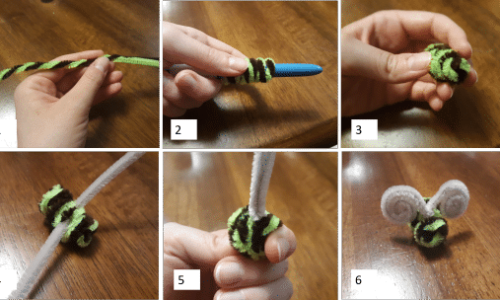
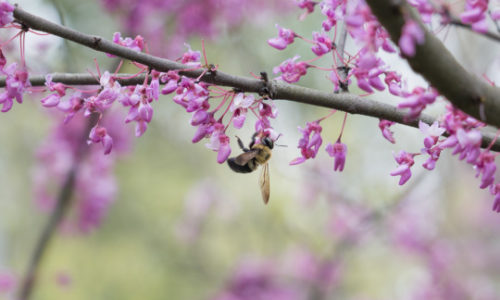
  • A Bumble’s Blog and Bumble “Weee” Catapult Craft

    A Bumble’s Blog and Bumble “Weee” Catapult Craft

    Wander outside in the spring and summer and I bet you will bump into a busy bumble bee bumbling among the wildflowers. …
  • The World of Bee Vomit

    The World of Bee Vomit

    If you’re squeamish, this blog post might not be for you. We are deep diving in the world of vomit. Did you …
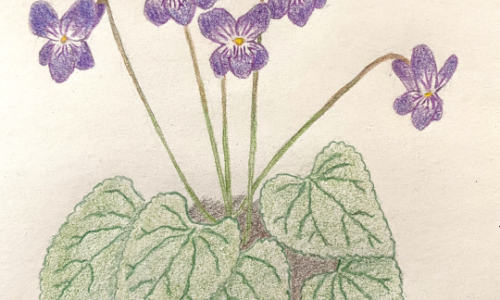
  • Draw a Flower

    Draw a Flower

    This is the season of colorful flowers and we can truly appreciate their vibrance after a typical grey and chilly winter.  One …
  • City Nature Challenge Recap

    City Nature Challenge Recap

    With the COVID-19 pandemic hitting, the entire world had to adapt how we participated in this year’s City Nature Challenge. This year …
  • The City Nature Challenge Family Experience

    The City Nature Challenge Family Experience

    In these unprecedented times, it can be the simplest acts of normalcy that are most welcome. It had been a while since …
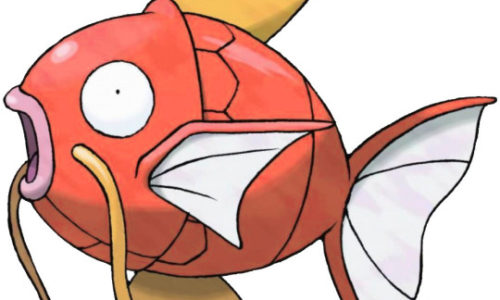
  • Pokémon Inspired by Animals

    Pokémon Inspired by Animals

    When Pokémon launched as a franchise in 1996, quickly becoming a worldwide multimedia phenomenon, the Pokémon creators had their work cut out …
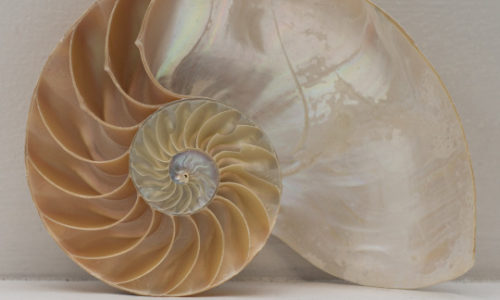
  • Math In Nature? It All Adds Up!

    Math In Nature? It All Adds Up!

    For all of its breathtaking beauty and seemingly spontaneous happenings, there are also some surprisingly consistent patterns in nature that math can …
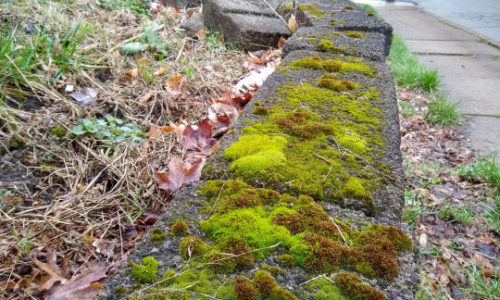
  • Nature in Sidewalk Cracks

    Nature in Sidewalk Cracks

    When you hear the word “nature,” what scenes do you think of? Mountains, streams, and forests? Cities are probably not the first …
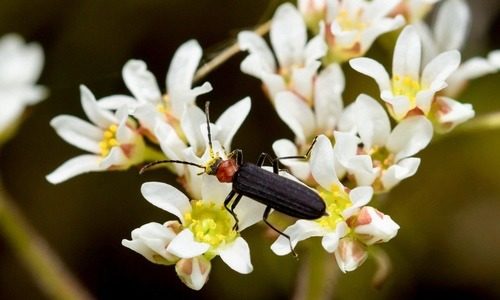
  • Bugging Out…and Coming Back

    Bugging Out…and Coming Back

    From the first blooms of spring through the end of summer, insects (and many other things we often call bugs), are plentiful. …

Filed Under: Uncategorized

April 15, 2020 by

Museum from Home Blogs

Activities from our educators and behind the scenes stories about our collections at the museum

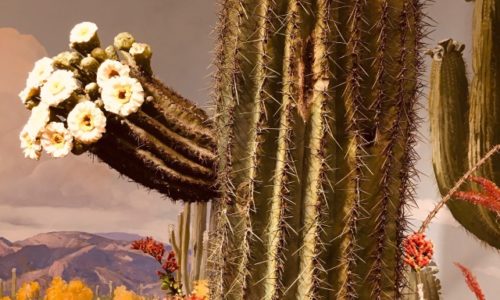
  • Carnegie’s Cactus: Carnegie gigantea

    Carnegie’s Cactus: Carnegie gigantea

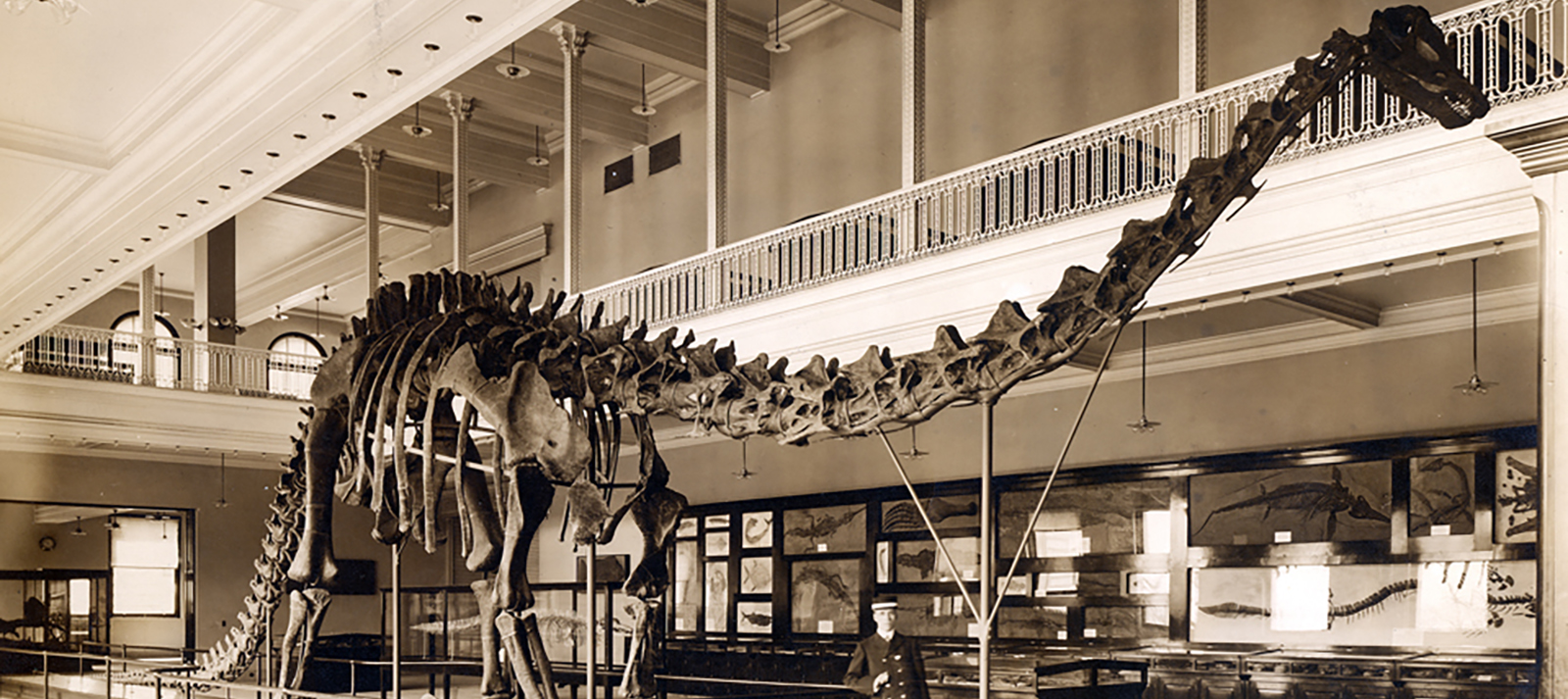
    by Patrick McShea Diplodocus carnegii, a sauropod star of Dinosaurs in Their Time, is not the only large organism exhibited at Carnegie …
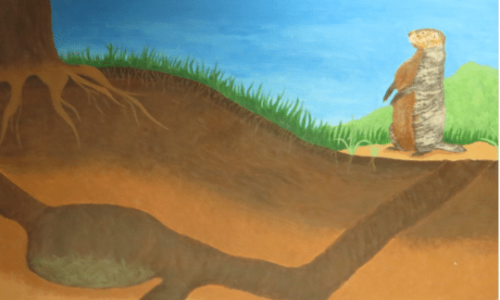
  • Groundhog Architecture

    Groundhog Architecture

    Contrary to the pervasive myth that is revived for public amusement every February 2, groundhogs are not able to predict the approach …
  • Teaching About Trees

    Teaching About Trees

    Joe Stavish doesn’t need any reflection time to summarize the impact of the COVID-19 pandemic on his work. “The new challenge to …
  • Winging It: Quetzalcoatlus and the History of Aviation

    Winging It: Quetzalcoatlus and the History of Aviation

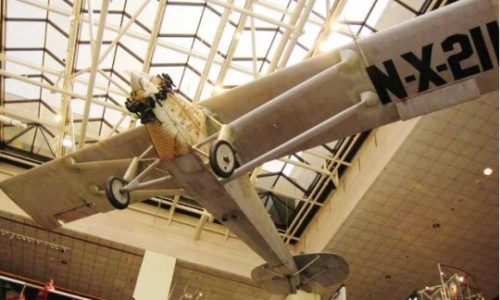
    When I see Quetzalcoatlus northropi soaring above the Cretaceous in Dinosaurs in Their Time, I’m often reminded of the Spirit of St. …
  • Super Science: She-Ra, the American Kestrel

    Super Science: She-Ra, the American Kestrel

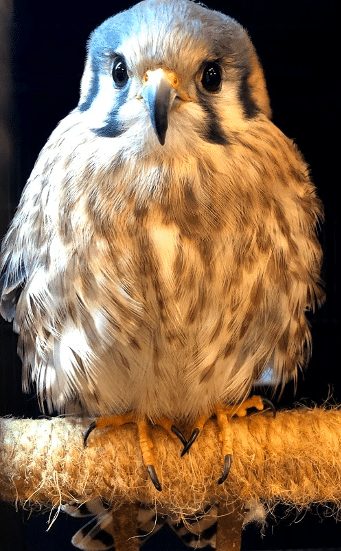
    Hi, my name is She-Ra and I’m an American kestrel. A scientist might call me Falco sparverius because that’s my species’ scientific …
  • Detecting Objects with Invisible Waves: Using Radar, Sonar, and Echolocation to “See”

    Detecting Objects with Invisible Waves: Using Radar, Sonar, and Echolocation to “See”

    The ability to see visible waves of light can be beneficial for determining the size, shape, distance, and speed of things in …
  • Fancy Feathers: An Unexplained Complexity in Evolutionary History

    Fancy Feathers: An Unexplained Complexity in Evolutionary History

    One of the most complex and highly intricate wonders of the flying world owes nothing to DaVinci’s studies on mechanical flight, the …
  • Nerding Out Over Masting, or Why Unusual Plant Reproduction Excites Animal Ecologists

    Nerding Out Over Masting, or Why Unusual Plant Reproduction Excites Animal Ecologists

    As for many people, every pandemic month that passes marks another month since I’ve been able to travel. I realized recently that …
  • Are You Pishing at Me? Winter Birding in Pennsylvania

    Are You Pishing at Me? Winter Birding in Pennsylvania

      Leaves have fallen and so has snow, low clouds shroud the blue sky in a drop-ceiling effect, and the frigid air …
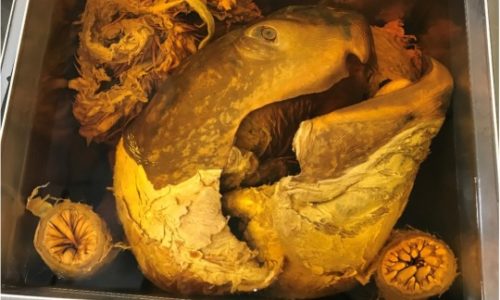
  • A Head Above the Rest: Unearthing the Story of Our Leatherback Sea Turtle

    A Head Above the Rest: Unearthing the Story of Our Leatherback Sea Turtle

    When you think of BIG sea creatures, you probably imagine great white sharks, huge blue whales, or ginormous cephalopods like the giant …
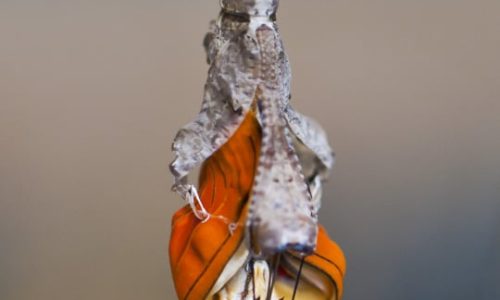
  • Insect metamorphosis: the key to a fresh new start

    Insect metamorphosis: the key to a fresh new start

    For many people, the new year represents an opportunity to make a fresh start, consider self-improvement, or turn over a new leaf. …
  • King’s Dream and Natural History

    King’s Dream and Natural History

    During the summer of 1963, Martin Luther King Jr. referenced the geographic high ground of our region in his “I Have a …
  • Becoming a Science Educator

    Becoming a Science Educator

    Think back to when you were a child – what was your favorite way to learn how something works? Mine was to …
  • A Visit to the Mammoth Site, Hot Springs, SD

    A Visit to the Mammoth Site, Hot Springs, SD

    Did you know that not all museums display their fossil specimens mounted in life-like poses? At The Mammoth Site of Hot Springs, …
  • The Bromacker Fossil Project Part XIII: What We Learned

    The Bromacker Fossil Project Part XIII: What We Learned

    New to this series? Need to catch up on your reading? Here are all the previous posts for the Bromacker Fossil Project: Part I, …

Filed Under: Uncategorized

April 15, 2020 by

Coloring Pages

Download Carnegie Museum of Natural History Coloring pages to print and color or to drag and drop into your favorite coloring software.

Tim Pearce Coloring Page
Download Tim Pearce Coloring Page
Mango Coloring Page
Download Mango Coloring Page
red salamander coloring page

You can find salamanders like these (they’re usually red) near wet ground, like by Powdermill Run at the museum’s environmental research center, Powdermill Nature Reserve.

Download Salamander Coloring Page
tufted titmouse coloring page

Tufted Titmice are regularly seen and banded at Carnegie Museum of Natural History’s environmental research center, Powdermill Nature Reserve!

Download Tufted Titmouse Coloring Page
She-Ra Coloring Page
Download She-Ra Coloring Page
Dippy Says Coloring Page
Download Dippy Says Coloring Page
Boomer Coloring Page
Download Boomer Coloring Page
Lupe under the sea Coloring Page
Download Scuba Lupe Coloring Page
Rocket Mango Coloring Page
Download Rocket Mango Coloring Page
Chef Lupe Coloring Page
Download Chef Lupe Coloring Page
John Snow Coloring Page
Download John Snow Coloring Page

Filed Under: Uncategorized

  • « Go to Previous Page
  • Page 1
  • Interim pages omitted …
  • Page 6
  • Page 7
  • Page 8
  • Page 9
  • Page 10
  • Interim pages omitted …
  • Page 13
  • Go to Next Page »

sidebar

About

  • Mission & Commitments
  • Directors Team
  • Museum History

Get Involved

  • Volunteer
  • Membership
  • Carnegie Discoverers
  • Donate
  • Employment
  • Events

Bring a Group

  • Groups of 10 or More
  • Birthday Parties at the Museum
  • Field Trips

Powdermill

  • Powdermill Nature Reserve
  • Powdermill Field Trips
  • Powdermill Staff
  • Research at Powdermill

More Information

  • Image Permission Requests
  • Science Stories
  • Accessibility
  • Shopping Cart
  • Contact
  • Visitor Policies
One of the Four Carnegie Museums | © Carnegie Institute | Privacy Policy | Terms of Use | Accessibility
Rad works here logo