• Skip to primary navigation
  • Skip to main content
  • Skip to primary sidebar

Carnegie Museum of Natural History

One of the Four Carnegie Museums of Pittsburgh

  • Visit
    • Buy Tickets
    • Visitor Information
    • Exhibitions
    • Events
    • Dining at the Museum
    • Celebrate at the Museum
    • Powdermill Nature Reserve
    • Event Venue Rental
  • Learn
    • Field Trips
    • Educator Information
    • Programs at the Museum
    • Bring the Museum to You
    • Guided Programs FAQ
    • Programs Online
    • Climate and Rural Systems Partnership
  • Research
    • Scientific Sections
    • Science Stories
    • Science Videos
    • Senior Science & Research Staff
    • Museum Library
    • Science Seminars
    • Scientific Publications
    • Specimen and Artifact Identification
  • About
    • Mission & Commitments
    • Directors Team
    • Museum History
  • Tickets
  • Give
  • Shop

Albert Kollar

December 4, 2017 by wpengine

Collection Manager Wins Geological Society Award

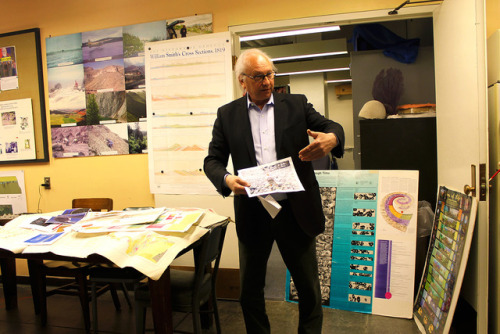
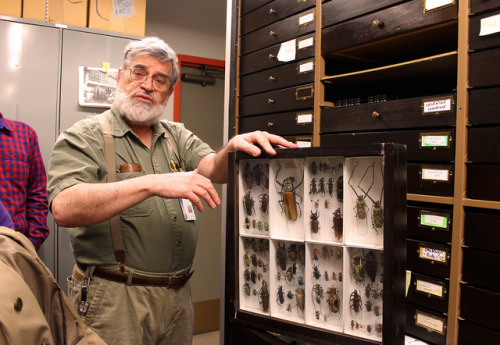
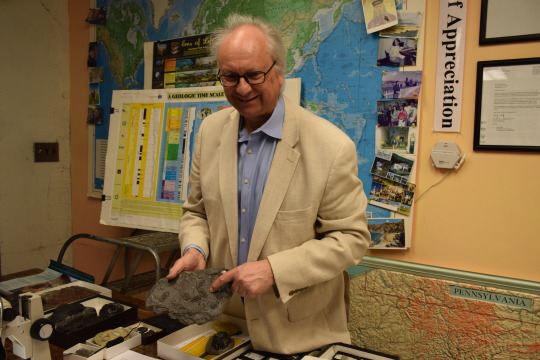
Albert Kollar giving a geology presentation

In August, Collection Manager Albert Kollar (Section of Invertebrate Paleontology) was notified by the American Association of Petroleum Geologists–one of the world’s largest geological professional societies–that he had been selected to receive the George V. Cohee Public Service Award. The award recognizes the contributions of geologists to the public. With Albert’s service in the Pittsburgh Geological Society and his long record of public education, field trips, and outreach devoted to the geosciences, this award is an appropriate tribute for his 40+ years of public service.
Filed Under: Blog Tagged With: Albert Kollar, geology, invertebrate paleontology

August 3, 2017 by wpengine

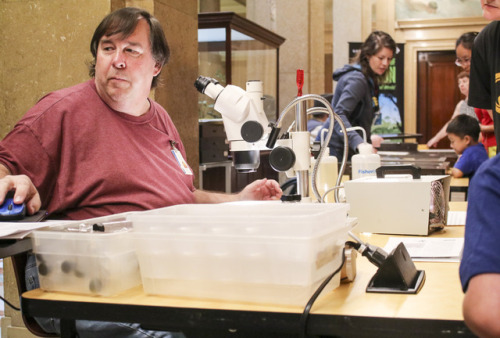
Researchers and scientists at work

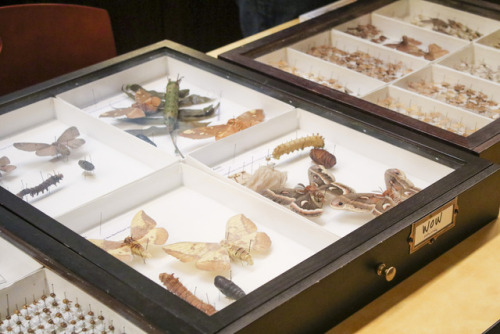
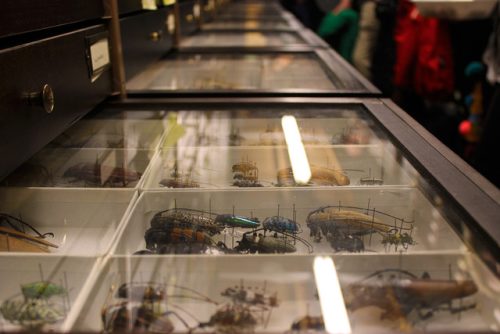
specimens from the section of Invertebrate Zoology

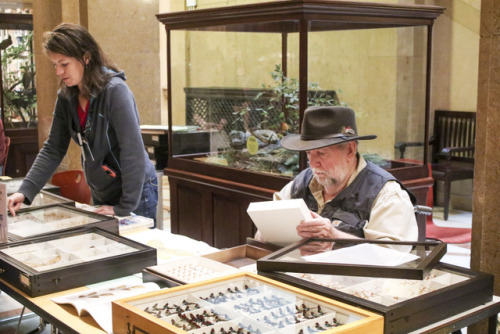
researchers at work

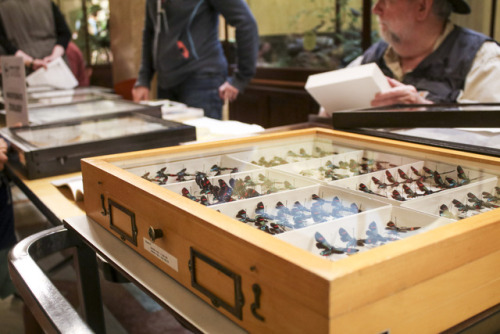
moth and caterpillar specimens

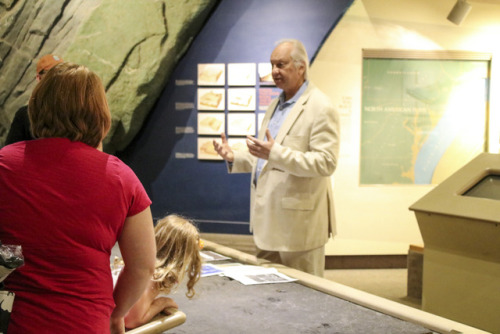
Albert talking to visitors in Benedum Hall of Geology

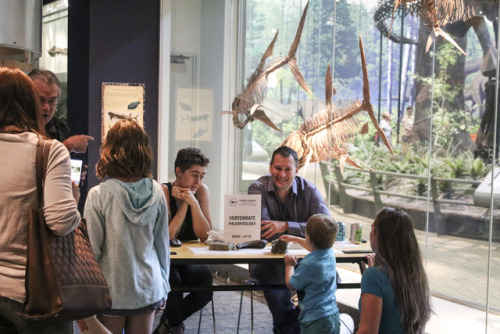
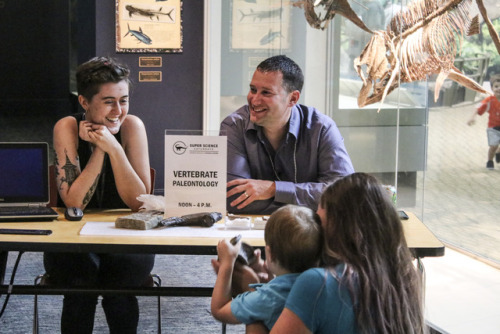
visitors meeting our dinosaur experts

researchers in the section of Invertebrate Zoology

researchers in the section of Vertebrate Palentology

Did you know researchers and scientists are at work in the museum every day?

Visitors got an inside look at the behind-the-scenes science of our museum by interacting with Carnegie scientists at a special Super Science Saturday—Scientist Takeover!

Entomologists, paleontologists, anthropologists, and other scientists spent Saturday, July 22 in the galleries showing off their cool collections, answering questions, and discussing their work with curious museum-goers. Visitors also enjoyed tours and hands-on activities like sifting through soil to find Pennsylvania land snails.

Super Science Saturdays is a program at Carnegie Museum of Natural History that invites visitors of all ages to explore a special theme through hands-on activities, experiments, demonstrations, discussions with museum experts, and more. Events are free with museum admission.

Don’t miss our next event, Whiskers and Woofs, on August 19.

Filed Under: Blog Tagged With: Albert Kollar, invertebrate paleontology, Invertebrate Zoology, John Rawlins, Matt Lamanna, mollusks, Super Science Saturday, Vertebrate Paleontology

July 27, 2017 by wpengine

University of Pittsburgh’s Consuming Nature

Albert Kollar, collection manager of the Section of Invertebrate Paleontology, spoke to Pitt students and faculty.

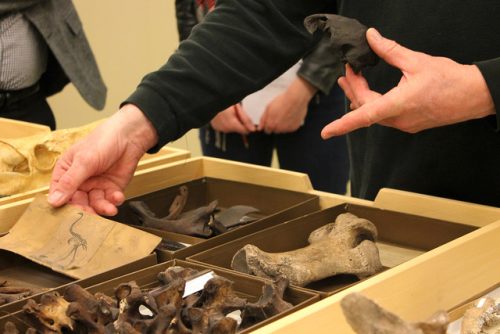
fossils in the hidden collection in the Section of Paleontology

specimens in the Section of Invertebrate Zoology.

Collection Manager Bob Davidson shared pieces of the Invertebrate Zoology collection.

Last month, the staff at Carnegie Museum of Natural History hosted students and faculty from the University of Pittsburgh’s Consuming Nature group. We gave them an exclusive, behind the scenes look at the research collection.   Dr. Eric Dorfman, the Daniel G. and Carole L. Kamin Director of Carnegie Museum of Natural History, hosted the group, who visited the museum to develop ideas and gather information for future teaching and research projects.

Filed Under: Blog Tagged With: Albert Kollar, Bob Davidson

December 5, 2016 by wpengine

Snails in the Staircase

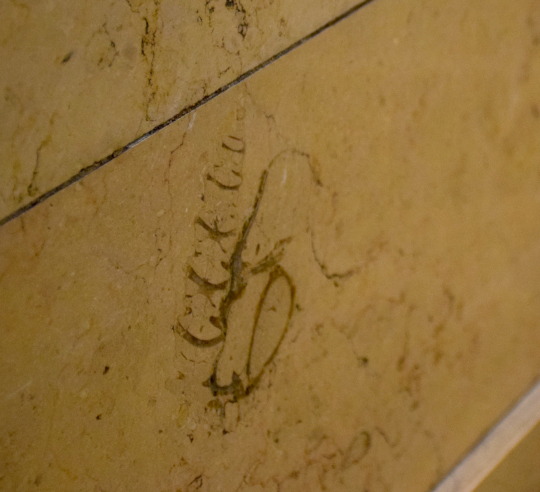
Snail Fossil embedded in grand staircase
A Fossil of a small invertebrate visible in the walls of Carnegie Museum of Natural History’s Grand Staircase.

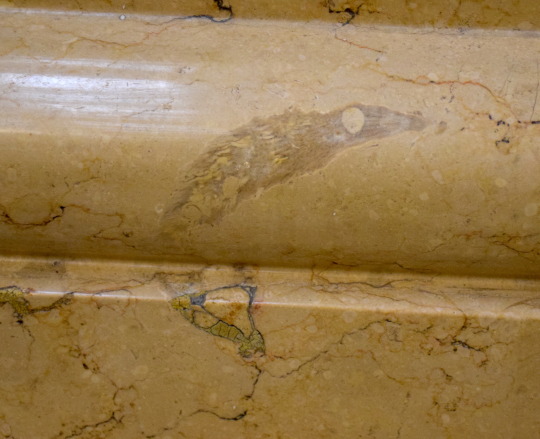
invertebrate fossil in the grand staircase
A small invertebrate visible in the walls of the Grand Staircase.

Everyone in Pittsburgh knows that Carnegie Museum of Natural History is the place to see some amazing fossils. But did you know they’re not just in our famous paleontology and geology halls? If you look carefully at the walls of our Grand Staircase, there are fossils of small invertebrates visible in the walls!

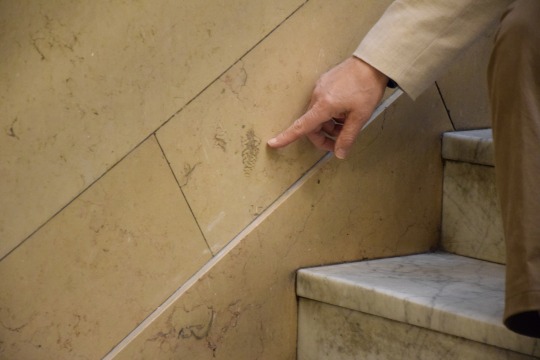
In the photo below, Carnegie Geologist Albert Kollar pointed out a small snail fossil embedded in the stone.

Keep an eye out for them on your next visit!

snail fossil embedded in stone
Carnegie Geologist Albert Kollar points out a small snail fossil embedded in the stone.

Filed Under: Blog Tagged With: Albert Kollar, fossils, invertebrate paleontology, snails

November 29, 2016 by wpengine

Carnegie geologist in France

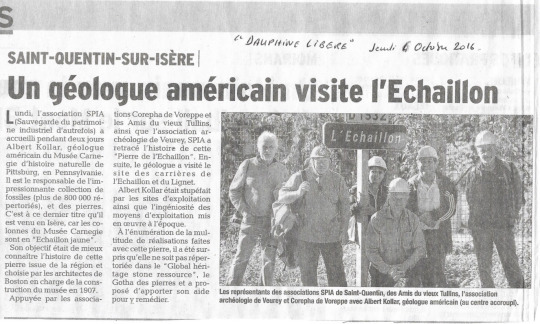
french newspaper

Last month, Carnegie Museum of Natural History Geologist Albert Kollar was traveling in France on a research trip, where a local newspaper wrote about his work. Read the translation below.

In the picture, Kollar is photographed with representatives of the SPIA associations of Saint-Quentin, the Friends of the old Tullins, the Archaeological Association of Veurey and Corepha de Vorepp.  Kollar is in the middle, crouching.

An American geologist visits the Echaillon
Saint-Quentin-sur-Isère

On Monday, the association SPIA (protection of the past
industrial patrimony) welcomed for two days Albert Kollar, an American
geologist from the Carnegie Museum of Natural History in Pittsburgh, Pennsylvania.
He is the person responsible of the impressive fossil collection (more than
800.000 registered) and the stones. It is in this regard that he came in Isère,
because the columns of the Carnegie Museum are made of “yellow Echaillon”.

His objective was to know better the story of this stone
stemming from the region and chosen by the architects of Boston in charge of
the construction of the Museum in 1907.

Supported by the associations “Corepha de Voreppe” and “The
Friends of the old Tullins”, and by the Archaeological Association of Veurey,
SPIA reconstituted the story of this “stone of Echaillon”. Then, the American
geologist visited the stone quarries of the Echaillon and the Lignet.

Albert Kollar was amazed by the production sites and by the
ingenuity of the techniques used by the past.

Despite the multitude of constructions made with this stone,
he was surprised that it was never recorded in the “Global heritage stone resource”,
the Gotha of stones and proposed to provide assistance to remedy it.

Filed Under: Blog Tagged With: Albert Kollar, geology, invertebrate paleontology, Pittsburgh

July 29, 2016 by wpengine

A Blast of Pittsburgh’s History

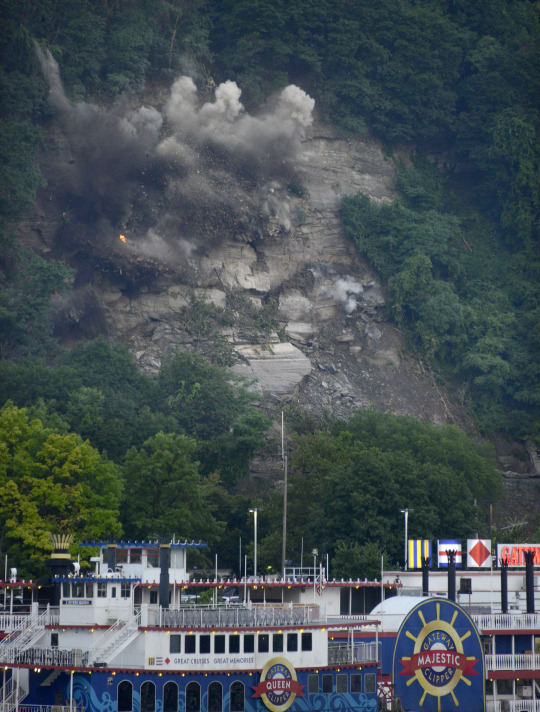
Hillside explosion above a Pittsburgh river boat
Photo by Darrell Sapp/Post-Gazette

by Albert Kollar 

The recent blasting (not the 4th fireworks) of rocks onto the railroad tracks along West Carson Street is one of the great geology stories of Pittsburgh. The large boulder pictured in the July 6, Pittsburgh Post-Gazette story is sedimentary rock formed more than 300 million
years ago when Pittsburgh was situated near the equator during a time of warm, dry, and wet climate.

The landscape was a broad coastal area similar to today’s southern United States at New Orleans. The rivers back then flowed northwest draining out from the rising Appalachian Mountains forming off the east coast of ancestral North America. The salt water sea or coast line at the time was situated west near Columbus, Ohio.

After the Appalachians formed erosion of the massive mountain of rocks eroded down over millions of years to approximately what we see today as the flat top of Mt. Washington or Grandview Avenue.

Then the Ice Age came and helped form the River Valleys of the Allegheny River and the Monongahela River, forming the new Ohio River at the Pittsburgh point. We know from geology that the steep slope sides along the river valleys are unstable and have been for thousands of years.

Once Pittsburgh was established in 1758 with the fall of French Fort Duquesne, civilization, industrialization, and building of the railroads in 1850 and 1900 into the hillside above W. Carson Street, created more destabilization of the hillside. Now more rocks fall.

Albert D Kollar is a geologist at Carnegie Museum of Natural History. Museum employees are encouraged to blog about their unique experiences and knowledge gained from working at the museum.

Filed Under: Blog Tagged With: Albert Kollar, geology, invertebrate paleontology, Pittsburgh

  • « Go to Previous Page
  • Page 1
  • Interim pages omitted …
  • Page 4
  • Page 5
  • Page 6
  • Page 7
  • Go to Next Page »

sidebar

About

  • Mission & Commitments
  • Directors Team
  • Museum History

Get Involved

  • Volunteer
  • Membership
  • Carnegie Discoverers
  • Donate
  • Employment
  • Events

Bring a Group

  • Groups of 10 or More
  • Birthday Parties at the Museum
  • Field Trips

Powdermill

  • Powdermill Nature Reserve
  • Powdermill Field Trips
  • Powdermill Staff
  • Research at Powdermill

More Information

  • Image Permission Requests
  • Science Stories
  • Accessibility
  • Shopping Cart
  • Contact
  • Visitor Policies
One of the Four Carnegie Museums | © Carnegie Institute | Privacy Policy | Terms of Use | Accessibility
Rad works here logo