• Skip to primary navigation
  • Skip to main content
  • Skip to primary sidebar

Carnegie Museum of Natural History

One of the Four Carnegie Museums of Pittsburgh

  • Visit
    • Buy Tickets
    • Visitor Information
    • Exhibitions
    • Events
    • Dining at the Museum
    • Celebrate at the Museum
    • Powdermill Nature Reserve
    • Event Venue Rental
  • Learn
    • Field Trips
    • Educator Information
    • Programs at the Museum
    • Bring the Museum to You
    • Guided Programs FAQ
    • Programs Online
    • Climate and Rural Systems Partnership
  • Research
    • Scientific Sections
    • Science Stories
    • Science Videos
    • Senior Science & Research Staff
    • Museum Library
    • Science Seminars
    • Scientific Publications
    • Specimen and Artifact Identification
  • About
    • Mission & Commitments
    • Directors Team
    • Museum History
  • Tickets
  • Give
  • Shop

behind the scenes

September 6, 2016 by wpengine

Mollusk Collection

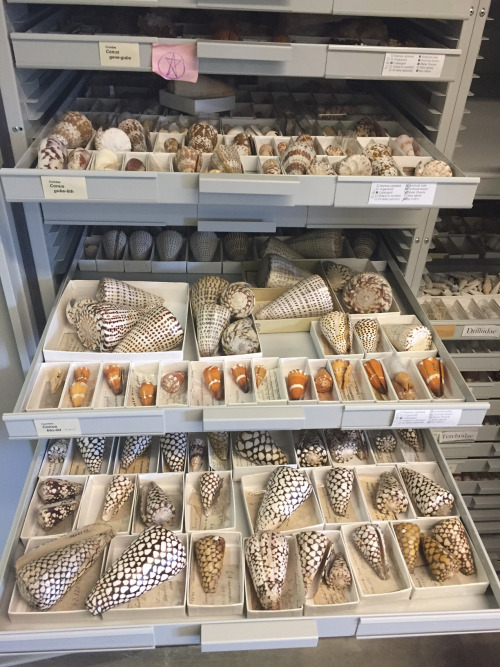
specimen drawers from the Mollusk Collectionby Hayley Pontia

Carnegie Museum of Natural History’s collection of mollusks is home to about 3 million specimens that include more land and freshwater snails from Pennsylvania and its adjacent states than all other U.S. museums combined.

What are mollusks you ask? They are one of the most diverse groups of animals on the planet. They have a soft body with a ‘head’ and ‘tail’ region. Their bodies are most commonly covered in a hard exoskeleton, but some can even have their shells on the inside.

You may know the most common mollusks without even knowing they are mollusks: snails, clams, octopuses, scallops, oysters, and even squids are all part of this phylum. Many people are around these animals, yet know very little about them.

As assistant curator and head of mollusks at Carnegie Museum of Natural History, Tim Pearce spends a lot of time researching and understanding these specimens.  Every second Saturday, Pearce gives tours of the collection found in the basement of the museum for those interested in learning more about these unique species.

Pearce collecting snails at Carrington Point on Santa Rosa Island, California. San Miguel Island is visible in the distance. (Photo by Charles Drost.)

Hayley Pontia is the marketing assistant at Carnegie Museum of Natural History and a student at the University of Pittsburgh. Museum employees are encouraged to blog about their unique experiences of working at the museum.
Filed Under: Blog Tagged With: behind the scenes, collections, mollusks, snails, Tim Pearce

August 29, 2016 by wpengine

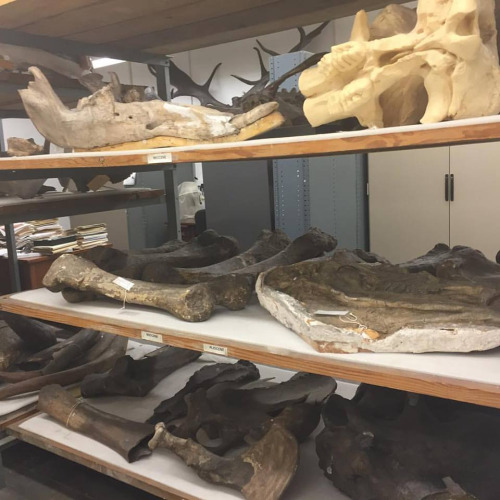
Bones in the Basement

Bones on a shelf

by Hayley Pontia
If you thought there were a lot of bones on display in the Carnegie Museum of Natural History, think again. Many of the 22 million objects and scientific specimens in the museum’s collection are kept in storage and used for scientific research.

Amy Henrici, Collection Manager for Vertebrate Paleontology, manages the Vertebrate Paleontology collection, which houses fossils that span through 465 million years of prehistoric history. It is the fourth largest collection in the country and includes 79,464 catalogued specimens: 80 percent are mammals, 11 percent fish, 5 percent reptiles (including 690 dinosaur fossils), 3 percent amphibians, and .5 percent birds.

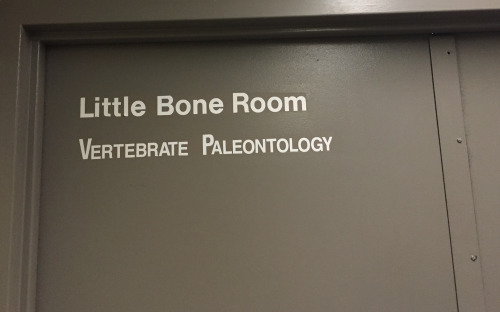
Most of the dinosaur specimens are archived in the Big Bone Room and the Little Bone Room. Contrary to popular belief, the description of these rooms is in relation to the space available, not the size of the bones.

Little bone room door


Hayley Pontia is the marketing assistant at Carnegie Museum of Natural History and a student at the University of Pittsburgh. Museum employees are encouraged to blog about their unique experiences of working at the museum.
Filed Under: Blog Tagged With: Amy Henrici, behind the scenes, fossils, museums, paleontology, Pittsburgh

June 1, 2016 by wpengine

Behind the Glass in Hillman Hall

Carnegie Museum of Natural History has far more mineral and
gem specimens that we could ever display, but than doesn’t mean they stay hidden.

Collections managers routinely swap out specimens in Hillman
Hall of Minerals and Gems. This week, we’re excited to share some behind the
scenes footage of two new specimens being put on display!

To display a new specimen, a collection managers removes the glass
from the cases and carefully swaps out the specimens, making sure to artfully position
the minerals for visitors to enjoy.

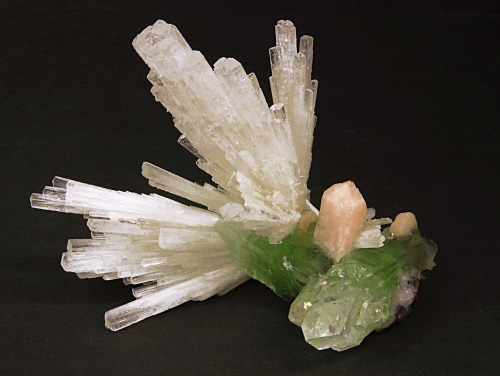
The first newly-displayed specimen features three different
mineral species. The base mineral is fluorapophyllite, with traces of vanadium
that give it a stunning green color. The white offshoots are scolecite, and the
peach colored mineral is stilbite.

Marc Wilson, head of the minerals section, said the specimen was
found in India,

when villagers in Jalgaon district of
Maharashtra State dug a well. Though
many specimens were collected from the site, Wilson said the specimen now at
Carnegie Museum of Natural History was the best.

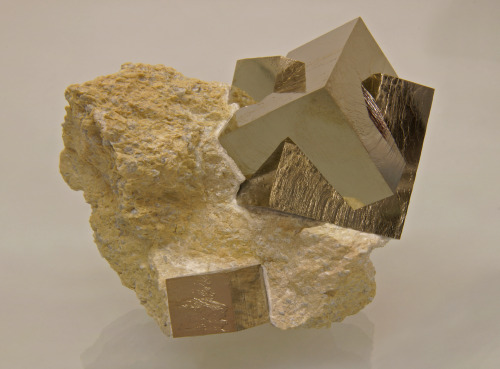
Pyrite, sometimes called “fool’s gold"

The second specimen
is pyrite, sometimes called “fool’s gold.” The cubical shape of the pyrite
occurs naturally, but the rock surrounding the mineral is mechanically removed.

This pyrite is from Navajun Spain, which is known for its
pyrite.

Both specimens are on display now in Hillman Hall

Photos by Debra Wilson

Filed Under: Blog Tagged With: behind the scenes, Hillman Hall, Marc Wilson, minerals, Pittsburgh

March 24, 2016 by wpengine

Egg-cellently Prepared

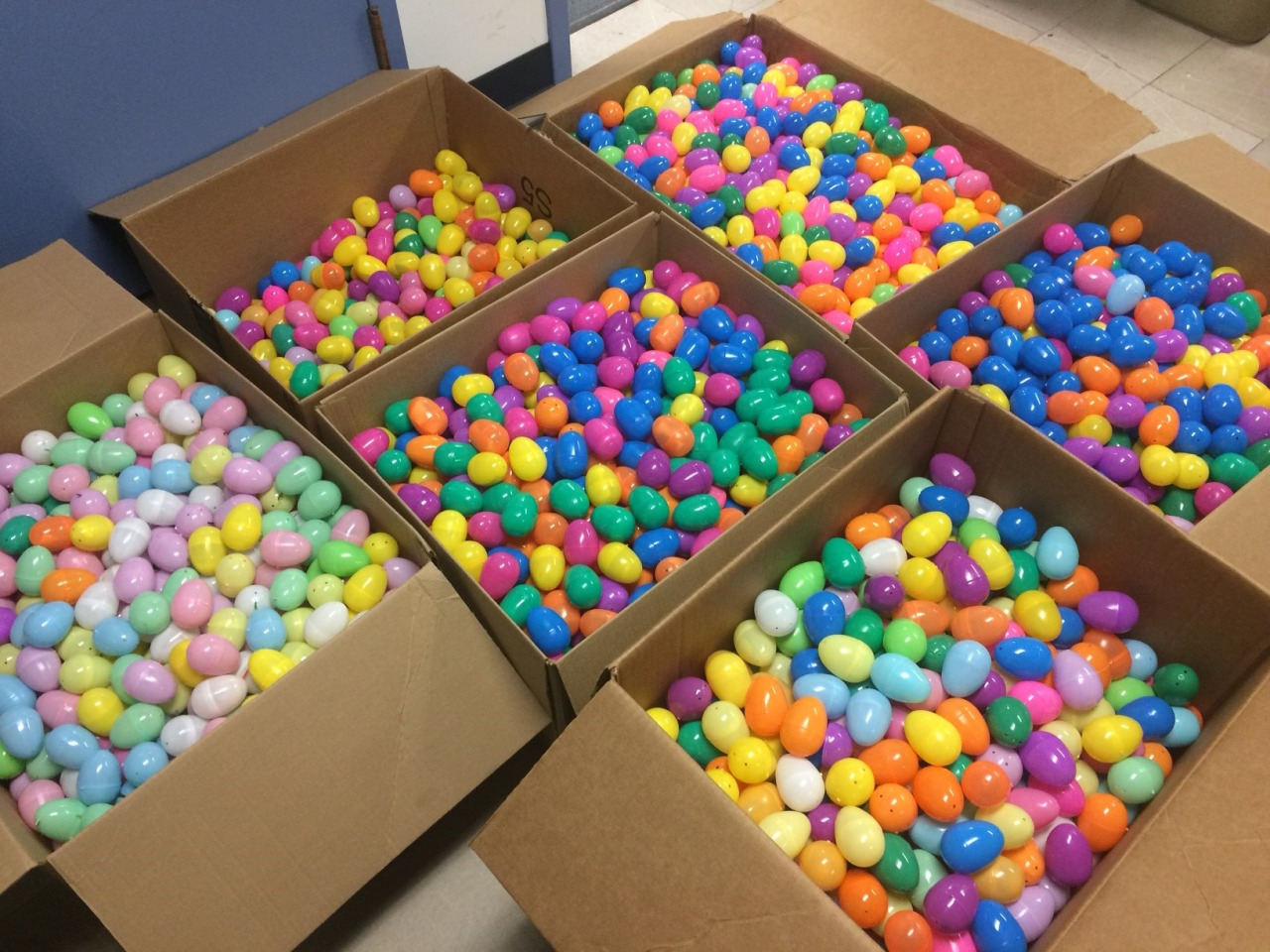
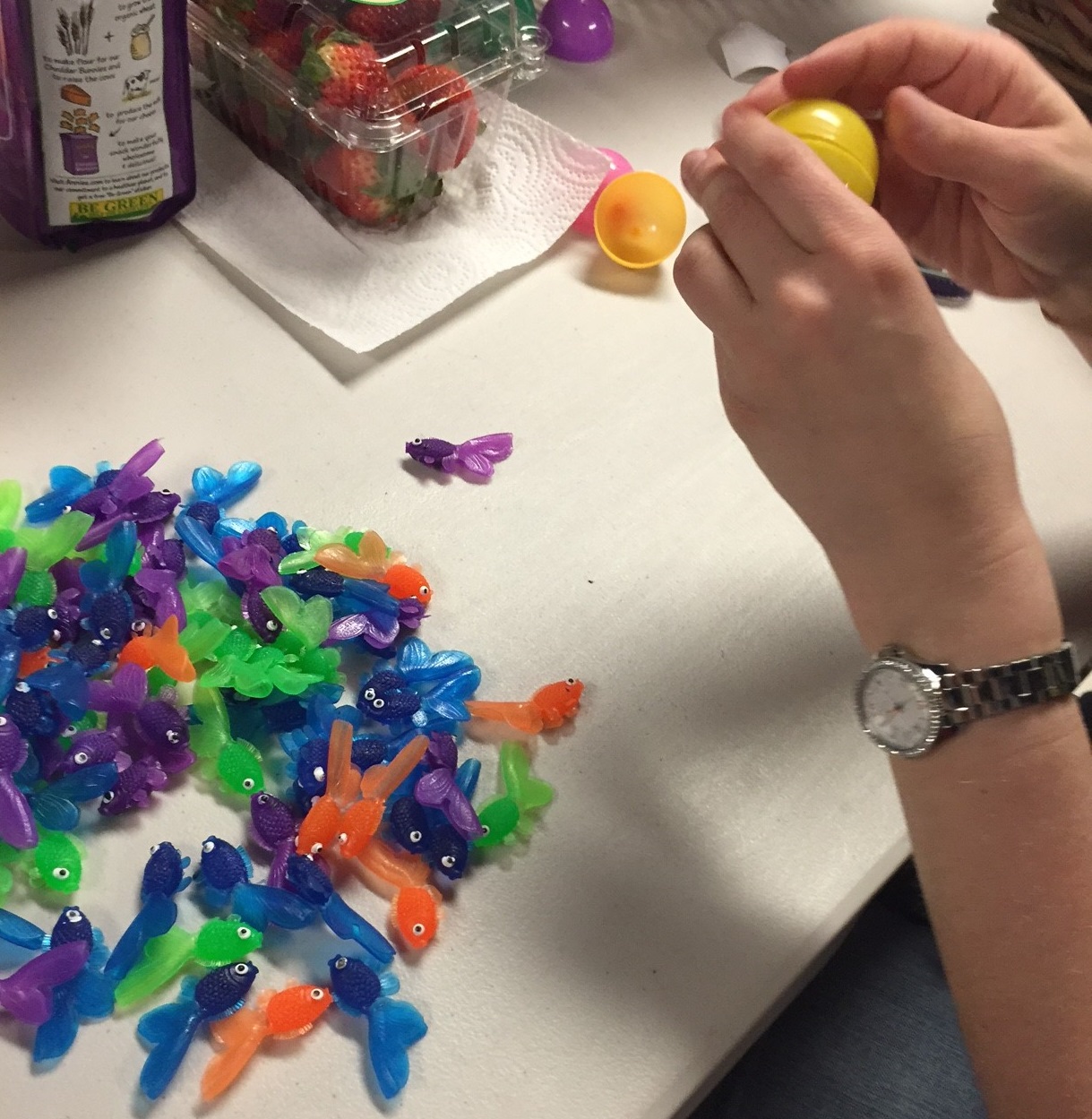
Boxes of colorful plastic eggs Assembling eggs Filling plastic eggs

Museum staff was hard at work last week stuffing more than 4,000 eggs for the annual Egg-cellent Egg Hunt on March 26. The first 600 children to participate will be able to follow clues around the museum that will lead to the treats! This event will be from noon-4 p.m. and is designed for children 3–10 years old.

Filed Under: Blog Tagged With: behind the scenes, museums

  • « Go to Previous Page
  • Page 1
  • Page 2

sidebar

About

  • Mission & Commitments
  • Directors Team
  • Museum History

Get Involved

  • Volunteer
  • Membership
  • Carnegie Discoverers
  • Donate
  • Employment
  • Events

Bring a Group

  • Groups of 10 or More
  • Birthday Parties at the Museum
  • Field Trips

Powdermill

  • Powdermill Nature Reserve
  • Powdermill Field Trips
  • Powdermill Staff
  • Research at Powdermill

More Information

  • Image Permission Requests
  • Science Stories
  • Accessibility
  • Shopping Cart
  • Contact
  • Visitor Policies
One of the Four Carnegie Museums | © Carnegie Institute | Privacy Policy | Terms of Use | Accessibility
Rad works here logo