• Skip to primary navigation
  • Skip to main content
  • Skip to primary sidebar

Carnegie Museum of Natural History

One of the Four Carnegie Museums of Pittsburgh

  • Visit
    • Buy Tickets
    • Visitor Information
    • Exhibitions
    • Events
    • Dining at the Museum
    • Celebrate at the Museum
    • Powdermill Nature Reserve
    • Event Venue Rental
  • Learn
    • Field Trips
    • Educator Information
    • Programs at the Museum
    • Bring the Museum to You
    • Guided Programs FAQ
    • Programs Online
    • Climate and Rural Systems Partnership
  • Research
    • Scientific Sections
    • Science Stories
    • Science Videos
    • Senior Science & Research Staff
    • Museum Library
    • Science Seminars
    • Scientific Publications
    • Specimen and Artifact Identification
  • About
    • Mission & Commitments
    • Directors Team
    • Museum History
  • Tickets
  • Give
  • Shop

booseum

October 22, 2021 by Erin Southerland

Trick or Tweet! Clever Creature Disguises

by Shelby Wyzykowski 

It’s that time of year,

As Winter draws near,

There’s a crisp, fall-fresh chill in the air.

And the trees once so green,

Paint a colorful scene,

With their typical, Autumnal flair.

Everyone dresses up,

Like a monster or pup,

Or anything else in between.

To shout “Trick or Treat!”

And get something so sweet.

Hooray! It must be Halloween!

But be on your guard,

For if you look hard,

You’ll discover a curious thing.

Some animals, too,

Wear disguises (like you!),

Some slither, or flutter, or sing.

It could be oh so thrilling,

And maybe quite chilling,

To learn of the what, why, and how.

So let’s waste no more time,

With these whimsical rhymes,

And talk about some of them now!

Which Snake Is Venomous and Which Is In Disguise?

If you just happen to be a hiker, camper, or all-around outdoorsperson, you might just recognize this catchy saying:

“Red touches yellow,

Kills a fellow,

Red touches black,

Friend of Jack.”

Yes, it’s true that I did just claim that we were finished with rhyming for now, but knowing this pithy poem might just come in handy one day. As a matter of fact, if you are in the forests of the Southeastern U.S. and happen to stumble across a snake sporting vibrant bands of red, yellow, and black, this memorable rhyme could even save your life. It describes the very important differences between two similar-looking snakes, the Eastern Coral snake and the Scarlet Kingsnake.

The venomous and potentially deadly Coral snake has a pattern of red, yellow, and black bands encircling its body. The non-venomous, harmless Kingsnake’s body displays a pattern of red, black, and yellow bands. So, why would a harmless snake evolve in such a way that it intentionally displays bright colors that are easily spotted by predators? Because it’s hoping that a predator will spot it, mistake if for the dangerous Coral snake, and leave it alone.

This evolutionary visual deception is known as Batesian mimicry. Named after the nineteenth century naturalist Henry Walter Bates (in honor of his work with mimicry in Amazonian butterflies), this type of mimicry offers a protective function to the mimic yet offers no benefit to the species being mimicked. Not surprisingly, the more noxious the model animal is (as in the case of the Coral snake, for example), the more mimics it tends to accumulate!
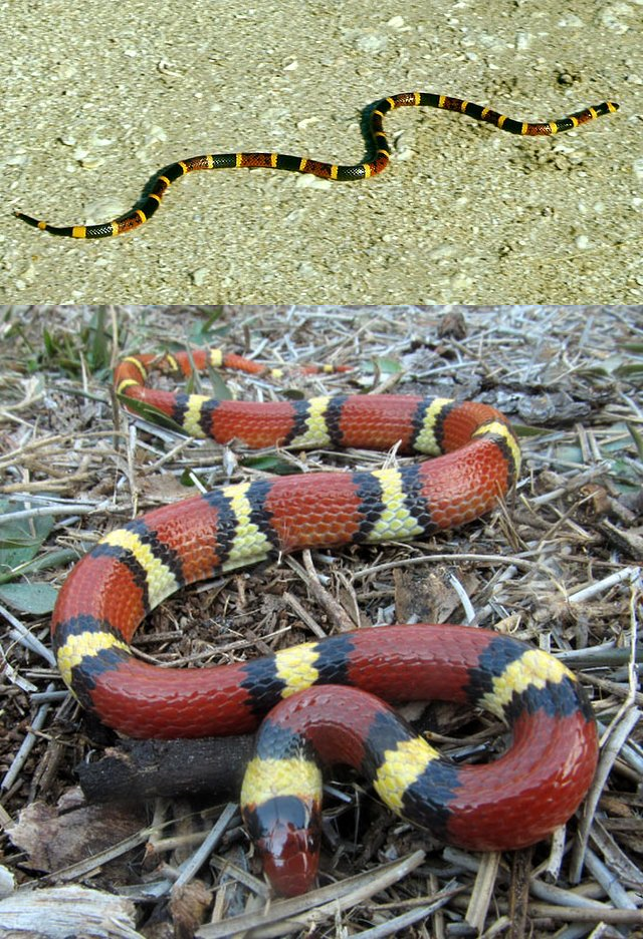
Can you spot the difference? The venomous coral snake is above the harmless scarlet kingsnake!

A Butterfly Dressed Like an Owl

Besides venomous snakes, owls are also apex predators that many smaller predators make a point to avoid, and the Owl Butterfly has evolved to take advantage of this fact. With the conspicuous yellow and black “owl eye” spots in the middle of its hind wings, this giant insect can be easily spotted in the rainforests and secondary forests of Mexico and Central and South America. Smaller animals think twice when they see the face of an owl, and this hesitation gives the large, slow-flying butterfly the time that it needs to escape. But unlike the Scarlet Kingsnake, this butterfly’s wing pattern resembles multiple predatory models. Some small predators can also mistake their “large-pupil” eyespots to be lizards or amphibians, which are two other types of predators that hunt by sight. This multi-purpose disguise makes the Owl Butterfly look intimidating when it is in fact quite timid!
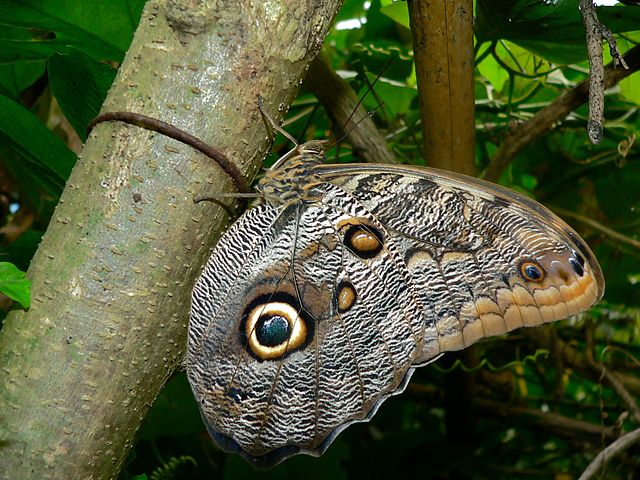
The owl butterfly uses its distinct pattern to fool potential predators.

Zone-tailed Hawk or Turkey Vulture?

But it’s not only prey species that take on other guises to deceive.  Predators want to join in on the costume fun as well.

When a hunter mimics an inoffensive species to get closer to its prey, it is called aggressive mimicry. A prime example of a species that artfully employs this type of trickster predation is the Zone-tailed Hawk. This winged “wolf in sheep’s clothing” looks remarkably like a Turkey vulture.

Turkey vultures, which are scavengers, are not seen as a threat to living creatures, so small prey animals, such as mammals, lizards, and smaller birds, learn to ignore them. Hawks take full advantage of their vulture-like façade and further increase their chances of capturing unsuspecting prey by behaving like Turkey vultures as well. They circle about and fly with their wings slightly raised, rocking back and forth in the same way as vultures. To make the act even more convincing, these raptors often soar and sometimes even roost with vultures! It’s an ingeniously cunning way to stealthily sneak up on prey and make a direct and powerful attack.  

Shrikes Are Excellent Mimics

Another bird that uses an ingenious trick to acquire a well-earned treat is the Northern Shrike. Unlike the Zone-tailed hawk that employs visual and behavioral mimicry to catch its prey, this pretty, seemingly unassuming songbird utilizes vocal mimicry. Like the Sirens of Greek mythology that used irresistibly hypnotic singing to lure in passing ships, shrikes mimic the calls and songs of their intended prey. As soon as their bewitching avian melodies have attracted their target animal to within attack range, they dispatch their prey and commence feeding.

Though the shrike has a falcon-like hooked bill (like a raptor), it still has a songbird’s feet. And since it does not have talons to tear apart its food, it has a unique method of consuming its meal. Shrikes will impale their quarry on sharp objects such as thorns or barbed wire. Once the prey is sufficiently secured, it is easier to tear apart and eat with their strong, sharp bills. They tend to favor starlings, house sparrows, and black-capped chickadees, but they don’t limit themselves solely to songbirds. Voles, mice, bumblebees, and beetles are also favorite choices, and they also catch lizards and frogs on occasion (however reptiles are normally not eaten and are left untouched once impaled).

And it’s not just adults that display this intriguing impaling behavior. Just after fledgling, young shrikes practice their impaling skills by gathering leaves or blades of grass and piercing them onto thorny branches.

Apparently though, impaling is not learned from their parents and is instead an inherited behavior, since juvenile shrikes raised alone in captivity will attempt to fix prey onto anything that is available in their cages. Ornithologists suppose that this impaling behavior has uses other than just the immediate consumption of a meal. They have observed shrikes building up caches of impaled prey in specific vicinities. Caching is a way for shrikes to store up food, similar to squirrels gathering up acorns for the winter. Also, it seems that the larger a male shrike’s cache is, the more females he attracts for mating. In addition, scientists have observed that impaled prey is deliberately positioned in specific patterns as a way to mark the boundaries of a shrike’s territory. It’s an unnerving yet effective deterrent that seems to successfully ward off rival shrikes!
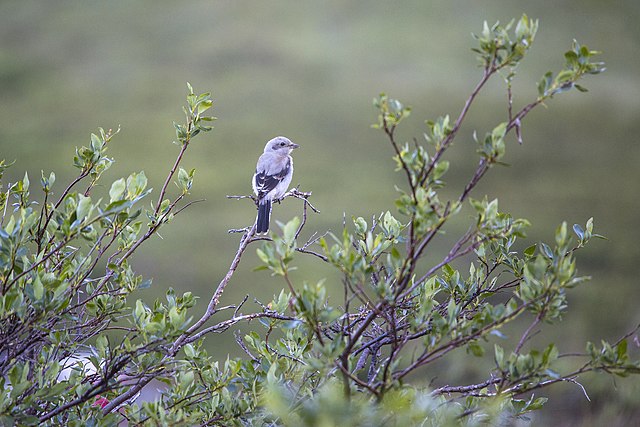
A juvenile Northern shrike, Lanius borealis, sitting on a branch.

Mimic Octopus of Indonesia

A blog post about animal pretenders wouldn’t be complete without mentioning the ultimate master of disguise, the Mimic Octopus of Indonesia. Like other octopuses, it uses chromatospheres (color-changing cells on its skin) to blend in with the shallow, sandy ocean bottom. Yet, unlike other octopuses, this crafty cephalopod is a natural-born shapeshifter. As it forages in the open water in full view of potential predators, it changes color, shape, and how it behaves based on its surroundings. Purportedly, it can mimic up to fifteen sea animals! For example, to disguise itself as the poisonous lion fish, its arms take on black and white bands and flare out and trail behind it. And to mimic the sole, a poisonous flatfish, it turns a mottled brown, arranges its arms in a leaf-shape and undulates its body as it skims along the sand.

Incredibly, scientists think that this marine mollusk can decide which costume to wear based on which predator is floating nearby. They have observed mimic octopuses, when threatened by the territorial damselfish, hide six arms in a hole and raise the other two arms (color-changed to display black and beige bands) in opposite directions. Now appearing to the confused damselfish to be a venomous banded sea snake (a known predator of damselfish), the eight-legged trickster is given the time it needs to make its escape! This use of dynamic mimicry (which is considered Batesian mimicry) is a brilliant tactic that allows the otherwise vulnerable octopus to move about freely while remaining cool, calm, and collected in a jeopardy-laden, predator-rich environment! 


So now you know why,

A creature’s disguise,

Can be such an important thing.

It helps them to thrive,

Or just stay alive,

To see what the next day will bring.

And as you have fun,

On your house-to-house run,

To collect all the candy you’ve earned,

Do make sure you recall,

This blog post, rhymes and all,

And please don’t forget what you’ve learned.

Yes, you should be quite wary,

‘Cause it could be real scary,

To see ghosts, ghouls, and goblins galore.

But remember, beware,

There’s a whole world out there,

Of real creatures that offer much more.

Like the owl butterfly,

And the hawks in the sky,

Or even a shrike or two.

Just know if shrikes could speak,

With those sharp little beaks,

They might shout “Trick or Treat!” right at you!

Happy Halloween!

Shelby Wyzykowski is a Gallery Experience Presenter in CMNH’s Life Long Learning Department. Museum staff, volunteers, and interns are encouraged to blog about their unique experiences and knowledge gained from working at the museum.

Related Content

Booseum: Vampires!

Jack-o-Lantern Chromatography

Spiders as Interior Designers

Carnegie Museum of Natural History Blog Citation Information

Blog author: Wyzykowski, Shelby
Publication date: October 22, 2021
Share this post!

  • Share on Twitter Share on Twitter
  • Share on Facebook Share on Facebook
  • Share on Pinterest Share on Pinterest
  • Share on LinkedIn Share on LinkedIn
  • Share on Reddit Share on Reddit
  • Share via Email Share via Email

Filed Under: Blog Tagged With: booseum, Shelby Wyzykowski

October 16, 2020 by Kathleen

Booseum: Wiggly Worms Activity

Wiggling gummy worms are super delightful for little inquiring minds.

*This activity requires adult supervision!

What You’ll Need

  • Gummy worms
  • Baking soda
  • Vinegar
  • Two clear cups or glasses
  • Small kitchen knife
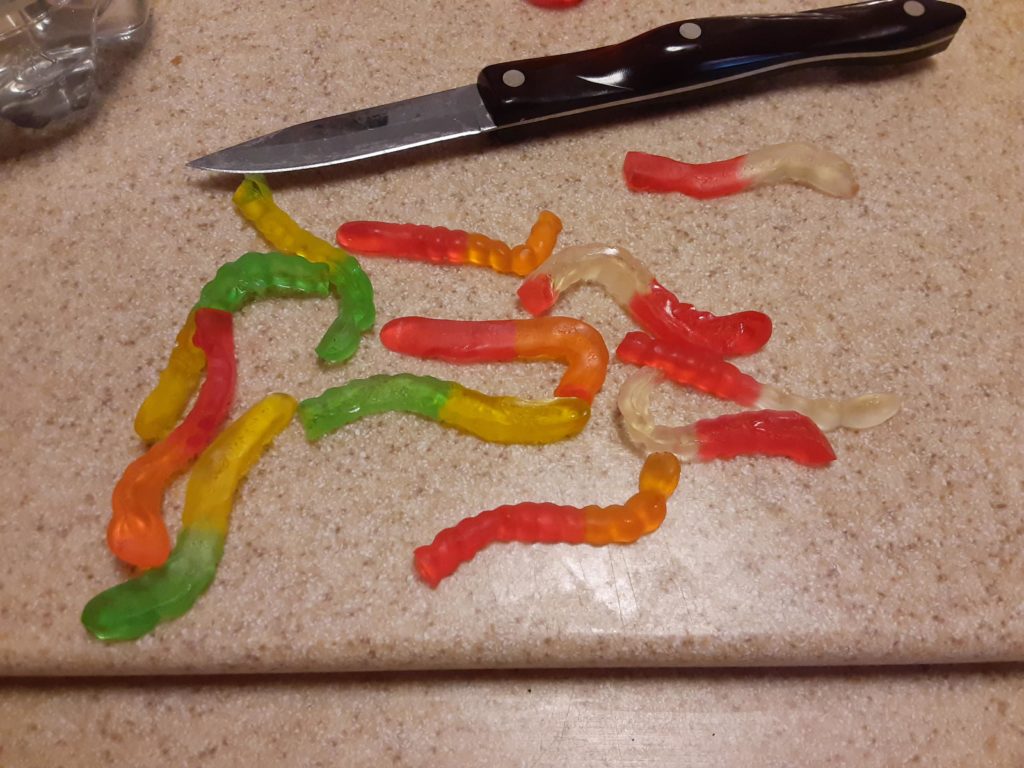
items needed for wiggly worms activity

Directions

  1. Cut gummy worms into two strips lengthwise
  2. Fill clear glass with 1 cup warm water and 2 Tbsp. baking soda and stir.
  3. Add gummy worm strips and soak for 15 minutes.
  4. In the meantime, fill second glass with vinegar.
  5. After 15 minutes, scoop gummy worms out of glass with baking soda and transfer to the glass with vinegar.
  6. Watch your gummies wiggle.

What’s happening to my gummies?

Acetic acid in vinegar plus bicarbonate in baking soda equals carbon dioxide gas bubbles. Acid + Base = Bubbly reaction. The baking soda absorbing into the gummy worms makes bubbles when transferred to the vinegar. Bubbles rise to the top, taking your gummy worm with them giving the appearance of wiggly worms.

Try different gummy worm lengths and sizes to see which ones wiggle the most, which ones wiggles the least, and which ones don’t wiggle at all. Take notes in a notebook and draw some pictures. Measure with a ruler for exact measurements.

What other gummies wiggle? Gummy bears, gummy spiders, gummy insects?

gummy worms cut in half

Filed Under: Blog Tagged With: booseum

October 16, 2020 by Kathleen

Booseum: Hotdog Mummification Activity

Most people associate mummies with Ancient Egypt. The remains of dead people and animals have been mummified at many places in the world, sometimes as a planned process, and sometimes because of ideal climate conditions for preservation. In this activity you can use a hotdog to find out how mummification occurs — just be sure to have a grownup to help!

What You’ll Need

  • Uncooked hotdog (cut up fruit pieces can be used in place of a hotdog)
  • Ziploc or an air-tight, sealable bag/container
  • Salt or baking soda
  • Cutting board/ newspaper to keep workspace clean
  • Ruler
  • Kitchen scale (optional)
On the desert road from Cairo to Sheikh Abada

Directions

  1. Line the bottom of the bag/container with at least one inch of baking soda (bottom should be covered thoroughly and not visible).
  2. OPTIONAL: measure and weigh your hotdog with the ruler and kitchen scale. Then record your results!
  3. Place the uncooked hotdog in a Ziploc or sealable bag/container.
  4. Cover the hot dog completely in another layer of baking soda.
  5. Place the bag/container in a dark location with a neutral temperature.

      The Ziploc bag or sealed container is like a portable desert! Deserts can be hot or cold. Their defining condition is little yearly precipitation, in the form of rain or snow. Because deserts are so dry, it takes bacteria far longer to break down or decompose organic material. This allows once living tissues to be preserved—so long as they remain in the same dry conditions. The process of organic material drying out or mummifying is called desiccation and will start to happen to your hotdog in as little as 2 days!

Examine your hotdog after a few days. If you weighed and measured it before, do so now. What’s different? Does it still feel the same? You can put the hotdog back in the Ziploc bag or container and leave it for a few more days and repeat this process. Just don’t eat the hotdog when you’re done!

Filed Under: Blog Tagged With: booseum

October 16, 2020 by wpengine

Superstitions and Black Cats

The number 13, four-leaf clovers, walking under an open ladder, stepping on a crack in the sidewalk, and opening an umbrella inside are just a few of the superstitions that I learned about as a child—either from my own family or from friends. As an adult, it might be easy to laugh off superstitions or look at data to “disprove” them, but there is no denying that superstitions are present in cultures across the globe. And they have a real impact on the way people experience the world.

A study published in the International Journal of Psychology and Behavioral Sciences describes the possible origin of superstitions as a way of creating the perception of “having control over outer conditions” (1). This means that superstitions are used to create understanding and exert control over aspects of our lives that we may have little to no control over, like the weather. Additionally, in an interview with the British Psychological Society psychologist Stuart Vyse explains there is evidence that performance in skills-based activities may be improved when “luck-enhancing” superstitions are employed (2). His statement suggests that superstitious behavior has a psychological benefit or reduction in anxiety for the individual.

Now that we have a small understanding of the origin and impact of superstitions, I’d like to look specifically at one object of superstition that often appears around this time of year: black cats.

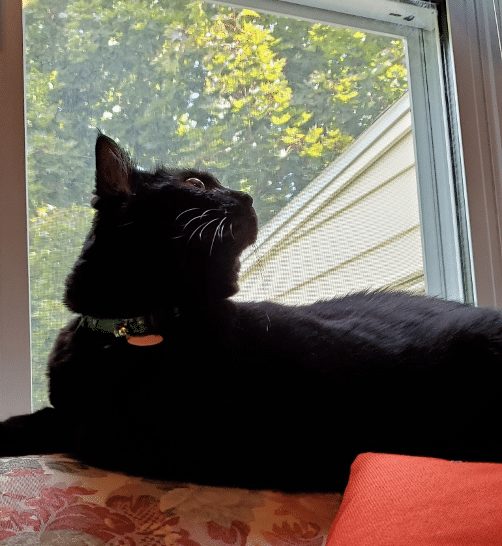
Figure 1: Black cat in front of a window. Credit: @daykittymeow on Instagram, used with permission.

Before taking the time to learn more about the superstitious history of black cats, I thought that they were only considered a sign of bad luck, but I quickly discovered that this is not the case! Black cats appear in the folklore of many more cultures as both good and bad omens. In some European folklore, black cats are considered common companions of witches and bringers of misfortune if they happened to cross your path. In contrast, Welsh folklore depicts black cats would bring luck to a home and could even be a reliable weather predictor (3).

Did you know of these superstitions about black cats? Are there any other superstitions or other lucky rituals that you practice?

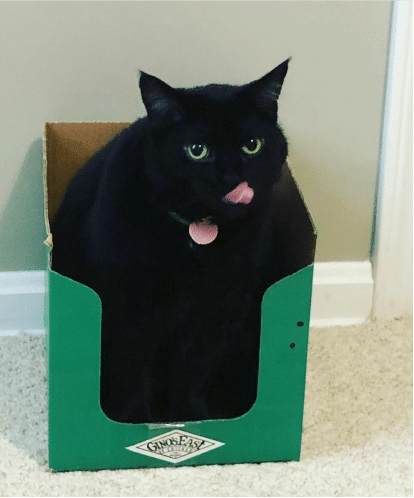
Figure 2: Black cat sitting in a green box. Credit: @daykittymeow on Instagram, used with permission.

If this post inspired you to adopt a black cat of your own, don’t forget to check out our Cat Adoption Guide!

Riley A. Riley is a Gallery Experience Presenter in CMNH’s Life Long Learning Department. Museum staff, volunteers, and interns are encouraged to blog about their unique experiences and knowledge gained from working at the museum.

Sources:

1.     Mandal, F. (2018). Superstitions: A Culturally Transmitted Human Behavior. http://article.sapub.org/10.5923.j.ijpbs.20180804.02.html

2.     Fradera, A. (2016, November). The everyday magic of superstition. https://thepsychologist.bps.org.uk/volume-29/november-2016/everyday-magic-superstition

3.      Owen, E. (2006). WELSH FOLK-LORE: A collection of the folk-tales and legends of north wales. Project Gutenberg. http://www.gutenberg.org/ebooks/20096

Related Content

The Jack-o’-Lantern’s Origins

How-to Make Hatch-able Dinosaur Eggs! 

Scientist Takeover: Measuring Leaves

Filed Under: Blog Tagged With: booseum, Educator Resources, Educators, Riley A. Riley, Super Science Days

October 14, 2020 by wpengine

The Jack-O-Lantern’s Origins

It’s dark out. The wind blows through the branches, bringing a chill that isn’t necessarily due to the temperature. Suddenly you find yourself hyper aware of every sound around you, and you start as you realize you see a pair of eyes glowing at you…until you realize it’s a jack-o-lantern. Happy Halloween, indeed.

You may be wonder how jack-o-lanterns became so popular, or why we carve them out of pumpkins. To know the origins of jack-o-lanterns, we have to go all the way back across the Atlantic to the fens, or marshes, of rural Ireland. In the early 1600’s, the legend of a shadowy figure began to arise known as Stingy Jack (Jack the Smith, Drunk Jack, Flakey Jack, and other names are also in the folklore and can be used interchangeably).

The most popular version of the tale involves Jack first tricking the Devil into changing his form, then trapping him in his transfigured state. Jack then offered the Devil out of the deal in exchange for not taking his soul for a long time. Some longer versions of the story have the Devil being tricked 3 or 4 different times.

Eventually though, time caught up with Jack and he was unable to trick the Devil again. Stingy Jack was sentenced to roam the Earth for all eternity with nothing but an ember given to him by the Devil to light his way.

There is also other folklore from this time surrounding what’s known as ignis fatuus, or false fire. False fire is an actual occurrence— scientifically, ignis fatuss, is known as marsh gas and occurs during the spontaneous ignition of methane created by decaying plant matter in marshes or swampy areas. These two legends began to intertwine—when many people in the moors of the British Isles saw the naturally occurring marsh gas, they attributed to Stingy Jack.

turnips carved into jack-o'-lanterns

Many people in those areas also continued the Gaelic celebration of Samhain, with its rituals of going from house to house in search of food and drink (these are the origins Trick or Treating). As it was naturally dark in pre-industrial revolution Ireland, many would carve turnips, potatoes or other root vegetables and add coals or candles to create makeshift lanterns to help guide those celebrating. Occasionally these would be carved with faces, a tradition that continues to this day in Britain and Ireland.

The waves of immigrants created by the Great Potato Famine of the 1840’s. As with most immigrants also had a role in traditional jack-o-lanterns. They arrived in America to celebrate Halloween and were able to find a very particular new world crop that was much larger and easier to carve than their root vegetables of home; the winter squash, the most famous of which is a pumpkin. (There are also several French recipes for a pumpkin soup that suggest carving pumpkins for decoration as early as the 1760’s).

Pumpkins themselves were introduced by the Indigenous Peoples to Europeans as early as the 1600’s, when tales of Jack first began to be told. Several cultures mixed together in celebration of Halloween, creating the iconic pumpkin faces we still know today.

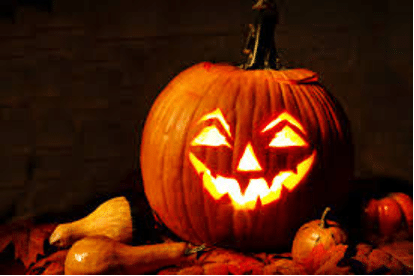
jack-o'-lantern

Andrew Huntley is a Gallery Experience Presenter in CMNH’s Lifelong Learning Department. Museum staff, volunteers, and interns are encouraged to blog about their unique experiences and knowledge gained from working at the museum.

Related Content

Jack-o’-Lantern Chromatography

Booseum: Vampires!

Is This What They Call Overkill? Toxin and Venom in the Herp World

Filed Under: Blog Tagged With: booseum, halloween, Super Science Days

October 14, 2020 by Kathleen

Booseum: Jack-o-Lantern Chromatography

Sometimes the easiest way for scientists to learn what components make up a mixture is to separate them. Chromatography is a simple technique for separating different mixtures using a liquid. But chromatography can also be used to separate colors! Follow the steps below to make a truly unique jack-o-lantern this Halloween!

What You’ll Need

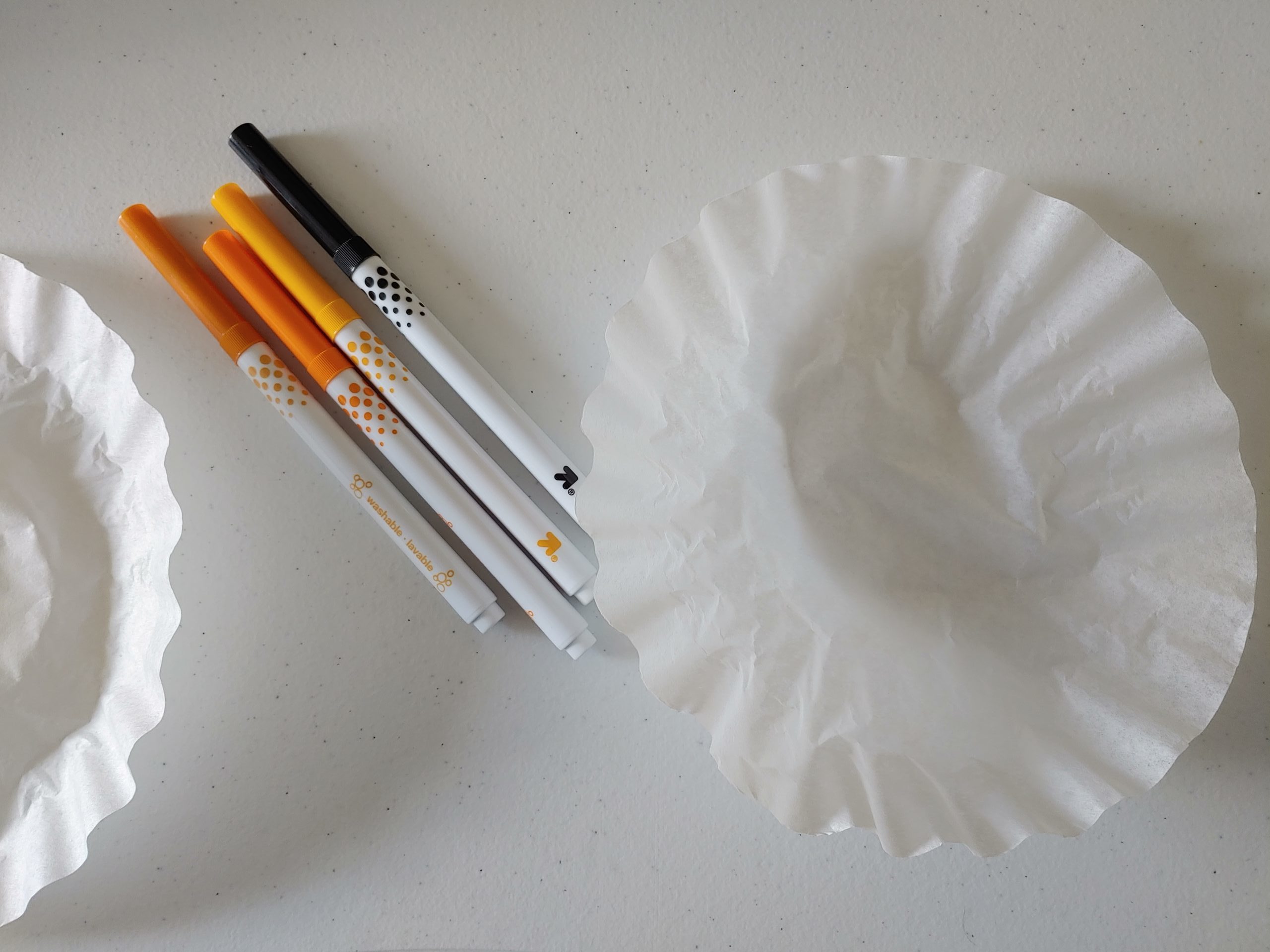
  • Coffee filters (or paper towels)
  • Washable markers
  • Spray bottle with water
  • Drying station
  • Optional: additional decorations like tissue paper, pipe cleaners, tape, or glue
materials for chromatography activity

Directions

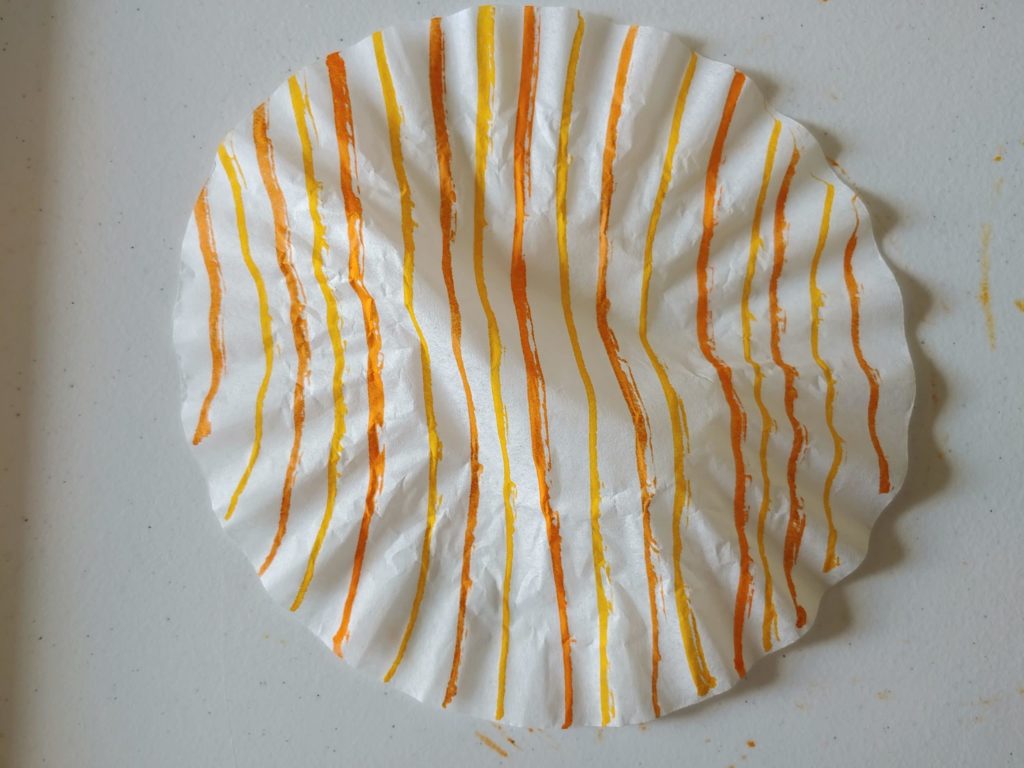
  1. Using washable markers, start to color the coffee filter or paper towel cut into a circle. Don’t color a face yet; we’re saving that for last! Use whatever colors you’d like.
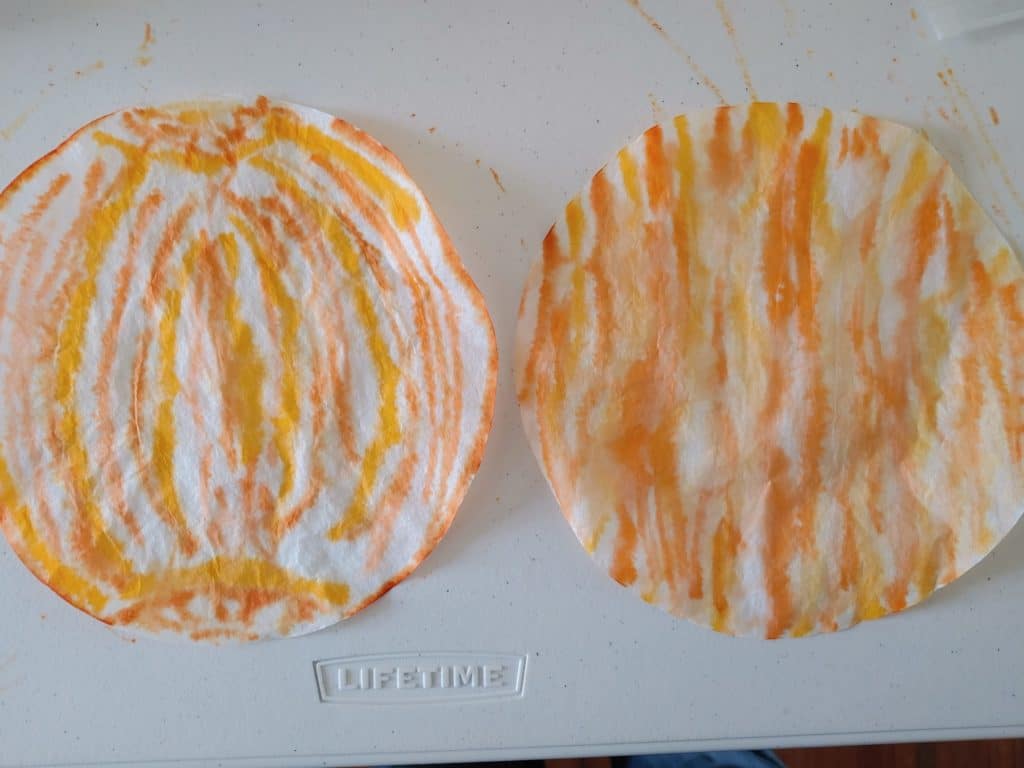
  2. Spray the coffee filter with water. Try not to use too much! You’ll see the colors begin to bleed almost immediately.
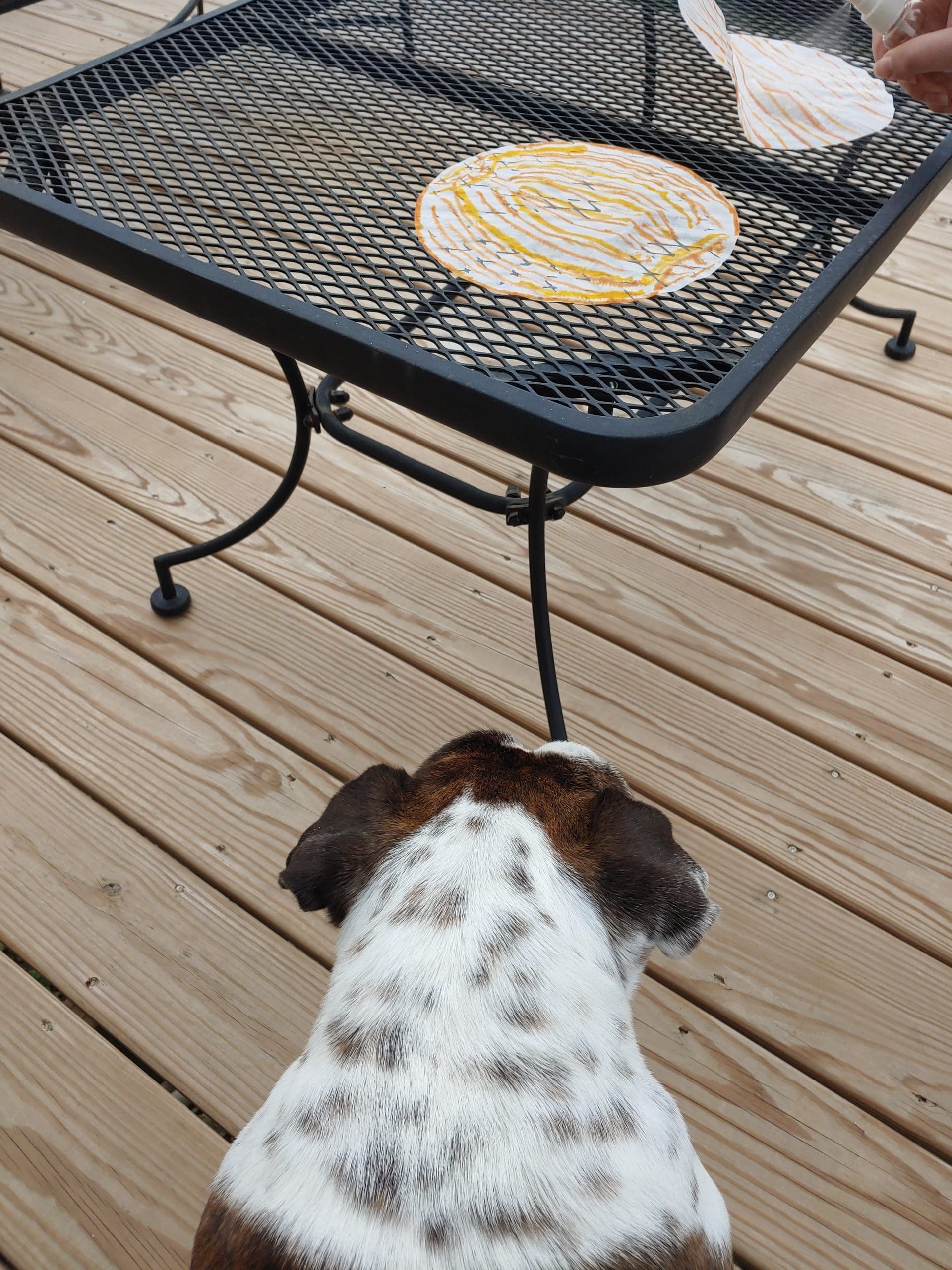
  3. Place the filter on your drying station. Allow about 5-10 minutes to dry.
    dog watching coffee filter dry
  4. What jack-o-lantern would it be without a face? Put the final touches on your creation!
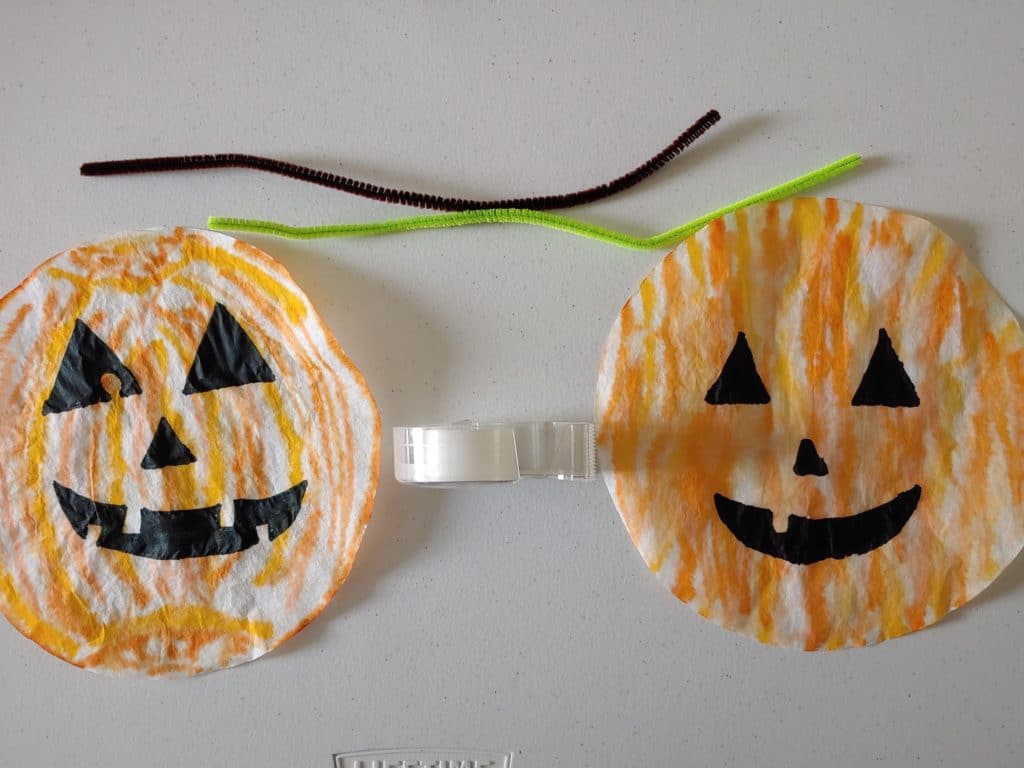
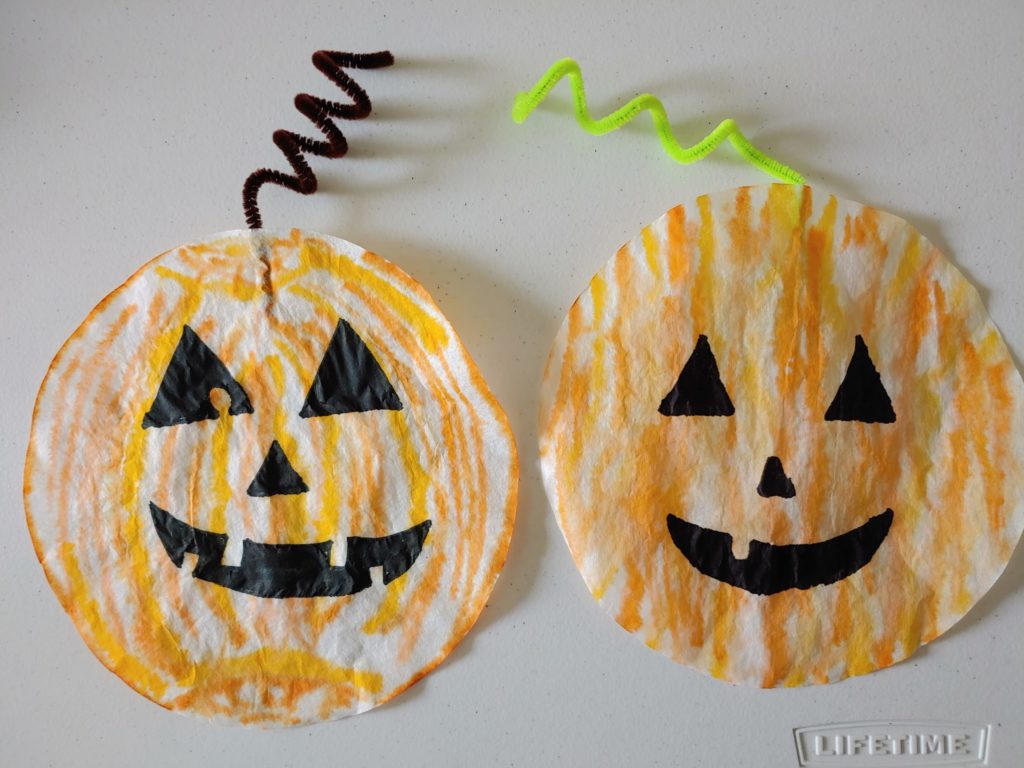
  5. Once your jack-o-lantern is fully dry, you can use tissue paper and tape or glue to add a stem. A pipe cleaner can be used if you’d like your jack-o-lantern to have a vine.

      But what actually happened? In chemistry, a mixture is a combination of two or more substances that can be separated because they aren’t chemically bonded. Because the washable markers aren’t chemically bonded to the paper, they bleed through when sprayed by water. What do you notice about the colors you used? Did some of them blend together? Color chromatography can be used to see different color combinations as well!

coffee filter with marker lines
coffee filters sprayed with water
coffee filter pumpkins with faces drawn on
coffee filter jack-o-lanterns with stems

Filed Under: Blog Tagged With: booseum

  • Page 1
  • Page 2
  • Go to Next Page »

sidebar

About

  • Mission & Commitments
  • Directors Team
  • Museum History

Get Involved

  • Volunteer
  • Membership
  • Carnegie Discoverers
  • Donate
  • Employment
  • Events

Bring a Group

  • Groups of 10 or More
  • Birthday Parties at the Museum
  • Field Trips

Powdermill

  • Powdermill Nature Reserve
  • Powdermill Field Trips
  • Powdermill Staff
  • Research at Powdermill

More Information

  • Image Permission Requests
  • Science Stories
  • Accessibility
  • Shopping Cart
  • Contact
  • Visitor Policies
One of the Four Carnegie Museums | © Carnegie Institute | Privacy Policy | Terms of Use | Accessibility
Rad works here logo