• Skip to primary navigation
  • Skip to main content
  • Skip to primary sidebar

Carnegie Museum of Natural History

One of the Four Carnegie Museums of Pittsburgh

  • Visit
    • Buy Tickets
    • Visitor Information
    • Exhibitions
    • Events
    • Dining at the Museum
    • Celebrate at the Museum
    • Powdermill Nature Reserve
    • Event Venue Rental
    • Gift Cards
  • Learn
    • Field Trips
    • Educator Information
    • Programs at the Museum
    • Bring the Museum to You
    • Guided Programs FAQ
    • Programs Online
    • Climate and Rural Systems Partnership
  • Research
    • Scientific Sections
    • Science Stories
    • Science Videos
    • Senior Science & Research Staff
    • Museum Library
    • Science Seminars
    • Scientific Publications
    • Specimen and Artifact Identification
  • About
    • Mission & Commitments
    • Directors Team
    • Museum History
  • Tickets
  • Give
  • Shop

expedition

March 6, 2016 by wpengine

AP3 Expedition 2016

Q: Will you be digging under deep layers of ice?

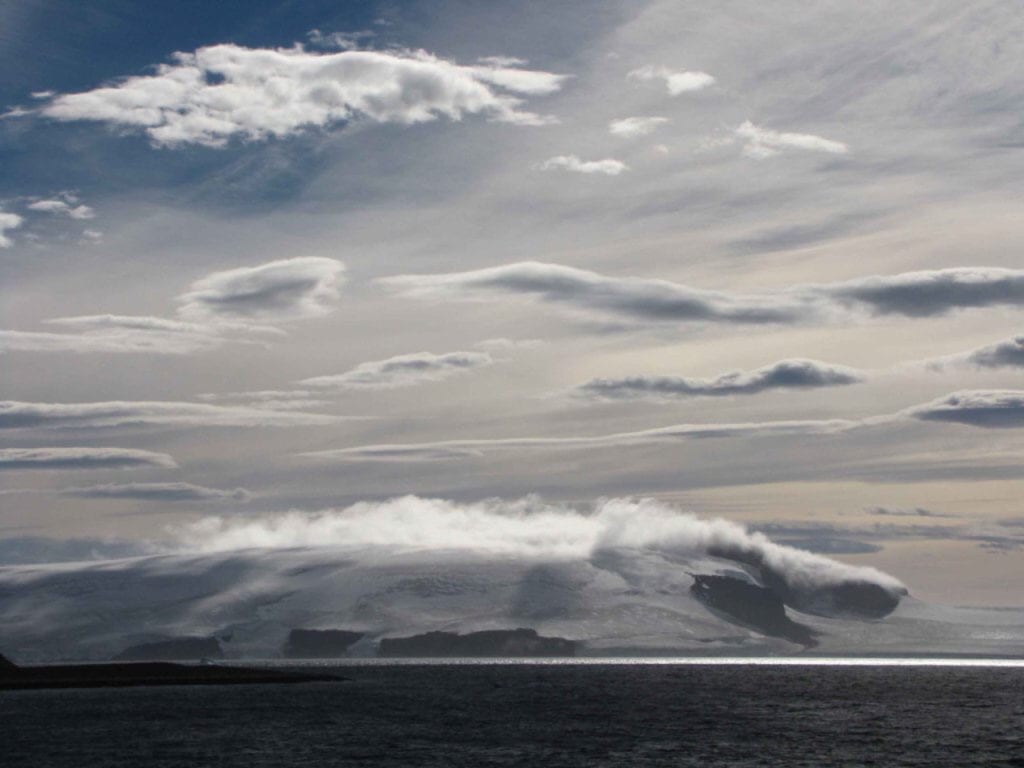
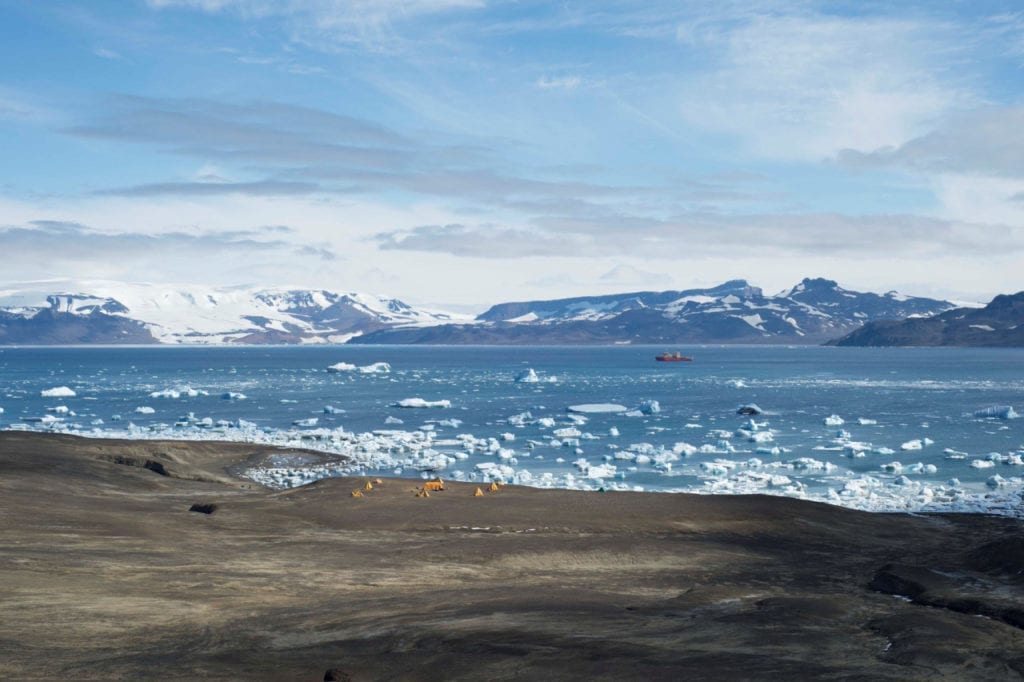
A: We will not be digging through ice for our expedition. Our expedition is timed for the end of the Austral summer, when most rock along the northernmost tip of the peninsula is readily available. There will be glaciers where we will be working but they will not be covering all of the islands where we will be working. Unfortunately, the possibility of a snow storm can still limit the amount of exposed rock with fossils.

Matt Lamanna, is a paleontologist and the principal dinosaur researcher at Carnegie Museum of Natural History in Pittsburgh. Matt and his team of researchers blog frequently from the field at antarticdinos.org.
Filed Under: Blog Tagged With: antarctica, expedition, fossils, Matt Lamanna

March 4, 2016 by wpengine

Discoverers Expedition Vilcabamba 2016: Ayacucho

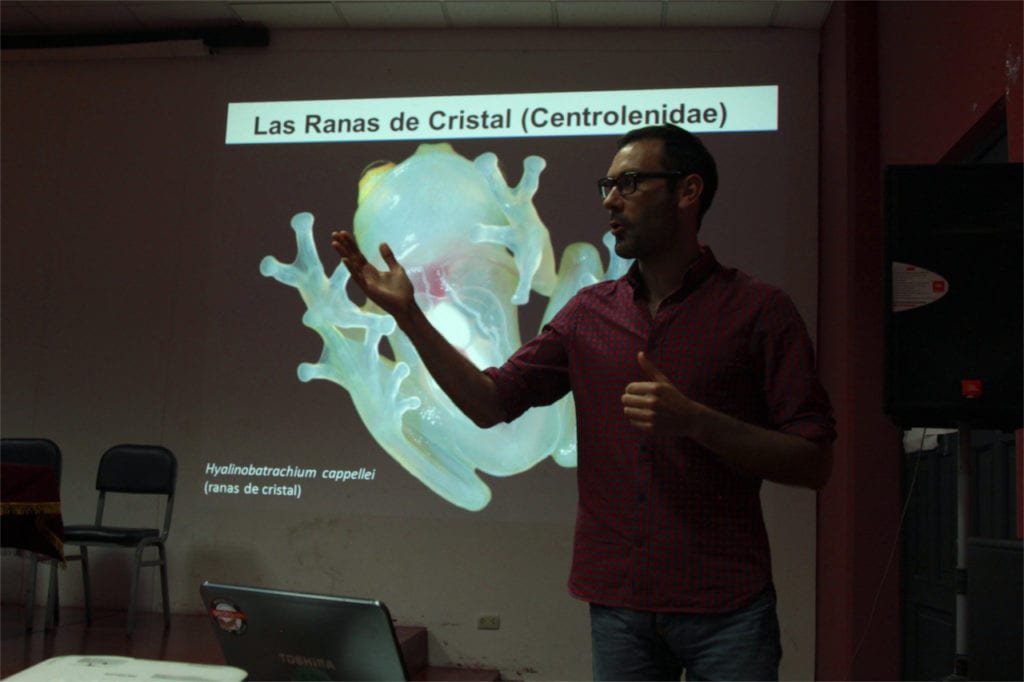
Dr. Santiago Castroviejo talking about the wonders of glassfrogs (Centrolenidae)
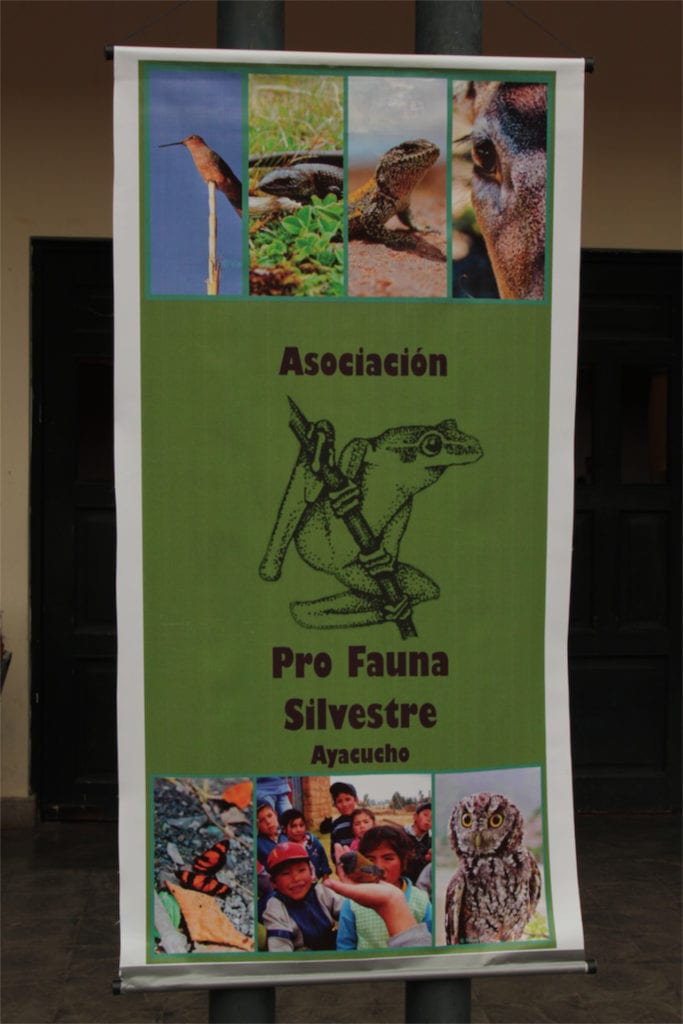
A poster of the non-profit Pro Fauna Silvestre Ayacucho, signaling the event.
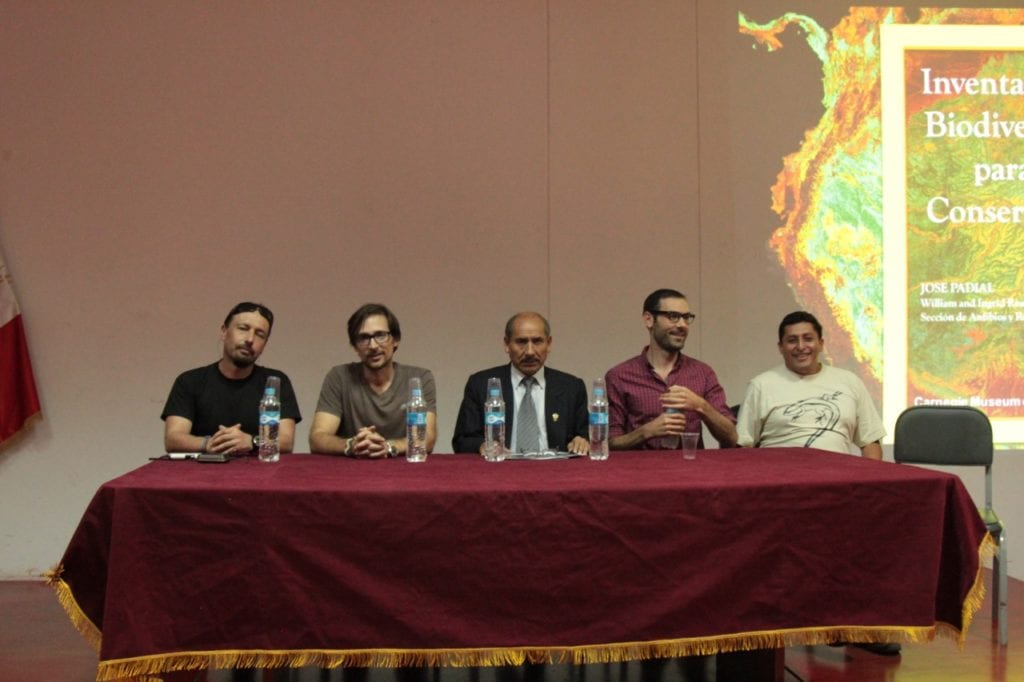
Members of the expedition are introduced by the dean of science of the University of San Cristobal de Huamanga.
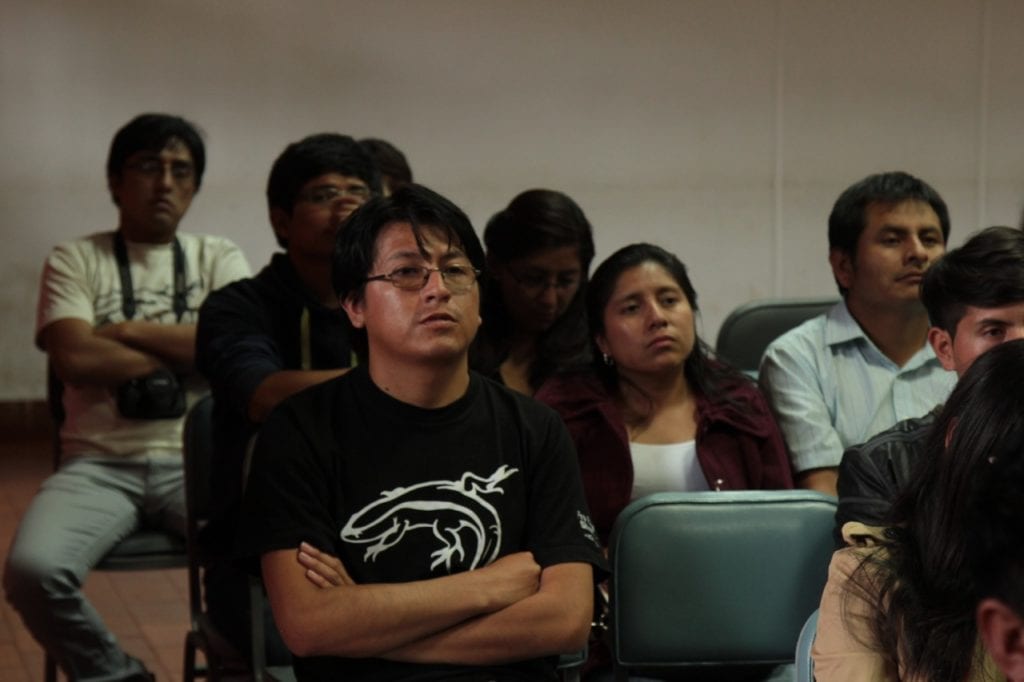
Students of the University of San Cristobal de Huamanga listening to our presentations.

February 26, 2016

After leaving Vilcabamba, we stopped in Ayacucho where we were invited to give talks at the Cultural Center of the University of San Cristobal de Huamanga. The event was organized by Pro Fauna Silvestre Ayacucho, a non-profit organization dedicated to the study and conservation of nature. I gave a talk about the role that natural history museums are playing in conservation through Biodiversity Inventories, and provided a brief overview of the results of our expedition. Dr. Santiago Castroviejo, from the Potificia Universidade Catolica do Rio Grande do Sul, presented new results on the evolutionary history of glass frogs (Centrolenidae).

José Padial and his team of researchers traveled to the remote Vilcabamba mountains of Peru in the pursuit of biodiversity research. He blogs and sends photos as often as possible capturing his expedition and his journey home.

Filed Under: Blog Tagged With: expedition

March 2, 2016 by wpengine

AP3 Expedition 2016

Antarctica


Q: How do you find fossils in Antarctica?

A: In brief, there are basically two ways by which one can determine where to look for fossils. The first has to do with the fact that most of the Earth’s surface has been mapped from a geological standpoint. Geologic maps show what rocks are exposed at the surface. Fossils are found almost exclusively in sedimentary rocks (e.g., shale, mudstone, sandstone) as opposed to igneous and metamorphic rocks. So the first step would be to examine the map for those. Next, for those interested in dinosaurs, scour the map for sedimentary rocks that were deposited during the Mesozoic Era or Age of Dinosaurs ( we know that dinos evolved more-or-less 235 million years ago and died out (except for their descendants, birds) 66 million years ago). So search the map for sedimentary rocks that were deposited during that time. Lastly, dinos were almost exclusively land-dwelling animals, so look for Mesozoic sedimentary rocks that were deposited in bodies of water that were near land (i.e., rivers, ponds, lakes, ocean coastlines). If all three criteria are met, and you can get to the place, you might have a fighting chance of finding dino fossils there.

The second way is simpler — you just go where people have found fossils before.

Matt Lamanna, is a paleontologist and the principal dinosaur researcher at Carnegie Museum of Natural History in Pittsburgh. Matt and his team of researchers blog frequently from the field at antarticdinos.org.
Filed Under: Blog Tagged With: antarctica, expedition, fossils, Matt Lamanna

March 1, 2016 by wpengine

AP3: Antarctica Peninsula Paleontology Project

Scientist Flying bird

February 15–18

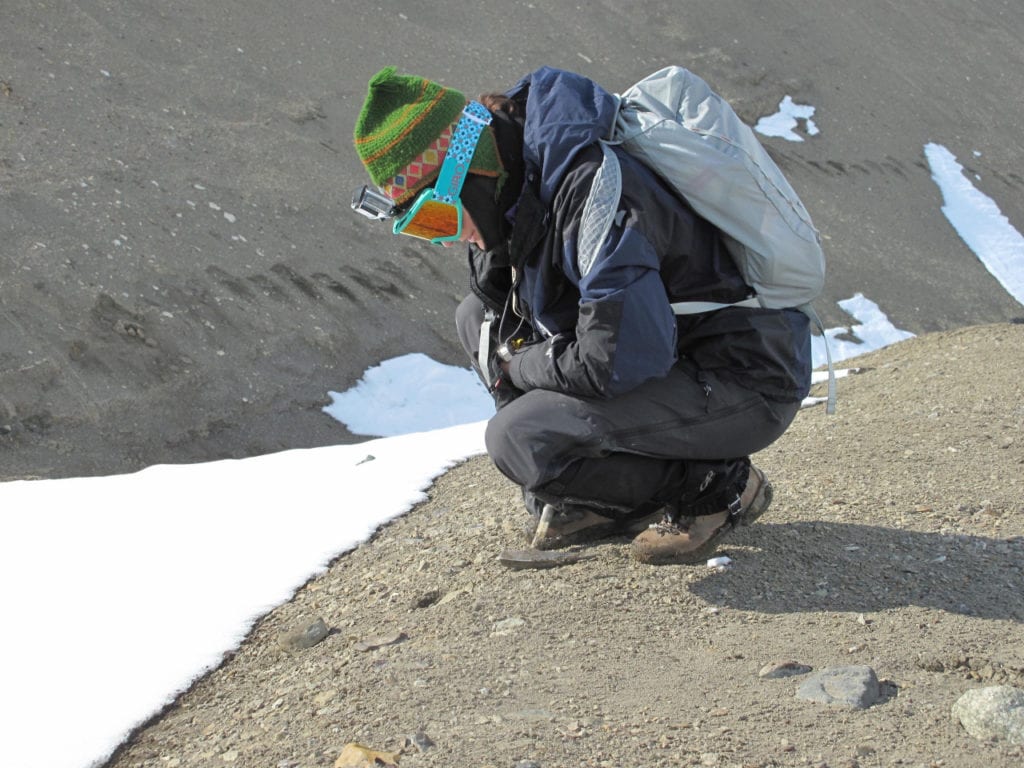
We continued work on Sandwich Bluff and two helicopter-supported day trips to Seymour Island. Both of these areas produced an abundance of well-preserved Late Cretaceous and Eocene-aged fossils, including those of birds, plesiosaurs (long-necked marine reptiles; numerous isolated bones and at least one partial skeleton), bony fishes (including several skulls and partial skeletons), sharks, whales, unidentified vertebrates, and a variety of beautifully-preserved invertebrates (e.g., ammonites, nautiloids, gastropods, bivalves, crustaceans).

Matt Lamanna, is a paleontologist and the principal dinosaur researcher at Carnegie Museum of Natural History in Pittsburgh. Matt and his team of researchers blog frequently from the field at antarticdinos.org.
Filed Under: Blog Tagged With: expedition, fossils, Matt Lamanna

February 29, 2016 by wpengine

Discoverers Expedition Vilcabamba: The First Helicopter Flight

The town of Pichari at the shore of the Apurimac River. (Photo Maira Duarte).
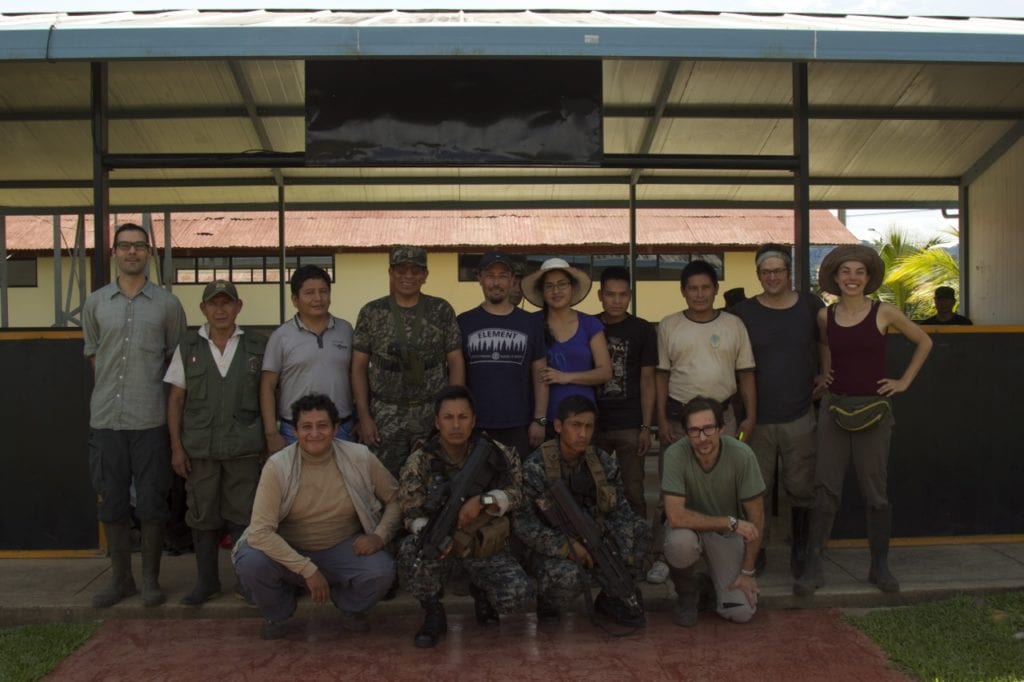
Right before our flight, the team poses with the General in command of the Special Commando of VRAEM. (Photo Maira Duarte).
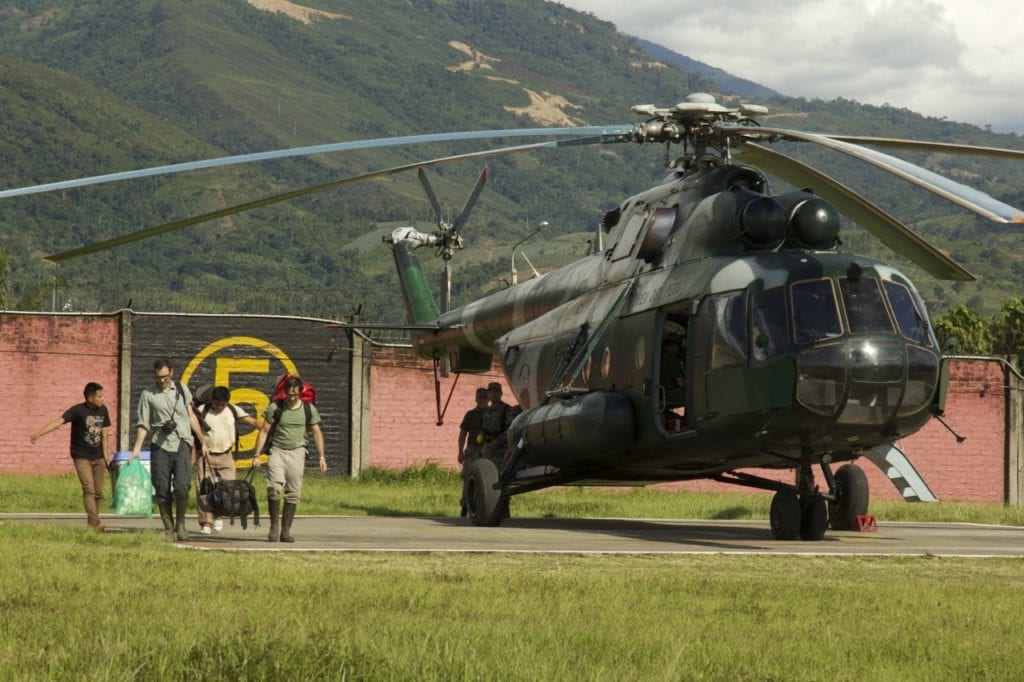
Unloading the helicopter after a failed attempt to land into the heart of Vilcabamba. (Photo Maira Duarte).
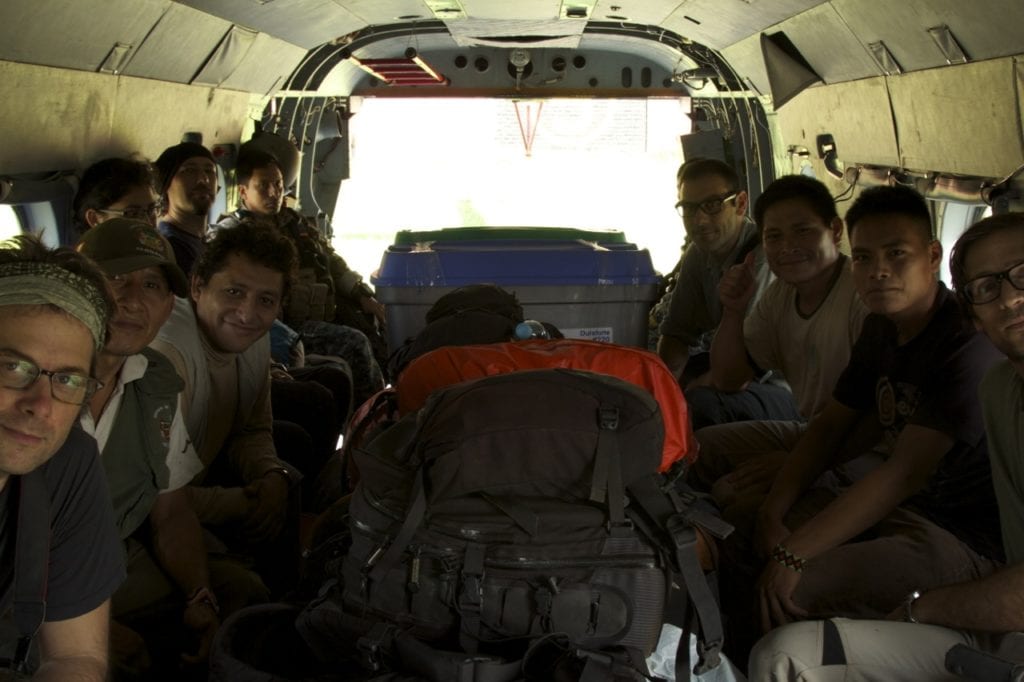
The whole team and two accompanying officers of the special forces inside the helicopter in our way to Vilcabamba. (Photo Maira Duarte).
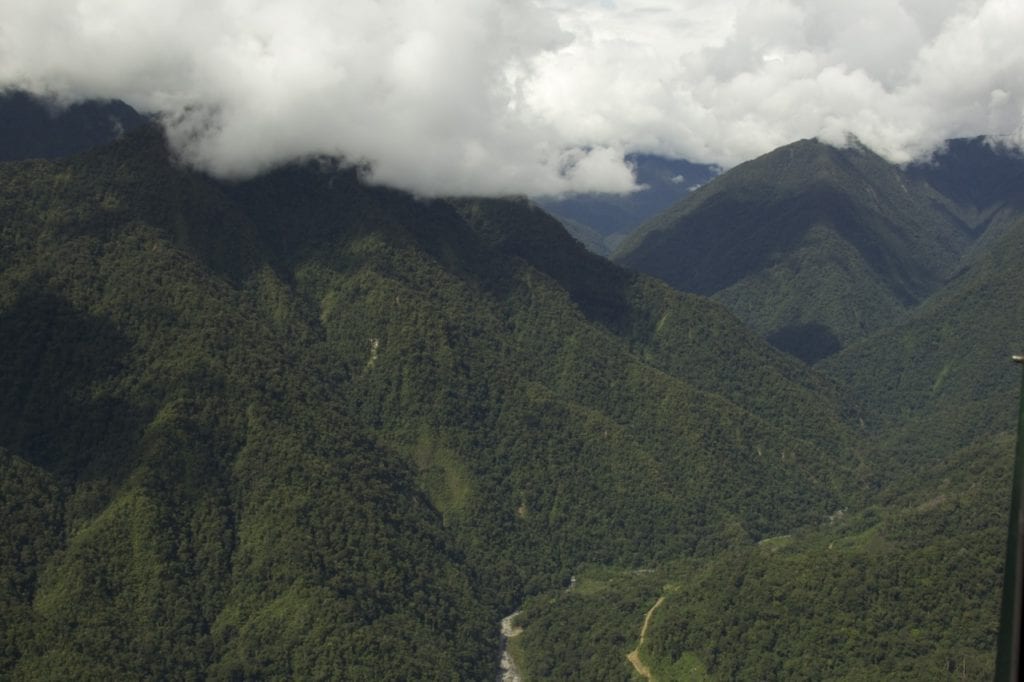
A view of the Pichari river valley and the clouds beyond which lies the area where we want to land. (Photo Maira Duarte).
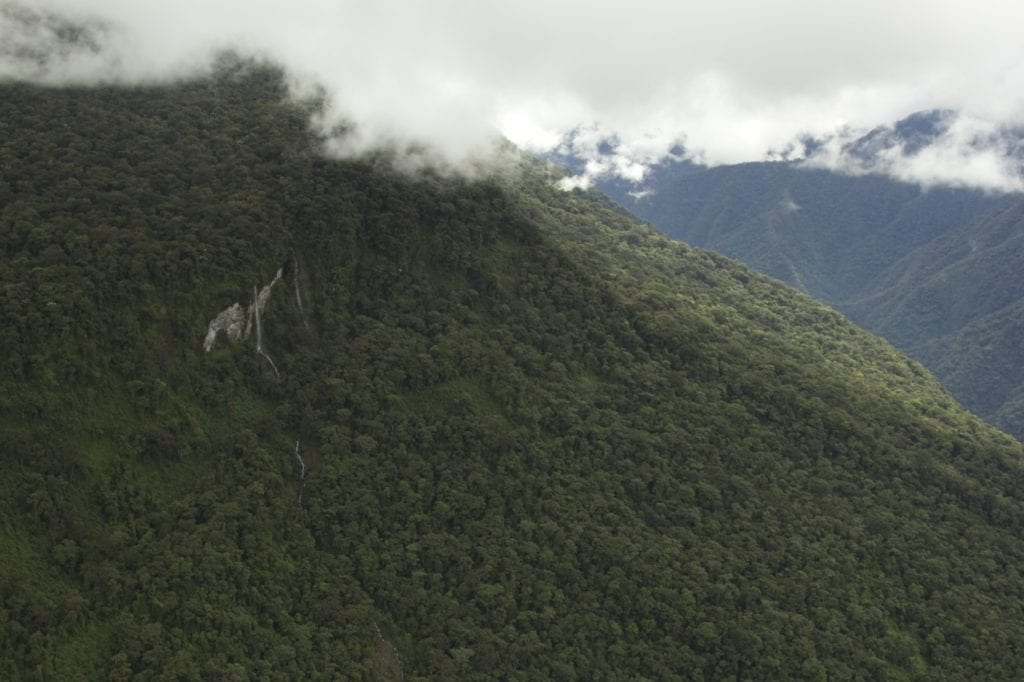
Waterfalls drain the wet cloud forests of Vilcabamba (Photo Maira Duarte).
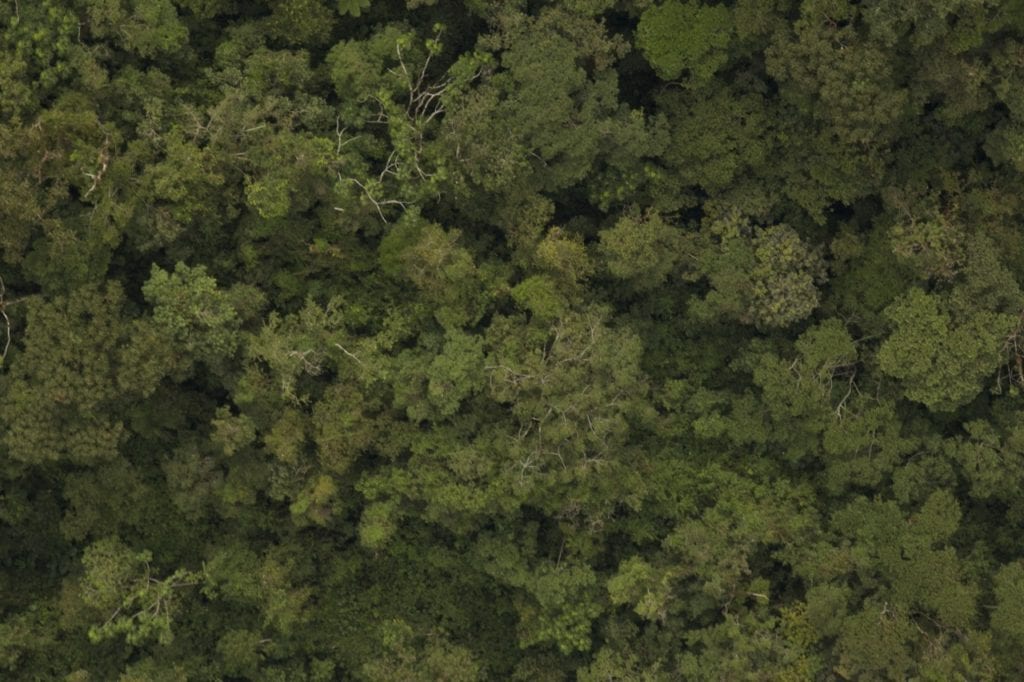
Vilcabamba forests from above. (Photo Maira Duarte).
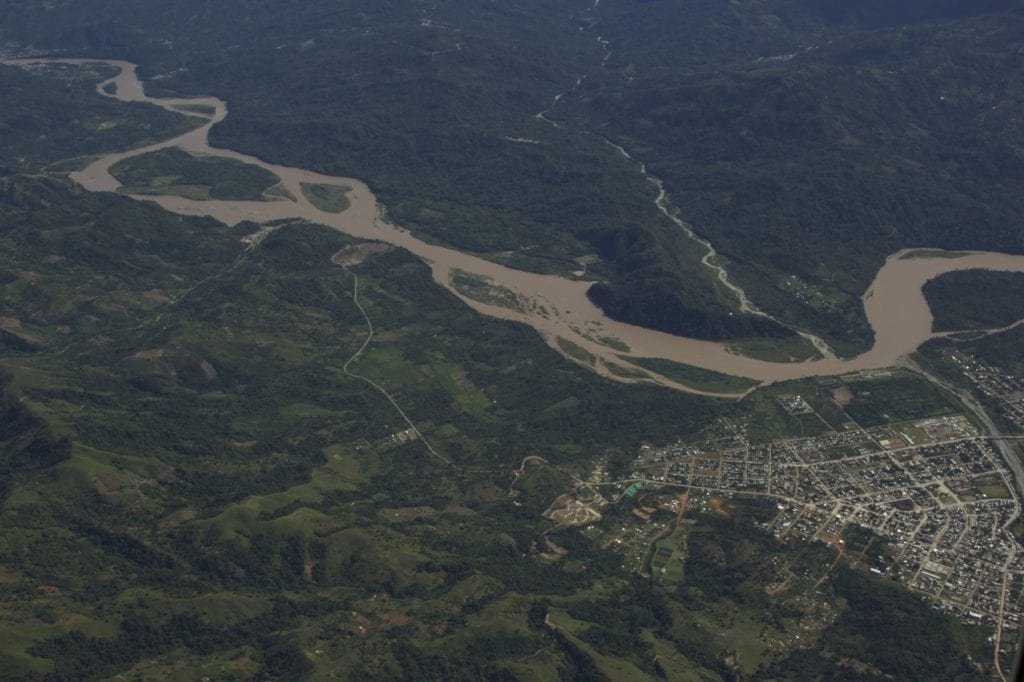
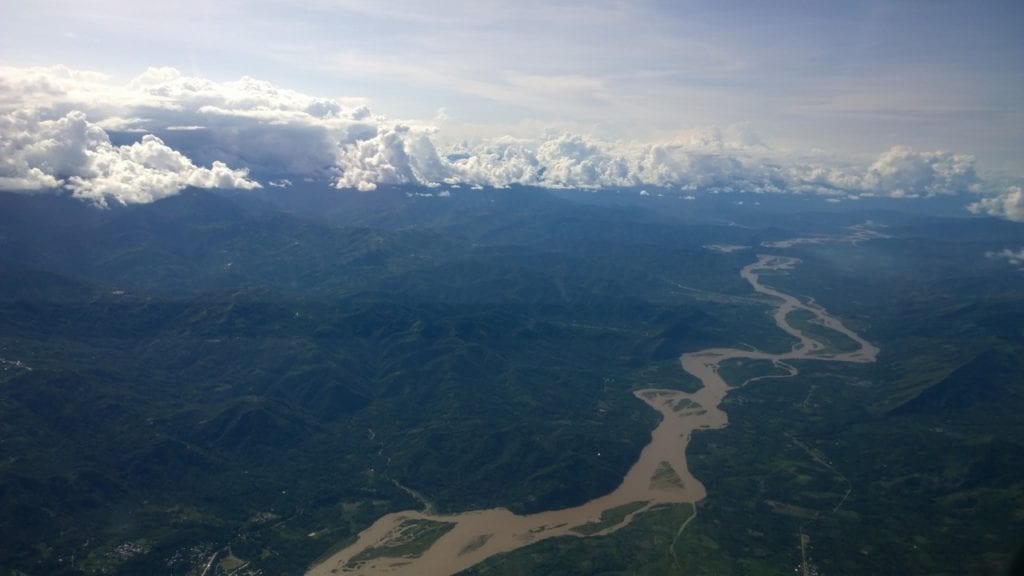
The Apurimac valley meandering between the Andes and Vilcabamba. (Photo Juan C. Chaparro).

On Monday February 22, the expedition team flew from Pichari to the highest area of Vilcabamba on a military helicopter provided by the Special Commando of VRAEM. Although the weather conditions prevented us from landing, we enjoyed a majestic landscape of untouched forests, sharp ridges, waterfalls, and the huge Amazon rivers.

José Padial and his team of researchers are traveling in the remote Vilcabamba mountains of Peru in the pursuit of biodiversity research. He blogs and sends photos as often as possible capturing his expedition along the way.

Filed Under: Blog Tagged With: expedition, forests

February 27, 2016 by wpengine

Discoverers Expedition Vilcabamba 2016

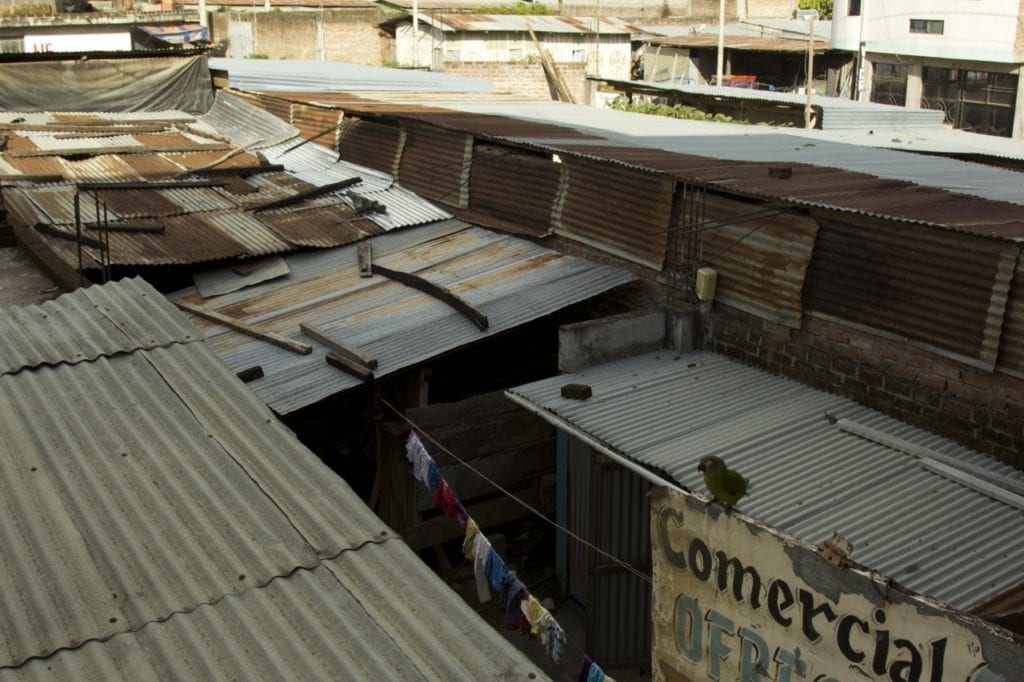
A view of the neighborhood from our hotel room in Pichari. (Photo Maira Duarte).
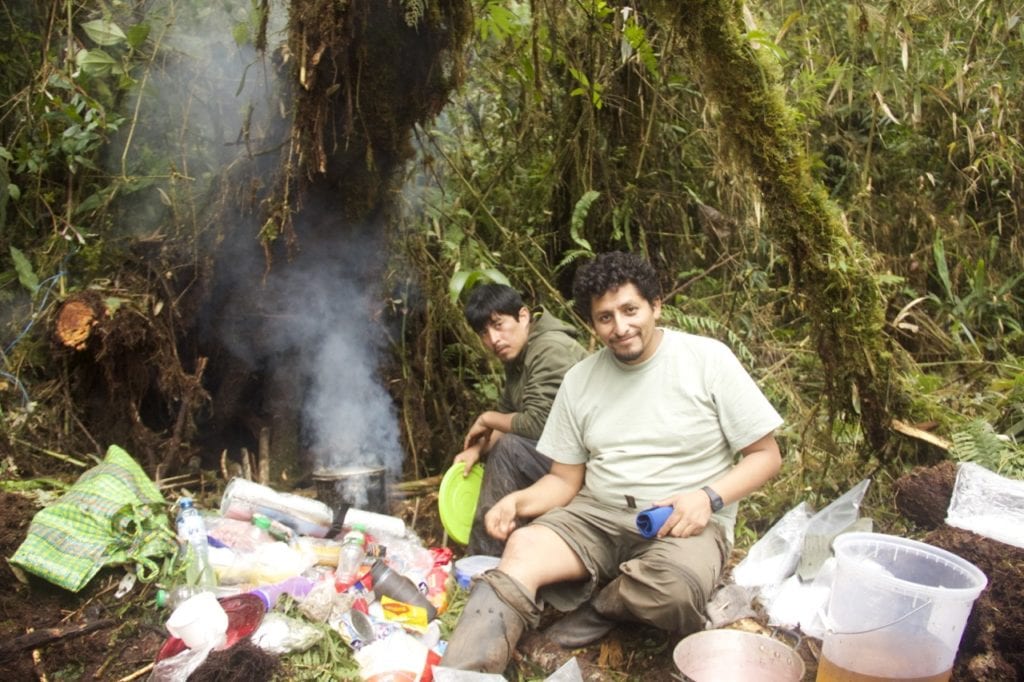
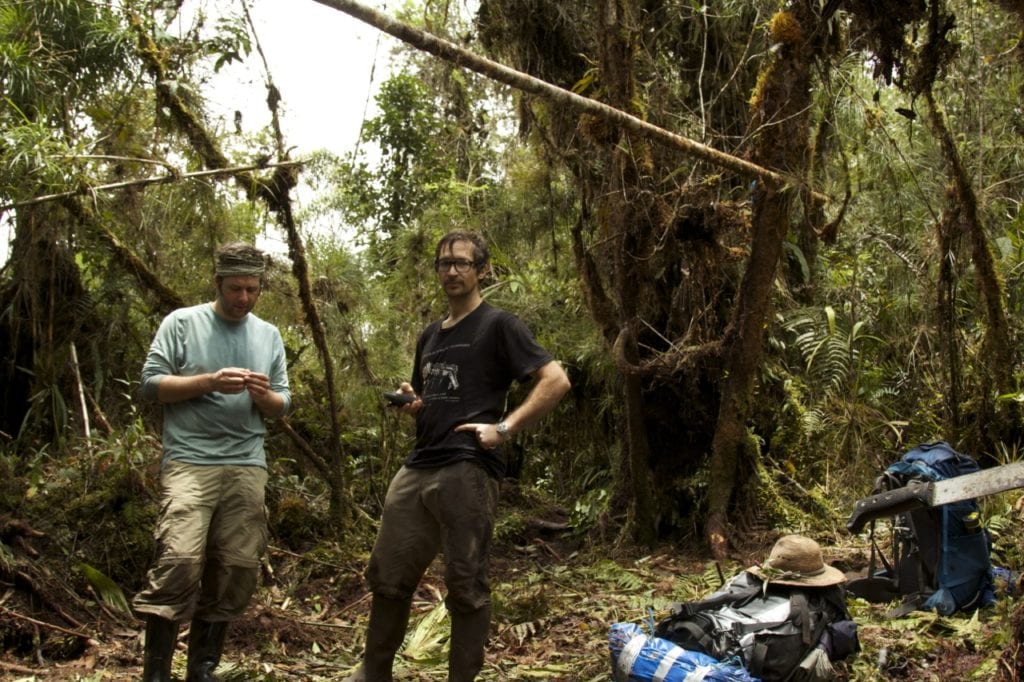
Herpetologists Roberto Gutiérrez and Victor Vargas organizing food and lighting the camp fire at Camp 4 (2760 m, 9,055 ft). (Photo Santiago Castroviejo).
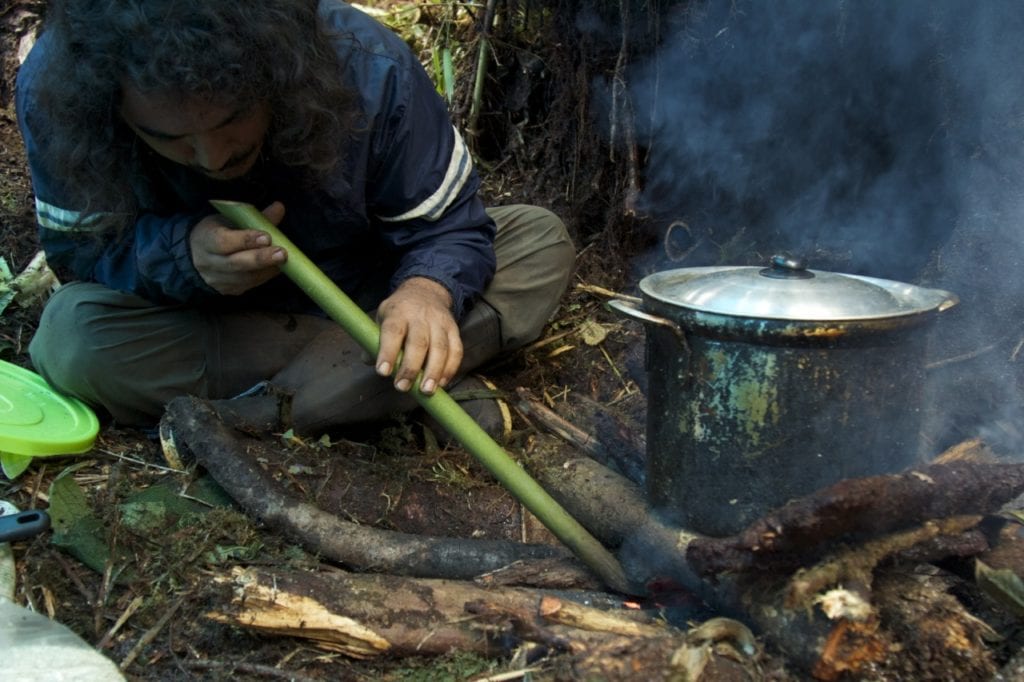
The hyper-humid conditions at Camp 4 (2760 m, 9,055 ft) make lightning a fire a difficult task. Here, Giussepe Gagliardi tries a traditional technique consisting in blowing through a bamboo cane. (Photo Santiago Castroviejo).
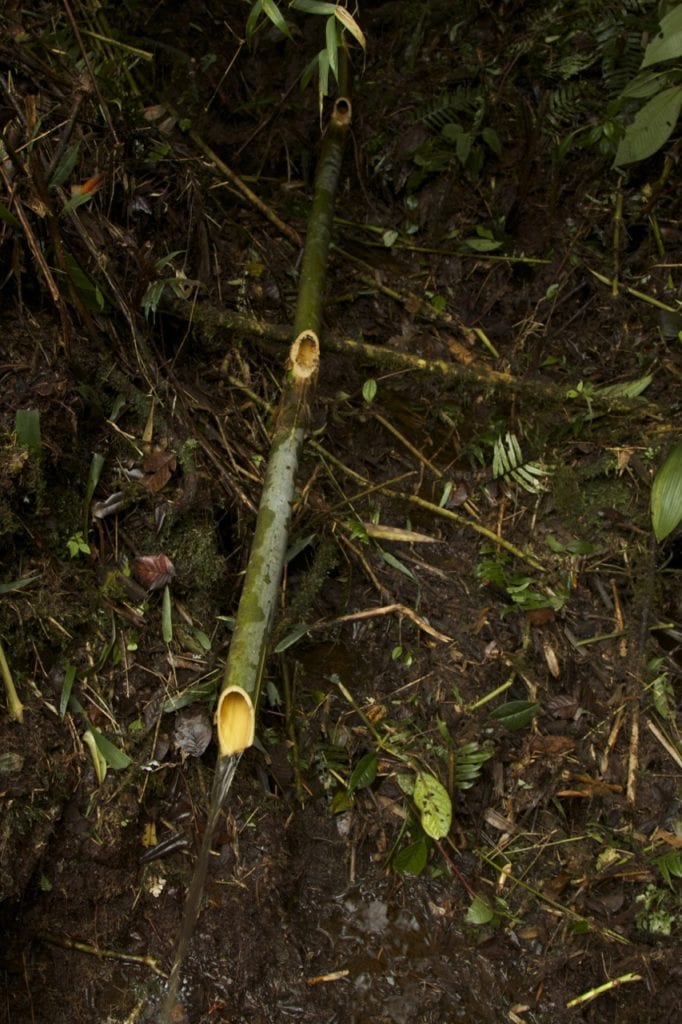
A luxury, our water source at Camp 4, just a few meters away from our tents and kitchen. (Photo Maira Duarte).
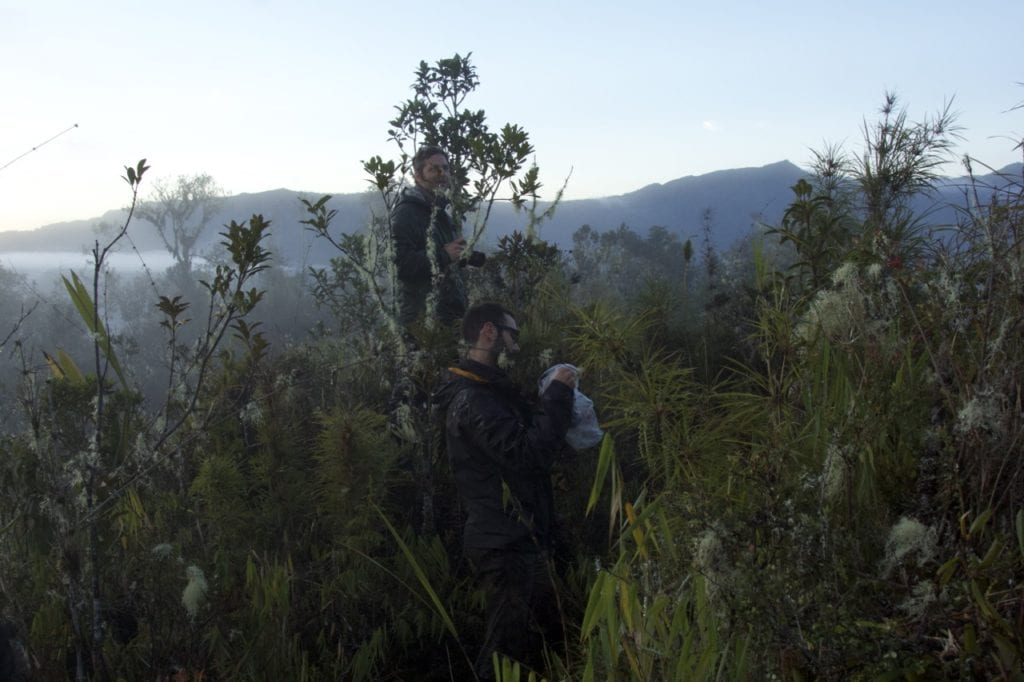
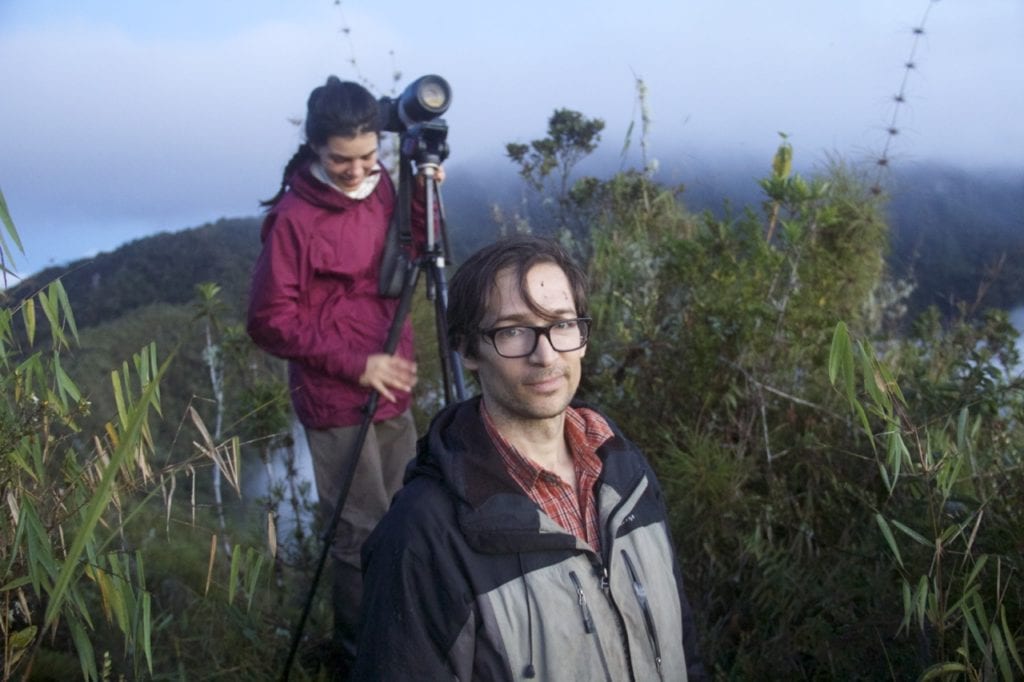
Journalist Andy Isaacson and herpetologists Dr. Santiago Castroviejo taking pictures from the ridge during one rare moment when the sky was clear. (Photo José Padial).
José Padial and Maira Duarte filming and taking pictures on the ridge at 2,850 m (ca. 9,300 ft). (Photo Santiago Castroviejo).
Journalist Andy Isaacson and José Padial on their descent from Camp 4 to Camp 1 on Friday Feb. 19th. (Photo Maira Duarte).
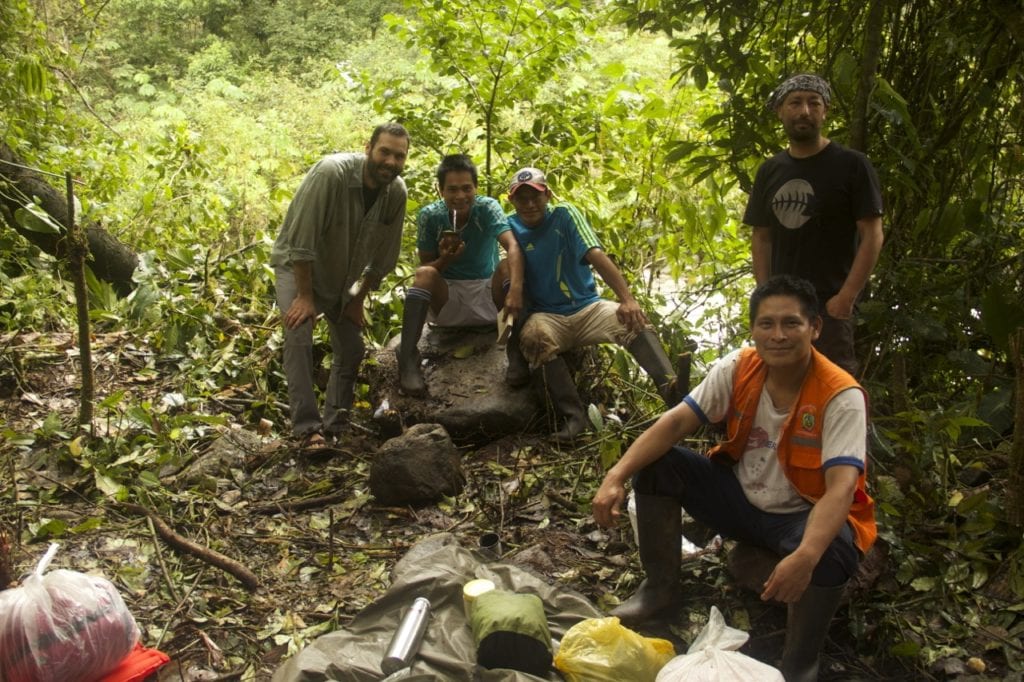
Good mood at Camp 1, after hiking down for nine hours. (Photo Giussepe Gagliardi).
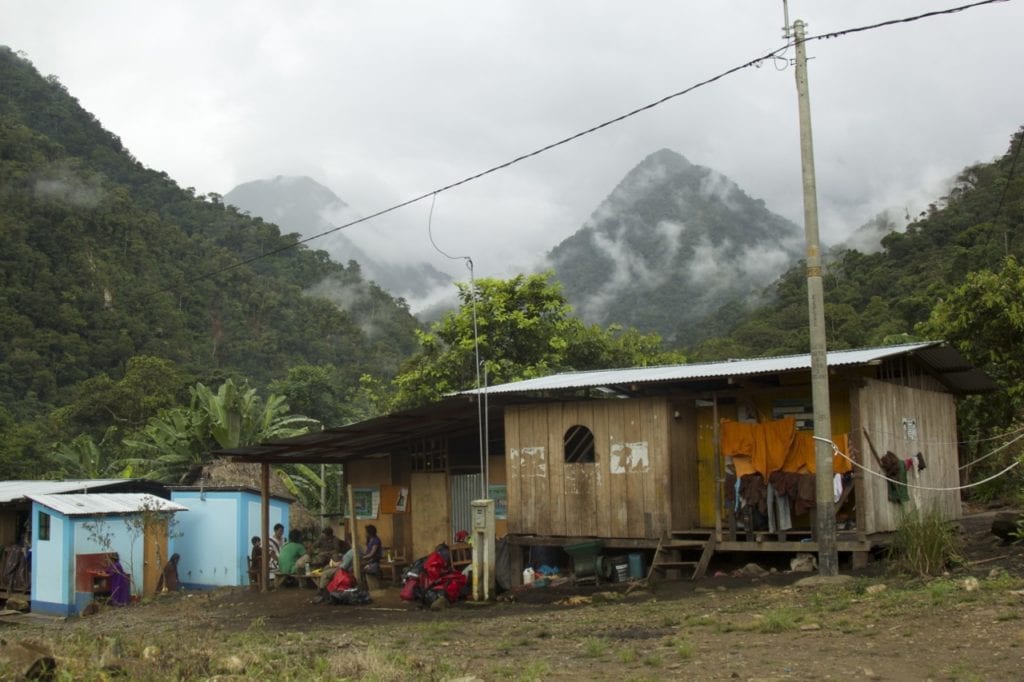
The Ashaninka community of Marontuari, the last outpost before reaching Pichari, with the ridge we descended, covered in clouds, on the background (the one on the left). (Photo Maira Duarte).
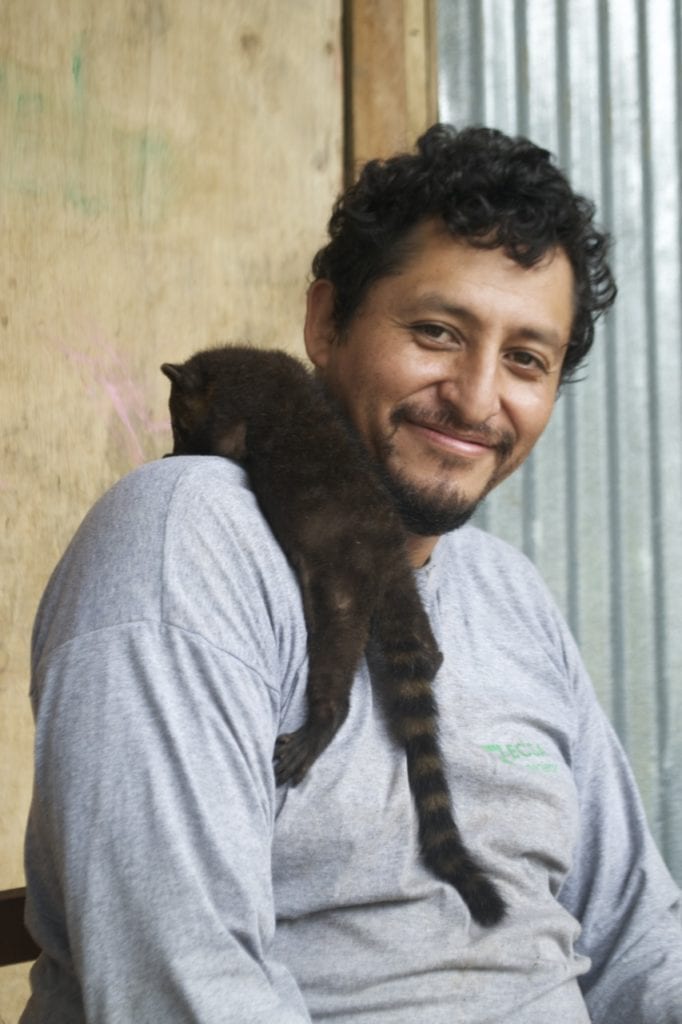
At Marontuari, Roberto Gutierrez plays with a baby coati. (Photo Santiago Castroviejo).

José Padial and his team of researchers are traveling in the remote Vilcabamba mountains of Peru in the pursuit of biodiversity research. He blogs and sends photos as often as possible capturing his expedition along the way.


Filed Under: Blog Tagged With: expedition, research, water

  • « Go to Previous Page
  • Page 1
  • Page 2
  • Page 3
  • Go to Next Page »

sidebar

About

  • Mission & Commitments
  • Directors Team
  • Museum History

Get Involved

  • Volunteer
  • Membership
  • Carnegie Discoverers
  • Donate
  • Employment
  • Events

Bring a Group

  • Groups of 10 or More
  • Birthday Parties at the Museum
  • Field Trips

Powdermill

  • Powdermill Nature Reserve
  • Powdermill Field Trips
  • Powdermill Staff
  • Research at Powdermill

More Information

  • Image Permission Requests
  • Science Stories
  • Accessibility
  • Shopping Cart
  • Contact
  • Visitor Policies
One of the Four Carnegie Museums | © Carnegie Institute | Privacy Policy | Terms of Use | Accessibility
Rad works here logo