• Skip to primary navigation
  • Skip to main content
  • Skip to primary sidebar

Carnegie Museum of Natural History

One of the Four Carnegie Museums of Pittsburgh

  • Visit
    • Buy Tickets
    • Visitor Information
    • Exhibitions
    • Events
    • Dining at the Museum
    • Celebrate at the Museum
    • Powdermill Nature Reserve
    • Event Venue Rental
  • Learn
    • Field Trips
    • Educator Information
    • Programs at the Museum
    • Bring the Museum to You
    • Guided Programs FAQ
    • Programs Online
    • Climate and Rural Systems Partnership
  • Research
    • Scientific Sections
    • Science Stories
    • Science Videos
    • Senior Science & Research Staff
    • Museum Library
    • Science Seminars
    • Scientific Publications
    • Specimen and Artifact Identification
  • About
    • Mission & Commitments
    • Directors Team
    • Museum History
  • Tickets
  • Give
  • Shop

fieldwork

August 4, 2016 by wpengine

Photo Traps in Conservation

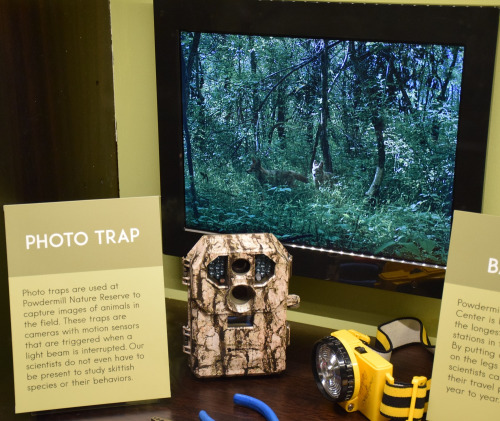
Photo Trap Display

by  Patrick McShea

In the Hall of North American Wildlife at Carnegie Museum of Natural History, there’s a display of field
research tools that includes a 14-inch screen that continually shows still images of  bobcats, black bears, and
other seldom seen residents of Powdermill Nature Reserve, the museum’s environmental research center. The images were collected in photo traps, sturdy programmable cameras with shutters triggered by motion or heat sensors.

A photo trap unit rests adjacent to the screen with its lights, lens, and sensors facing outward. The compactness
of the camouflage-patterned device contrasts with enormous contributions such cameras are currently making in wildlife conservation studies. Single cameras can collect photographic evidence of rarely seen species at a low financial cost and with minimal disturbance of the targeted creatures. Arrays of strategically placed cameras can be used to calculate population densities and chart individual territories.

Around the corner from the display a clipboard-mounted activity sheet invites visitors to try their skill at interpreting photo trap evidence at the nearby Jaguar diorama.
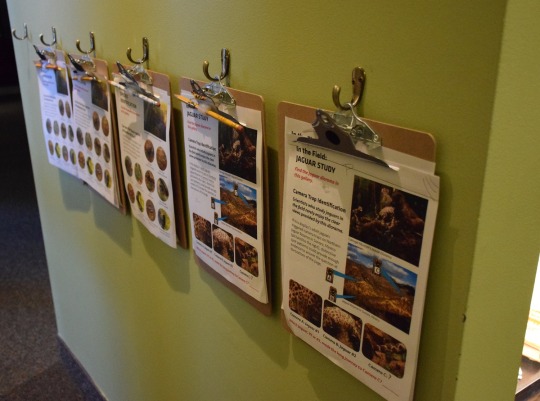
clipboards hanging on the wall with activity sheets

For anyone interested in how photo traps are documenting the
continued presence jaguars and ocelots in the American southwest, the US Fish
and Wildlife Service maintains a site of spotted cat images.

Patrick McShea works in the Education and Visitor Experience department of Carnegie Museum of Natural History. Museum employees are encouraged to blog about their unique experiences of working at the museum.
Filed Under: Blog Tagged With: conservation, fieldwork, Hall of North American Wildlife, Patrick McShea

February 28, 2016 by wpengine

Discoverers Expedition Vilcabamba 2016: Herps

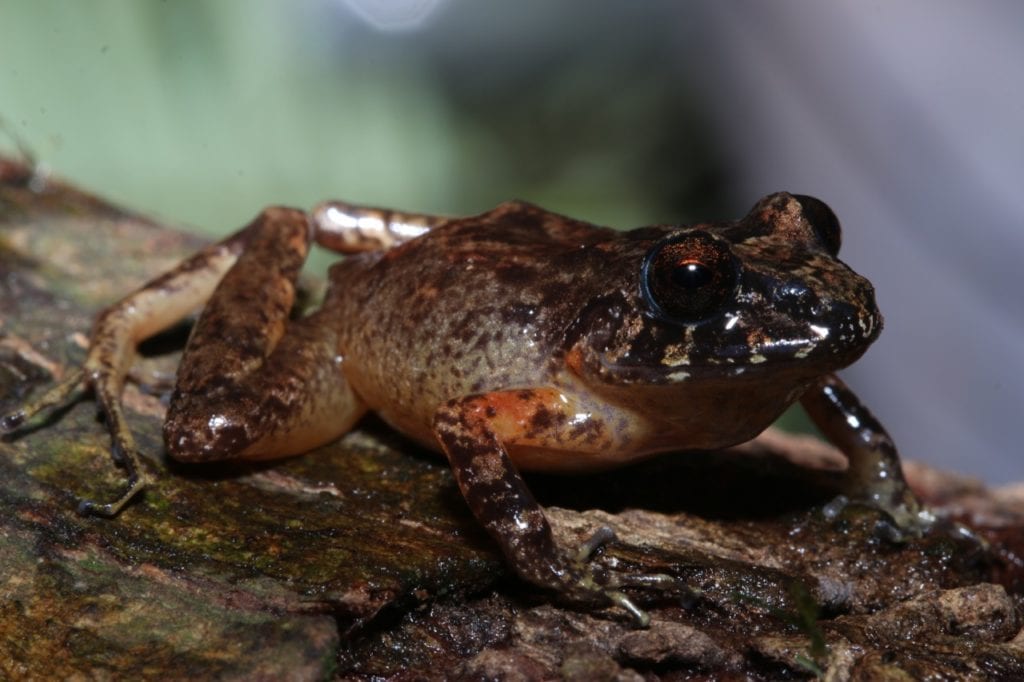
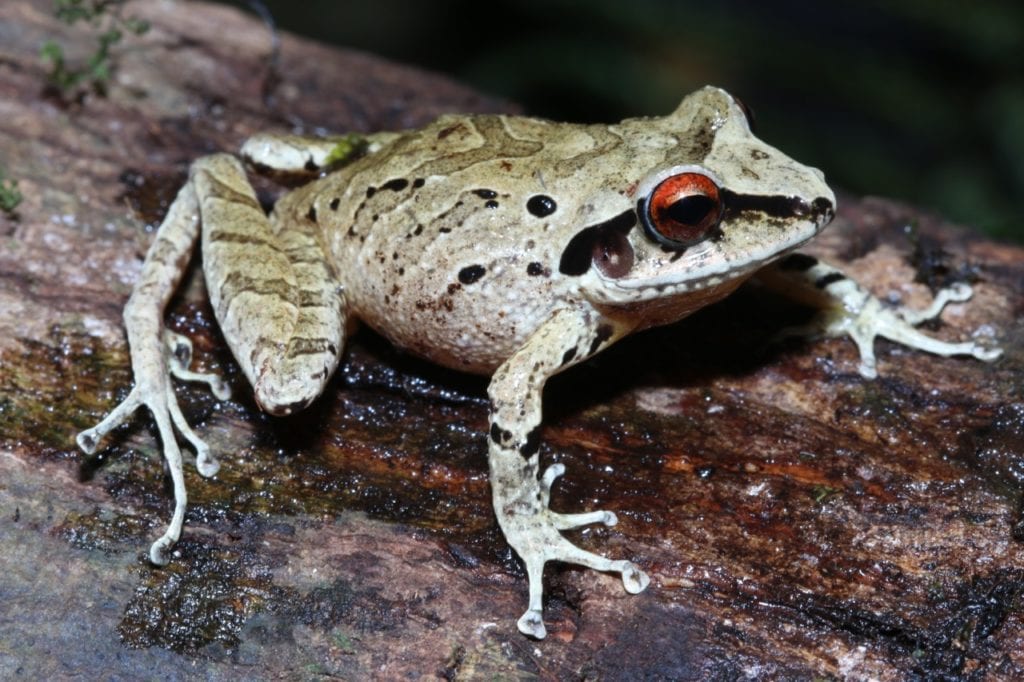
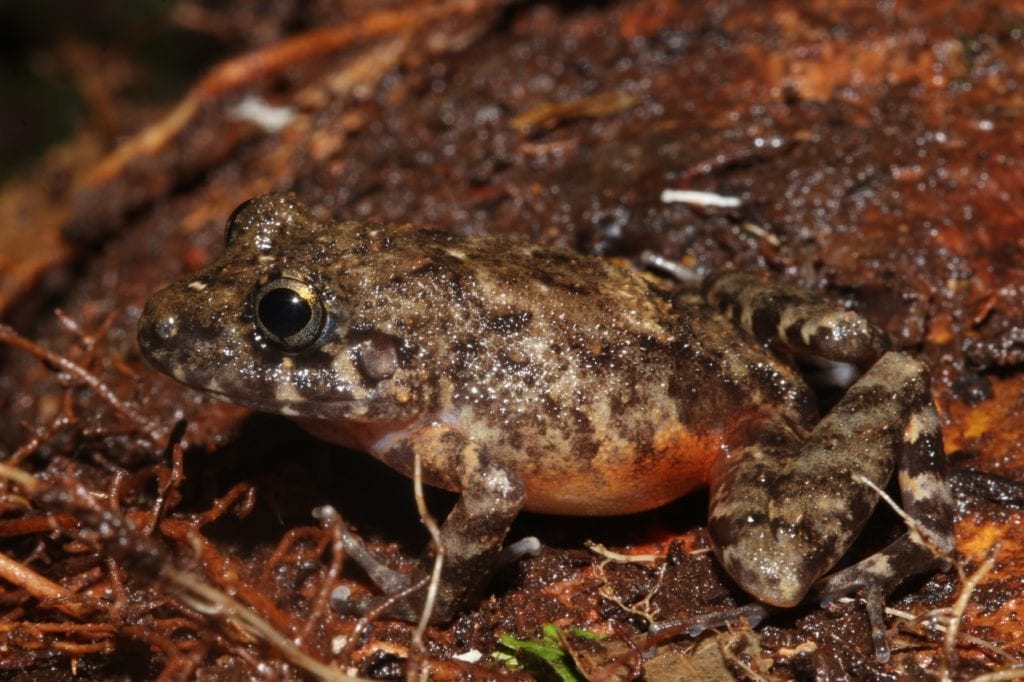
A new species of Pristimantis from the cloud forests of Vilcabamba. (Photo Giussepe Gagliardi).
A new species of Oreobates that inhabits the forest of Vilcabamba at above ca. 2,500 m (ca. 8,200 ft.). (Photo Giussepe Gagliardi).
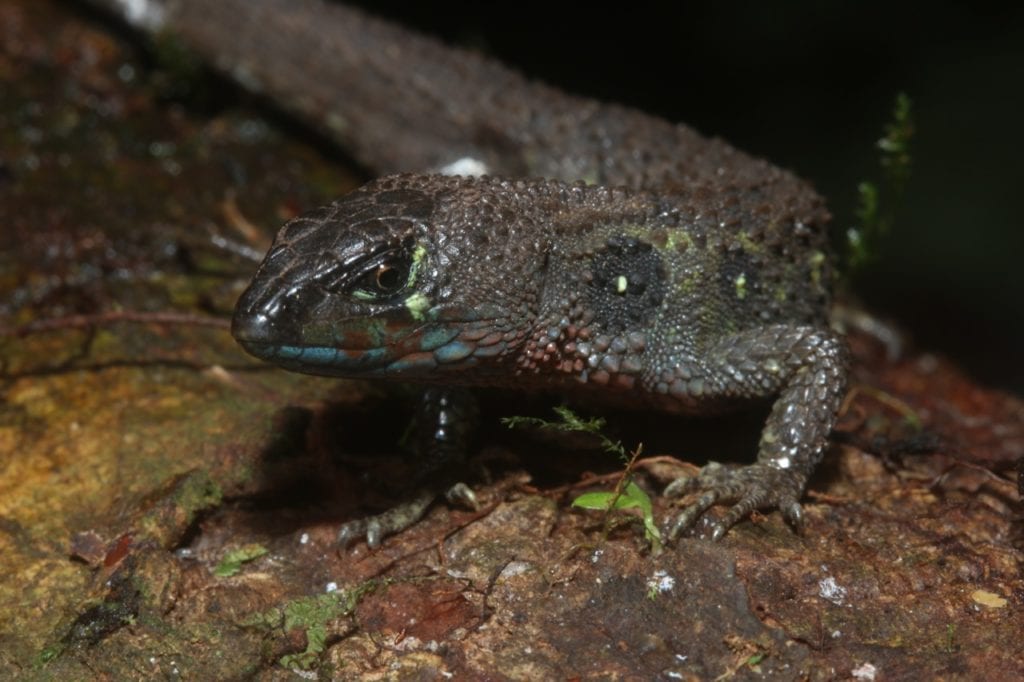
A male of Potamites montanus, a beautiful aquatic lizard that was recently discovered from an area near Vilcabamba at low elevations. (Photo Giussepe Gagliardi).
Oreobates lehri, a species discovered and named by Padial, Chaparro and others and so far only known for Vilcabamba. (Photo Giussepe Gagliardi).

We may have found at least 10 new species of amphibians and reptiles; however, pertinent comparisons with museums specimens and detailed analyses of the anatomy, mating call, and or DNA, will be required to analyze species diversity using collected samples. In no other expedition have we found so many new species.

José Padial and his team of researchers are traveling in the remote Vilcabamba mountains of Peru in the pursuit of biodiversity research. He blogs and sends photos as often as possible capturing his expedition along the way

Filed Under: Blog Tagged With: amphibian, biodiversity, fieldwork, frogs, new species, reptiles

sidebar

About

  • Mission & Commitments
  • Directors Team
  • Museum History

Get Involved

  • Volunteer
  • Membership
  • Carnegie Discoverers
  • Donate
  • Employment
  • Events

Bring a Group

  • Groups of 10 or More
  • Birthday Parties at the Museum
  • Field Trips

Powdermill

  • Powdermill Nature Reserve
  • Powdermill Field Trips
  • Powdermill Staff
  • Research at Powdermill

More Information

  • Image Permission Requests
  • Science Stories
  • Accessibility
  • Shopping Cart
  • Contact
  • Visitor Policies
One of the Four Carnegie Museums | © Carnegie Institute | Privacy Policy | Terms of Use | Accessibility
Rad works here logo