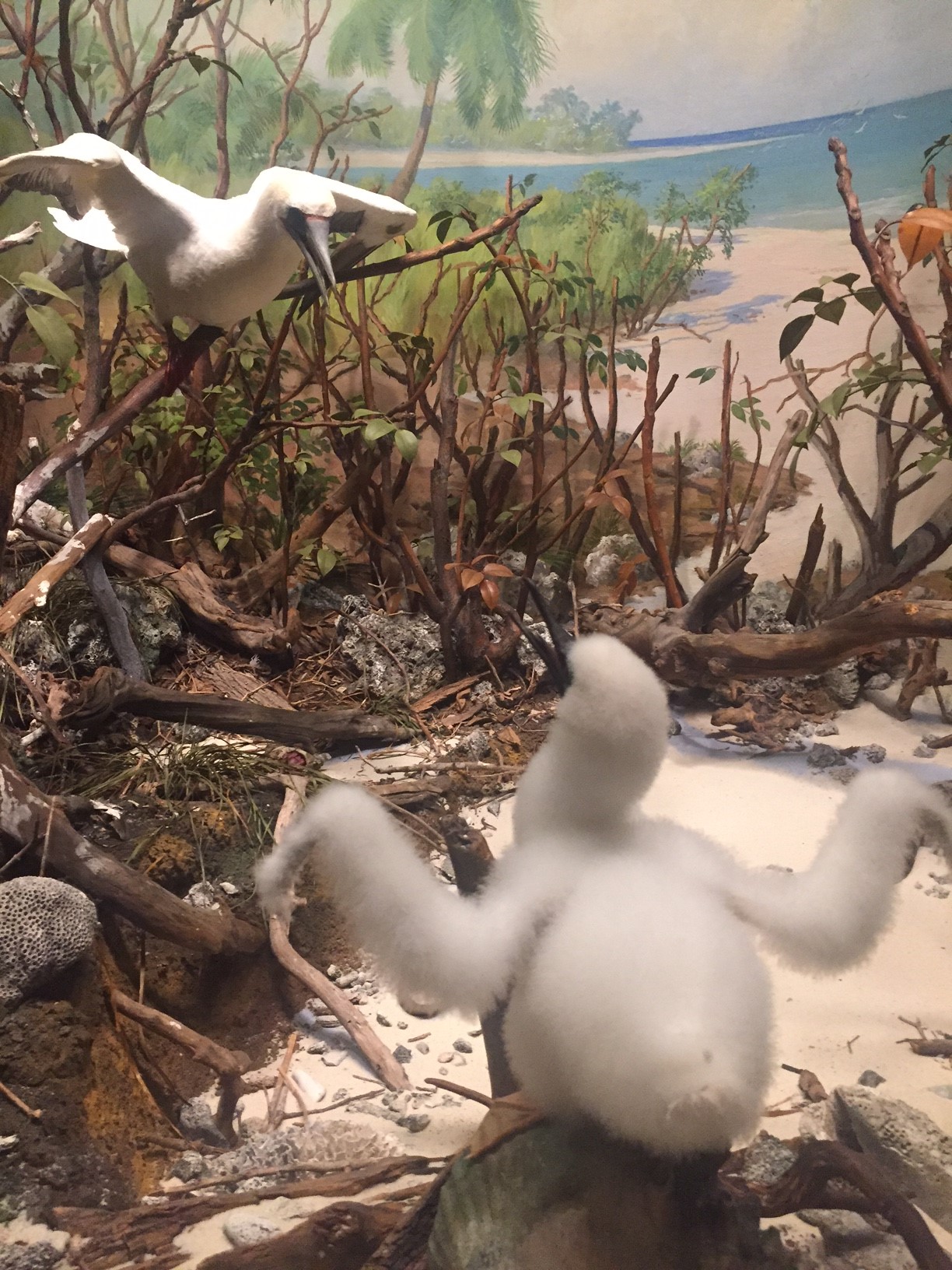
Red-footed booby specimens on display in Art of the Diorama, an exhibition at Carnegie Museum of Natural History that explores the evolution of natural dioramas.
Carnegie Museum of Natural History
One of the Four Carnegie Museums of Pittsburgh
Red-footed booby specimens on display in Art of the Diorama, an exhibition at Carnegie Museum of Natural History that explores the evolution of natural dioramas.
 by José Padial
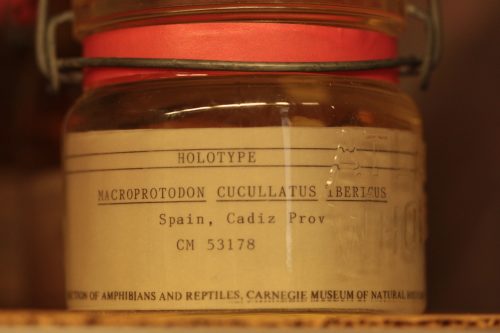
This jar contains the holotype of Macroprotodon cucullatus iberius, a subspecies of false smooth snake, in the herpetology collection of Carnegie Museum of Natural History.
The holotype is the name-bearer of a species and every species recognized by scientists is associated to an holotype.
The specimen was collected in Cadiz Province, Spain by American herpetologist Stephen Busack. Because of his knowledge of
Spanish, Stephen Busack was deployed in Rota Naval Base during the Vietnam War, and he used his spare time to research the area’s poorly known local fauna of amphibians and reptiles.
His research revealed new species, and the precise locality data he collected is now key to demonstrate the radical transformation that the environment of the area has experienced during the last 40 years.
Many of the populations studied by Busack are now gone. Populations from Cadiz Province are now considered to belong to the species Macroprotodon brevis and it is the smaller and rarest snake of the Iberian Peninsula. It feeds on lizards, baby snakes, blind snakes, and even individuals of its own species!
José Padial is the William and Ingrid Rea Assistant Curator of Herpetology at Carnegie Museum of Natural History. He most recently traveled to the remote Vilcabamba mountains of Peru in the pursuit of biodiversity research. Read more at www.tumblr.com/blog/expeditions-carnegiemnh.
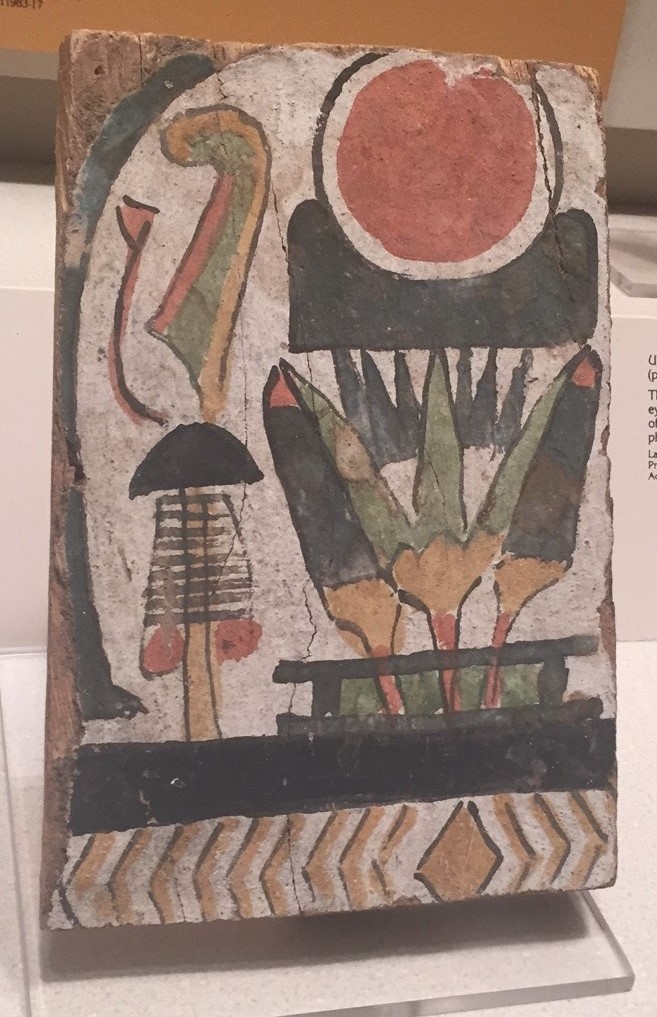
This piece of painted, gessoed wood is on display in Walton Hall of Ancient Egypt. Archaeologists dated it from between 1070 and 653 B.C. and believe it may have come from a coffin. The hieroglyphs on it represent the creator god Re and the afterlife, which symbolically represents creation or rebirth.
by Patrick McShea
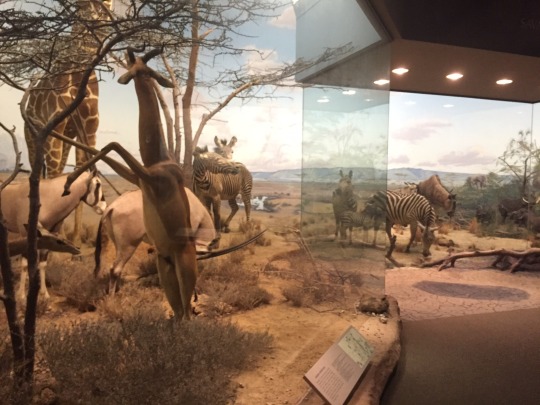
Amid the life sized, realistic diorama’s in Carnegie Museum of Natural History’s Hall of African Wildlife, there is a low table with adjacent seating that is reserved for play on a smaller scale.
Sturdy scale models of Africa’s emblematic species provide all that’s necessary for visitors to make associations, create scenes, simulate and imagine action, and engage in conversation.
The plastic menagerie is housed in a zebra-striped toolbox, which also contains brief information sheets about featured creatures. Based upon the arrangements I’ve found while checking the table’s animal inventory, a popular pastime involves matching models with respective information sheets.
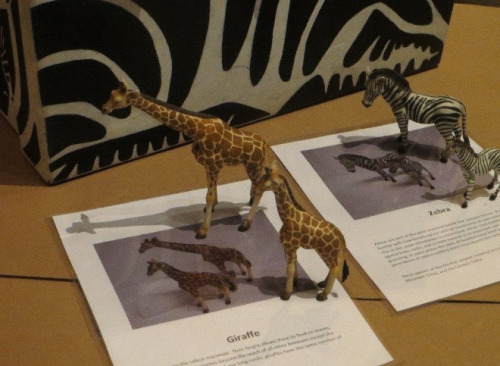
Novel uses include using the toolbox as a prop. Below the box stands-in for Noah’s Ark with the paired animal models in an orderly boarding line.
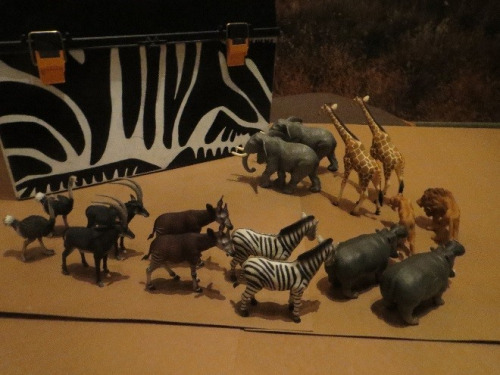
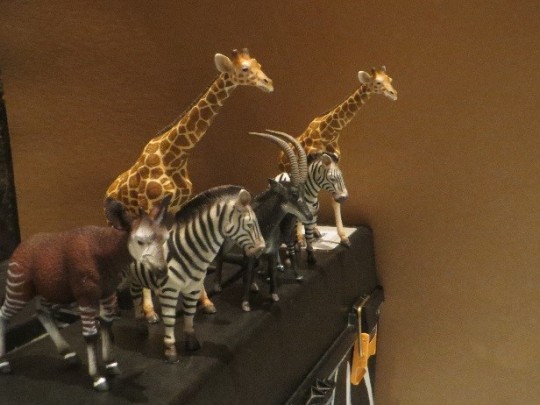
The creator of another scene appeared to imagine toolbox as a mesa with a line of grazers and browsers looking out to scout for predators or perhaps greener feeding grounds.
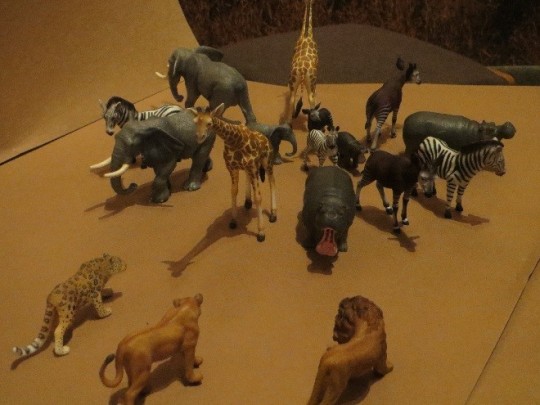
If the replicas’ proximity to dioramas containing life-sized taxidermy mounts invites discussion of scale, the plastic menagerie’s mix of carnivores and herbivores certainly leads to talk of predator and prey relationships. Below a dramatic visitor-constructed scene features a circle of full grown plant-eaters protecting their young from approaching meat-eaters.
Patrick McShea works in the Education and Visitor Experience department of Carnegie Museum of Natural History. Museum employees are encouraged to blog about their unique experiences and knowledge gained from working at the museum.
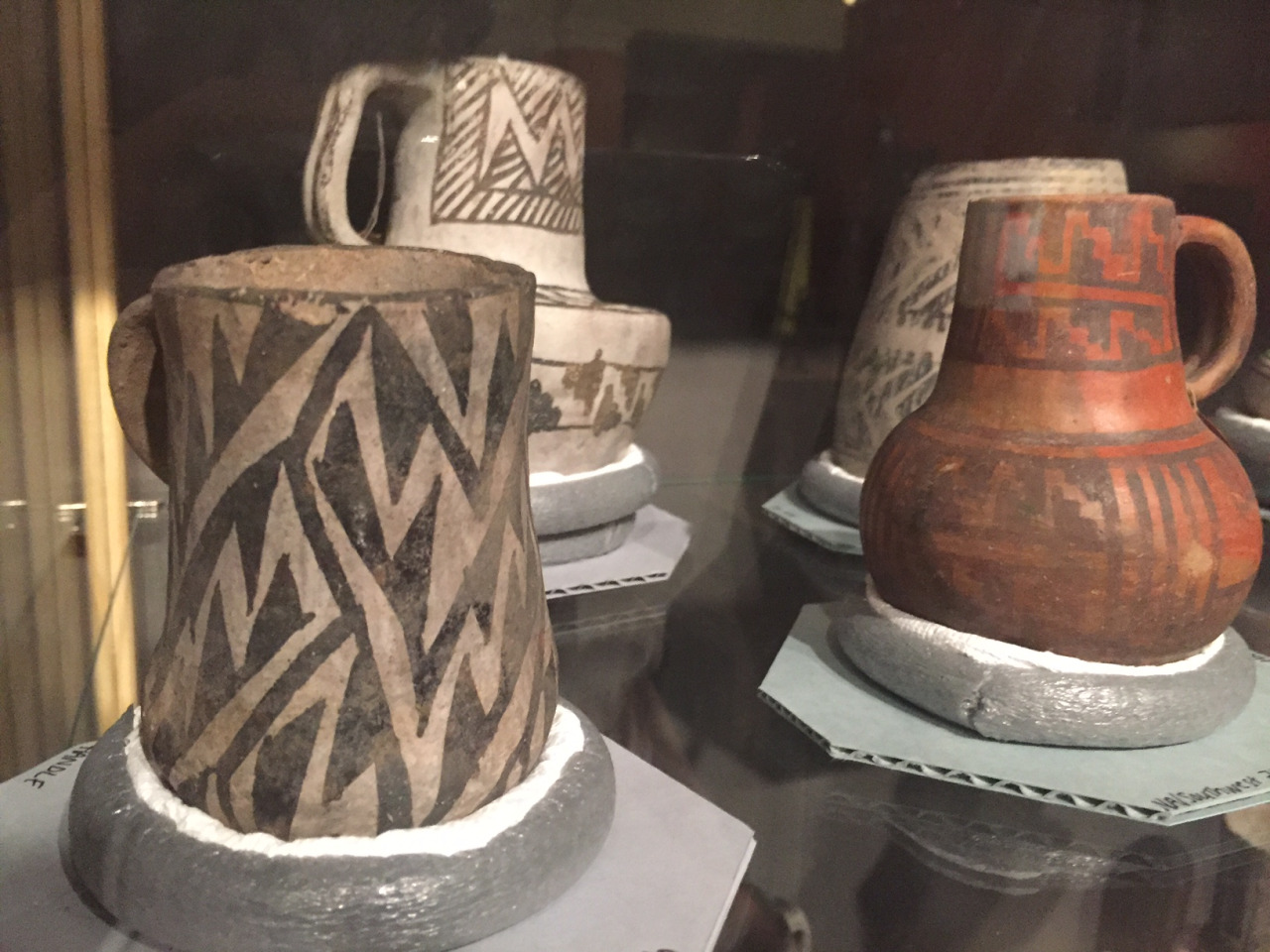
Pots from our archaeology collection on display in Discovery Basecamp, Carnegie Museum of Natural History’s new permanent interactive gallery.
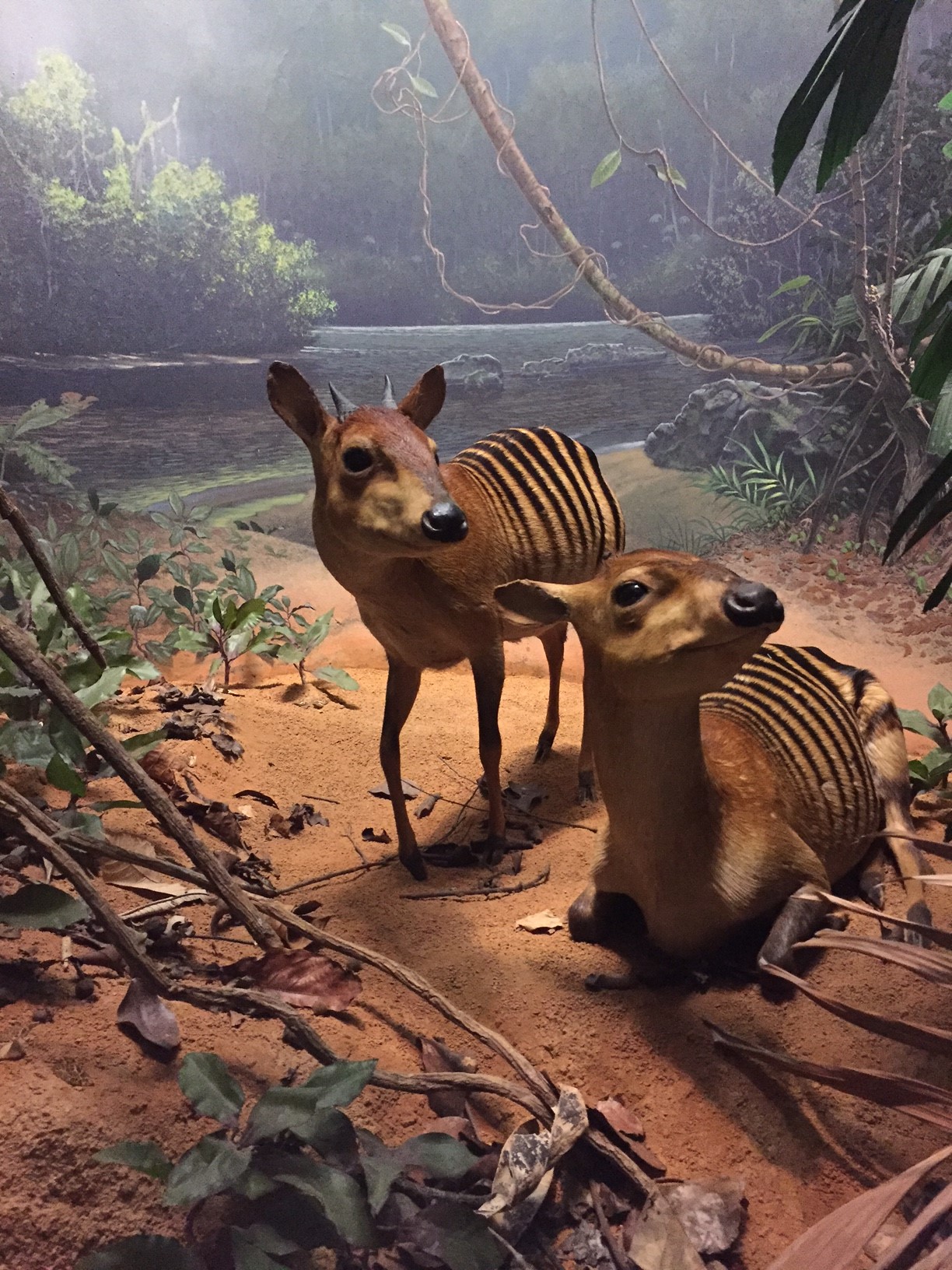
The Carnegie Museum of Natural History’s Zebra Duikers are shown in their natural habitat, the coastal rain forests of Africa in the Hall of African Wildlife.
