• Skip to primary navigation
  • Skip to main content
  • Skip to primary sidebar

Carnegie Museum of Natural History

One of the Four Carnegie Museums of Pittsburgh

  • Visit
    • Buy Tickets
    • Visitor Information
    • Exhibitions
    • Events
    • Dining at the Museum
    • Celebrate at the Museum
    • Powdermill Nature Reserve
    • Event Venue Rental
  • Learn
    • Field Trips
    • Educator Information
    • Programs at the Museum
    • Bring the Museum to You
    • Guided Programs FAQ
    • Programs Online
    • Climate and Rural Systems Partnership
  • Research
    • Scientific Sections
    • Science Stories
    • Science Videos
    • Senior Science & Research Staff
    • Museum Library
    • Science Seminars
    • Scientific Publications
    • Specimen and Artifact Identification
  • About
    • Mission & Commitments
    • Directors Team
    • Museum History
  • Tickets
  • Give
  • Shop

Nature Lab

October 18, 2019 by wpengine

The History of Jack-o’-Lanterns + Make Your Own Dippy Jack-o’-Lantern

Did you know jack-o’-lanterns were once carved from turnips?  Ancient Celtic cultures were known to carve turnips and place embers inside to ward off evil spirits. That’s because Ireland didn’t have pumpkins. When immigrants brought over their carving tradition, Americans began carving jack-o’-lanterns from pumpkins. This gave us a bigger canvas to work with!
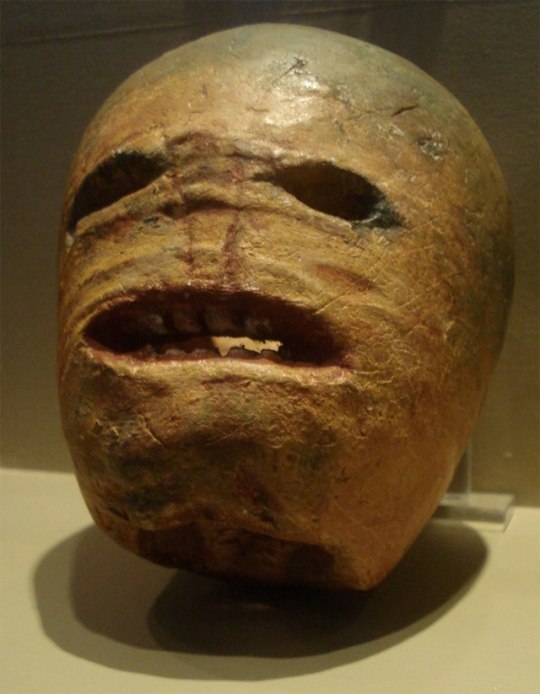
This is a traditional Irish jack-o’-lantern carved from a turnip.

The Great Pumpkin Flood

Can you imagine Halloween season without pumpkins? More than 200 years ago, eastern Pennsylvania experienced heavy rain causing the Susquehanna River to flood. The flood waters were so strong they washed away entire pumpkin crops. People were said to have seen pumpkins floating down the river, which was 5-10 feet higher due to the flooding. When the water began to subside, pumpkins were everywhere. This was known as The Great Pumpkin Flood of 1786.

The Nature360 Staff had a pumpkin carving party. Can you see Dippy riding a broomstick?

Dippy the Dinosaur Jack-o’-Lanterns

Our friend Dippy had so much fun with our last challenge, that they asked us to give you another! Do you think you can carve a Dippy jack-o’-lantern?

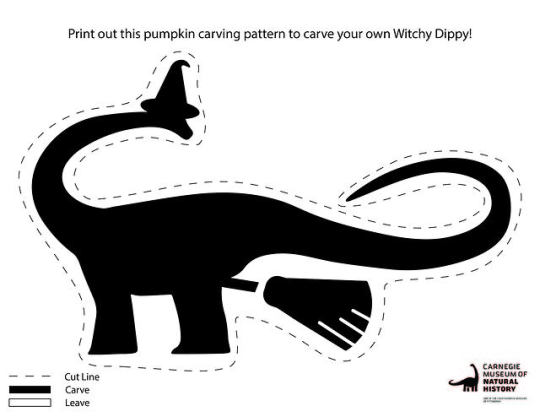
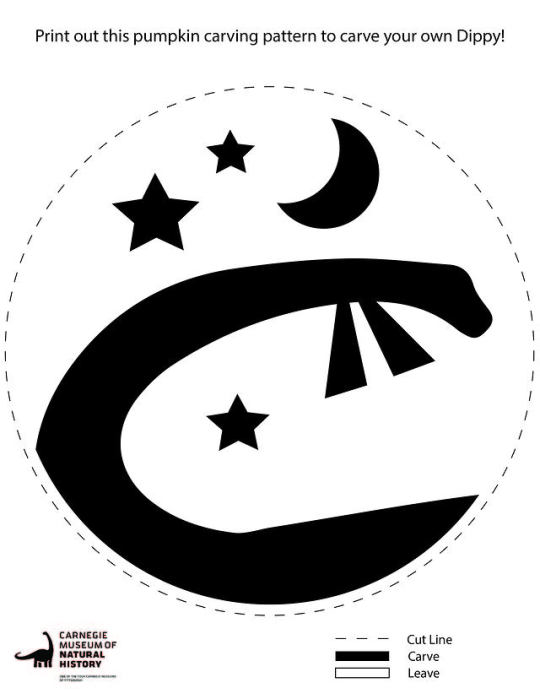
We have three pumpkin carving stencils for you to use that will bring Dippy to life, pumpkin style! You can choose to carve Dippy wearing a witch hat, Dippy in the night sky, or Dippy on a broom stick.

We’d love to see your jack-o’-lantern creations! Email them to nature360@carnegiemnh.org or tag Dippy on Twitter @dippy_the_dino.
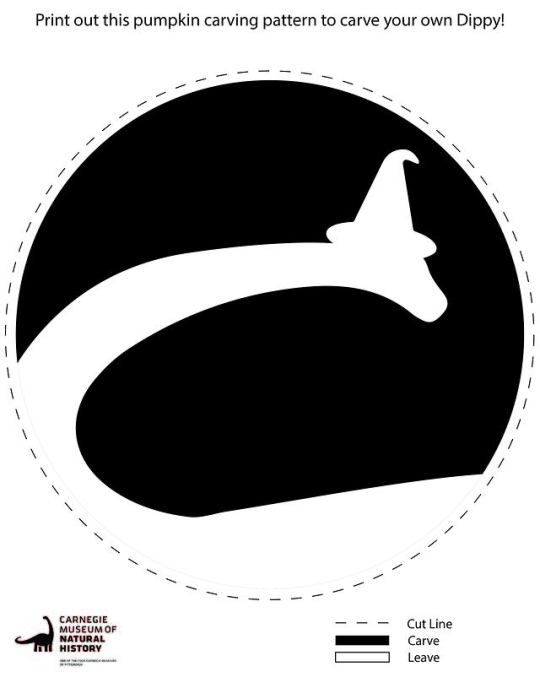
Dippy in a witch hat jack-o-lantern pattern


Dippy in the night sky jack-o-lantern pattern
Witchy Dippy jack-o-lantern pattern

Squash Dolls

Although pumpkins didn’t serve a large purpose in home decor until we began carving them, squash was popular to the Hidatsa Indians. Little girls were known to use squash as dolls. They would bring them in from the field, picking the ones that were multicolored, so the dolls looked to be wearing clothing.

Try more fun activities in Nature Lab! 
Filed Under: Blog Tagged With: Anthropocene, Botany, halloween, Nature Lab

October 15, 2019 by wpengine

Glowing Mushrooms and Pokémon

Nature’s Nightlights

Have you ever walked through the woods at night and noticed a small glowing object near the base of the trees? That’s bioluminescence happening in mushrooms – the creation and emission of light by organisms. Glow-in-the-dark fungi aren’t just something you’ll see in the woods. If you’ve seen the new Detective Pikachu movie, you may have encountered another species of glowing mushrooms!

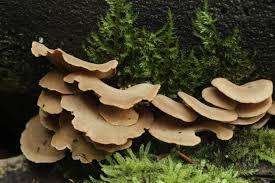
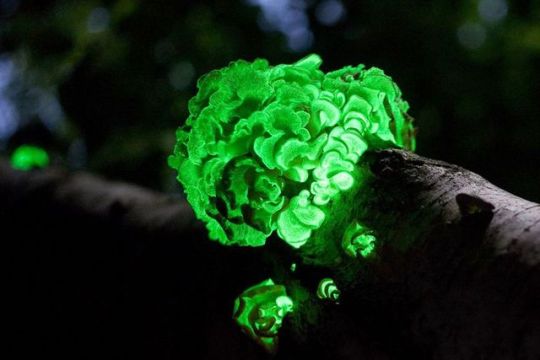
The radiant glow of bitter oyster mushrooms were used to mark trails prior to electricity!

What We Know About The Glow

By now, you’ve probably got some questions, like how does the glowing occur? And why? Well, the greenish light emitted from the mushrooms is the result of a release of energy from a chemical reaction. Research has shown that when the oxyluciferin in the mushroom releases its oxygen molecule, then it’s time to get lit. Only about 80 species of fungi are known to glow. Perhaps these funny fungi are drawing the attention of insects or animals that feed on the mushroom to disperse its spores, like the way a sweet-smelling flower attracts insects for the same reason.

These mushrooms are as plain as Clark Kent until they give off a super glow at night.

Glowing Mushrooms From Different Worlds

If you’re having trouble finding glowing mushrooms in the woods, have no fear, Detective Pikachu is here! The new movie shows off different types of Pokémon, including the Morelull. The Morelull is a Pokémon that resembles a mushroom with its stem-like body and three sprouting mushroom caps on its head. At night, the Morelull can make its spores glow with glittering sparks just like glowing mushrooms around you.

glowing mushroom-like Pokemon
A Morelull resembling a glowing mushroom appears in the wild during the Detective Pikachu movie trailer.

Fun Fact – Hypnotizing Spores

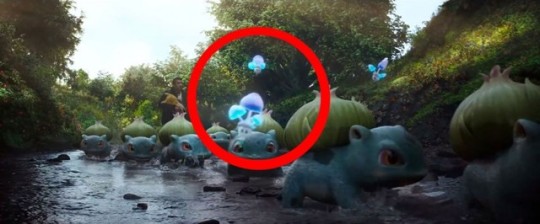
You can find Morelull in the Detective Pikachu trailer! When the trainers come across a herd of Bulbasaur, look for a few Morelull fluttering around them.

Detective Pikachu screenshot of Morelull

It’s Time For An Adventure!

Now it’s time for you to find glowing mushrooms near you. If you’re stumped on where to find nature’s nightlights, well, look for a stump! They are known to surround the bases of dead trees or wrap themselves around dead branches.

Popular glowing mushrooms:

-Luminescent Panellus

-Honey Mushroom

-Bleeding Fairy Helmet

-Jack-o-Lantern

Western Pennsylvania is home to several varieties. They can be found in backyards, along trails and in our parks such as:

-Powdermill Nature Preserve

-Beechwood Nature Reserve

-Frick Park

-Hartwood Acres

-Salamander Park

While you’re out looking for mushrooms, keep your eyes open for fireflies! Fireflies use luciferins, light emitting compounds, like mushrooms to glow.

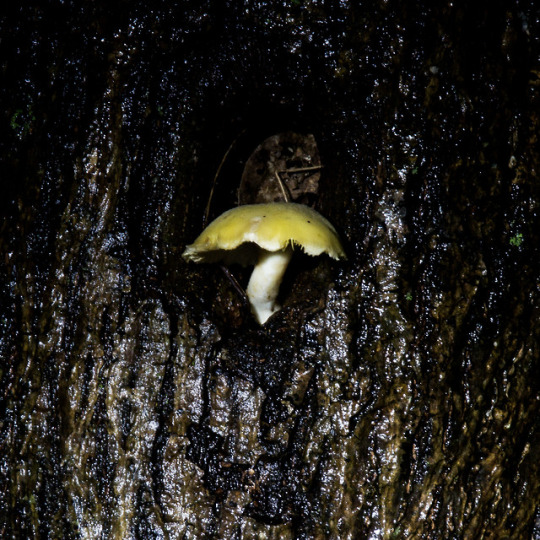
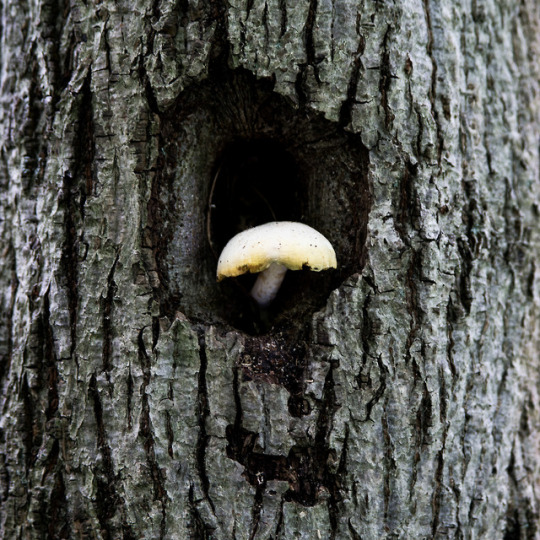
glowing mushroom
A Jack-o’-Lantern Mushroom glows under the moonlight at Beechwood Nature Reserve.


The same Jack-o’-Lantern Mushroom in the daylight.


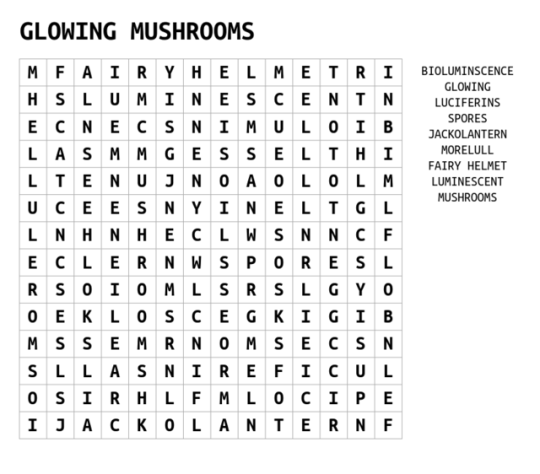
Can You Find The Words Relating to Mushrooms?

Learn more in Nature Lab!

Filed Under: Blog Tagged With: Anthropocene, autumn, Botany, Nature 360, Nature Lab, Pokemon

September 3, 2019 by wpengine

How to Use a Lensatic Compass

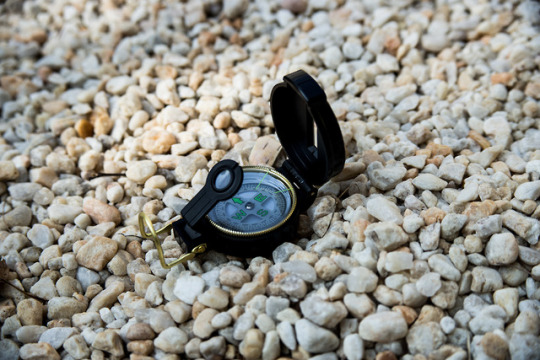
compass open on rocky ground

Have you ever heard someone say they need to find their bearings? It dates back to the Age of Discovery and refers to the bearings inside a compass that move the directional needle. That saying has lived on and so has the simple compass! Let’s learn about the military’s preferred version, the lensatic compass. It’s incredibly precise, affordably priced at just a couple of dollars, and easy to find in your local big box or sporting goods store.

What you’ll need

Lensatic compass

Enough room to rotate in a circle

Step 1

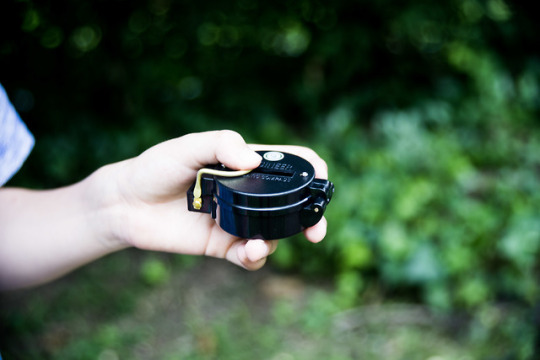
closed compass in hand

●     Hold the compass in the hand that you write with.

●     Make sure the side facing up has the open slot in the cover.

Step 2

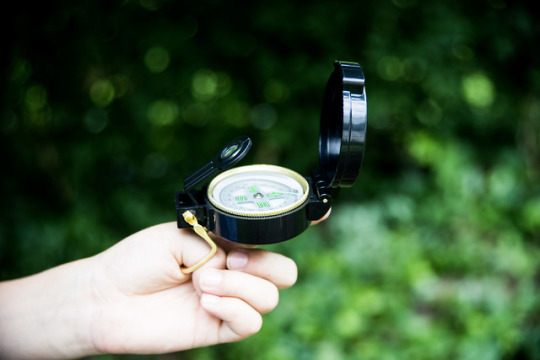
open compass in hand

●     Use your thumb to pull the thumb ring back about halfway.

●     Flip up the lid to a 90-degree angle.

●     Flip up the small magnifying glass.

●     Pull the ring underneath the compass and put your thumb through.

●     Wrap your middle, ring and pinky finger around your thumb for support. Use your index finger to steady the front of the compass.

Step 3

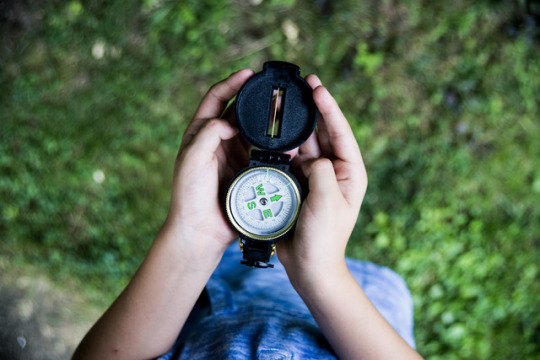
open compass in two hands

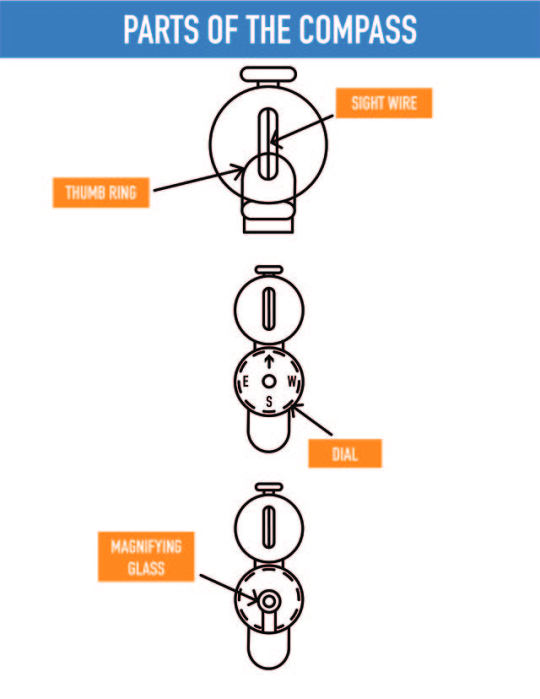
●     Notice the slot in the lid has a sight wire running down the middle.

●     Turn the dial until the larger line aligns with the sight wire.

●     Notice the second line of numbers surrounding the outside of the dial goes from 0 to 360 degrees to represent a full circle. That provides a more accurate direction. Saying an object is at 340 degrees Northwest is more accurate than saying it is Northwest.

Step 4

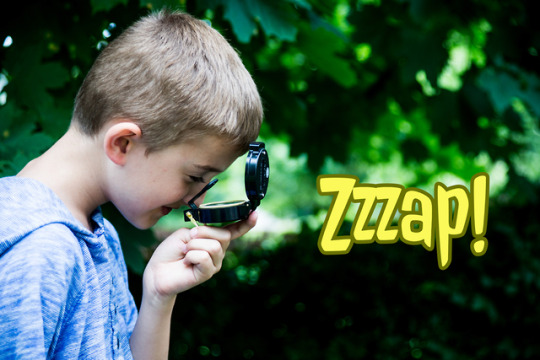
child reading compass

●     Hold the compass in front of your nose with the lid facing out.

●     Pick an object, rotate your entire body (not just the compass), and align the object with the sight wire.

●     Look through the magnifying glass and find the green line that we matched to the sight wire.

●     Locate the number on the inner dial. You will also see the directions North, South, East, and West. Congratulations, you found your bearings!

●     Pretend your compass is a cool space laser and say “Zzzap!” as you pretend to fire away at your landmark….OK that last part isn’t necessary, but might be fun!

Fun Fact

The lensatic compass is very versatile. You can also use it as you would a standard compass by pulling back the lid and magnifying glass to fully show directions North, South, East, and West. Hold your elbows tight against your body and the compass near your waist to get your bearings and find out which direction you are facing!

parts of the compass diagram


“There’s an app for that”

True, but learning how to read a compass can come in handy.

Do you have a phone or tablet? Look down and check the battery life. How about the WiFi and cellular service? Remember, batteries lose their charge and service can be unreliable in some areas.

Learn this skill in familiar territory like your backyard or a local park.

That way, if you need to use it in unfamiliar territory, you will be ready.

Can you com-pass this text? Give it a try!

Now that you know how to use the compass, let’s put your knowledge to the test! Head into your yard or an outdoors area to begin. Ready? Set? Go!

Locate North. What do you see? _______________

Rotate to the East. What do you see? _______________

Now West. What do you see? _______________

Find South. What do you see?  _______________

Great job so far! Let’s make things a little more challenging by incorporating the degrees.

Locate 340 degrees Northwest. What do you see? _______________

Now turn to 120 degrees Southeast. What do you see? _______________

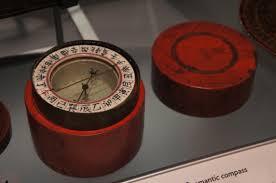
You are now part of a group of navigators that goes back hundreds of years. Research dates the use of the magnetized mineral lodestone as a compass all the way back to the year 1,000. Ancient Chinese explorers learned that they could float the stone on a small piece of wood in a cup of water and the stone would always point to the north pole. Sailors later discovered that rubbing a needle against a piece of lodestone made the needle magnetic and the evolution of the modern compass began, along with superstitions. Prior to the scientific explanation, sailors thought the compass was a magical object that could tell fortunes and cure illness. They also thought that onions and garlic could block the magnetic force, so those ingredients never boarded their ships.

Luckily, we know that compasses today are useful tools that help us find our bearings – no magic required. Congratulations on joining the club of compass navigators!

The ancient Chinese are believed to have created the first compass. This version was used on a ship around 1760.

Blog post by Eddie Phillips. Graphics by Megan Jones. 

Learn more in Nature Lab!

Filed Under: Blog Tagged With: Eddie Phillips, Education, Megan Jones, Nature 360, Nature Lab

August 26, 2019 by wpengine

Make Your own Cloud

Are you the kind of person who always has their head in the clouds? Come back down to earth, but bring the clouds with you. With just a few household items, you’ll get to see clouds form right in front of you!

Here’s What You Need:

  • A glass jar with a lid
  • Hot (almost boiling) water
  • Ice
  • Aerosol hairspray

Here’s What To Do:

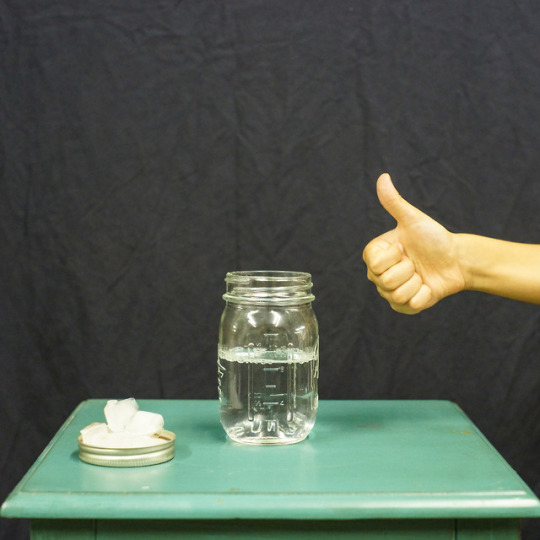
  1. Fill your jar about 1/3 full with hot water.
  2. Place the lid upside-down on top of the jar.
  3. Fill the lid with as many ice cubes as will fit.
  4. Let the jar sit for about 10 seconds.
  5. Quickly, lift the lid and spray some hairspray into the jar.
  6. Place the lid with ice back on top of the jar.
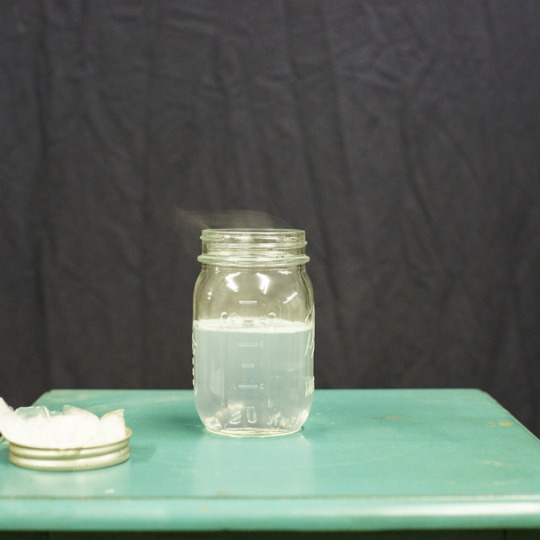
  7. Watch as a cloud forms above the water!

For step-by-step visuals, check out this quick animation!

https://carnegiemnh.org/wp-content/uploads/2019/08/Cloud-in-a-Jar-animation.mp4

Here’s How It Works:

Clouds are formed when water vapor (the gaseous form of water) condenses (turns from a gas into a liquid) into very small, visible droplets.  The water vapor condenses onto other particles in the air, like dust or smoke. In the jar, the hot water gives off water vapor that cools when it reaches the ice on the top of the jar. By spraying hairspray in the jar, we give the water vapor particles to condense onto.  The water vapor condenses into tiny droplets that we see as a miniature cloud.

Go outside and take a look at the clouds. How do they compare to the cloud you saw in your jar? What is the same? What is different?

mason jar filled with water, mason jar lid with ice, and thumbs up

mason jar filled with water beside mason jar lid with ice

Fun Fact:

Clouds are actually quite heavy. Those white, fluffy clouds that look weightless as they float through the air can contain millions, billions, or even trillions of pounds of water! Clouds float because they are not as dense or heavy  as the dry air beneath them. It’s similar to the way that oil floats on water.

Blog post by Eddie Phillips. 

Learn more in Nature Lab!

Filed Under: Blog Tagged With: Eddie Phillips, Education, Educators, nature, Nature 360, Nature Lab

  • « Go to Previous Page
  • Page 1
  • Page 2
  • Page 3
  • Page 4

sidebar

About

  • Mission & Commitments
  • Directors Team
  • Museum History

Get Involved

  • Volunteer
  • Membership
  • Carnegie Discoverers
  • Donate
  • Employment
  • Events

Bring a Group

  • Groups of 10 or More
  • Birthday Parties at the Museum
  • Field Trips

Powdermill

  • Powdermill Nature Reserve
  • Powdermill Field Trips
  • Powdermill Staff
  • Research at Powdermill

More Information

  • Image Permission Requests
  • Science Stories
  • Accessibility
  • Shopping Cart
  • Contact
  • Visitor Policies
One of the Four Carnegie Museums | © Carnegie Institute | Privacy Policy | Terms of Use | Accessibility
Rad works here logo