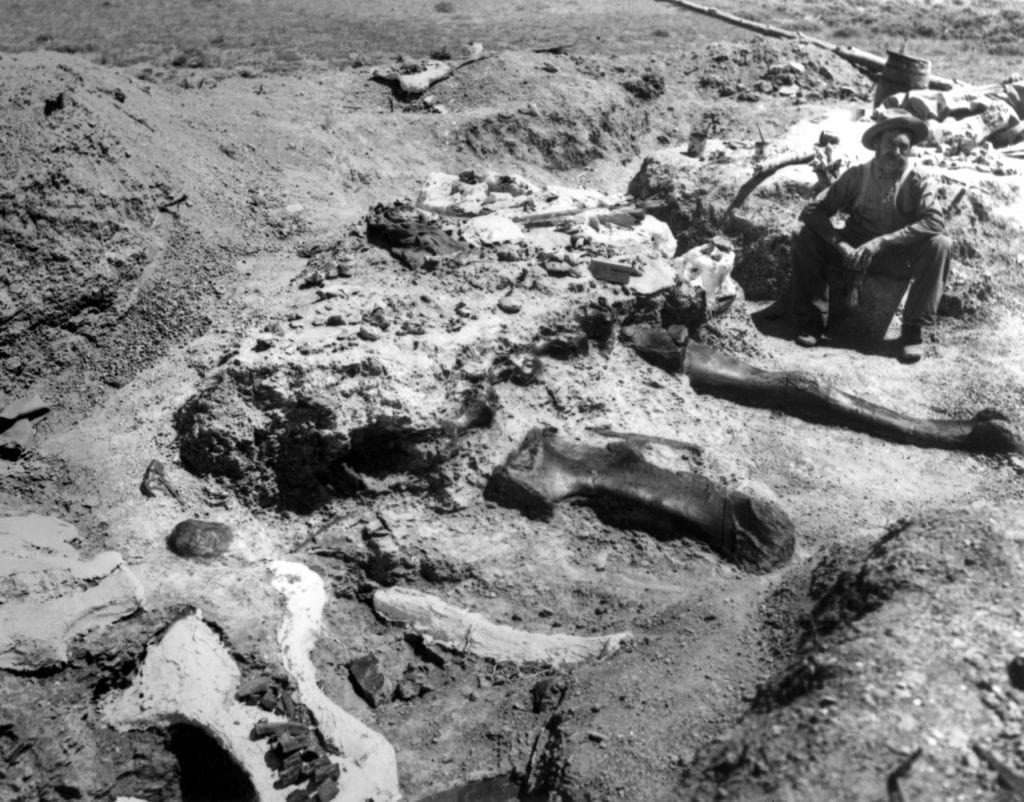
This picture shows a man at work at a dig site in Sheep Creek, the site in Wyoming where Diplodocus Carnegii was discovered.
Carnegie Museum of Natural History
One of the Four Carnegie Museums of Pittsburgh
This picture shows a man at work at a dig site in Sheep Creek, the site in Wyoming where Diplodocus Carnegii was discovered.
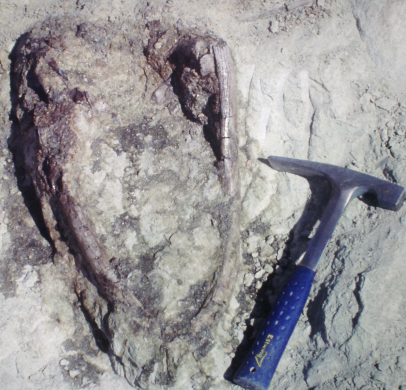
In some areas of the world, the fossils of sauropod dinosaurs are so common that paleontologists literally trip over the bones of these huge, long-necked, long-tailed plant-eaters that many people think of when they hear the word “dinosaur.”
While some kinds of sauropod bones are common, others such as skulls are more elusive – which makes a new discovery that was coauthored by a Carnegie Museum of Natural History paleontologist very exciting.
A skull discovered in a rural area of southern Chubut Province, Argentina, will give a face and name to a ten-ton sauropod that plodded around the southern hemisphere about 95 million years ago – Sarmientosaurus musacchioi.
Assistant Curator of Vertebrate Paleontology Matt Lamanna worked on a team that named the new species of dinosaur, which he said will yield a wealth of insights into the biology and behavior of titanosaurs, a group of sauropods that includes the most massive land animals that have ever existed. The fossil was originally discovered by the team leader Rubén Martínez of the Universidad Nacional de la Patagonia San Juan Bosco in Chubut.
The skull Martínez and his team discovered is arguably the most complete and well-preserved titanosaur skull ever found. It provides scientists with their first good look at the head of an
anatomically primitive titanosaur.
Scientists from Ohio University Heritage College of Osteopathic Medicine were able to reconstruct a model of what the dinosaur’s brain would have looked like. Despite the colossal size of the animal, its brain was probably only the size of an orange!
Lamanna said that Sarmientosaurus is one of the most exciting discoveries he’s worked on in his career and will provide researchers with information on the origins and evolutionary relationships of titanosaurs.
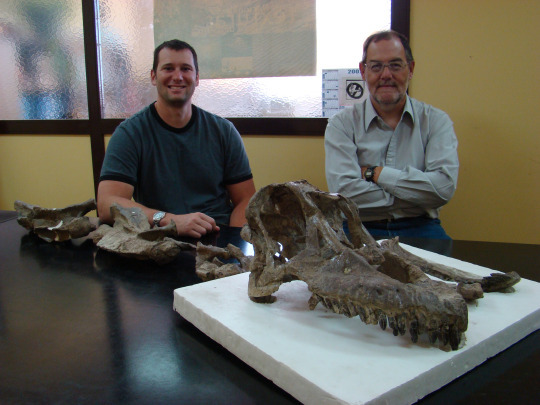
Above: Research team members Dr. Rubén Martínez (Universidad Nacional de la Patagonia San Juan Bosco, Comodoro Rivadavia, Argentina, right), and Dr. Matt Lamanna (Carnegie Museum of Natural History, Pittsburgh, USA, left) with the skull and neck skeleton of the new titanosaurian dinosaur species Sarmientosaurus musacchioi.
Further information and resources:
http://dx.plos.org/10.1371/journal.pone.0151661
Still images, animations, and interactive 3D digital model for download (with captions and credits): https://www.dropbox.com/sh/in3tupno91h0haw/AACJmvc05hB7fk5tkeNcwgCBa?dl=0
YouTube animation of the Sarmientosaurus skull and brain endocast: https://www.youtube.com/watch?v=Zb8e5ffEC74
Interactive Sketchfab animation of the Sarmientosaurus skull: https://skfb.ly/MKOP
Interactive Sketchfab animation of the transparent Sarmientosaurus skull showing the brain endocast inside: https://skfb.ly/MKLO
Interactive Sketchfab animation of the Sarmientosaurus brain endocast: https://skfb.ly/MKKH
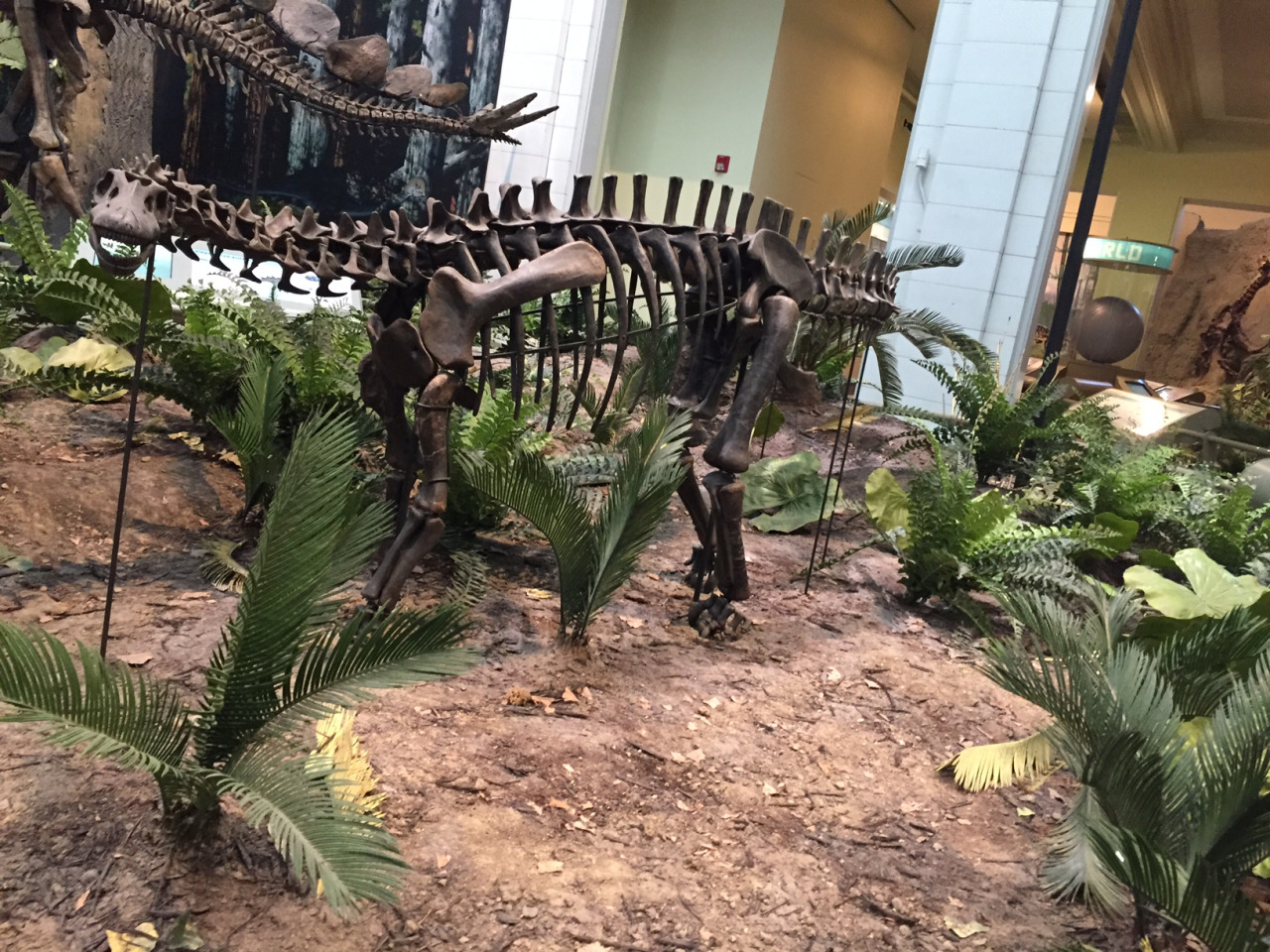
For many years, Paleontologists were on an egg hunt that extended way beyond Easter.
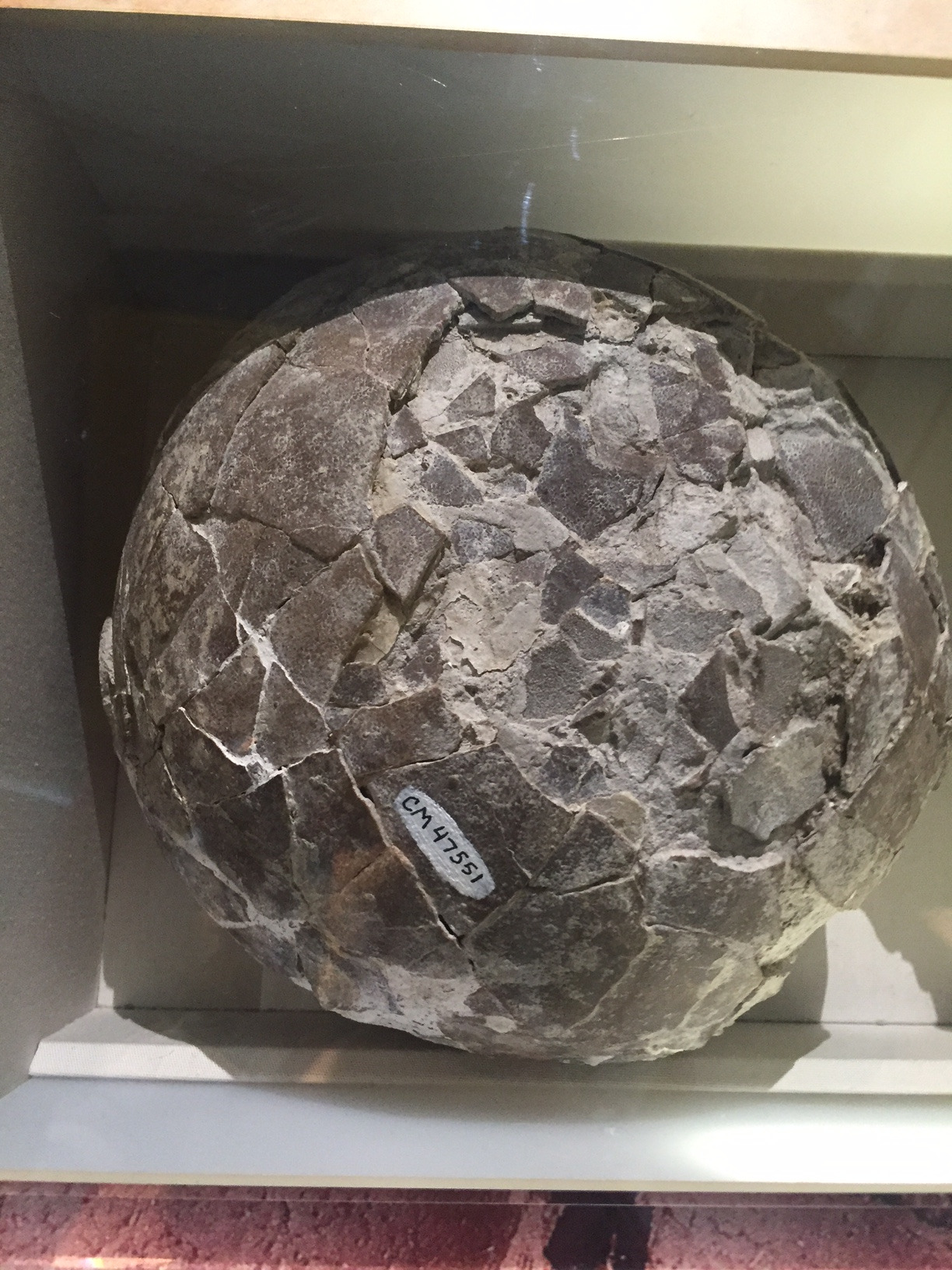
Until 1997, scientists did not know much about the way sauropods (herbivore dinosaurs with long necks and tails) reproduced and grew. A fossilized sauropod nesting ground with thousands of dinosaur eggs found in Argentina gave paleontologists answers about how sauropods nested and what baby sauropods looked like and how they grew.
Carnegie Museum of Natural History’s Dinosaurs in Their Time features a sauropod egg and the reconstructed skeleton of a baby Apatosaurus, originally believed to be a different type of dinosaur entirely.
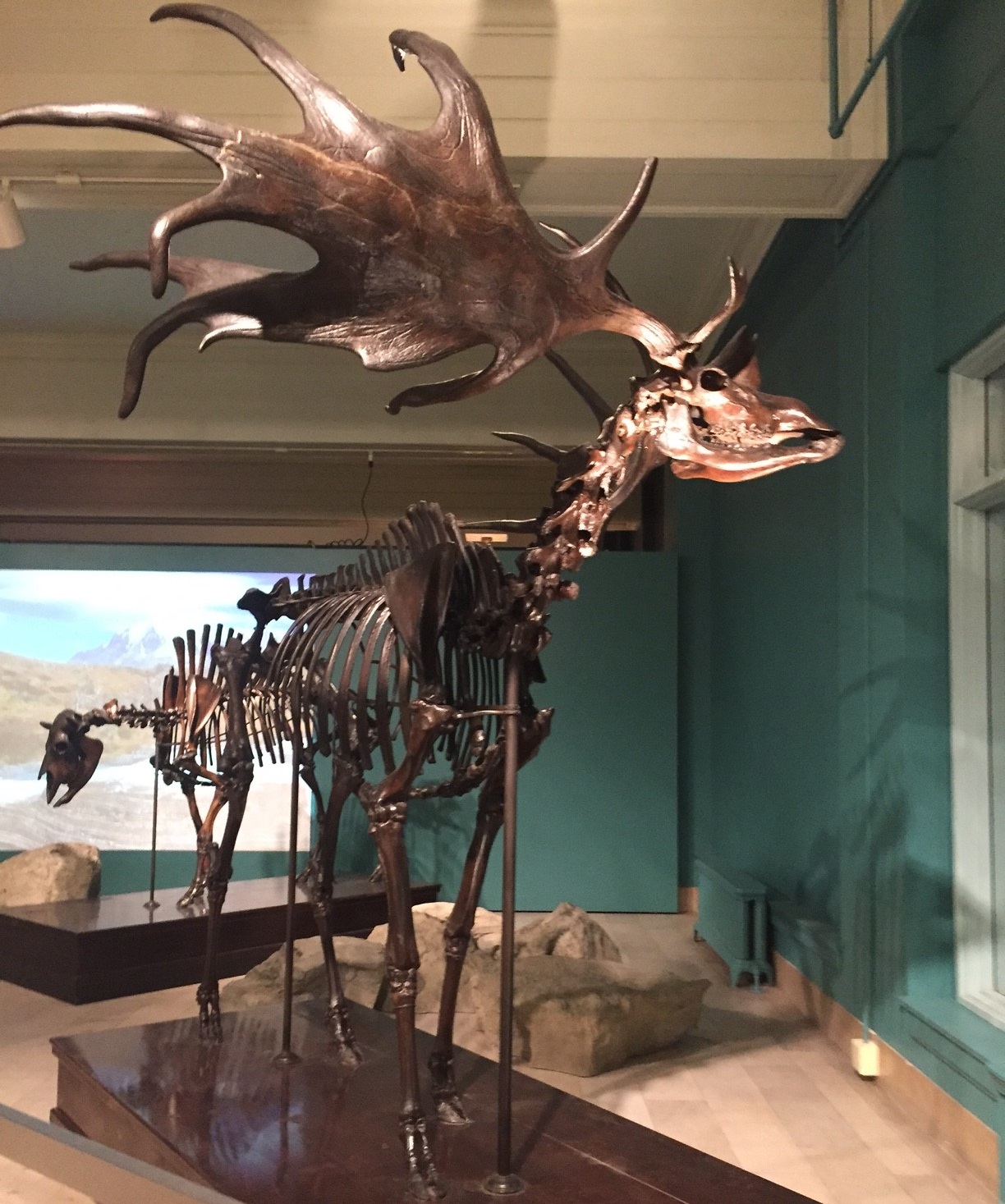
Long before St. Patrick chased the snakes out of Ireland, the Megaloceros giganteus strutted across the Emerald Isle during the Ice Age sporting antlers that weighed as much as 100 pounds and spanned up to 12 feet. Also known as Irish elk, Megaloceros giganteus were about 7-feet tall at the shoulder and the largest known deer that ever lived.
The species is thought to have lived throughout Eurasia, but the best documented remains are found in Irish peat bogs.
Our specimen was found in peat bog near Dublin, Ireland and is on display in Cenozoic Hall.

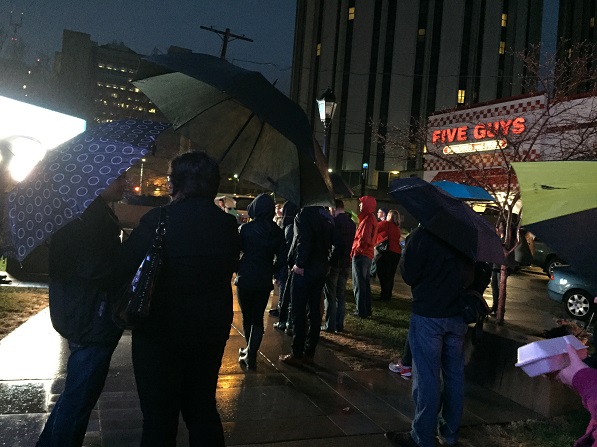
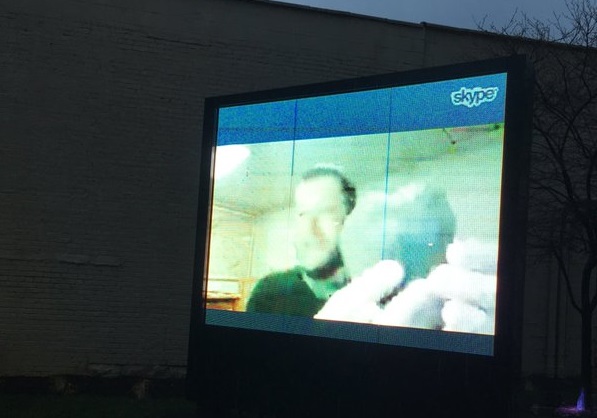
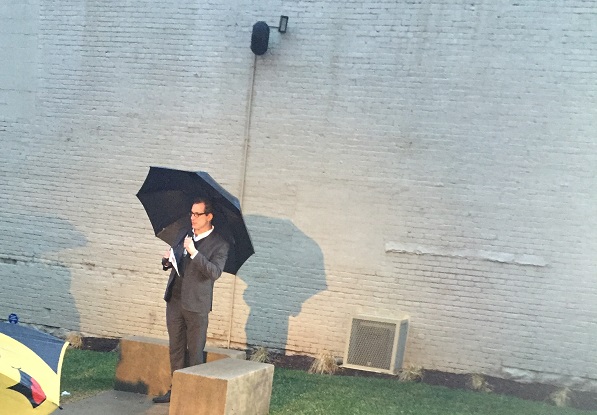

Undeterred by rain, about 65 people attended Live from Antarctica! to ask a paleontologist on the southernmost continent questions about his search for fossils.
Using Skype and a large, high-definition digital screen, Dr. Matt Lamanna, Carnegie Museum of Natural History’s principal dinosaur researcher, answered questions from museum director, Dr. Eric Dorfman, and members of the audience on March 10 during the free community event at Forbes Digital Square in Oakland.
Along with a team of experts, Dr. LaManna is searching for fossils on the Antarctica Peninsula. He Skyped in from aboard the research vessel Nathaniel B. Palmer to talk about his work to answer questions about Antarctic weather, live animals he’s seen, fossils his team has found, and what he will bring back to our museum here in Pittsburgh.
Its summer in Antarctica, but Dr. Lamanna said weather has still been challenging with occasional snow, rain and fog. Interestingly, some of the fossils his expeditions have found have been of leaves, which he said indicate that the coldest continent was once covered in forests, much like Western Pennsylvania.
“It’s a great example of how environments can change over time,” Dr. Lamanna said. Because days and nights that far south are extended and shortened the changing seasons, he said there’s no contemporary equivalent of the ancient environment that existed there as the age of the dinosaurs ended.
“We’re unearthing an ancient ecosystem and bringing that ecosystem back to Pittsburgh,” he said.
Other fossils found include clams, fish, and even dinosaur bones. Dr. Lamanna said they’ll carefully pack and ship an estimated three to four tons of fossils back to Pittsburgh.
Visitors will be able to view many of the new specimens in the museum’s PaleoLab this summer.
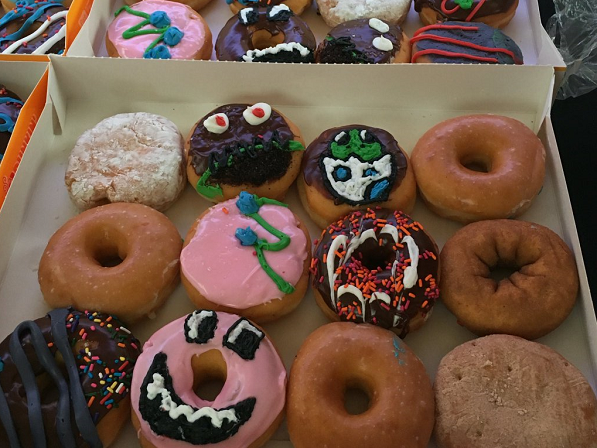
Many thanks to Oakland Business Improvement District for helping put on the event, the Taylor Allderdice High School jazz band for a great performance, and Dunkin’ Donuts for passing out dino donuts.
Dr. Lamanna’s expedition ends next week, but you can see photos of his work, wildlife he’s seen and the stunning landscape of Antarctica by following the Carnegie Museum of Natural History on Instagram, Tumblr, Twitter and Facebook .
