• Skip to primary navigation
  • Skip to main content
  • Skip to primary sidebar

Carnegie Museum of Natural History

One of the Four Carnegie Museums of Pittsburgh

  • Visit
    • Buy Tickets
    • Visitor Information
    • Exhibitions
    • Events
    • Dining at the Museum
    • Celebrate at the Museum
    • Powdermill Nature Reserve
    • Event Venue Rental
  • Learn
    • Field Trips
    • Educator Information
    • Programs at the Museum
    • Bring the Museum to You
    • Guided Programs FAQ
    • Programs Online
    • Climate and Rural Systems Partnership
  • Research
    • Scientific Sections
    • Science Stories
    • Science Videos
    • Senior Science & Research Staff
    • Museum Library
    • Science Seminars
    • Scientific Publications
    • Specimen and Artifact Identification
  • About
    • Mission & Commitments
    • Directors Team
    • Museum History
  • Tickets
  • Give
  • Shop

Super Science Days

June 18, 2020 by Kathleen

Stuffed Animal Safari: Walrus

Can you answer these walrus questions?

Grab your best stuffed animal friend and a notebook to use for this week’s activities–your safari field journal–and let’s get started! If you need help answering some questions, an adult can help you look for answers online.

  1. Where do walruses mainly live?
  2. What does this habitat look like? Draw it in your safari field journal!
  3. Could your stuffed animal friend live in this kind of habitat? Why or why not?
  4. What is one special adaptation walruses have to help them survive in their habitat?
  5. What do walruses eat? Are they carnivores, herbivores, or omnivores?
  6. Are walruses endangered, vulnerable, or something else? What does this mean for future populations?

The Atlantic Walrus (Odobenus rosmarus) is an easily recognizable Arctic mammal due to their large ivory tusks. Both male and female walruses have tusks and use them to make and maintain ice holes and pull themselves out of the water. This is how the walrus gets its scientific name—odobenus literally means “tooth walk.” Male walruses will also use their tusks to fight.

Walruses search for food in the shallow waters along coastlines and prefer to eat bivalve mollusks (like clams), but are opportunistic feeders. This means walruses will eat whatever types of aquatic animals are available including crustaceans (like crabs), sea worms, and fish. Their special whiskers, called vibrissae, are blood-and- nerve fed, which make them more sensitive than the whiskers we see on cats, dogs, or rodents. Those sensitive vibrissae help them feel small animals on the sea floor when they are foraging.

Walruses are well-suited for their chilly habitat. A layer of blubber, or fat, keeps them warm, even when swimming in freezing water. That layer of blubber can be almost 4 inches thick! Their blood vessels near the skin also constrict, or become smaller, when they swim in cold water, which helps keep more warmth on the inside of their body. When on land, walruses like to cuddle together to stay warm, and this is why they are known for being friendly and agreeable, at least with other walruses.

The Atlantic walrus is considered “vulnerable” or “near threatened” which means that this species is not endangered, but the numbers of wild walruses are decreasing and they may become endangered if that continues. Threats to wild populations include habitat loss and noise disturbance from ships and airplanes—walruses get startled easily and can stampede if a loud noise disturbs them.
Filed Under: Blog Tagged With: Stuffed Animal Safari, Super Science Days

June 17, 2020 by Kathleen

Stuffed Animal Safari: Jaguar

Can you answer these jaguar questions?

Grab your best stuffed animal friend and a notebook to use for this week’s activities–your safari field journal–and let’s get started! If you need help answering some questions, an adult can help you look for answers online.

  1. Where do jaguars mainly live?
  2. What does this habitat look like? Draw it in your safari field journal!
  3. Could your stuffed animal friend live in this kind of habitat? Why or why not?
  4. What is one special adaptation jaguars have to help them survive in their habitat?
  5. What do jaguars eat? Are they carnivores, herbivores, or omnivores?
  6. Are jaguars endangered, vulnerable, or something else? What does this mean for future populations?

It’s a lion…it’s a leopard…it’s a jaguar, or Panthera onca! Jaguars are the largest cats native to the Americas and although they’re related to lions, tigers, and leopards, they don’t live anywhere near these big cats. Their range extends from Mexico through Central and South America, including much of the rainforests known as Amazonian Brazil. Historically, jaguars once lived in the southern United States, but due to habitat loss and overhunting, only a few individual jaguars are still occasionally seen in states like Arizona, Texas, and New Mexico.

The majority of a jaguar’s habitat includes dense, forested areas with high humidity and frequent rainfall. Jaguars are known as apex predators, meaning they are highest on the food chain and aren’t hunted by other animals. Because of this, scientists often call them a keystone species; because they are opportunistic hunters and prey on a variety of animals, jaguars unintentionally help keep the forests they live in from becoming overpopulated and destroyed by one specific species of animal.

Jaguars are obligate carnivores—they eat meat and only meat. While they prefer larger prey like capybaras and giant anteaters, they will hunt smaller prey if desperate for food or if they are still young and inexperienced. Like their relatives, jaguars will often stalk and catch their prey by surprise rather than chasing their prey out in the open. They are excellent swimmers and have been known to ambush animals near or in rivers or during seasonal floods.

There are several adaptations jaguars have to help them survive—one of the most important being their spots. Although similar to a leopard’s spots, jaguars have far less spots and a distinctive dot—sometimes called an “eye”—in the middle of their spots that leopards lack. These spots provide them with camouflage to hide from prey or other jaguars competing for territory. They also have short and stocky limbs which allow them to climb and swim quickly and effortlessly.

Even though jaguars are apex predators, they are still considered “Near Threatened” on the IUCN Red List and their populations are currently in decline. A number of factors, including habitat loss, poaching, and increasing competition with humans. However, many steps have been taken to protect these big cats, like prohibiting hunting jaguars in a number of countries including Argentina, Brazil, Columbia, French Guiana, Honduras, Nicaragua, Panama, Paraguay, Suriname, the United States, and Venezuela. Large areas of open wild areas, called “Jaguar Units” have also been preserved for jaguars to live and breed safely.


Filed Under: Blog Tagged With: Stuffed Animal Safari, Super Science Days

June 16, 2020 by Kathleen

Stuffed Animal Safari: Binocular Activity

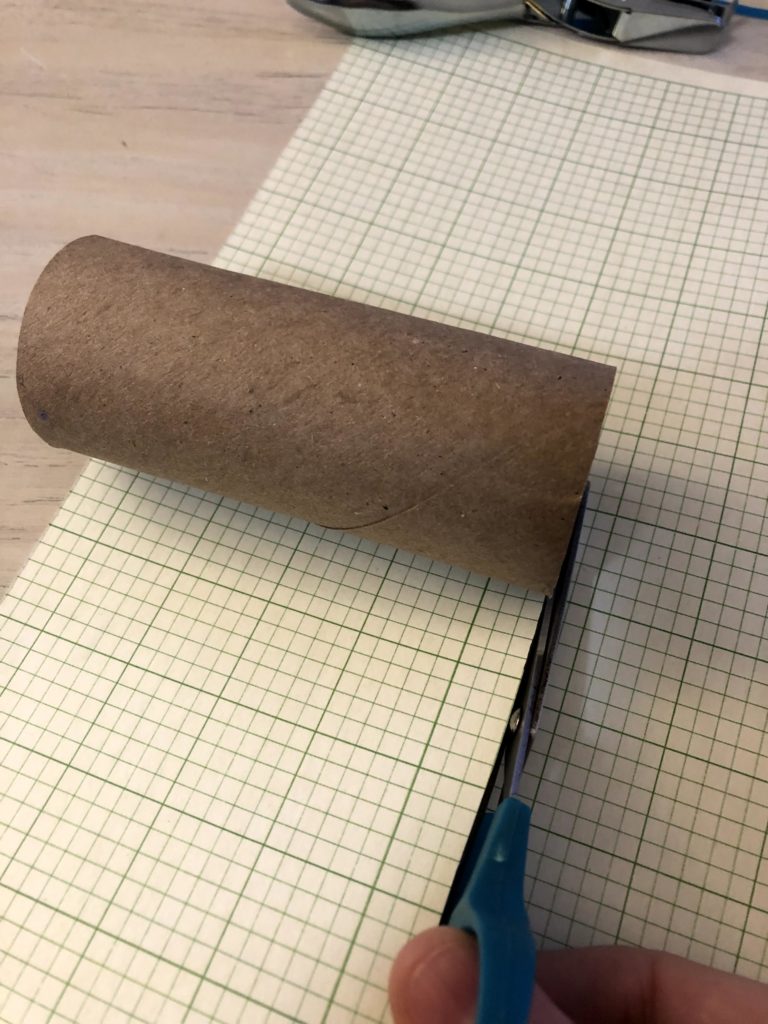
cutting paper to cover toilet paper tubes
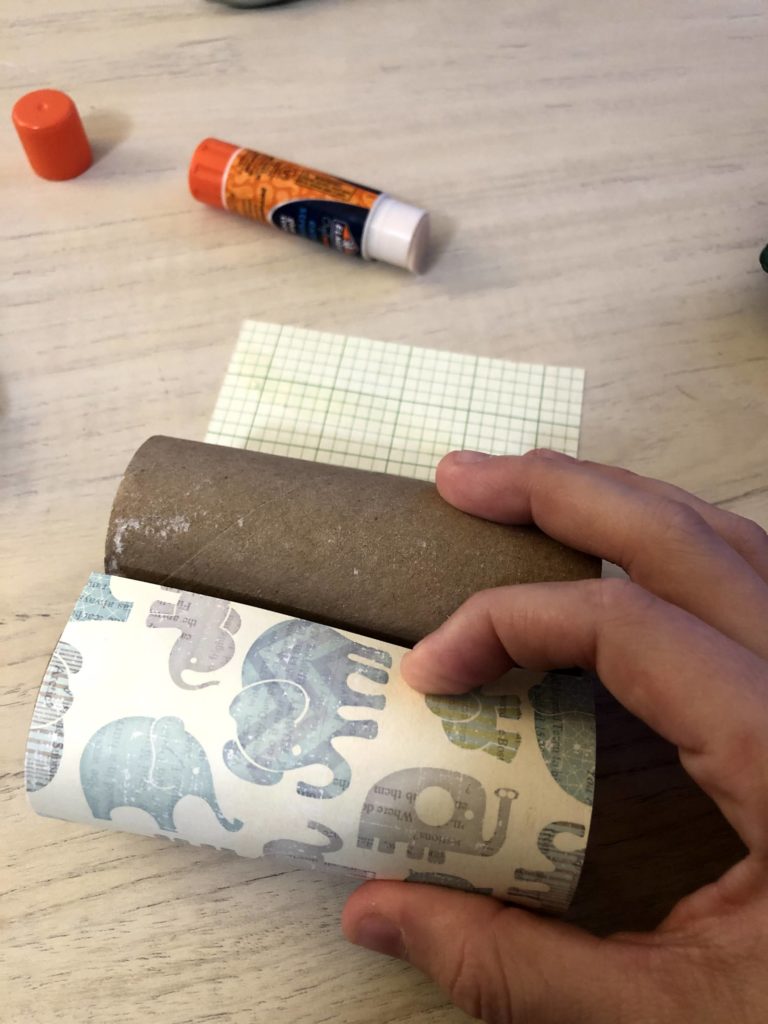
rolling paper around toilet paper tubes and gluing it on
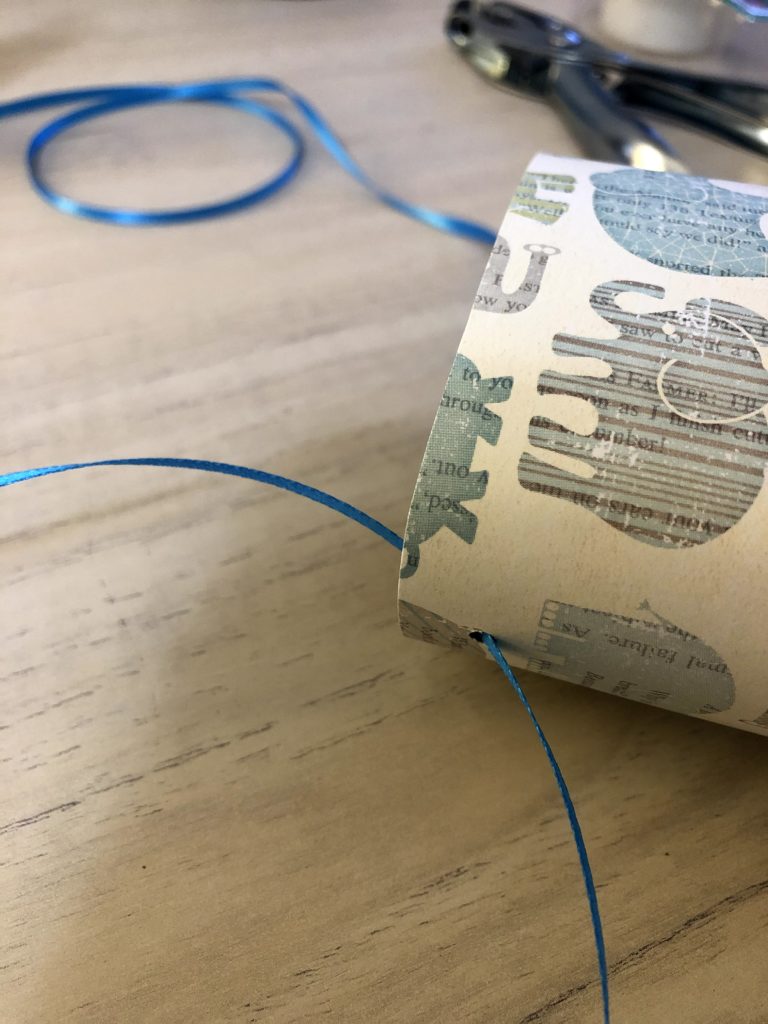
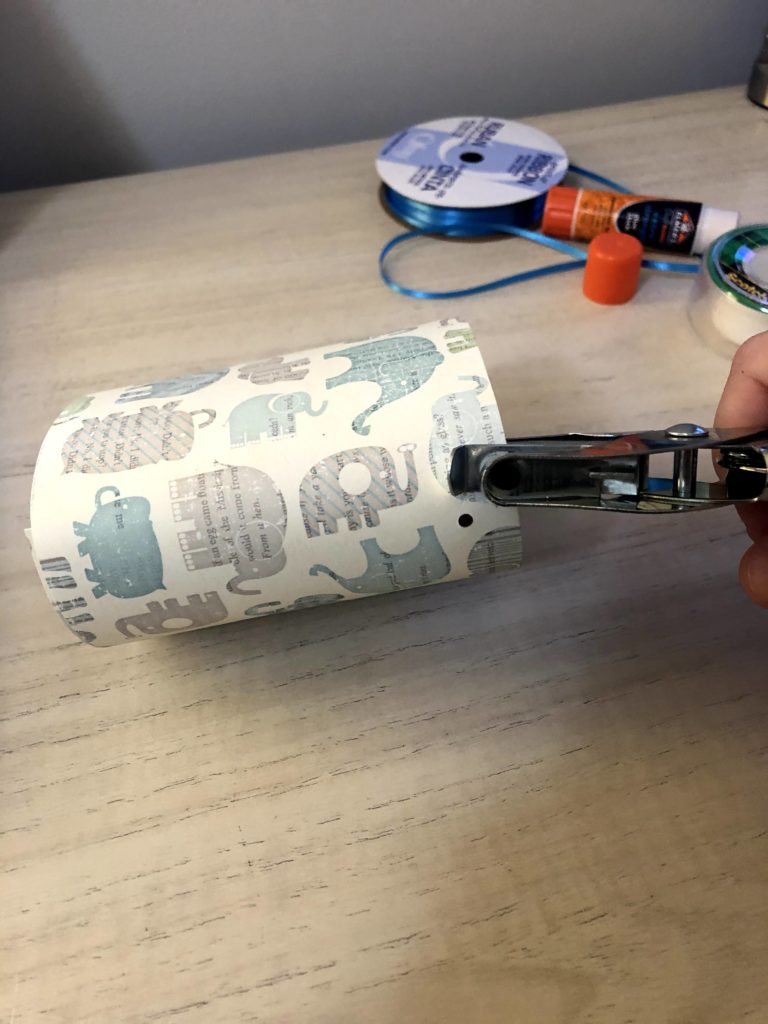
punching hole in toilet paper tubes for ribbon
putting ribbon through binocular holes
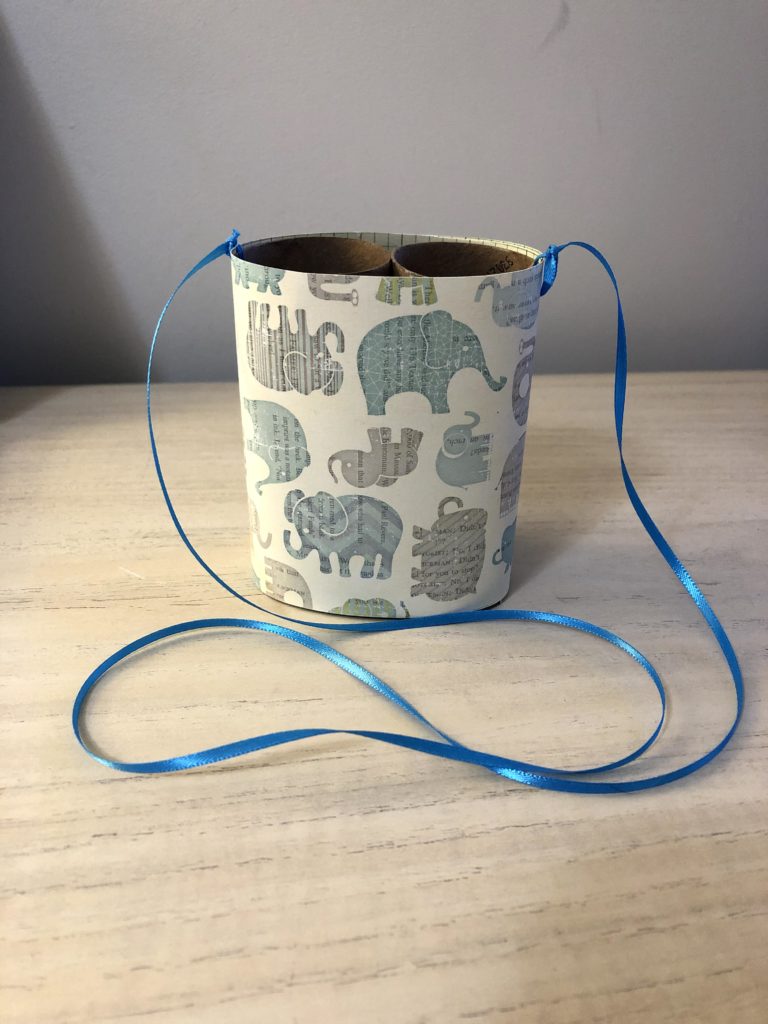
finished binoculars

What safari is complete without binoculars? Use this step-by-step guide to build your own set of binoculars to see all of the animals on our safari up close!

Materials Needed:

  • Sheet of paper at least 11 inches long (can be plan or patterned)
  • 3 feet of ribbon (or less depending on desired length)
  • 2 empty toilet paper tubes (or 1 empty paper towel tube, cut in half)
  • Scissors
  • Pencil
  • Hole punch
  • Glue stick
  • Tape
  • Crayons (for coloring paper)

Directions

  1. Lay 1 toilet paper tube against the back of the paper and mark the length of the tube with a pencil
  2. Cut at your mark to create a long piece of paper that is as wide as the tubes
  3. Decorate the outside of the paper, if desired
  4. Turn paper pretty side down
  5. Use the glue stick to place glue all over the back of the paper
  6. Use the glue stick to place glue all over the tubes
  7. Line up tubes with the edges of the paper and roll to cover the tubes
  8. Secure the seam with a piece of tape to hold everything in place as the glue dries
  9. Place a hole punch on one side for the string to go through
  10.  Place a hole punch in the same place on the opposite tube for the other string attachment
  11. Measure the length of string to your desired length
  12. Tie each end through the holes that are punched in the sides

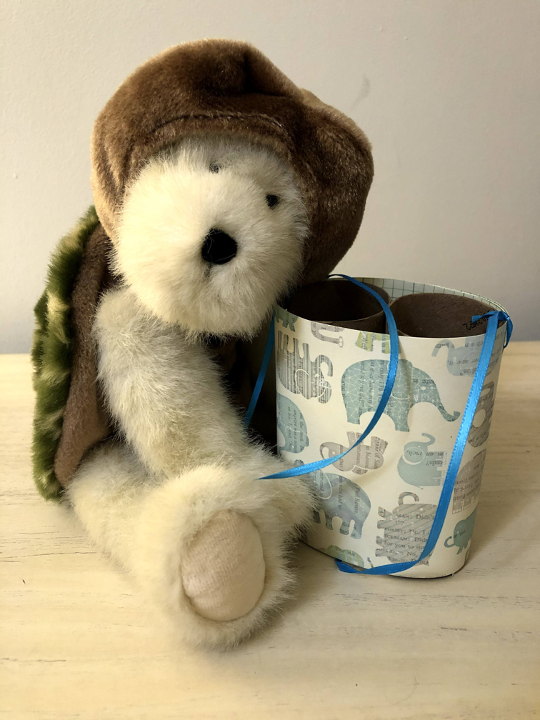
stuffed animal with binoculars

Filed Under: Blog Tagged With: activities, Crafts, Stuffed Animal Safari, Super Science Days

June 16, 2020 by Kathleen

Stuffed Animal Safari: Map Activity

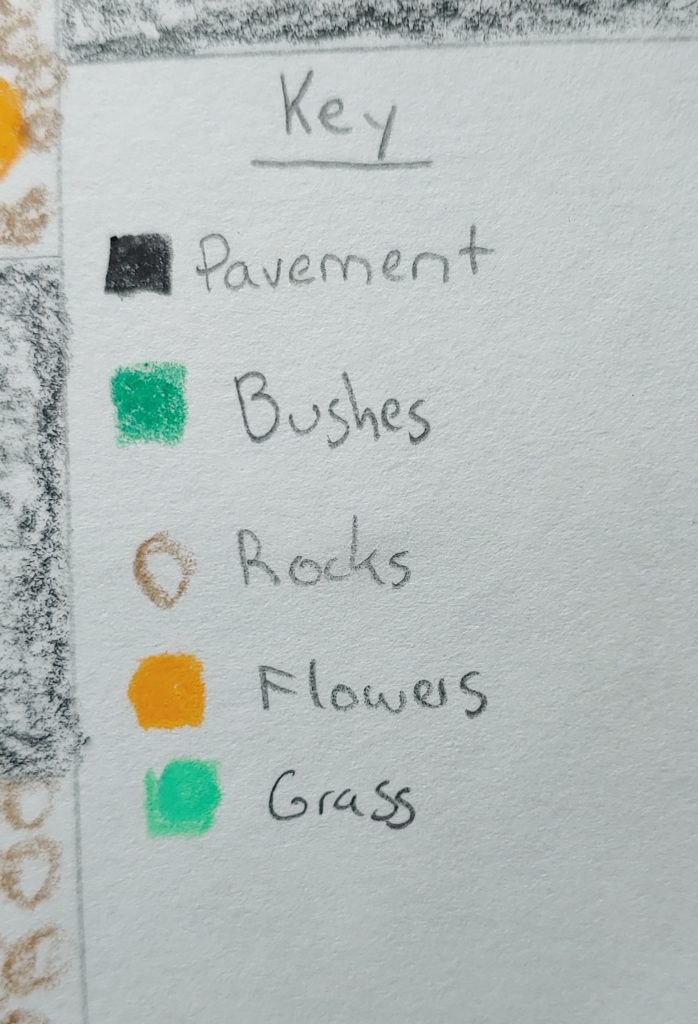
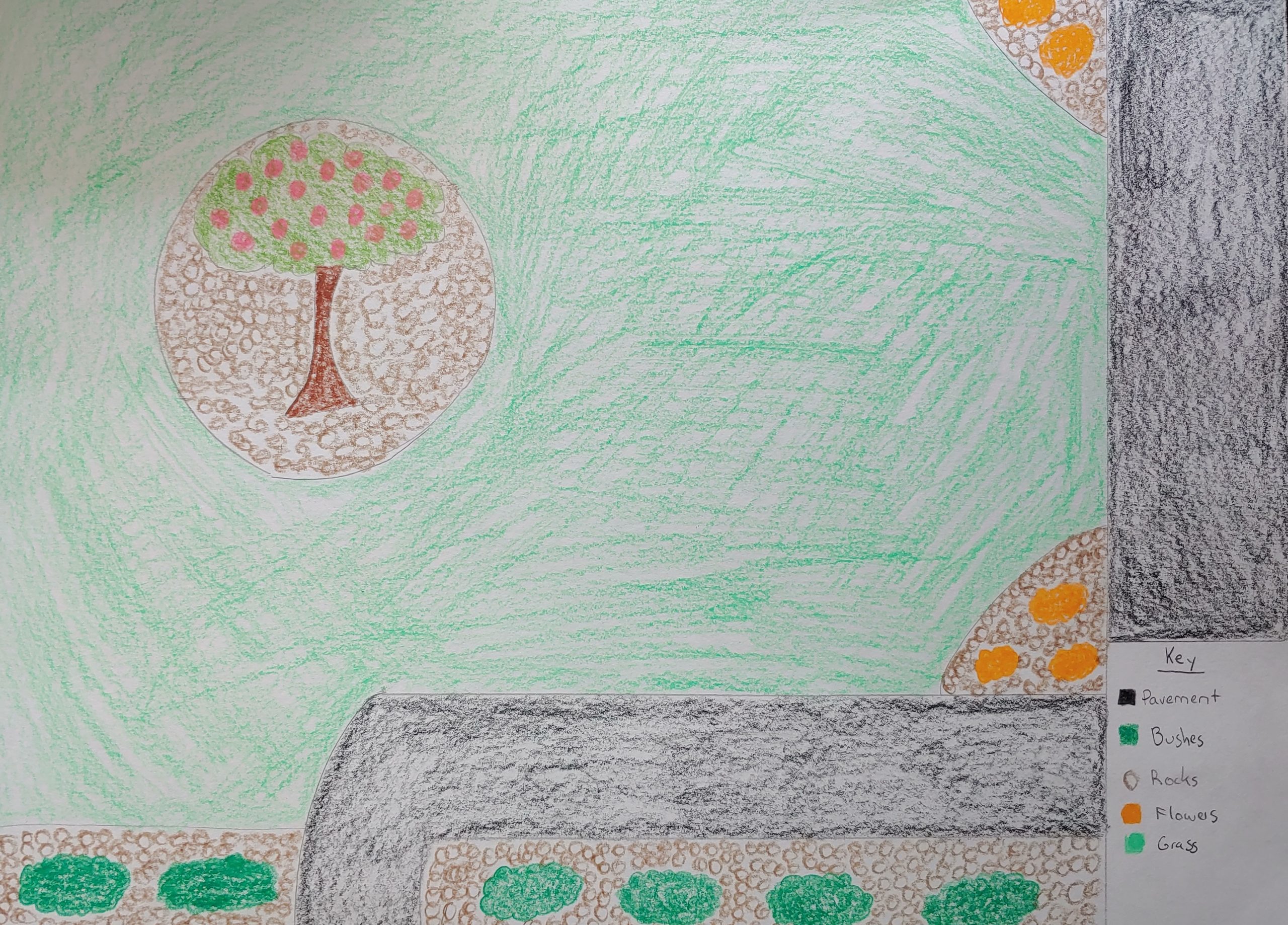
Map Key

key for map of backyard

map of backyard
Click on the image to enlarge our example of our backyard map!

Materials Needed:

  • Paper
  • Something to write with
  • Something to color with
  • Scissors (optional)

Use those materials to create a map of an outside space. It can be your yard, your neighborhood, even your city, or state! You can draw your map from memory or by exploring outside.

You can make your map interactive! If your environment changes you can update your map. Or if you want to track when and where animals are visiting, try drawing and cutting out a symbol that you can attach or remove!

A map key will help you, and others, understand your map. A key is a little guide that explains what the different symbols or colors represent.

Why is mapping important?

Mapping increases your understanding of your own environment and improves your sense of place. Sense of place is the attachment you feel to your surroundings. By sitting down to map out what is around you, you are using your senses to experience the world and thinking about what you are experiencing.

Maps can often reveal what is most important to you. For example, my map features the cherry tree in my front yard because I love watching birds land on it and squirrels climb it. Even though it isn’t in bloom this late in the year, I drew cherry blossoms because I love seeing the pretty flowers. Your map may include your sandbox, swingset, or whatever is most important to you!

Participatory Mapping

For a different challenge, you can work together as a family or household to make one map that everyone creates together. Just like a map you create by yourself, a map made by a group can show what is important to everyone. Participatory maps are even used by cities and towns to discover what their citizens find most important about their environment!

What do maps mean for safaris?

Safari guides will use maps to navigate as they take people to explore. Those maps may show where animals are typically found, what areas are dangerous and should be avoided, and other important landmarks. Those maps will exist because someone explored or remembered their environment and created them, just like your map!


Filed Under: Blog Tagged With: activities, Crafts, Stuffed Animal Safari, Super Science Days

June 16, 2020 by Kathleen

Stuffed Animal Safari: Gila Monster

Can you answer these gila monster questions?

Grab your best stuffed animal friend and a notebook to use for this week’s activities–your safari field journal–and let’s get started! If you need help answering some questions, an adult can help you look for answers online.

  1. Where do gila monsters mainly live?
  2. What does this habitat look like? Draw it in your safari field journal!
  3. Could your stuffed animal friend live in this kind of habitat? Why or why not?
  4. What is one special adaptation gila monsters have to help them survive in their habitat?
  5. What do gila monsters eat? Are they carnivores, herbivores, or omnivores?
  6. Are gila monsters endangered, vulnerable, or something else? What does this mean for future populations?

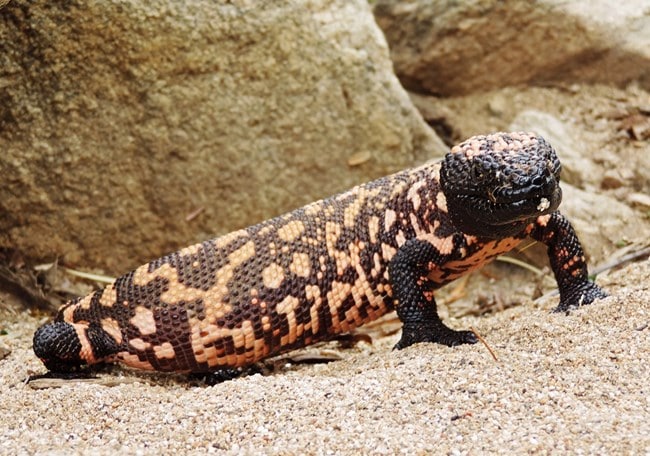
Gila monsters were one of the first venomous lizards discovered, and the first found within the United States! Found in Arizona, New Mexico, and the Mojave, Sonoran, and Chihuahan deserts of Mexico, gila monsters prefer dry, desert habitats. They’re also burrowers, which means they dig underground holes to live in to help them stay out of the sun on super-hot days.

A full grown gila monster is a little under two feet long. They have stout, flat bodies with bright orange stripes to warn would-be predators of their venom. Unlike snakes, a gila monster doesn’t use fangs to inject venom into their prey. Instead, venom flows into the wound created by the bite. Gila monsters’ venom is an important adaptation that helps paralyze prey like small birds, mammals, smaller lizards, and insects. However, they usually prefer to eat “helpless” prey like eggs and carrion.

Like all reptiles, gila monsters are ectothermic, which means they receive heat from external sources such as the sun, sand, and the hot rocks they live on. And because their bodies aren’t using energy to keep their bodies warm like birds and mammals, gila monsters in their natural habitat don’t need to eat too much in order to stay alive. A gila monster, when observed in the wild, only needs to eat five to ten times per year. Imagine if you only needed to eat a few times a year!

gila monster

Since gila monsters prefer prey that doesn’t move, scientists believe they mainly use their venom to stay safe! In the wild, gila monsters need to worry about predators like coyotes and raptors, birds of prey. However, the biggest threat to gila monsters are people. Since these reptiles are large and venomous, a lot of myths began circulating around pioneers settling in the American North West, including the myth that gila monsters possessed a deadly, noxious breath and that their bites were fatal! Today, we know this isn’t true, but in the past, people feared gila monsters and hunted them to the point that they were once endangered; however, strict laws in states like Arizona have helped them recover, and they are now considered “Near Threatened.”

On the rare occasion that a gila monster does bite a human, its venom can cause paralysis, make it difficult to breath, and cause convulsions. But a gila monster bite is rarely fatal to people! Despite being called “monsters,” these lizards don’t often attack people. This is because they’re sluggish and react slowly. However, like any wild animal, gila monsters are best left alone and should be appreciated from a safe distance.


Filed Under: Blog Tagged With: Stuffed Animal Safari, Super Science Days

June 14, 2020 by Kathleen

Stuffed Animal Safari: Coloring Pages

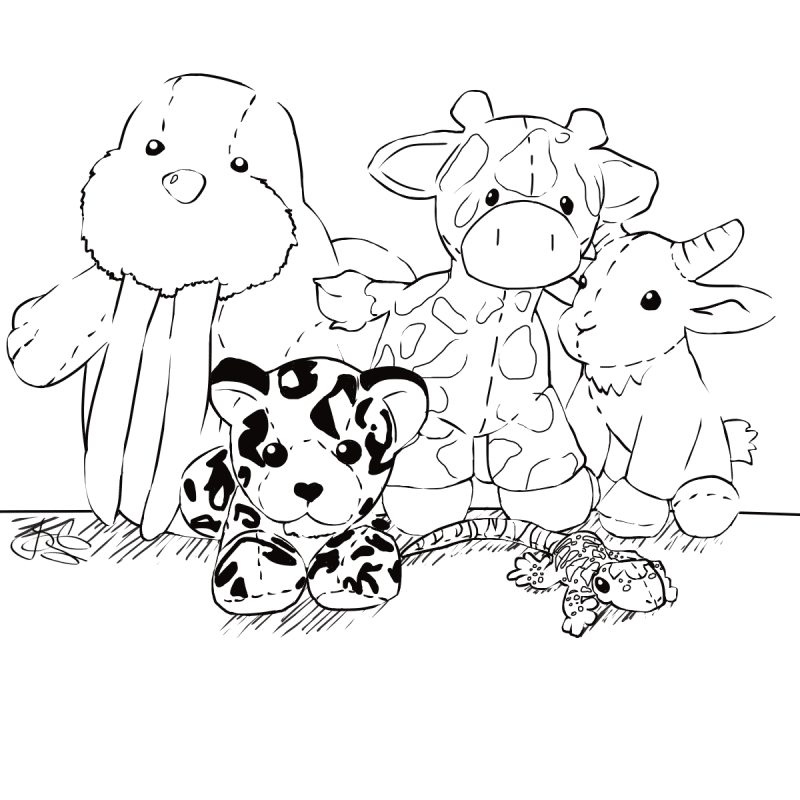
Stuffed Animal Coloring Page
Download Stuffed Animal Coloring Page
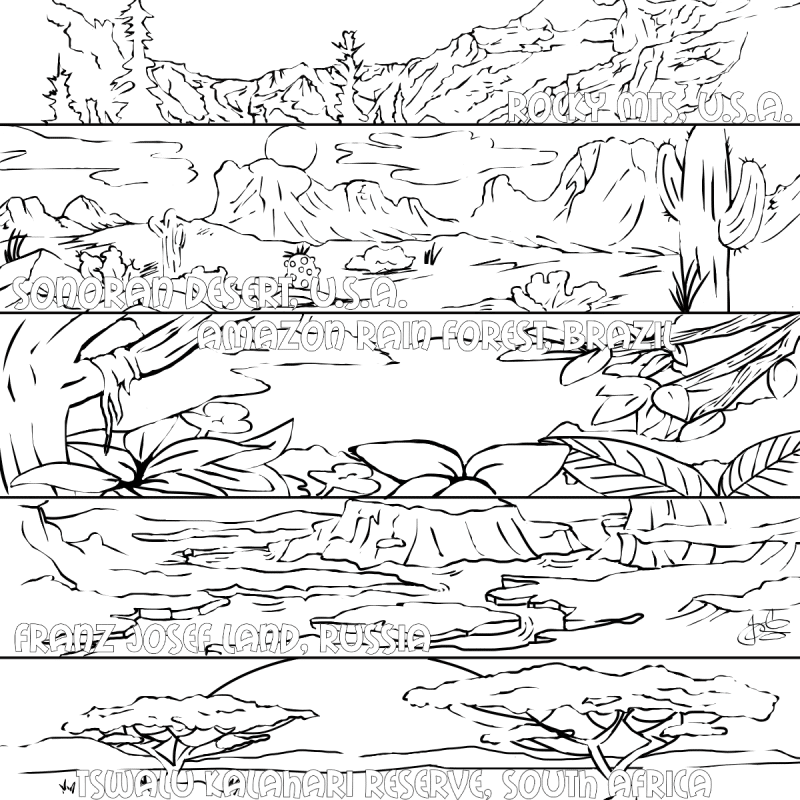
Animal Location Coloring Page
Download Animal Habitats Coloring Page

Filed Under: Visitor Info Tagged With: Stuffed Animal Safari, Super Science Days

  • « Go to Previous Page
  • Page 1
  • Interim pages omitted …
  • Page 6
  • Page 7
  • Page 8
  • Page 9
  • Go to Next Page »

sidebar

About

  • Mission & Commitments
  • Directors Team
  • Museum History

Get Involved

  • Volunteer
  • Membership
  • Carnegie Discoverers
  • Donate
  • Employment
  • Events

Bring a Group

  • Groups of 10 or More
  • Birthday Parties at the Museum
  • Field Trips

Powdermill

  • Powdermill Nature Reserve
  • Powdermill Field Trips
  • Powdermill Staff
  • Research at Powdermill

More Information

  • Image Permission Requests
  • Science Stories
  • Accessibility
  • Shopping Cart
  • Contact
  • Visitor Policies
One of the Four Carnegie Museums | © Carnegie Institute | Privacy Policy | Terms of Use | Accessibility
Rad works here logo